Walls of Salinillas de Buradon
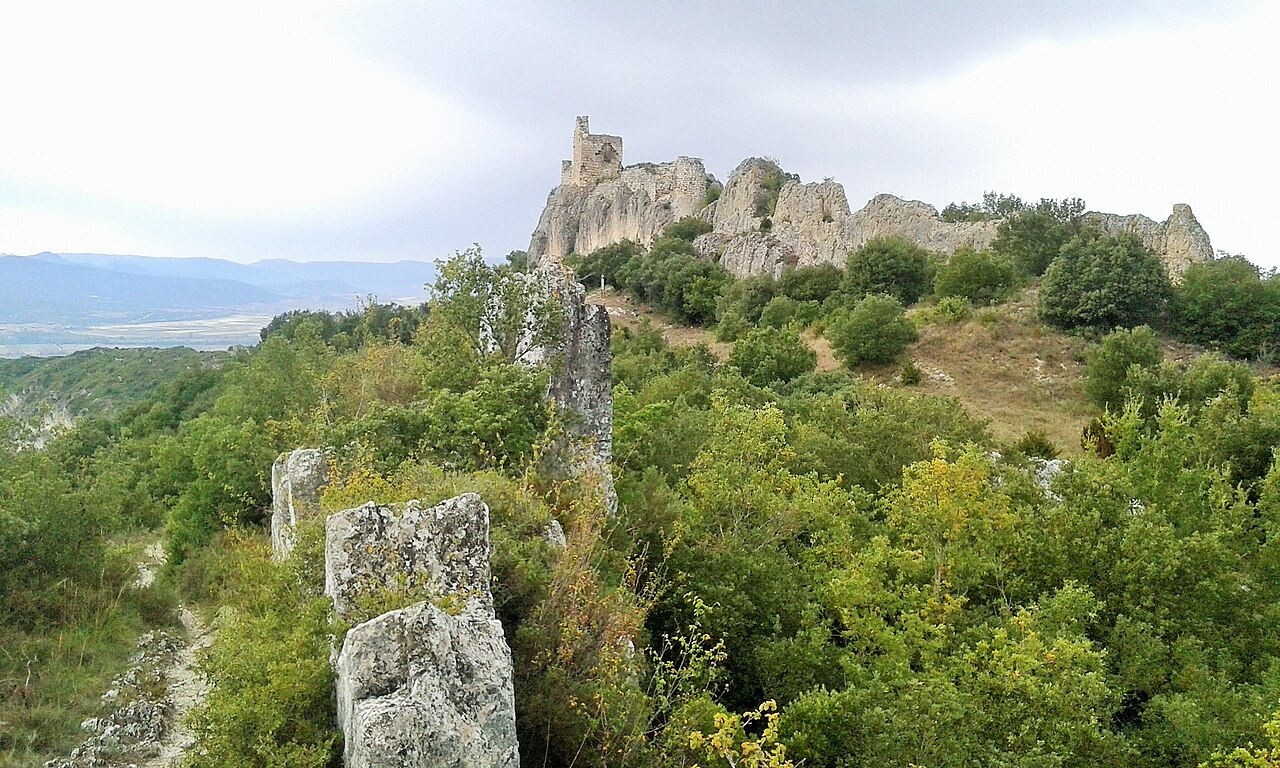
The Walls of Salinillas de Buradón (Spanish: Murallas de Salinillas de Buradón, Basque: Gatzaga Buradongo harresiak) are a significant example of medieval defensive architecture located in the village of Salinillas de Buradón, within the municipality of Labastida, in the province of Álava, Basque Country, Spain. These bastioned fortress walls were constructed to protect the settlement during turbulent periods in the Middle Ages and have been recognized as a Bien de Interés Cultural since 1984, highlighting their cultural and historical importance.
Historical context and strategic importance
The walls date primarily from the late medieval period, reflecting the military architectural advancements of the time. Salinillas de Buradón was a strategic location due to its proximity to the borderlands between the Kingdom of Castile and the Kingdom of Navarre. The fortifications served to defend the village from potential invasions and raids, common in this border region during the 14th and 15th centuries.
The construction of the walls corresponds with a period in which many towns fortified themselves with bastioned defenses designed to withstand artillery and improve defensive capabilities beyond traditional curtain walls. This adaptation was part of a broader military architectural evolution responding to the introduction of gunpowder weaponry.
Architectural features of the walls
The Walls of Salinillas de Buradón encompass the village in a roughly rectangular layout, incorporating several prominent bastions at key points to provide overlapping fields of fire. These bastions are angular projections from the main curtain walls, allowing defenders to cover the base of the walls and eliminate blind spots.
The walls are constructed mainly from local stone, exhibiting robust masonry techniques typical of the late medieval fortifications in northern Spain. The curtain walls vary in height and thickness, designed to resist siege engines and early artillery bombardment.
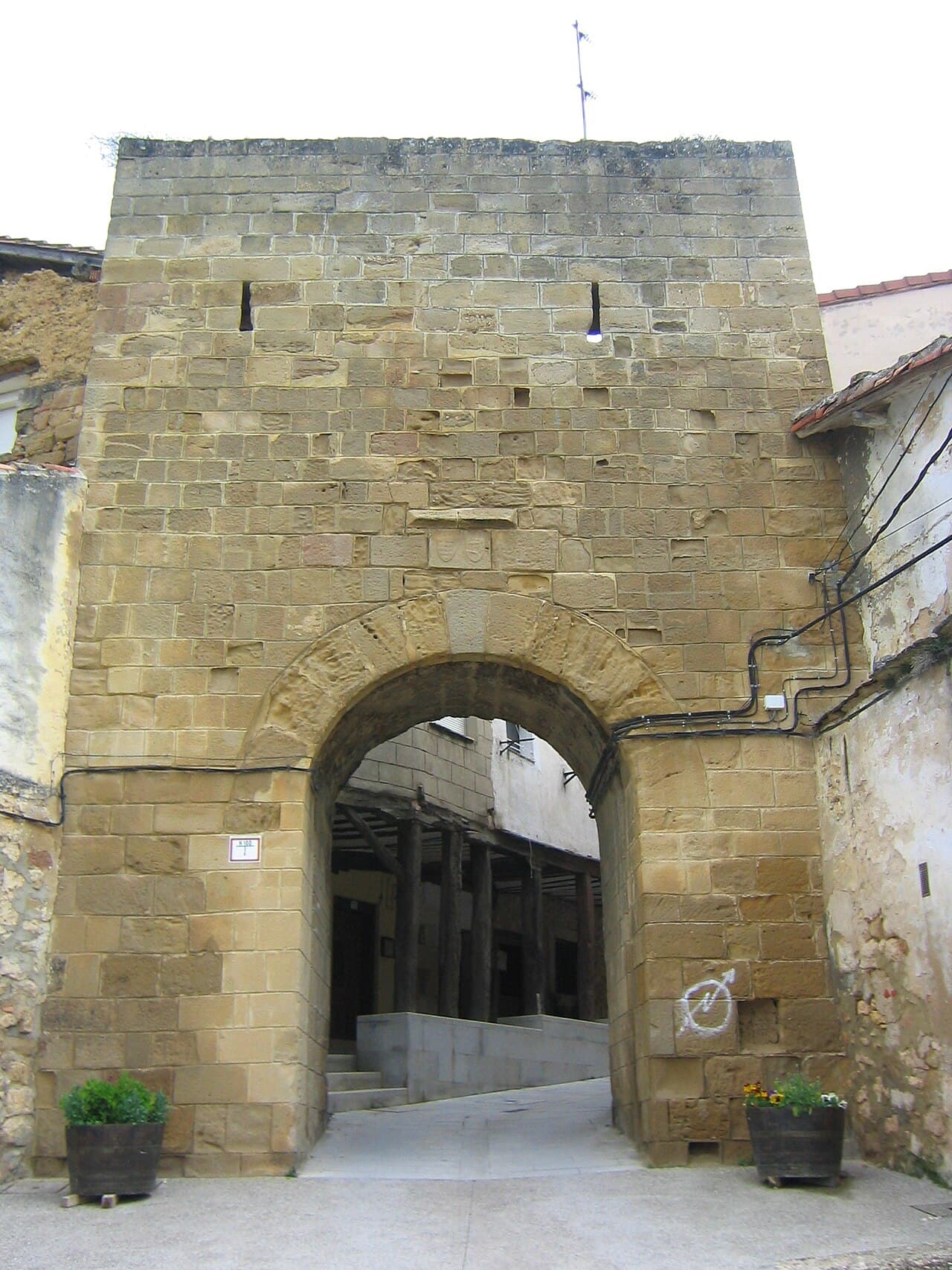
Entrances to the village were carefully fortified with gatehouses and defensive towers, some of which remain partially preserved. These gateways controlled access and could be sealed off during attacks, contributing to the overall defensive system.
Bastions and towers
The bastions are the most distinctive feature of the walls, built to provide strategic vantage points for defenders. Their angular design reflects the influence of Renaissance military engineering principles that began permeating fortress construction in the 15th century, emphasizing defense against cannon fire.
Towers integrated into the walls served multiple purposes, including lookout posts, platforms for archers or artillery, and as strongpoints to anchor the curtain walls. Some towers retain their original crenellations and arrow slits, indicating their use in active defense.
Preservation and cultural significance
Today, the Walls of Salinillas de Buradón are considered well preserved for their age, with significant portions of the curtain walls and bastions still standing. Their preservation allows visitors to appreciate the scale and complexity of medieval fortifications in the Basque Country.
The designation as a Bien de Interés Cultural ensures legal protection and promotes conservation efforts. The walls contribute to the cultural heritage of Álava and serve as a tangible link to the region's medieval past.
Visiting the walls
Visitors to Salinillas de Buradón can walk along parts of the walls and explore the village, gaining insight into medieval defensive strategies and local history. The site is accessible year-round, although visitor facilities are limited due to the village's small size.
The walls are an important attraction for those interested in military architecture, medieval history, and the cultural landscape of the Basque Country. Nearby towns and landmarks in Álava offer additional historical and cultural experiences.
Frequently asked questions (FAQ)
- How do I get to the Walls of Salinillas de Buradon?
- The Walls of Salinillas de Buradon are located in the quaint village of Salinillas de Buradon, Spain. You can reach the site by car, and there is parking available nearby. Public transport options may be limited, so it's advisable to check local bus schedules or consider renting a vehicle for convenience.
- What is the historical significance of the Walls of Salinillas de Buradon?
- The Walls of Salinillas de Buradon date back to the medieval period and served as a defensive structure for the village. They are a testament to the region's historical importance and military architecture. The walls reflect the strategic efforts to protect the area from invasions during turbulent times.
- When was the Walls of Salinillas de Buradon constructed?
- The construction of the Walls of Salinillas de Buradon is believed to have begun in the 12th century. Over the centuries, they have undergone various modifications and restorations to preserve their integrity. This makes them a fascinating site for those interested in medieval history and architecture.
- Can I visit the Walls of Salinillas de Buradon year-round?
- Yes, the Walls of Salinillas de Buradon are accessible to visitors throughout the year. However, it is advisable to check the weather conditions and any local events that may affect your visit. Always confirm any potential seasonal restrictions before planning your trip.
- Why is the architecture of the Walls of Salinillas de Buradon unique?
- The architecture of the Walls of Salinillas de Buradon showcases a blend of Romanesque and Gothic styles, which was typical during the medieval period in Spain. The robust stone construction and strategic positioning on elevated terrain highlight its defensive purpose. Visitors can appreciate the craftsmanship and historical context reflected in the walls' design.
- Is it possible to take guided tours of the Walls of Salinillas de Buradon?
- Yes, guided tours are often available for those who wish to learn more about the history and significance of the Walls of Salinillas de Buradon. These tours provide deeper insights into the architectural features and the historical events associated with the site. Check with local tourism offices for specific tour schedules and availability.
- What are the opening hours for the Walls of Salinillas de Buradon?
- The Walls of Salinillas de Buradon are typically open to visitors from early morning until sunset. It is recommended to visit during daylight hours for the best experience. Always verify current hours of operation before your visit, as they may vary seasonally or due to special events.
- What are the ticket prices for visiting the Walls of Salinillas de Buradon?
- Entry to the Walls of Salinillas de Buradon is generally free, making it an accessible destination for all visitors. However, there may be fees for guided tours or special events. Be sure to confirm any costs upon your arrival or through local tourism resources.
- What are some nearby attractions to visit while in Salinillas de Buradon?
- While visiting the Walls of Salinillas de Buradon, you can explore the surrounding natural landscape, including hiking trails and scenic viewpoints. Additionally, the nearby town offers cultural sites, local cuisine, and historical landmarks that enrich your travel experience. Don't hesitate to ask locals for their recommendations on must-see spots in the area.
Photo gallery

Photo by txo•Public domain
Information
Loading map...
Visitor reviews
No reviews yet. Been here? Write the first review and help other travelers!
Write the first reviewVisited this castle? Share your experience
Your review helps other travelers and adds first-hand knowledge to our encyclopedia.