Castillo de Briones
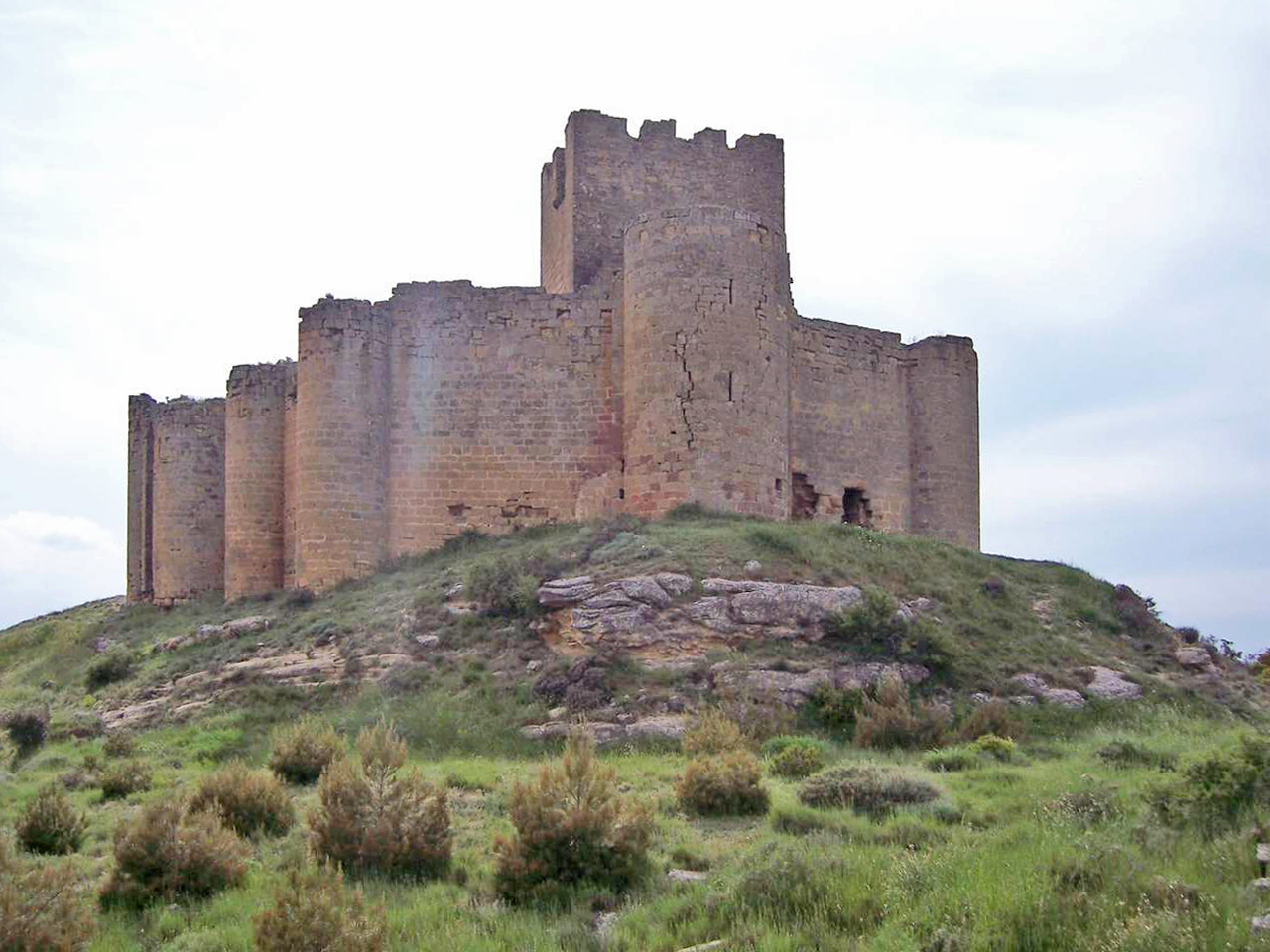
The Castillo de Briones stands as a significant medieval fortress located in the town of Briones, within the autonomous community of La Rioja, Spain. This hill castle commands a strategic vantage point overlooking the surrounding landscape, reflecting its original purpose as a defensive stronghold during the turbulent Middle Ages on the Iberian Peninsula. The castle's origins trace back to the 11th century, when the López de Haro family, prominent lords of Vizcaya, established the first fortifications in the area. These early defenses were part of the broader Christian reconquest efforts and territorial consolidation during the High Medieval period.
Early history and medieval significance
The initial fortress at Briones was destroyed in 1240 by King Fernando III of Castilla amid ongoing conflicts between Christian kingdoms vying for control over the Iberian territories. The destruction was a strategic move in the shifting alliances and power struggles characteristic of the era. Subsequently, the town of Briones gained renewed importance under King Alfonso X of Castilla, who in 1256 granted it the Fuero de Vitoria, a charter that encouraged settlement, local governance, and economic development. This legal recognition spurred population growth and necessitated the construction of a more robust fortress, which evolved into the castle structure recognized today.
Ownership and political transitions
Throughout the late medieval period, the castle changed hands among several noble families, reflecting the dynamic political landscape of the region. Notably, Fernando Alfonso de Castilla controlled the castle until 1366, after which ownership transferred to Sancho de Castilla, then to Leonor de Alburquerque and her husband Fernando I of Aragón. During this time, the fortress became part of the holdings of the Crown of Navarra, illustrating the fluid territorial boundaries and alliances between the kingdoms of Castilla, Aragón, and Navarra.
In 1459, the castle was ceded by King Enrique IV of Castilla to Pedro Girón, Master of Calatrava. The Girón family retained possession for several centuries, maintaining the castle as a noble residence and military fortification until 1818, when control reverted to the Crown. This long tenure by the Girón family underscores the castle's role as a significant noble estate and its sustained strategic importance.
Architectural features and structural evolution
The castle's architectural remains today primarily consist of the ruins of its central keep, which served as the main defensive tower and residence. This keep has a distinctive trapezoidal ground plan, oriented from northeast to southeast. Three walls of the original structure survive, resting on robust stone foundations that support a masonry base built from finely worked ashlar blocks. These precisely cut stones demonstrate the skilled craftsmanship and architectural techniques employed during the castle's construction.
One of the castle's notable defensive features was a set of corbels that once supported a machicolation—an overhanging gallery with openings through which defenders could drop projectiles or boiling substances on attackers. Although the machicolation itself no longer exists, its former presence indicates the castle's emphasis on active defense mechanisms typical of medieval military architecture.
In a later phase, a metal spiral staircase with 49 steps was installed inside the keep, providing access to upper levels. This adaptation reflects the castle's continued use and modifications over time, adapting to changing needs and functions beyond its original military role.
Decline and preservation efforts
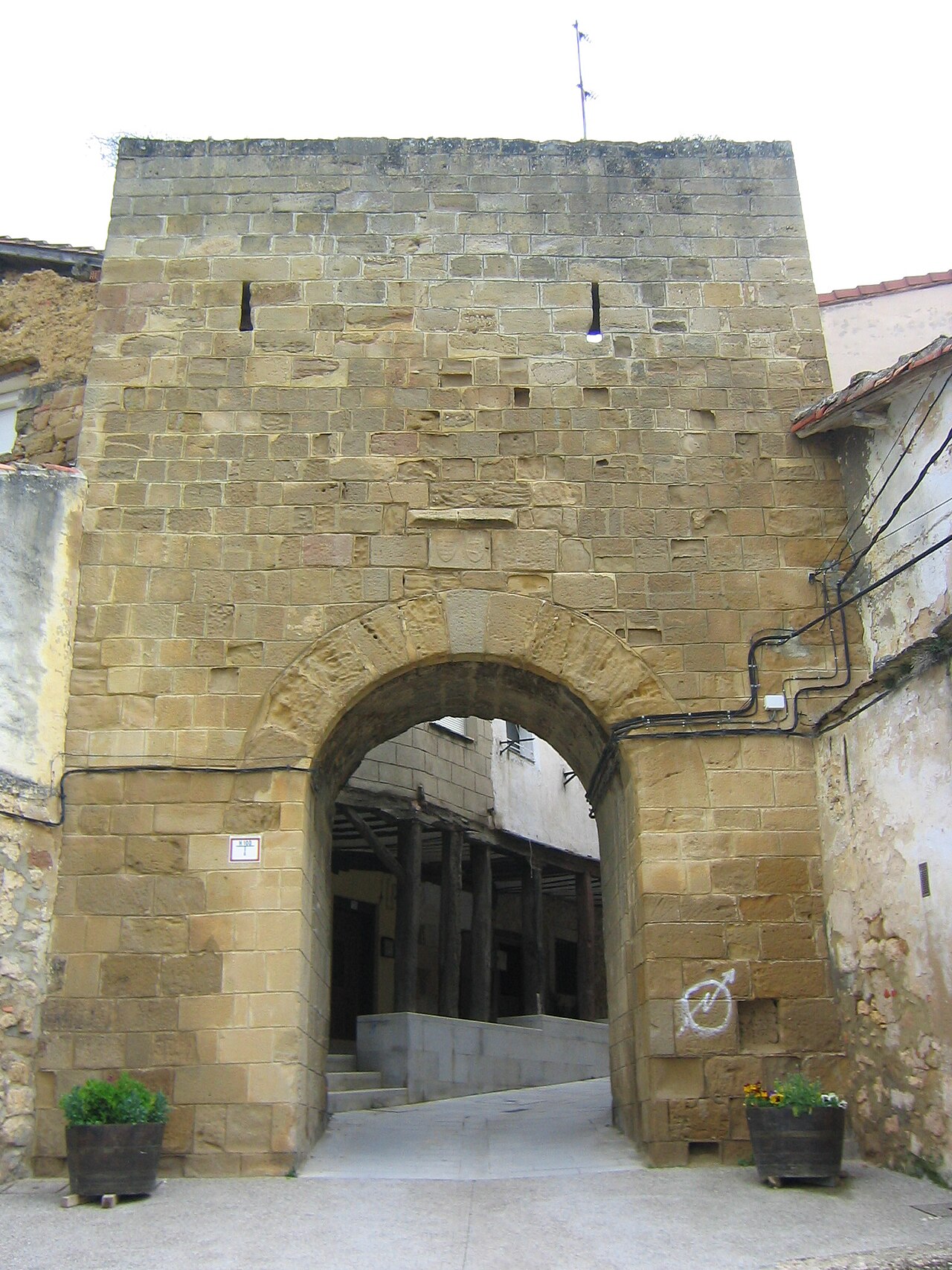
By the 19th century, the Castillo de Briones had fallen into a state of disrepair. Key architectural elements such as the main entrance with its pointed arch and flanking towers were still visible but eventually demolished in the 20th century when the site was repurposed as a cemetery. Despite these losses, the remaining structures offer valuable insights into the castle's medieval origins and architectural evolution.
Recognizing its cultural and historical significance, the castle was legally protected under a decree issued on April 22, 1949. It was subsequently included in Spain's Law 16/1985 on historical heritage, ensuring the preservation and protection of the site for future generations. Today, the castle stands as a protected monument, with its ruins serving as a tangible link to the region's medieval past.
The castle in the context of la rioja's heritage
The Castillo de Briones is an important cultural landmark within La Rioja, a region renowned for its rich history and architectural heritage. The castle's strategic location and medieval architecture contribute to the understanding of the area's historical development, particularly during the Christian reconquest and the complex political dynamics among the kingdoms of northern Spain.
Visitors to the site can explore the surviving masonry of the keep and appreciate the craftsmanship of the ashlar stonework. The castle's ruins, though fragmentary, evoke the martial and noble history of the region and underscore the enduring legacy of medieval fortifications in shaping Spain's cultural landscape.
Frequently asked questions (FAQ)
- When was Castillo de Briones originally built?
- Castillo de Briones was originally established in the 11th century by the López de Haro family during the High Medieval period.
- What is the architectural style of Castillo de Briones?
- The castle features medieval military architecture with a trapezoidal keep and ashlar masonry, typical of High Medieval fortifications.
- Can visitors access the ruins of Castillo de Briones?
- Yes, visitors can explore the ruins of the central keep and surrounding structures, although the site is primarily in a state of ruin.
- Why was Castillo de Briones important historically?
- It was a strategic defensive fortress involved in territorial conflicts among the kingdoms of Castilla, Aragón, and Navarra during the Middle Ages.
- Is Castillo de Briones protected as a heritage site?
- Yes, it has been legally protected since 1949 and included under Spain's Law 16/1985 on historical heritage to ensure its preservation.
Information
Website
Visit websiteSources & official resources
Verify the information above using these authoritative references.
Loading map...
Visitor reviews
No reviews yet. Been here? Write the first review and help other travelers!
Write the first reviewVisited this castle? Share your experience
Your review helps other travelers and adds first-hand knowledge to our encyclopedia.