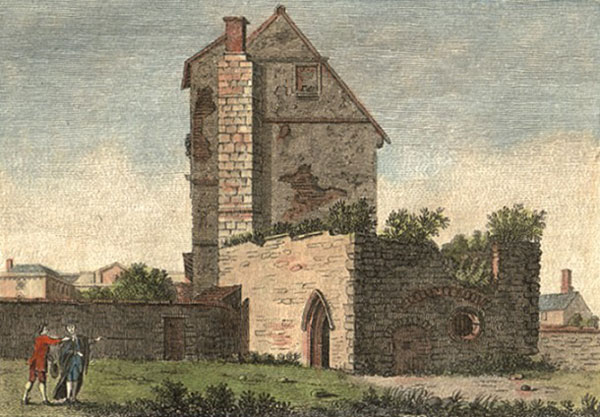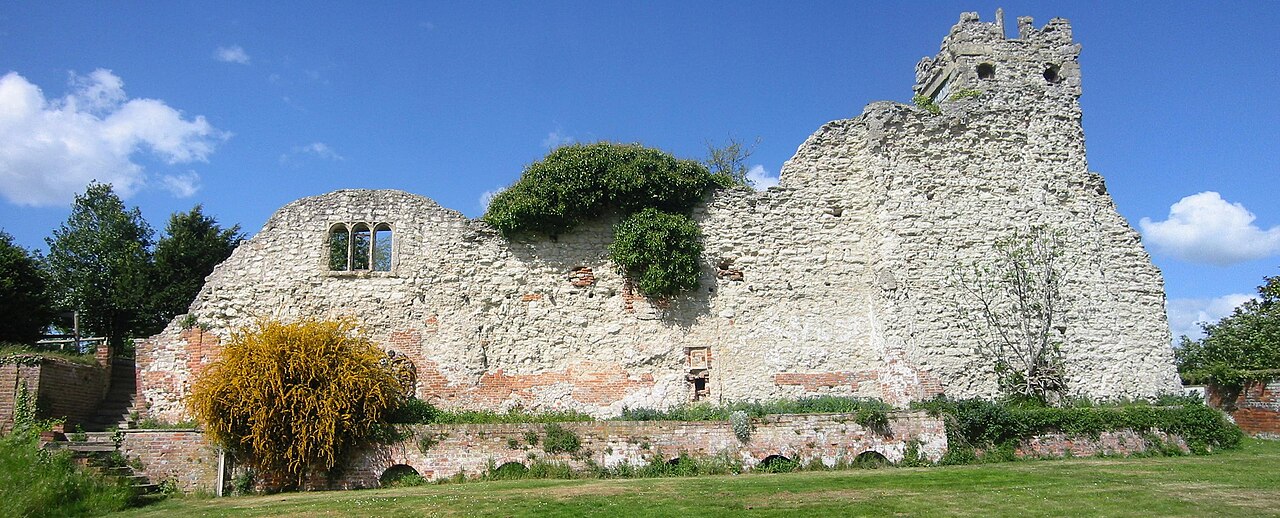
Oxford Castle
Oxford Castle stands as a significant Norman fortress located in the historic city of Oxford, within the county of Oxfordshire, England. Constructed between 1071 and 1073 by the Norman baron Robert D'Oyly the elder, the castle was part of William the Conqueror's efforts to consolidate control over England following the Norman Conquest of 1066. This imposing structure was strategically placed to dominate the western part of Oxford, utilizing the natural defenses provided by a tributary of the River Thames, now known as the Castle Mill Stream. D'Oyly's decision to divert the stream to form a protective moat enhanced the castle's defensive capabilities, a common feature in Norman military architecture.
Origins and early construction
The initial form of Oxford Castle was a classic motte-and-bailey design, characterized by a large artificial mound (the motte) topped by a wooden keep and an enclosed courtyard (the bailey) surrounded by a protective fence or palisade. The motte at Oxford was originally about 18 meters high and 12 meters wide, constructed with layers of gravel and clay reinforced for stability. This design was similar to Robert D'Oyly's other fortification at Wallingford Castle, located approximately 19 kilometers away.
The castle's placement likely involved the clearance of existing structures, although the Domesday Book of 1086 does not explicitly record any demolition, suggesting the land may have been sparsely inhabited or damaged during the Norman conquest. The castle was not only a military stronghold but also a symbol of Norman authority in the region.
Architectural development in the 12th and 13th centuries
St George's Tower and chapel
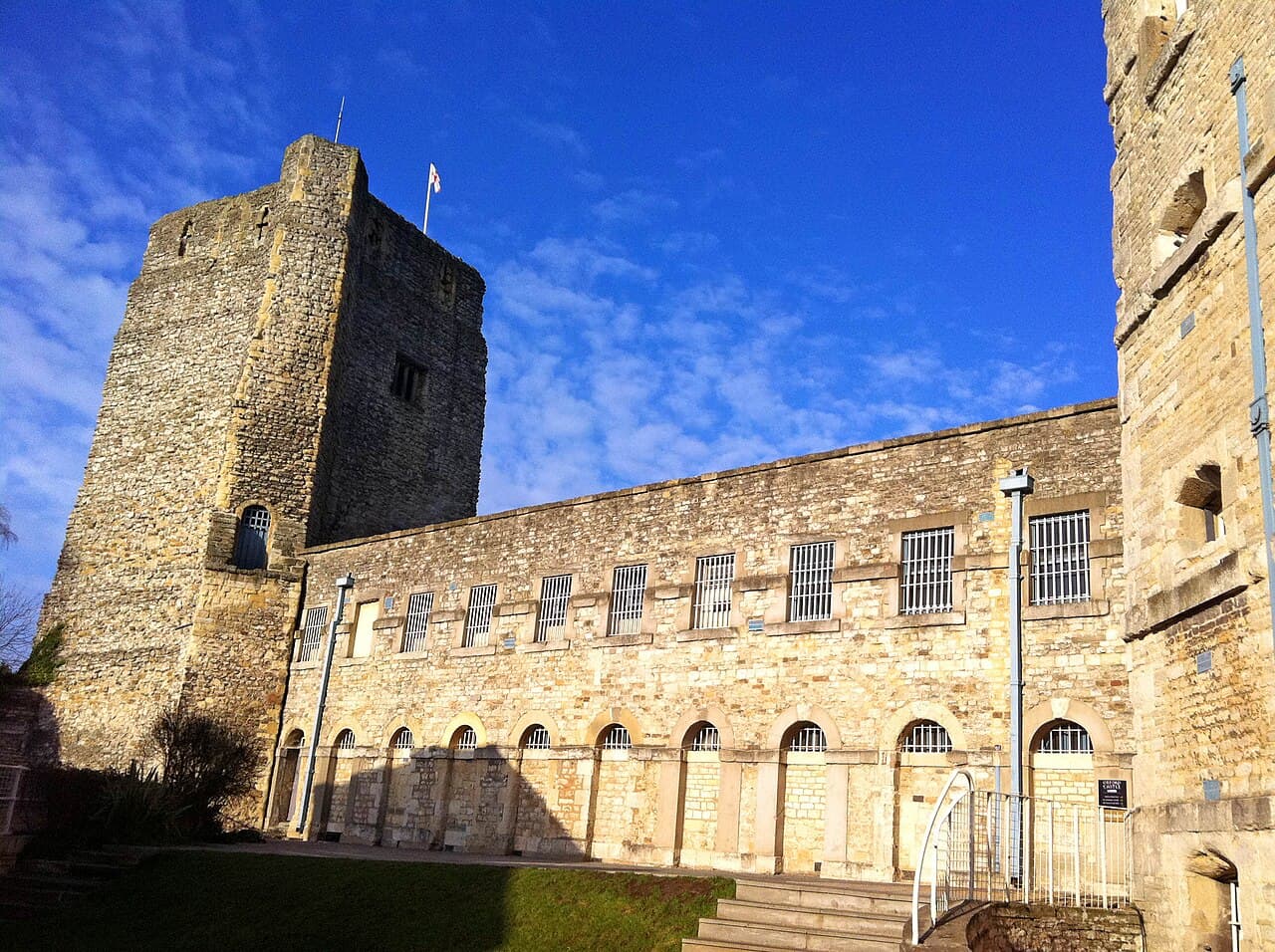
By 1074, Oxford Castle saw the construction of St George's Tower, a robust stone tower measuring approximately 9 by 9 meters at the base, tapering upwards to enhance stability. This tower was the largest within the castle and faced the main western gateway to the city, highlighting its defensive importance.
Along the castle walls, a chapel dedicated to St George was established, likely on the site of an earlier church. This single-nave chapel exemplifies Norman architectural style, characterized by rounded arches and solid masonry, reflecting the religious and cultural priorities of the castle's inhabitants.
The great stone keep
In the early 13th century, the original wooden keep atop the motte was replaced with a monumental decagonal stone tower, rising approximately 58 meters high. This keep was architecturally similar to that of Arundel Castle and represented a significant advancement in castle fortification. Despite its narrow footprint of only 7 meters within the inner courtyard, the keep was essential for defense during sieges, housing a well to ensure a water supply under attack.
Historical significance and roles
Oxford Castle played a pivotal role during several key historical events. During the Anarchy (1135–1153), a civil war between supporters of King Stephen and Empress Matilda, the castle served as a strategic base for Matilda's campaign from 1141 to 1142. Its fortifications allowed her to maintain a stronghold in Oxfordshire during this turbulent period.
Although the castle was a formidable military installation, it never became a royal residence. King Henry I preferred the nearby Beaumont Palace for his royal court, which offered more comfortable and prestigious accommodations.
By the reign of Henry III in the 13th century, parts of Oxford Castle had begun to be repurposed as a prison. It notably housed unruly students from the University of Oxford, reflecting the castle's evolving function within the city.
Architectural features and layout
The castle complex included multiple defensive and residential structures typical of Norman castles. The motte provided a commanding vantage point, while the bailey enclosed living quarters, workshops, and storage buildings. The moat, fed by the diverted Castle Mill Stream, added an extra layer of defense against attackers.
The robust curtain walls and towers such as St George's Tower formed a formidable barrier, controlling access to the city and protecting the castle's inhabitants. The chapel served both spiritual needs and symbolized the Norman rulers' authority and piety.
Later history and preservation
Over the centuries, Oxford Castle's military importance declined, and its role as a prison expanded. The castle's structures underwent various modifications and partial demolitions to accommodate new uses. Today, the castle is partially preserved, with significant ruins and restored sections accessible to the public.
Visitors can explore the remains of the motte, the stone keep, and the chapel of St George, gaining insight into medieval military architecture and the castle's complex history. The site also offers guided tours that illuminate its dark past and its importance in Oxford's development.
Visiting Oxford Castle
Oxford Castle is a key attraction for visitors interested in medieval history, Norman architecture, and the heritage of Oxford. Its location within the city makes it accessible for tourists exploring Oxford's broader cultural and academic landmarks.
The castle's combination of military, religious, and penal functions over nearly a millennium provides a unique narrative that enriches understanding of England's medieval past and the evolution of castle architecture.
Frequently asked questions (FAQ)
- What is the historical significance of Oxford Castle?
- Oxford Castle has a rich history dating back to the 11th century when it was built as a defensive structure. It played a crucial role in the development of Oxford and has served various purposes over the centuries, including a prison and a university site. Today, it stands as a testament to the city's medieval past and architectural evolution.
- When was Oxford Castle built?
- Oxford Castle was constructed in 1071 under the order of William the Conqueror. The castle has undergone several modifications and restorations throughout the centuries, reflecting changes in architectural styles and uses.
- Can I visit Oxford Castle?
- Yes, Oxford Castle is open to the public and offers guided tours that provide insight into its fascinating history. Visitors can explore various parts of the castle, including the tower and the prison, making it a unique experience for history enthusiasts.
- What are the opening hours for Oxford Castle?
- Oxford Castle is typically open to visitors from 10:00 AM to 5:00 PM, but hours may vary seasonally or during special events. It is advisable to check the official website for the most up-to-date information before planning your visit.
- Is Oxford Castle accessible for visitors with disabilities?
- Yes, Oxford Castle is committed to providing accessible facilities for all visitors. There are ramps and designated paths to ensure ease of movement throughout the site, and staff are available to assist those with additional needs.
- What are the ticket prices for visiting Oxford Castle?
- Ticket prices for Oxford Castle vary depending on age and group size, with discounts often available for students and seniors. Family tickets are also offered, making it an affordable option for those looking to explore the site together.
- When is the best time to visit Oxford Castle?
- The best time to visit Oxford Castle is during the spring and early autumn months when the weather is mild and the gardens are in bloom. Additionally, visiting during weekdays can help you avoid larger crowds typically seen on weekends.
- What nearby attractions can I visit after exploring Oxford Castle?
- After visiting Oxford Castle, you can explore the nearby Oxford University, with its stunning architecture and museums. Other attractions include the Ashmolean Museum, Christ Church, and the picturesque streets of the city, making for a full day of sightseeing.
Photo gallery

Information
Website
Visit websiteSources & official resources
Verify the information above using these authoritative references.
Loading map...
Visitor reviews
No reviews yet. Been here? Write the first review and help other travelers!
Write the first reviewVisited this castle? Share your experience
Your review helps other travelers and adds first-hand knowledge to our encyclopedia.