Greys Court
Greys Court stands as a remarkable testament to nearly a millennium of English history, located in Rotherfield Greys, Oxfordshire. Originally established by the Normans shortly after their conquest of England, the estate began as the manor of Redrefield, documented in the Domesday Book of 1086. It was held by Anchetil de Greye, a Norman knight whose family name would become synonymous with the property. This early establishment laid the foundation for a site that would evolve through centuries of architectural and social transformation.
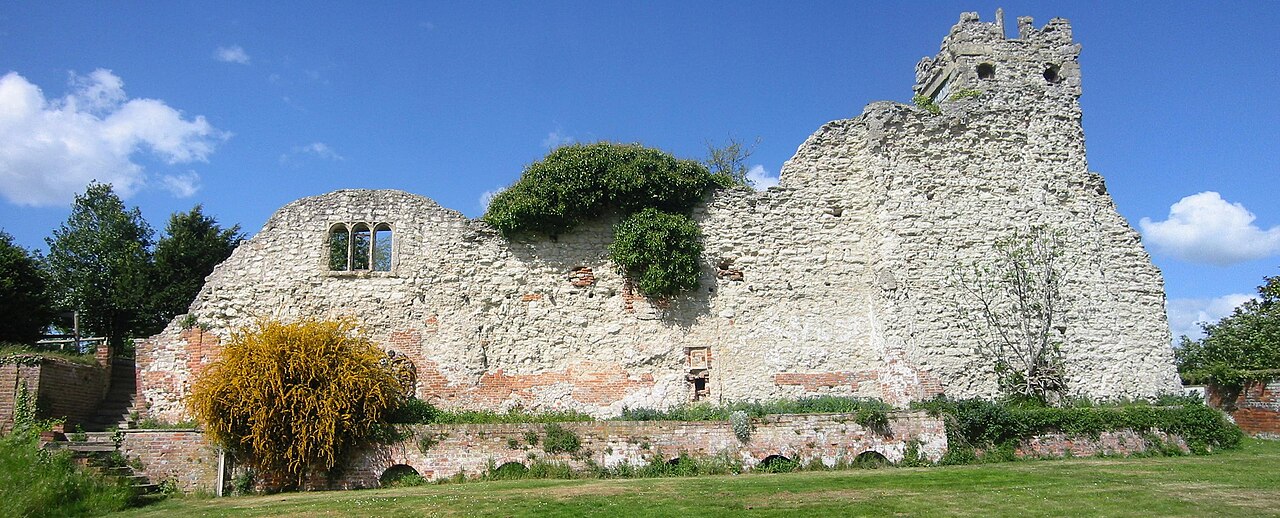
The manor's evolution into a fortified residence began in the mid-14th century under John de Grey, 1st Baron Grey de Rotherfield, a distinguished knight and founding member of the Order of the Garter. Around 1346, John de Grey secured a royal license to crenellate, allowing him to fortify the manor. By approximately 1347, a stone fortified tower was constructed, marking the transformation of the estate from a simple manor house into a defensible stronghold. This tower remains the most prominent medieval remnant on the site, strategically positioned to command views over the surrounding countryside and the estate's gardens.
Architectural development through the centuries
Medieval origins and fortifications
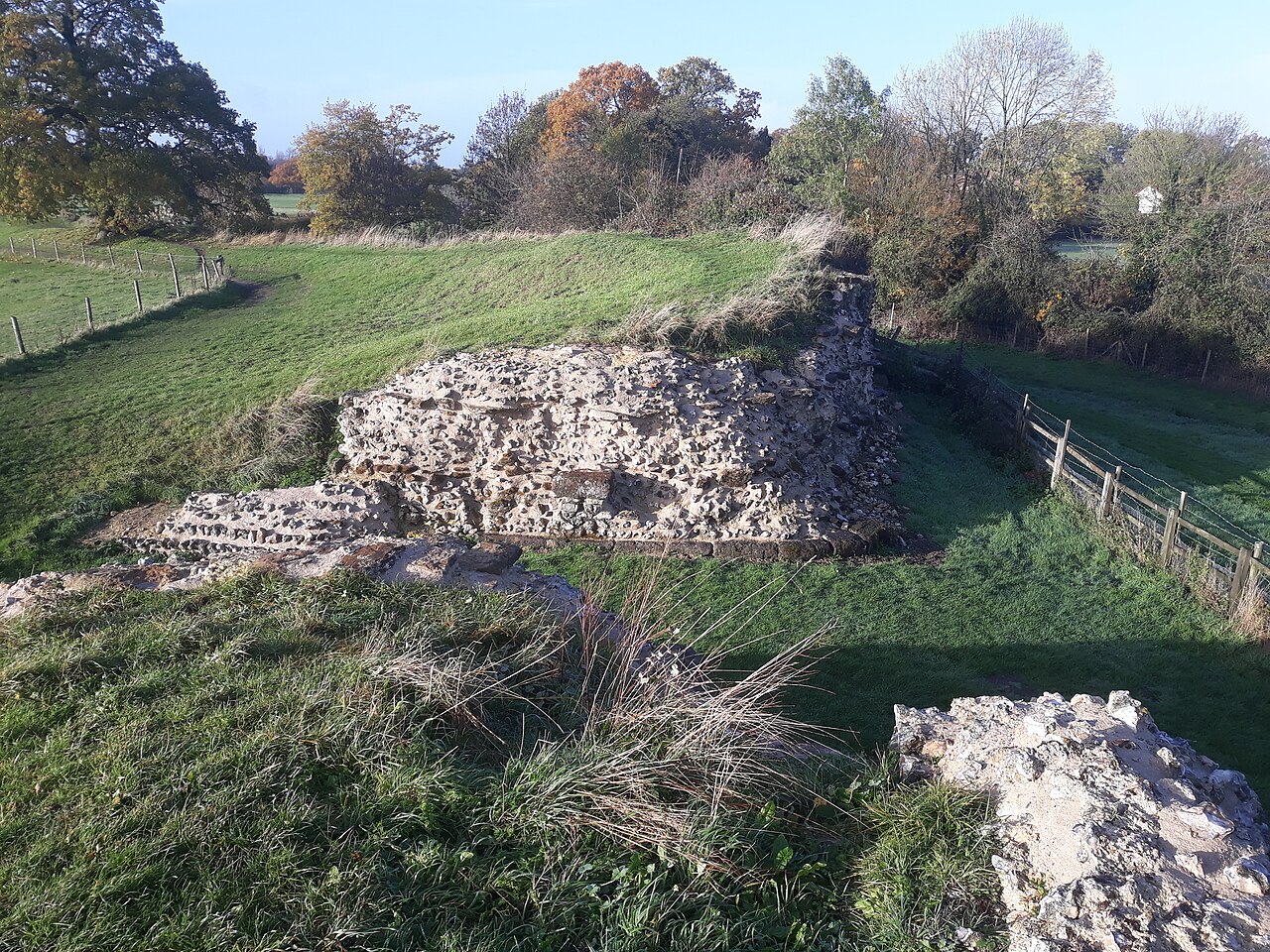
The fortified tower built in the 14th century is a key surviving element of the original castle. Its robust stone construction, battlements, and elevated vantage point exemplify the defensive architecture of the period. Although much of the medieval castle has not survived, this tower provides a tangible link to the turbulent medieval era when fortifications were essential for protection against local conflicts and unrest.
Tudor transformation and residential expansion
Following the medieval period, the estate underwent significant changes during the Tudor era, particularly under the ownership of the Knollys family, who acquired the property in 1514. The grant to Robert Knollys came with the symbolic annual rent of a red rose, highlighting the manor's status as a prestigious residence rather than a military fortress. Over the next century, the Knollys family shaped much of the existing house into a comfortable and elegant Tudor country home. The layout centers around an open courtyard, typical of Tudor manor houses, facilitating both domestic life and social functions.
The interiors reflect the tastes of the 18th century with ornate plasterwork and period furnishings that have been carefully preserved, maintaining the house’s historic ambiance. The architectural style of the main house blends Tudor elements with later modifications, illustrating the continuous adaptation of the estate to changing needs and fashions.
Ownership history and cultural significance
The estate passed through several notable hands following the Knollys family. In 1686, it was acquired by Sir William Paul, and later, in 1724, it entered the Stapleton family through marriage, when Sir William Stapleton, 4th Baronet, received it as part of a dowry. These transitions reflect the estate’s enduring appeal among the English gentry and aristocracy.
In the 20th century, Greys Court became the residence of Evelyn Fleming, mother of the famed author Ian Fleming, from 1935 to 1937. Shortly thereafter, in 1937, the property was purchased by Sir Felix Brunner and Lady Elizabeth Brunner (née Irving). The Brunner family maintained stewardship until 1969, when they generously donated the estate to the National Trust. Lady Brunner continued living there until 2003, ensuring the preservation and public accessibility of the historic house and gardens.
Gardens and landscape features
The grounds of Greys Court are celebrated for their extensive and varied gardens, enclosed by traditional walls that create a series of intimate outdoor spaces. The gardens feature classic English horticultural elements, including cultivated roses and climbing wisteria, which add seasonal color and fragrance. An ornamental vegetable garden complements the formal flower beds, reflecting the historic role of kitchen gardens in country estates.
A distinctive feature of the gardens is the grass maze, laid out with brick walkways. This maze was dedicated on October 12, 1981, by Archbishop Robert Runcie, adding a modern layer of cultural significance to the historic landscape. Additional garden structures include a well-preserved Tudor wheelhouse, historically used for drawing water, and a traditional ice house, which was essential for food preservation before refrigeration.
Preservation and public access
Greys Court is recognized as a Grade I listed building, denoting its exceptional architectural and historic importance. This designation protects the estate’s unique features and ensures that any alterations respect its heritage. The combination of the medieval fortified tower, the Tudor manor house, and the historic gardens offers visitors a comprehensive glimpse into the evolution of English country estates from the Norman conquest through the Tudor period and beyond.
Today, Greys Court is open to the public under the care of the National Trust. It remains a popular destination for those interested in English history, architecture, and garden design. The estate has also served as a picturesque filming location for various television and film productions, further cementing its cultural relevance.
Frequently asked questions (FAQ)
- How do I get to Greys Court?
- Greys Court is located in Rotherfield Greys, just a short drive from Henley-on-Thames. The nearest train station is Henley, and from there, you can take a taxi or use local bus services to reach the castle. Parking is available on site for visitors arriving by car.
- What is the historical significance of Greys Court?
- Greys Court is a historic Tudor mansion with roots dating back to the 14th century. It has been home to notable families and played a role in England's architectural history, showcasing the evolution of styles from the medieval period to the 20th century. Its gardens and grounds also reflect the rich heritage of English landscape design.
- When was Greys Court built?
- The original structure of Greys Court dates back to the 14th century, with significant renovations occurring in the 16th and 17th centuries. The castle has undergone various transformations over the centuries, preserving its charm and unique architectural features. Today, it stands as a fine example of Tudor architecture.
- Can I take photographs inside Greys Court?
- Yes, photography is allowed in the gardens and grounds of Greys Court. However, inside the house, photography may be restricted to preserve the artwork and furnishings. Be sure to check for any specific guidelines upon your visit.
- Why is Greys Court a popular tourist attraction?
- Greys Court attracts visitors for its stunning gardens, rich history, and beautiful architecture. The picturesque setting provides a serene escape and offers numerous walking paths and picnic spots. Additionally, the castle often hosts events and activities, making it a vibrant destination for all ages.
- Is it possible to visit Greys Court with mobility issues?
- Greys Court is committed to accessibility and offers facilities for visitors with mobility challenges. While some areas may have uneven terrain, there are accessible paths and seating areas throughout the grounds. It’s advisable to contact the site ahead of your visit for specific accessibility details.
- What are the opening hours for Greys Court?
- Greys Court typically opens from 10 AM to 5 PM during the summer months and has reduced hours in the winter. It is advisable to check the official website or contact the visitor center for the most up-to-date information regarding seasonal hours and any special closures.
- How much do tickets cost for Greys Court?
- Ticket prices for Greys Court vary depending on age and membership status, with discounts often available for children and seniors. Tickets can be purchased at the entrance or online, and it is recommended to buy in advance during peak seasons to ensure entry.
- What nearby attractions can I visit after Greys Court?
- After visiting Greys Court, you can explore nearby attractions such as the charming town of Henley-on-Thames, famous for its rowing events and riverside walks. The historic Stonor Park and the stunning Chiltern Hills are also within a short distance, offering additional opportunities for exploration and enjoyment.
Information
Website
Visit websiteSources & official resources
Verify the information above using these authoritative references.
Loading map...
Visitor reviews
No reviews yet. Been here? Write the first review and help other travelers!
Write the first reviewVisited this castle? Share your experience
Your review helps other travelers and adds first-hand knowledge to our encyclopedia.