Wakimoto Castle (Wakimoto-jō, 脇本城) is a notable example of a Sengoku period Japanese castle located in Oga, Akita Prefecture, within the Tōhoku region of Japan. The castle's ruins stand as a testament to the turbulent era of feudal conflict that characterized the 15th and 16th centuries in Japan. Recognized for its historical significance, the site was officially designated a National Historic Site of Japan in 1979, underscoring its cultural and architectural importance.
Historical context and significance
The Sengoku period (c. mid-15th century to early 17th century) was marked by widespread military conflict, social upheaval, and political intrigue as regional warlords, or daimyōs, vied for power. Wakimoto Castle played a strategic role during this era, serving as a fortified base for local rulers in the northern Tōhoku region. The castle's location in Akita Prefecture placed it at a crossroads of important trade routes and military pathways, contributing to its defensive value.
Although detailed historical records about Wakimoto Castle's founders and specific military engagements are limited, it is understood to have been constructed and utilized primarily during the Sengoku period. The castle's ruins provide valuable archaeological insights into the defensive architecture and settlement patterns of the time.
Architectural features and layout
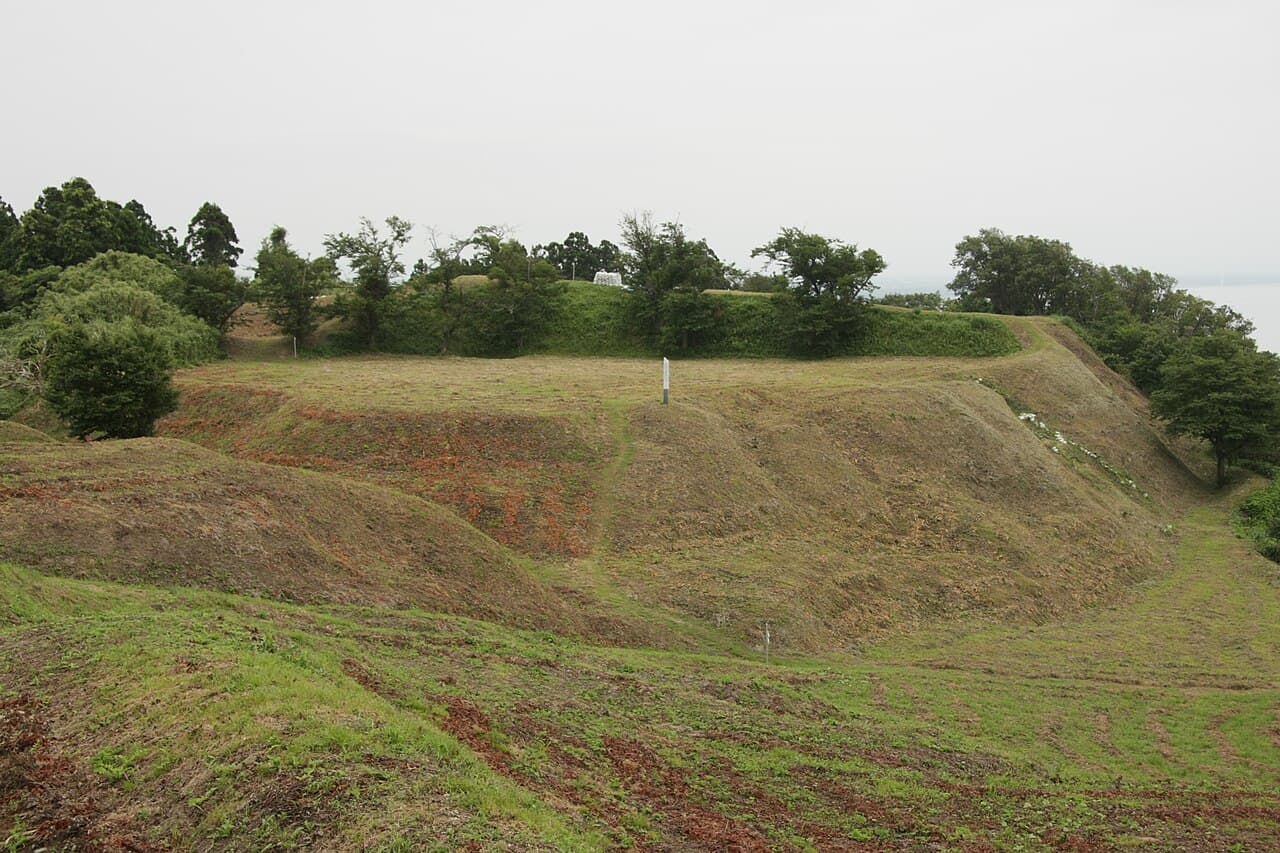
Wakimoto Castle is classified as an archaeological ruins site, with much of its original structure lost to time. The castle was built according to the typical layout of Sengoku period fortifications, featuring earthen ramparts, dry moats, and wooden palisades rather than extensive stone walls common in later periods.
The castle's design likely included multiple baileys (courtyards) arranged to maximize natural terrain advantages, with steep slopes providing natural defense. The remains of terraced earthworks and foundation stones indicate the locations of key structures such as the main keep (tenshu), gates, and watchtowers. The use of natural topography was a hallmark of Japanese castle construction during this period, combining man-made defenses with the landscape.
Defensive elements
Key defensive features of Wakimoto Castle included earthen walls reinforced with wooden palisades, and dry moats that hindered enemy approach. The castle's position on elevated ground allowed defenders to monitor and control access routes effectively. The layout reflects the strategic emphasis on defense against sieges and surprise attacks common in Sengoku warfare.
Archaeological research and preservation
Since its designation as a National Historic Site, Wakimoto Castle has been the subject of archaeological studies aimed at uncovering its structural details and historical context. Excavations have revealed artifacts such as pottery shards, weapon fragments, and building materials that help reconstruct the daily life and military functions of the castle.
Preservation efforts focus on maintaining the integrity of the earthworks and preventing further erosion. As an archaeological ruins site, Wakimoto Castle offers visitors a glimpse into Japan's feudal past through its landscape and remaining features rather than standing structures.
Visiting wakimoto castle today
Today, Wakimoto Castle is accessible to the public as a historic site. Visitors can explore the ruins and enjoy panoramic views of the surrounding countryside. Informational signage at the site provides context about the castle's history and architectural elements.
The castle's location in the scenic Tōhoku region makes it a point of interest for those interested in Japanese history, castle architecture, and archaeology. While no reconstructed buildings exist, the site’s natural setting and earthworks convey the atmosphere of a Sengoku period fortress.
Frequently asked questions (FAQ)
- How do I get to Wakimoto Castle?
- Wakimoto Castle is located in Oga, Japan, and can be accessed by public transportation or car. If traveling by train, take the Oga Line to Oga Station, then a short taxi ride will bring you to the castle. Parking is also available for visitors who prefer to drive.
- What is the historical significance of Wakimoto Castle?
- Wakimoto Castle, built in the late 16th century, served as a strategic military fortress during the feudal era. It played a key role in the region's defense against rival clans and has been a symbol of local heritage. Today, it stands as a testament to Japan's rich history and architectural prowess.
- When was Wakimoto Castle constructed?
- Wakimoto Castle was constructed in the year 1580 by the powerful Satake clan during the Sengoku period. Its design reflects the typical features of Japanese castles of that era, including stone walls and wooden structures. The castle has undergone several restorations to preserve its historic charm.
- Can I enter the castle grounds?
- Yes, visitors are welcome to explore the castle grounds, which include beautiful gardens and scenic views. While the main keep is not fully restored, the surrounding areas provide insight into the castle's historical significance. Guided tours are available for those interested in learning more about the site's history.
- Why is Wakimoto Castle popular among tourists?
- Wakimoto Castle attracts tourists due to its historical importance, stunning architecture, and picturesque location overlooking the sea. The castle serves as a cultural landmark, showcasing traditional Japanese castle design. Additionally, the surrounding natural beauty makes it a perfect spot for photography and relaxation.
- Is it possible to visit Wakimoto Castle year-round?
- Yes, Wakimoto Castle is open to visitors year-round, although certain areas may have restricted access during winter months due to weather conditions. Each season offers a unique experience, from cherry blossoms in spring to vibrant foliage in autumn. Be sure to check for any special events or maintenance closures before your visit.
- What are the opening hours for Wakimoto Castle?
- Wakimoto Castle is generally open from 9:00 AM to 5:00 PM, with last admissions at 4:30 PM. These hours may vary during national holidays or special events, so it's advisable to confirm before your visit. Evening events may also occur, offering a different perspective of the castle at night.
- Are there any nearby attractions to visit after Wakimoto Castle?
- Yes, there are several attractions near Wakimoto Castle, including the scenic Oga Peninsula and the Oga Aquarium GAO, which features diverse marine life. Visitors can also explore the local hot springs and beautiful beaches in the area. These nearby sites enhance the overall experience and provide further insight into the region's culture.
- What are the ticket prices for visiting Wakimoto Castle?
- Admission to Wakimoto Castle is typically around 500 yen for adults, with discounted rates for children and seniors. Tickets can be purchased at the entrance, and group rates may be available for larger parties. It's a small fee for the rich historical experience that awaits you.

Information
Current owner
Municipality
Loading map...
Visitor reviews
No reviews yet. Been here? Write the first review and help other travelers!
Write the first reviewVisited this castle? Share your experience
Your review helps other travelers and adds first-hand knowledge to our encyclopedia.