Wakasa Oniga Castle — Japan castle

Wakasa Oniga Castle

Wakasa oniga castle: ruins of a sengoku period mountain fortress
Wakasa, Japan
High Medieval (11th–13th c.)
Ruins

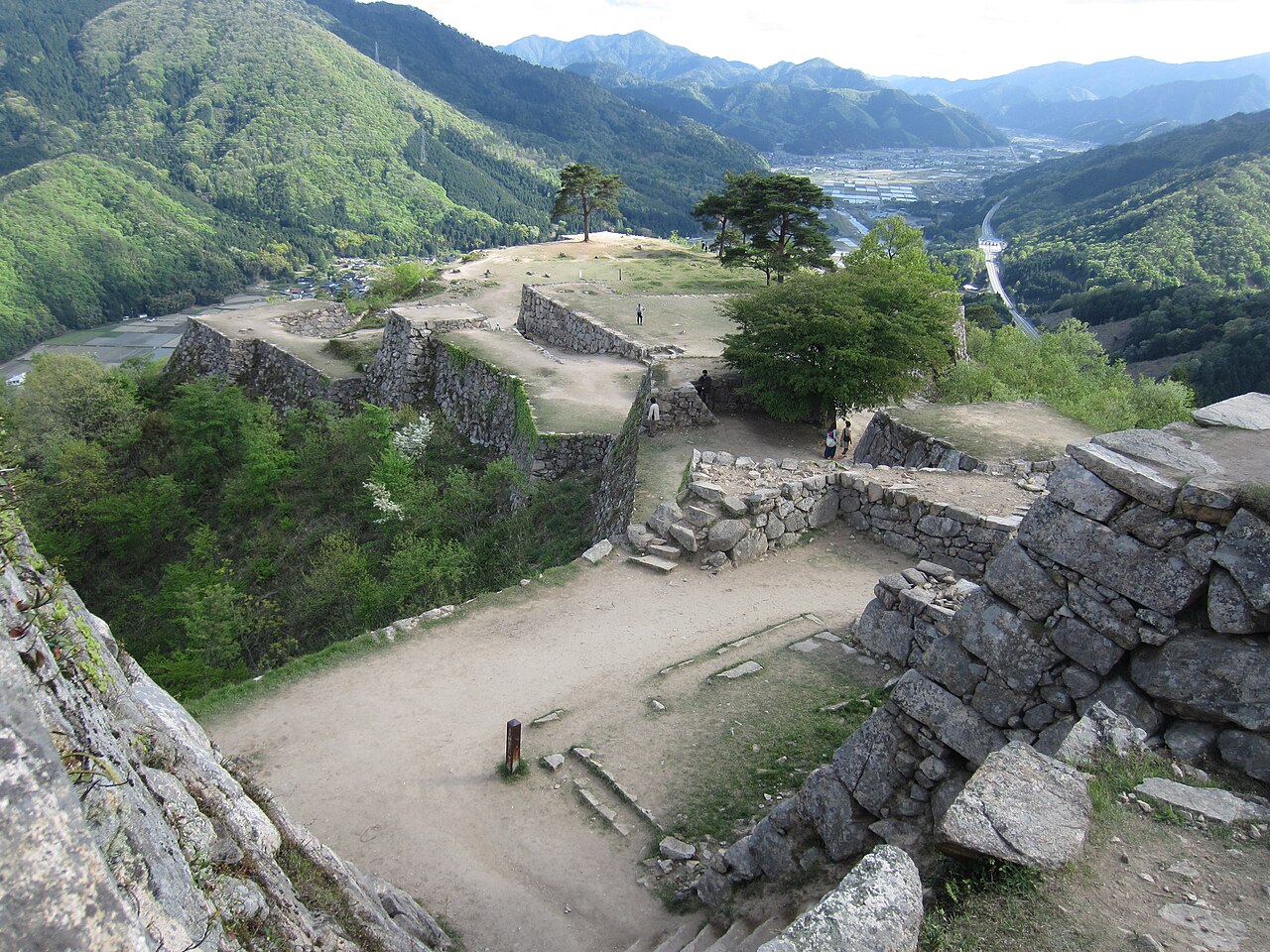
Wakasa Oniga Castle (若桜鬼ヶ城, Wakasa Oniga-jō) is a significant example of a Sengoku period mountain-top castle located in the present-day town of Wakasa, within Tottori Prefecture in Japan's San'in region. Built in the 12th century, this castle was strategically positioned to oversee and control the surrounding mountainous terrain, a common defensive tactic during Japan's High Medieval period.

Historical context and strategic importance

Constructed during the High Medieval period, Wakasa Oniga Castle played a role in the turbulent Sengoku era, a time marked by constant military conflict and shifting alliances among regional warlords. The castle's location on a mountain provided natural fortification, making it difficult for enemies to mount successful sieges. It served as a military stronghold and a symbol of power for the local ruling clan.

Architectural features and layout

As a mountain castle (yamajiro), Wakasa Oniga Castle utilized the natural topography to enhance its defenses. The castle complex was likely composed of multiple terraced baileys (kuruwa) carved into the hillside, connected by narrow paths and fortified with wooden palisades and stone walls where terrain permitted. Defensive features would have included watchtowers positioned to maximize visibility over the surrounding valleys and approach routes.

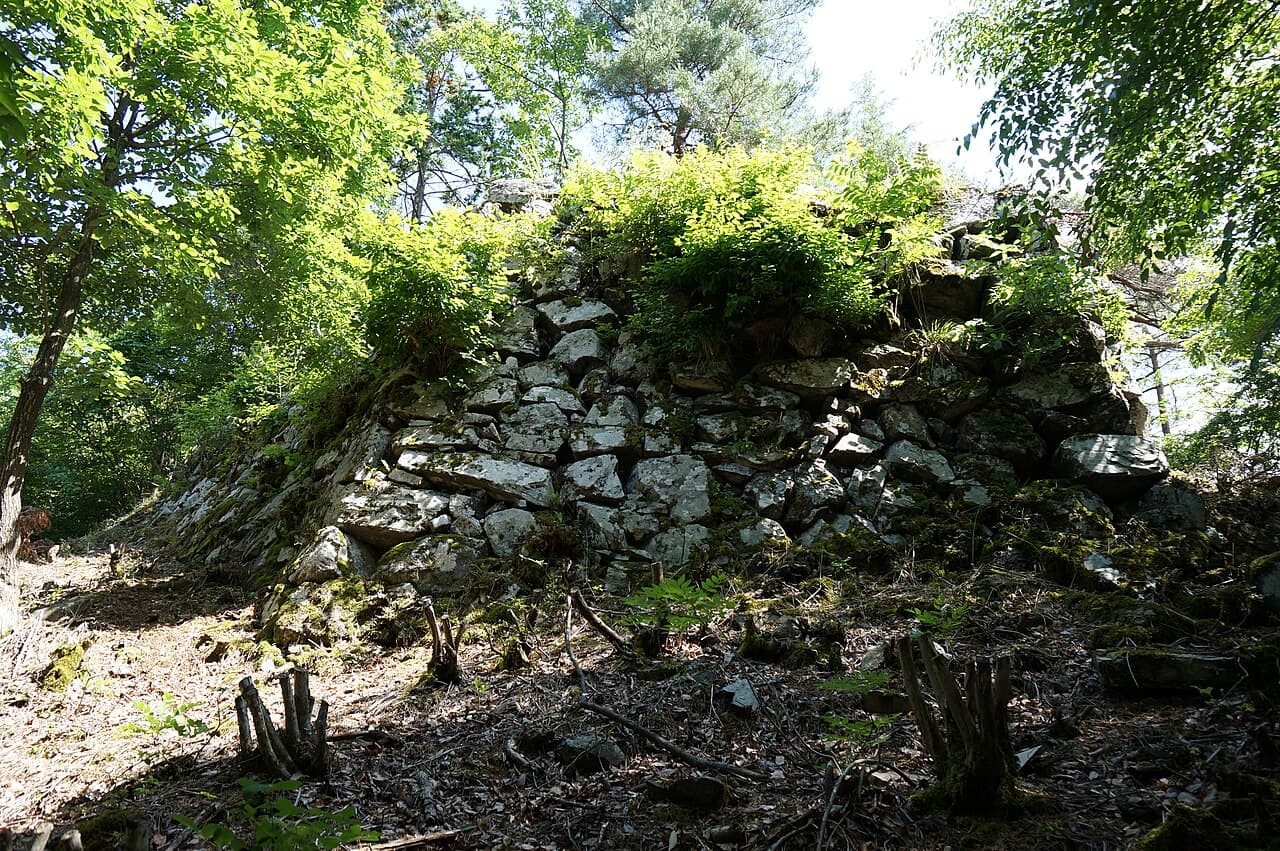
The castle's design would have emphasized steep slopes and natural barriers, limiting enemy movement and providing strategic vantage points for archers and lookouts. While much of the original wooden structures have not survived, archaeological excavations have revealed foundations and remnants of stonework that hint at the castle's former complexity.

Decline and current state

Following the end of the Sengoku period and the unification of Japan under the Tokugawa shogunate, many mountain castles like Wakasa Oniga lost their military relevance. The castle eventually fell into disuse and ruin. Today, the site is classified as archaeological ruins and is protected as a National Historic Site since 2008.

Visitors to the site can explore the remains of the castle's earthworks and stone foundations, which offer insights into medieval Japanese military architecture and the strategic use of mountainous terrain in castle construction. The ruins also provide a scenic hiking experience amid the natural beauty of the San'in region.

Cultural significance and preservation

Designated a National Historic Site, Wakasa Oniga Castle is recognized for its historical and cultural value as a representative example of mountain-top fortifications from the Sengoku period. Preservation efforts focus on maintaining the site's integrity and facilitating educational opportunities for visitors interested in Japan's feudal history and castle architecture.

The castle ruins contribute to the understanding of regional power dynamics during the High Medieval period and exemplify the adaptation of fortification techniques to challenging natural landscapes.

Frequently asked questions (FAQ)

How do I get to Wakasa Oniga Castle?
Wakasa Oniga Castle is accessible by public transportation from major cities in Japan. You can take a train to Wakasa Station and then a short bus ride or taxi to the castle. It's advisable to check local transit schedules for the most convenient routes.
What is the historical significance of Wakasa Oniga Castle?
Wakasa Oniga Castle, built in the 16th century, served as a strategic military stronghold during the Warring States period in Japan. It played a crucial role in the region's defense and political power struggles. Today, it stands as a testament to Japan's feudal history and architectural heritage.
When was Wakasa Oniga Castle built?
Wakasa Oniga Castle was constructed in 1575 under the orders of the feudal lord, Asakura Yoshikage. The castle has undergone various renovations over the centuries, reflecting the architectural styles of different periods. Its historical layers make it a fascinating site for visitors interested in Japanese history.
Can I explore the interior of Wakasa Oniga Castle?
Currently, the interior of Wakasa Oniga Castle is not open to the public as it primarily serves as a historical site with outdoor exhibits. Visitors can enjoy the beautiful grounds and the surrounding scenery. Guided tours are available, providing insights into the castle's history and architecture.
Why is Wakasa Oniga Castle popular among tourists?
Wakasa Oniga Castle is popular for its stunning views and rich cultural history. The castle's scenic location atop a hill offers breathtaking panoramas of the surrounding landscape. Additionally, its historical significance and well-preserved architecture attract history enthusiasts and photographers alike.
Is it possible to visit Wakasa Oniga Castle year-round?
Yes, Wakasa Oniga Castle is open to visitors year-round, although hours may vary by season. It's recommended to check the official website or contact the visitor center for specific opening hours. Visiting in spring or autumn allows you to enjoy the beautiful cherry blossoms or fall foliage.
What are the ticket prices for visiting Wakasa Oniga Castle?
Admission to Wakasa Oniga Castle is typically free, but special events or guided tours may have associated fees. It's best to confirm current prices through the castle's official website before your visit. Discounts for groups or students may also be available.
What is the best time to visit Wakasa Oniga Castle?
The best time to visit Wakasa Oniga Castle is during spring (March to May) and autumn (September to November) when the weather is mild and the scenery is particularly beautiful. During these seasons, visitors can also experience seasonal festivals and events. Summer can be hot, while winter may bring snow, affecting accessibility.
Are there any nearby attractions to explore while visiting Wakasa Oniga Castle?
Yes, nearby attractions include the Wakasa History Museum and the scenic Wakasa Beach, both of which offer additional cultural insights and leisure activities. Additionally, visitors can explore local shops and restaurants that highlight regional cuisine, making for a well-rounded travel experience.

Photo gallery

Wakasa Oniga Castle
Click to view

Photo by Reggaeman•CC BY-SA 3.0

1 photo • Click any image to view in full screen

Information

Archaeological Site / Ruins

Current owner

Municipality

Loading map...

Visitor reviews

No reviews yet. Been here? Write the first review and help other travelers!

Write the first review

Visited this castle? Share your experience

Your review helps other travelers and adds first-hand knowledge to our encyclopedia.
Write a review

(5/5)

0/2000 characters

Your review will be visible after admin approval

Nearby castles

23.8 km
Tottori Castle — Japan castle

Tottori Castle

Tottori, Japan

Tottori Castle, located in Tottori, Japan, is a remarkable example of a hirayamajiro or hill-and-plain castle, renowned for its impressive stone fortifications and rich history dating back to the 16th century. Built initially in 1532 by Yamana Nobumichi, the castle played a significant role during Japan's turbulent Sengoku period and is especially famous for the prolonged siege it endured in 1581. Historical background and significance The castle's origins trace back to the early 16th century, when Yamana Nobumichi established the fortress as a strategic stronghold in the Tottori region. Its location on a hill provided natural defensive advantages, allowing control over the surrounding plains and trade routes. The most notable event in its history was the 1581 siege led by Toyotomi Hideyoshi, a pivotal figure in Japan's unification. The siege lasted approximately 200 days, marking one of the longest and most grueling sieges of the period. During the siege, the castle's lord, Kikkawa Tsuneie, held out valiantly but ultimately surrendered after supplies were exhausted. The terms of surrender ensured the safety of his soldiers, reflecting the chivalrous conduct sometimes observed in Sengoku warfare. Following the siege, the castle came under the control of Miyabe Keijun, who was later replaced by Ikeda Nagayoshi after the Battle of Sekigahara in 1600, a decisive conflict that shaped Japan's political landscape. Architectural features and design Stone ramparts (ishigaki) Tottori Castle is celebrated for its magnificent ishigaki, or stone ramparts, which are among the most impressive in Japan. These massive stone walls are found both at the base of the castle and on the summit, visible from miles away. The ramparts were expertly constructed to withstand sieges and natural disasters, showcasing advanced masonry techniques of the period. One of the castle's most distinctive features is the Tenkyū ishigaki, a spherical-shaped stone rampart unique in Japanese castle architecture. This rare design element not only served a defensive purpose but also demonstrated the ingenuity and craftsmanship of the builders. The stone walls around the honmaru (main bailey) and the tenshudai (donjon platform) further emphasize the castle's formidable defensive capabilities. Layout and defensive elements The castle's layout takes advantage of the natural terrain, combining hilltop fortifications with plains defenses, typical of a hirayamajiro. The moat surrounding the castle added an additional layer of protection, making direct assaults challenging. The main gate has been reconstructed in modern times, reflecting the castle's historical appearance and providing visitors with an authentic experience. Later developments and preservation After the Battle of Sekigahara, Ikeda Nagayoshi undertook significant expansions and rebuilding efforts, enhancing the castle's structures and fortifications. The castle remained an important regional seat through the Edo period, although its military significance declined with the advent of modern warfare. In the Meiji period, a conspicuous western-style house was built at the foot of the castle by aristocrats, notable for being the first building in Tottori to have electric lighting. This building now serves as a museum, adding cultural value to the site. Today, Tottori Castle stands as a partially preserved ruin, attracting visitors who appreciate its historic stone walls and panoramic views. The trek to the summit, while challenging, rewards visitors with stunning vistas and a close look at the castle's unique architectural features. Visiting Tottori Castle Visitors to Tottori Castle can explore the extensive stone ramparts and enjoy the spectacular views from the summit. The castle grounds offer a glimpse into Japan's feudal past and the architectural ingenuity of its builders. The museum housed in the western-style building provides additional historical context and exhibits related to the castle and the region. The castle's main gate reconstruction and well-maintained paths make it accessible, though the climb to the top requires a moderate level of fitness. The site is ideal for history enthusiasts, architecture lovers, and those interested in Japan's samurai heritage. Legacy and cultural importance Tottori Castle remains a symbol of resilience and strategic military design in Japan's history. Its unique Tenkyū ishigaki and extensive stone fortifications are celebrated examples of castle architecture from the Sengoku period. The castle's story, including the famed siege by Hideyoshi, continues to captivate historians and visitors alike, making it a vital cultural landmark in the Tottori region.

Late Medieval (14th–15th c.)
Details
39.3 km
Takeda Castle — Japan castle

Takeda Castle

Asago, Japan

Takeda Castle stands as a remarkable example of a late medieval hill castle in Japan, renowned for its breathtaking ruins perched atop a mountain in Asago, Hyogo Prefecture. Built in 1441 by Ohtagaki Mitsukage, a retainer of the powerful Yamana clan, the castle was strategically positioned to guard the border between the Harima/Tanba and Tajima regions. Its location atop a mountain ridge provided a natural defensive advantage, overseeing the surrounding valleys and controlling vital routes between these feudal domains. Historical context and strategic significance The castle was constructed during a period of intense regional conflict in Japan's late medieval era, serving as a stronghold for the Izushi domain. Ohtagaki Mitsukage, who commanded the military forces of the Yamana clan for five generations, became the lord of Takeda Castle, solidifying its role as a critical military and administrative center. The castle's primary function was to defend against incursions and maintain control over the contested borderlands. In 1577, Takeda Castle was seized by Toyotomi Hideyoshi during his campaign to unify the region. Hideyoshi entrusted the castle to his younger brother, Hidenaga, although Hidenaga relocated to Izushi within two years, reflecting the shifting political landscape of the time. Subsequently, in 1585, the castle came under the lordship of Akamatsu Hirohide, who undertook significant renovations to strengthen its defenses, especially to secure the nearby Ikuno silver mines, an important economic asset. Architectural features and construction Takeda Castle is celebrated for its extensive and well-preserved stone walls, which date primarily from Akamatsu Hirohide's renovations in the late 16th century. These walls are remarkable for their size and the skill required to build them on the rugged mountain terrain. The castle's layout includes multiple baileys, terraces, and defensive structures that take full advantage of the natural topography. The castle's design incorporates traditional Japanese fortification elements such as curved stone walls, watchtowers, and gates strategically placed to control access and provide vantage points for surveillance. The ruins reveal the castle's former complexity, with remnants of residential quarters, administrative buildings, and defensive works. Defensive landscape and surrounding features The castle's elevated position offers commanding views over the surrounding valleys, which was essential for early warning and defense. At the foot of the mountain, several temples and shrines were established, serving dual roles as spiritual centers and part of the castle's defensive network. These religious complexes feature walls resembling castle fortifications, further enhancing the site's security. Across the valley lies Ritsuunkyo Park, a popular vantage point offering panoramic views of the castle ruins, famously known as the "castle in the clouds" due to the frequent mist that envelops the mountain. This scenic beauty has contributed to the castle's popularity among visitors and photographers. Decline and preservation challenges Following Akamatsu Hirohide's participation in the Battle of Sekigahara in 1600, where he fought for the Western Forces, he was accused of setting fire to the castle town. Subsequently, Hirohide committed seppuku, and Takeda Castle was abandoned, marking the end of its active military use. Today, Takeda Castle remains in a state of ruins, yet it is one of Japan's most celebrated historic sites. The extensive stone walls and the castle's dramatic mountaintop setting continue to attract visitors. However, the site has faced significant preservation challenges due to increased tourism. The surge in visitors, especially after media exposure highlighting its ethereal "castle in the clouds" appearance, has led to soil erosion and damage to the stone walls. To mitigate these effects, authorities have restricted access to certain trails and areas within the castle grounds. Some original hiking paths have been closed or limited to protect the fragile environment. Visitors are now required to stay on designated paths, and some sections such as the Hanayashiki Bailey remain closed to prevent further deterioration. Visitor experience and access Visitors to Takeda Castle are encouraged to allocate at least 90 minutes to explore the ruins and take in the spectacular views. The site is accessible via limited train services to nearby stations, followed by a hike up the mountain. The experience is enhanced by the presence of nearby temples and the scenic Ritsuunkyo Park, which offers alternative perspectives of the castle. The castle is particularly popular during late autumn and winter when the foliage and weather conditions enhance visibility of the stonework and the surrounding landscape. Due to its popularity and conservation measures, visitors should plan their trips carefully and respect the site's preservation rules. Cultural significance and legacy Takeda Castle holds a unique place in Japanese cultural heritage as a symbol of feudal military architecture and regional history. Its ruins evoke the turbulent era of Japan's Sengoku period and the strategic importance of mountain castles in controlling territory and resources. The castle's evocative ruins and stunning natural setting have inspired numerous photographers and artists, contributing to its reputation as the "Machu Picchu of Japan." Its preservation efforts reflect a broader commitment to protecting Japan's historic sites while balancing the demands of tourism and conservation.

Late Medieval (14th–15th c.)
Details
45.3 km
Izushi Castle — Japan castle

Izushi Castle

Izushi, Japan

Izushi Castle (出石城, Izushi-jō) is a prominent hill castle located in Izushi, within Hyōgo Prefecture, Japan. Built in the early 17th century during the Edo period, this castle is a notable example of Japanese castle architecture adapted to a hilltop setting, known as a hirayamajiro, which combines the defensive advantages of elevated terrain with accessibility to surrounding plains. Historical background and construction Izushi Castle was originally constructed in the early 1600s under the direction of the Koide family, who were granted control of the region following the establishment of the Tokugawa shogunate. The castle served as the administrative center of the Izushi Domain throughout the Edo period. Its strategic location on a hill allowed it to oversee the surrounding area effectively, providing both military defense and governance capabilities. The castle’s design reflects the typical features of Japanese castles built during the early Edo period, emphasizing strong stone foundations, wooden structures, and multiple baileys. Although the main keep (tenshu) was destroyed in the late 19th century during the Meiji Restoration, several stone walls, gates, and moats remain, preserving the castle's original layout. Architectural features and layout Izushi Castle was constructed as a hill castle with a central bailey (honmaru) atop the hill, surrounded by secondary baileys (ninomaru and sannomaru) arranged in concentric layers. The castle complex was protected by robust stone walls and moats, which were designed to impede attackers and provide defensive advantages. One of the castle’s most striking features is its well-preserved stone walls, which display the craftsmanship of Edo-period masons. The walls were built using large, carefully fitted stones without mortar, a technique known as nozura-zumi. The castle gates, including the main gate (ōtemon), were fortified with heavy wooden doors and iron fittings. Though the original tenshu (main keep) no longer stands, the castle grounds include reconstructed structures such as turrets (yagura) and gates, which provide visitors with a sense of the castle’s former grandeur. The surrounding town of Izushi retains much of the castle town layout, with traditional streets and buildings that reflect the Edo period urban planning. The castle town and cultural significance Izushi Castle’s location gave rise to the development of a distinctive castle town (jōkamachi) that served as a hub for commerce, administration, and culture during the Edo period. The town is known for its historic streets, samurai residences, and traditional crafts. Today, Izushi is famous for its well-preserved castle town atmosphere, including the remains of the castle’s stone walls and moats integrated into the urban landscape. The town hosts festivals and events that celebrate its samurai heritage and castle history, attracting tourists interested in Japanese history and architecture. Preservation and tourism While Izushi Castle no longer retains its original main keep, it is classified as a hill castle with partially preserved stone walls and other defensive features. The site is maintained as a cultural heritage location, with efforts to preserve and restore remaining structures and the castle town environment. Visitors to Izushi Castle can explore the castle grounds, walk along the stone walls and moats, and visit reconstructed gates and turrets. The nearby Izushi town offers museums and cultural sites that provide deeper insights into the castle’s history and the Edo period lifestyle. Izushi Castle remains an important historical site that illustrates the architectural and cultural characteristics of early Edo period hill castles in Japan.

Renaissance (15th–17th c.)
Details