Vozmediano Castle
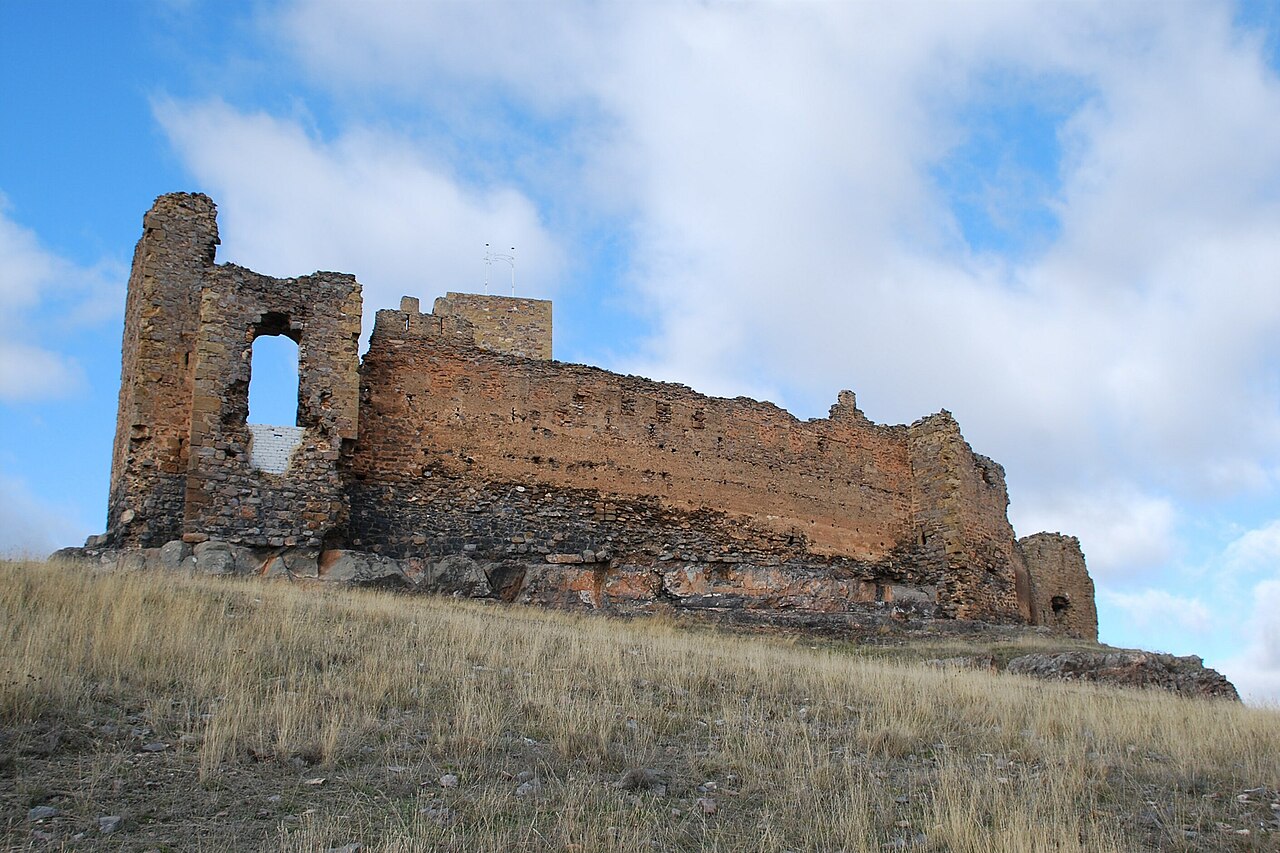
Vozmediano Castle stands as a significant 14th-century late medieval fortress located on commanding hills near the border with Aragon in Spain. This castle exemplifies a layered history of military architecture, showcasing elements from the Roman period, Muslim era, and medieval fortifications. Its strategic position atop elevated terrain allowed it to control important routes and oversee the surrounding landscape, including the nearby source of the Queiles River at the foothills of Mount Moncayo.
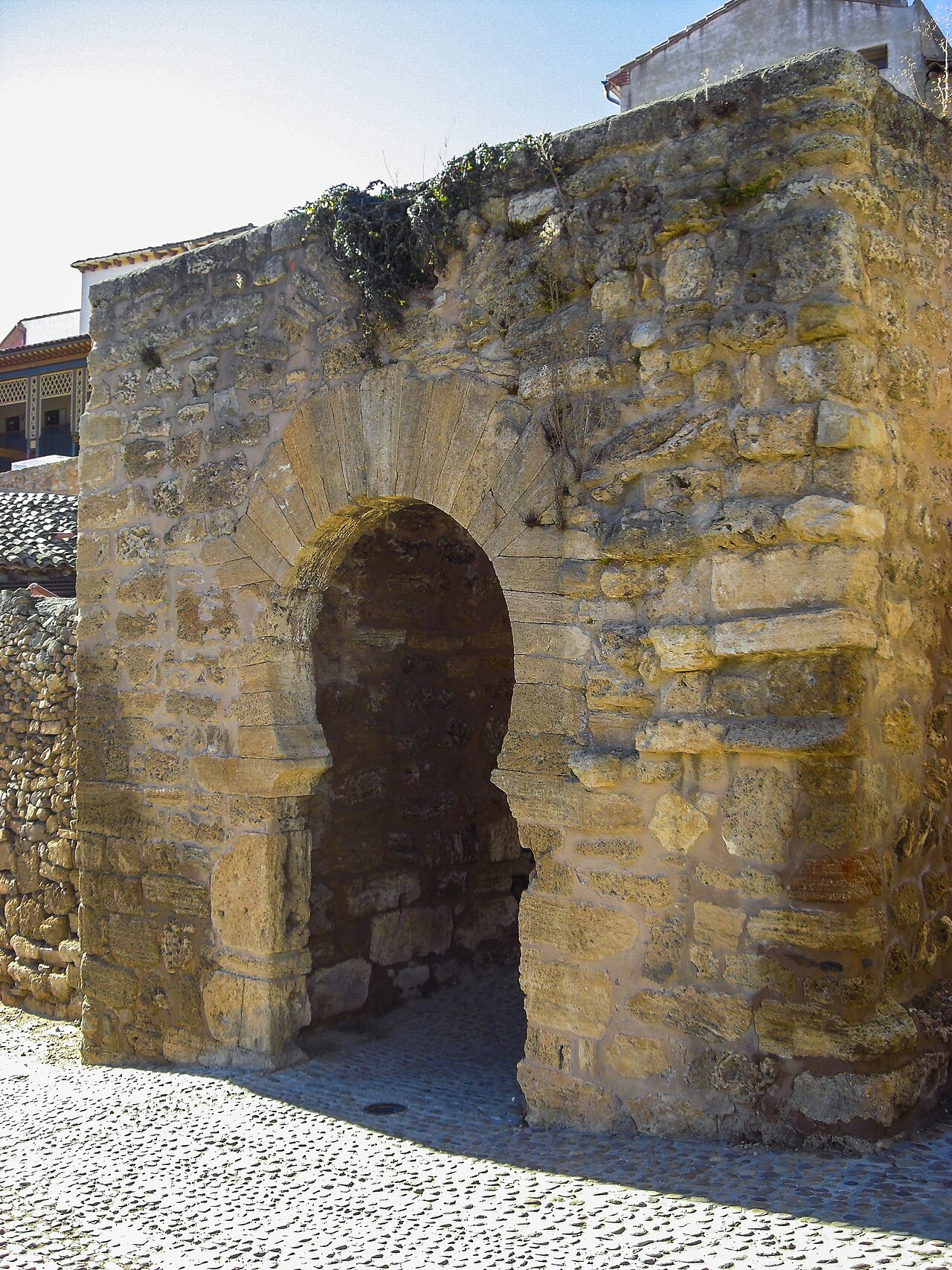
The castle's complex construction reflects its evolution through various historical periods. The outer perimeter features Roman surrounding walls, indicating the site's long-standing defensive use. These ancient walls were later supplemented by a Muslim watchtower, a remnant of the Islamic presence in the Iberian Peninsula before the Christian reconquest. The main fortifications visible today are predominantly late medieval, characterized by battlement hexes and robust stone walls.
Architectural features and layout
The castle was originally constructed with a double walled enclosure, a common defensive strategy in medieval fortifications designed to provide multiple layers of protection. The outer walls were notably reinforced at vulnerable points. One corner is dominated by a large quadrangular tower that also served as the main access gate, highlighting its dual role in defense and controlled entry. The opposite corner features a circular tower, which was a later addition, likely built to adapt to evolving military technology and siege tactics.
Along the walls, a quadrangular tower positioned centrally acted as an abutment, providing structural support and a vantage point for defenders. Apart from these towers, the remaining sections of the outer wall are considerably thinner, indicating a focus on fortifying key defensive points rather than uniform wall thickness.
The inner enclosure of the castle retains the original keep or donjon, the strongest and most secure part of the fortress where the lord or commander would reside. This inner area is currently repurposed as the village cemetery, a common fate for many castles that have lost their military function but remain integral to local communities.
Historical significance and context
Vozmediano Castle's location near the Aragon border made it a strategic military site during the late medieval period. The castle's layered architecture reflects the turbulent history of the region, which saw shifting control between Christian and Muslim forces during the Reconquista. The presence of Roman walls beneath later structures indicates the site's long-term importance for regional defense and control.
The castle is culturally significant as well. The Marqués de Santillana, a notable 15th-century Spanish poet and nobleman, dedicated verses to the area surrounding the castle, emphasizing its connection to the natural landscape and the Queiles River source. This literary association adds a dimension of cultural heritage to the castle beyond its military role.
Current condition and preservation
Today, Vozmediano Castle is classified as ruins. While much of its structure has deteriorated over time, key elements such as the quadrangular towers, sections of the medieval walls, and the keep remain discernible. The castle's ruins offer valuable insights into medieval military architecture and the historical layering of defensive structures in northern Spain.
The castle's use as a cemetery within the inner enclosure has contributed to its preservation in a unique way, maintaining the site as a place of local significance and continuous use. However, the overall fragile state of the ruins means that conservation efforts are important to prevent further decay and to protect this historical monument.
Architectural influences and styles
The architectural styles present at Vozmediano Castle reflect the diverse cultural influences that shaped the Iberian Peninsula. The Roman walls represent ancient engineering techniques with their robust stone masonry. The Muslim watchtower is a testament to Islamic military architecture, often characterized by strategic placement and functional design.
The predominant style of the castle is late medieval, evident in the battlement designs and tower forms. The use of quadrangular and circular towers reflects evolving defensive needs, with circular towers offering better resistance to siege engines and projectiles compared to square ones.
Visiting Vozmediano Castle
Visitors to Vozmediano Castle can explore the ruins and appreciate the historical layering of the site. The castle's elevated position offers scenic views of the surrounding landscape, including the foothills of Mount Moncayo and the source of the Queiles River. While the site is primarily in ruins, its historical significance and architectural remnants make it an interesting destination for those interested in medieval military architecture and Spanish history.
As the inner keep area serves as a cemetery, visitors should be respectful of this ongoing cultural use. Information about visiting hours and access may be available locally, and the site is often appreciated for its quiet atmosphere and historical ambiance.
Frequently asked questions (FAQ)
- What is the historical significance of Vozmediano Castle?
- Vozmediano Castle, situated in Spain, has a rich history that dates back to the medieval period. It served as a strategic stronghold during various conflicts, reflecting the architectural and military advancements of its time.
- When was Vozmediano Castle built?
- Vozmediano Castle was constructed in the 12th century, making it an important example of medieval military architecture. Its design showcases the defensive needs of the era, with thick walls and a commanding view of the surrounding landscape.
- What are the opening hours for Vozmediano Castle?
- Vozmediano Castle is open to visitors from 10 AM to 6 PM daily, with extended hours during the summer months. It's advisable to check the official website for any seasonal changes or special events affecting opening times.
- Can I take guided tours of Vozmediano Castle?
- Yes, guided tours are available at Vozmediano Castle, offering visitors a deeper insight into its history and architecture. Tours are typically conducted in Spanish, but English-speaking guides can be arranged upon request.
- Is Vozmediano Castle accessible for people with disabilities?
- Vozmediano Castle has made efforts to improve accessibility for all visitors. However, due to its historical nature, some areas may still pose challenges, so it is recommended to contact the castle management in advance for specific accessibility information.
- What is the best time to visit Vozmediano Castle?
- The best time to visit Vozmediano Castle is during the spring and fall when the weather is mild and the tourist crowds are smaller. Visiting in these seasons allows for a more enjoyable experience while exploring the castle and its surroundings.
- Are there any nearby attractions to Vozmediano Castle?
- Yes, there are several nearby attractions, including beautiful hiking trails and quaint villages that showcase the local culture. The stunning landscapes around the castle also provide great opportunities for photography and outdoor activities.
- How much do tickets cost for Vozmediano Castle?
- Ticket prices for Vozmediano Castle are generally affordable, with discounts available for students and seniors. It's best to check the official website for the most up-to-date pricing information and any special promotions that may be offered.
Loading map...
Visitor reviews
No reviews yet. Been here? Write the first review and help other travelers!
Write the first reviewVisited this castle? Share your experience
Your review helps other travelers and adds first-hand knowledge to our encyclopedia.