Baghaberd
Baghaberd fortress is a significant early medieval hill castle located in the Syunik region of modern-day Armenia, near the village of Andokavan. Constructed in the 4th century, it served as a formidable military stronghold throughout the history of the Kingdom of Syunik until its capture in 1170. The fortress was a crucial component of the military-strategic defense system protecting the capital city of Kapan, the heart of the kingdom during the period from 970 to 1170. Its strategic location atop a hill provided commanding views of the surrounding terrain, making it nearly impregnable and a vital bastion against invasions.
Historical significance and strategic role
Baghaberd played a central role in the defense network of the Syunik province, one of the key regions of Greater Armenia. The fortress is referenced by multiple historical figures and chroniclers, including Shapuh Bagratuni in the 9th century, Hovhannes Draskhanakerttsi in the 10th century, and several 13th-century historians such as Vardan Areveltsi, Mkhitar Ayrivanetsi, and Stepanos Orbelian. These sources highlight Baghaberd’s importance as a military and administrative center.
Throughout its history, the fortress withstood numerous sieges and served as a refuge for the local population during times of conflict. Its capture in 1170 marked a significant turning point in the region’s political landscape, coinciding with the decline of the Kingdom of Syunik and the rise of new powers in the South Caucasus.
Architectural features and layout
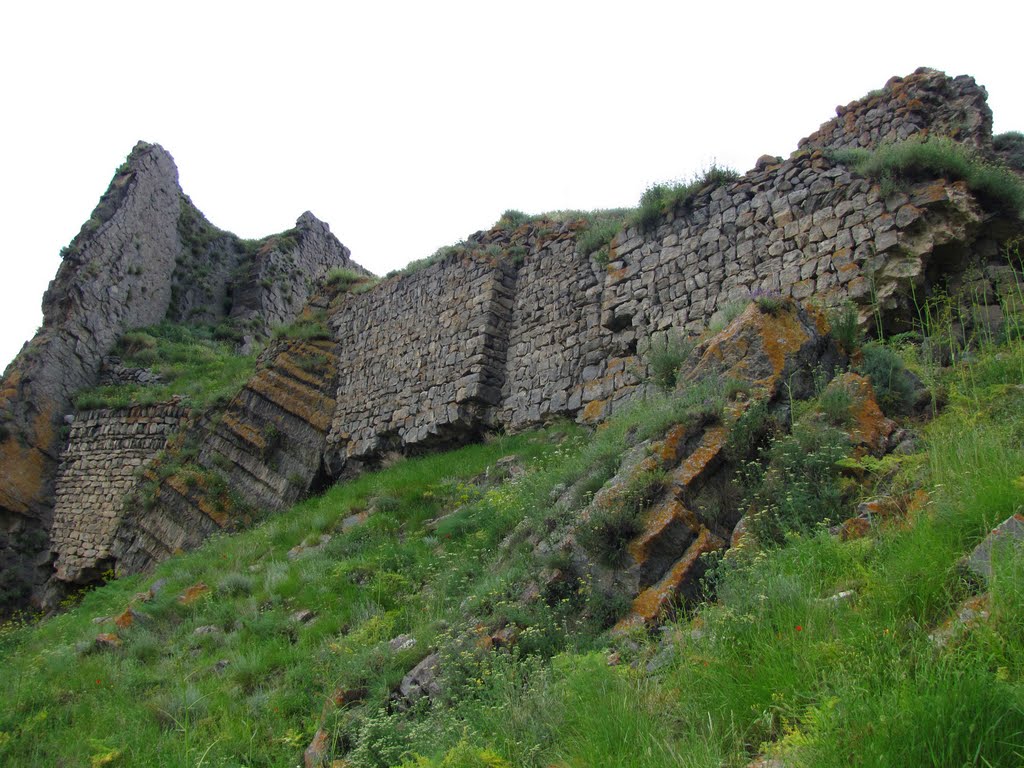
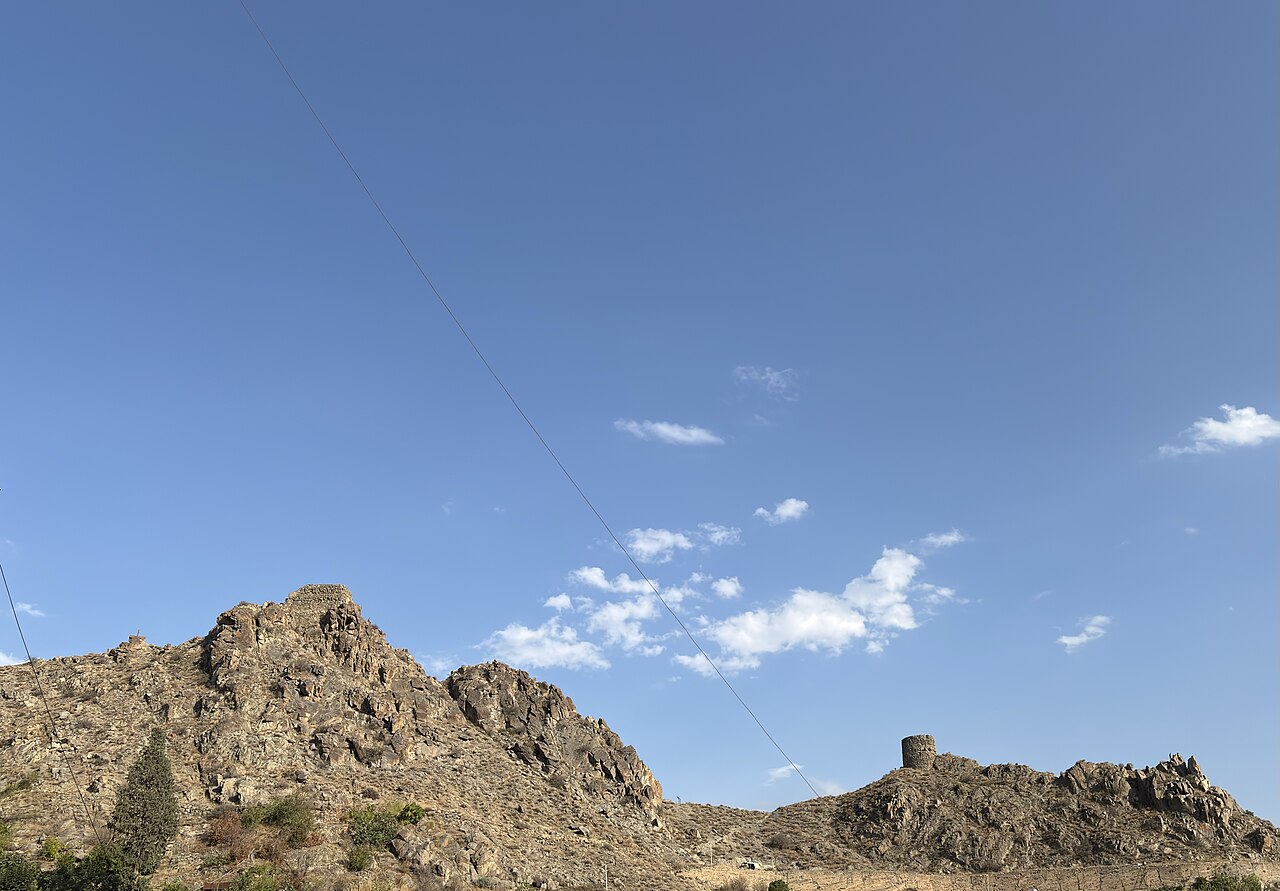
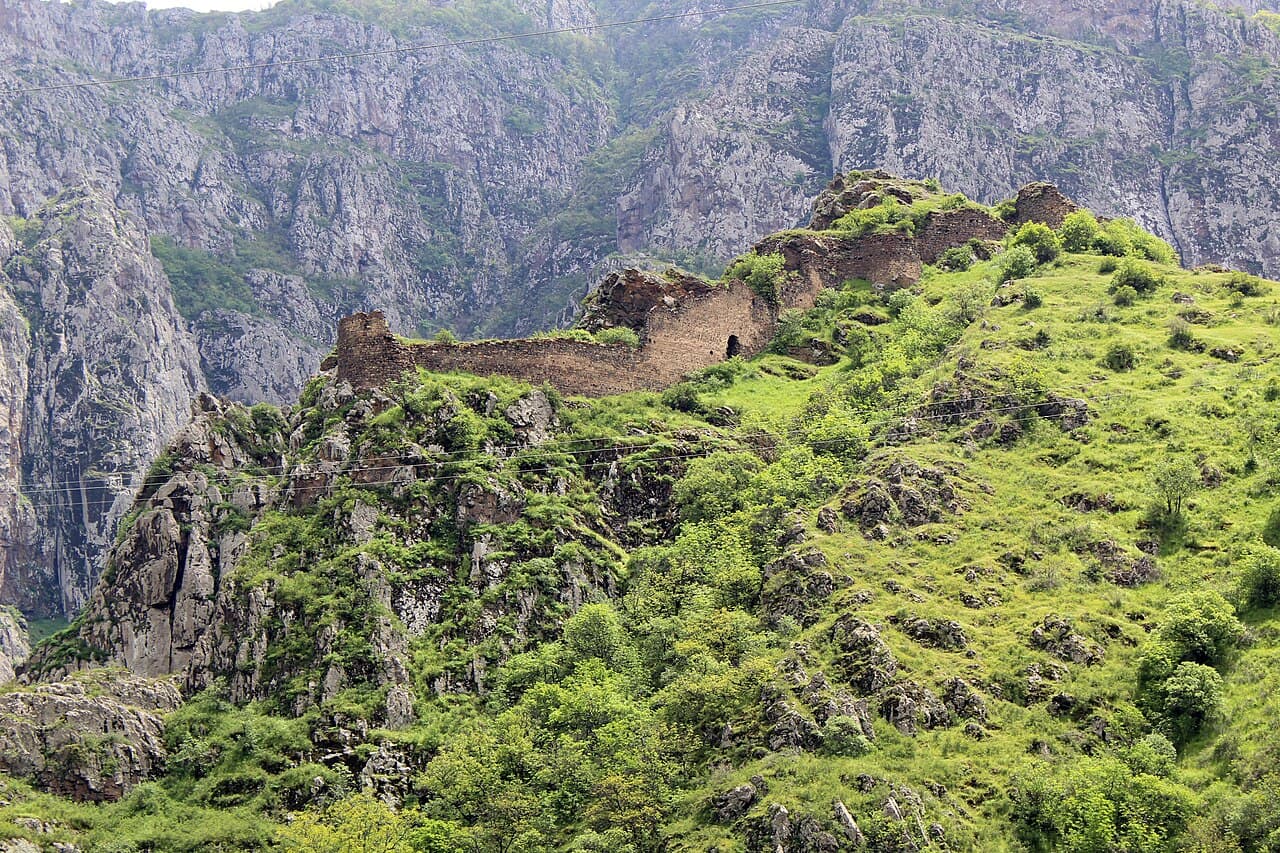
As a hill castle, Baghaberd’s architecture was designed to maximize natural defensive advantages. The fortress is situated on a rocky outcrop, surrounded by steep cliffs on several sides, which naturally limited access and made direct assaults difficult. The walls were constructed with local stone, featuring thick ramparts and battlements that provided protection for defenders.
The fortress complex included multiple defensive layers, such as curtain walls, towers, and fortified gates. The design incorporated watchtowers positioned to provide overlapping fields of vision, enabling early detection of approaching enemies. Inside the walls, there were residential quarters, armories, and storage facilities to sustain prolonged sieges.
Defensive innovations
Baghaberd’s builders took advantage of the natural terrain to enhance its defenses, integrating the rocky landscape into the fortress walls. The use of steep slopes and funneled attackers into vulnerable positions. Additionally, the fortress likely featured moats or ditches carved into the rock to further deter enemy advances.
Cultural and historical context
The fortress’s role as a military stronghold was intertwined with the political and cultural identity of the Kingdom of Syunik. During the medieval period, Syunik was a semi-independent Armenian principality that maintained its autonomy amid larger regional empires. Baghaberd symbolized the resilience and strategic acumen of the Syunik rulers.
Its historical mentions across centuries by Armenian historians underscore its enduring importance. The fortress also served as a center for local governance and a symbol of authority in the region.
Current condition and preservation
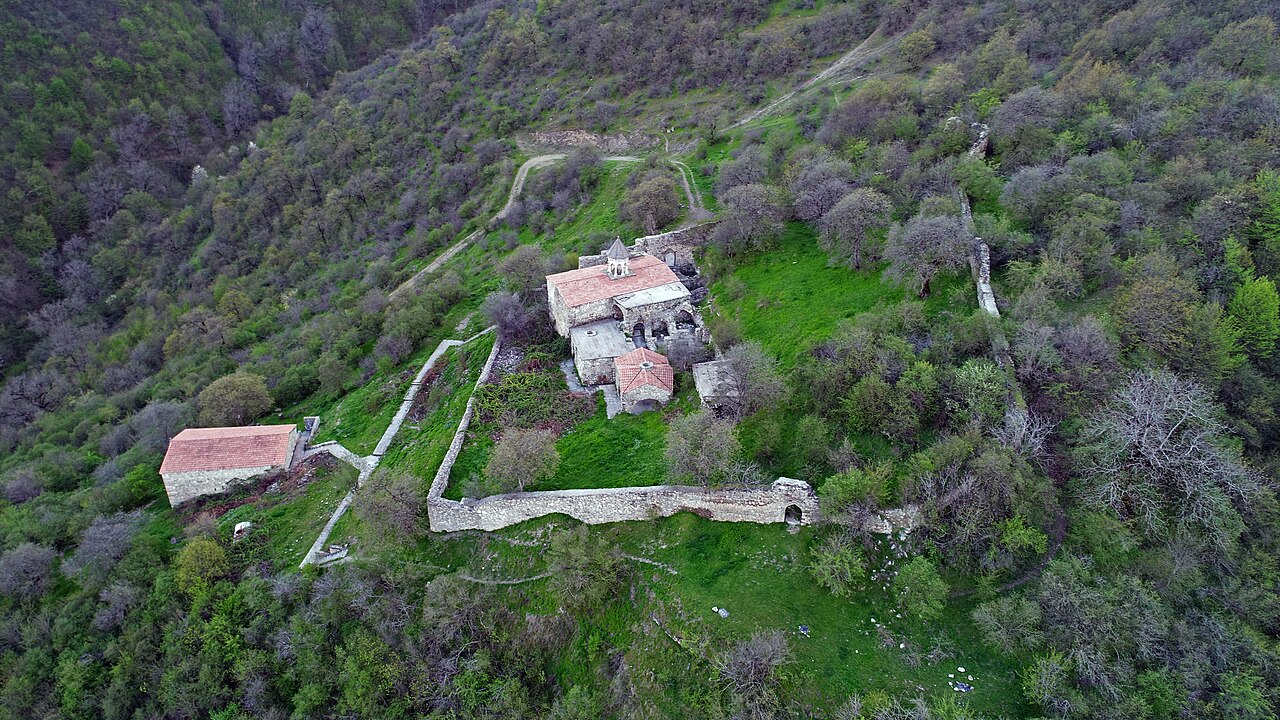
Today, Baghaberd stands as partially preserved ruins that attract historians, archaeologists, and visitors interested in Armenia’s medieval heritage. The fortress’s remains include sections of the original walls, towers, and foundations, offering valuable insights into early medieval Armenian military architecture.
Preservation efforts focus on stabilizing the ruins and facilitating access for educational and tourism purposes. The site’s location in the Syunik region makes it accessible for visitors exploring Armenia’s rich historical landscape.
Visiting Baghaberd fortress
Visitors to Baghaberd can explore the rugged terrain and witness the impressive remnants of this 4th-century fortress. The site offers panoramic views of the surrounding valleys and mountains, providing a tangible connection to Armenia’s medieval past.
Due to its hilltop position, reaching the fortress requires a moderate hike, and visitors are advised to wear suitable footwear and prepare for uneven paths. The site is open year-round, with the best visiting seasons being late spring through early autumn when weather conditions are favorable.
Frequently asked questions (FAQ)
- What is the historical significance of Baghaberd Castle?
- Baghaberd Castle is an important historical site in Armenia, known for its strategic location and architectural features dating back to the medieval period. It served as a fortress that played a key role in the region's defense against invasions and is a testament to the rich history of Armenian fortifications.
- When was Baghaberd Castle built?
- Baghaberd Castle was constructed in the 9th century during the time of the Bagratid Kingdom, a significant period in Armenian history. The castle has undergone various renovations and restorations, reflecting the architectural styles of different eras.
- Can I visit Baghaberd Castle?
- Yes, Baghaberd Castle is accessible to visitors year-round. However, it is recommended to check local guidelines and any potential restrictions before planning your visit to ensure a smooth experience.
- What are the opening hours for Baghaberd Castle?
- Baghaberd Castle is generally open to visitors from sunrise to sunset. Specific opening hours may vary by season, so it is advisable to verify the current times before your visit.
- Is it possible to explore the castle grounds independently?
- Yes, visitors can explore the castle grounds independently, allowing for a personal experience of its historical architecture and stunning views. Guided tours may also be available for those who prefer a more informative experience.
- What is the best time to visit Baghaberd Castle?
- The best time to visit Baghaberd Castle is during the spring and early autumn months when the weather is mild and the surrounding landscape is lush. This allows for comfortable exploration and photography opportunities.
- Are there any nearby attractions to visit along with Baghaberd Castle?
- Yes, visitors can explore other nearby attractions such as the ancient monasteries of Haghpat and Sanahin, both UNESCO World Heritage sites. Additionally, the beautiful landscapes of the surrounding region offer opportunities for hiking and nature walks.
- What are the ticket prices for visiting Baghaberd Castle?
- There is typically no entrance fee to visit Baghaberd Castle, making it a budget-friendly option for travelers. However, donations for preservation efforts are often appreciated.
- How do I get to Baghaberd Castle?
- Baghaberd Castle can be reached by car or public transport from nearby towns. It is located a short distance from the main roads, and a little hiking may be required to reach the castle itself.
Photo gallery

Information
Loading map...
Visitor reviews
No reviews yet. Been here? Write the first review and help other travelers!
Write the first reviewVisited this castle? Share your experience
Your review helps other travelers and adds first-hand knowledge to our encyclopedia.