Visoki Castle
Visoki Castle, also known as the Old Town of Visoki, is a significant medieval bastioned fortress located on Visočica hill at an elevation of 213 meters, overlooking the town of Visoko in Bosnia and Herzegovina. Constructed in the 14th century, this castle was a royal stronghold and a key defensive site during the Late Medieval period.
The castle's first documented mention dates to 1 September 1355, in a charter issued by Tvrtko I of Bosnia while he was still a young ban. The document references the castle as "in castro nosto Visoka vocatum," confirming its prominence in medieval Bosnian history. Visoki Castle functioned as a royal seat and a military fortress, guarding the surrounding plains and controlling important routes through the region.
Strategic location and defensive features
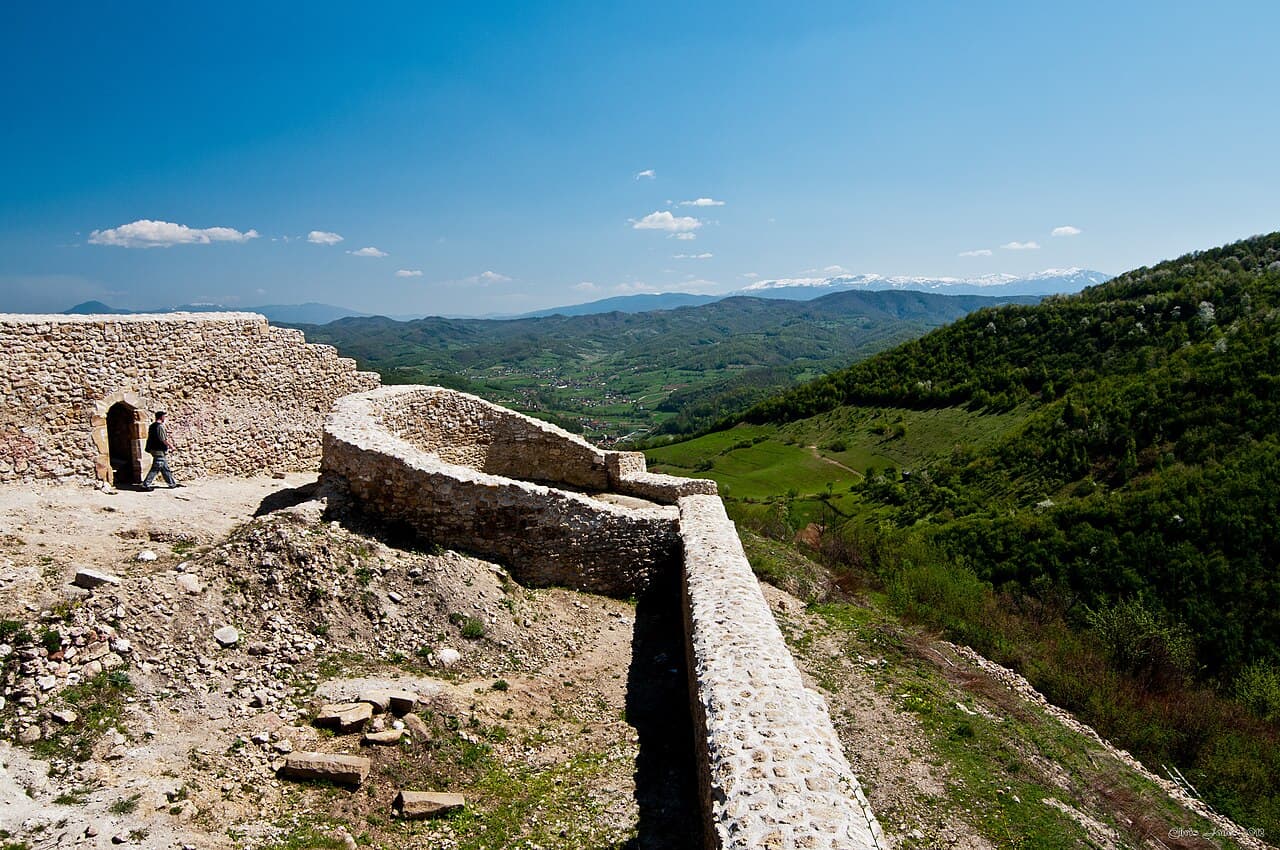
Perched atop the steep Visočica hill, the castle commands a panoramic view of the surrounding landscape. From its vantage point, observers could see the plains below bordered by notable mountains such as Romanija, Jahorina, Treskavica, and Bjelašnica to the east and southeast; Bitovnja to the south; Zec and Vranica in the southeast; Vlašić to the west; and Tajan and Zvijezda to the north. This extensive visibility made Visoki a crucial lookout point for approaching enemies or travelers.
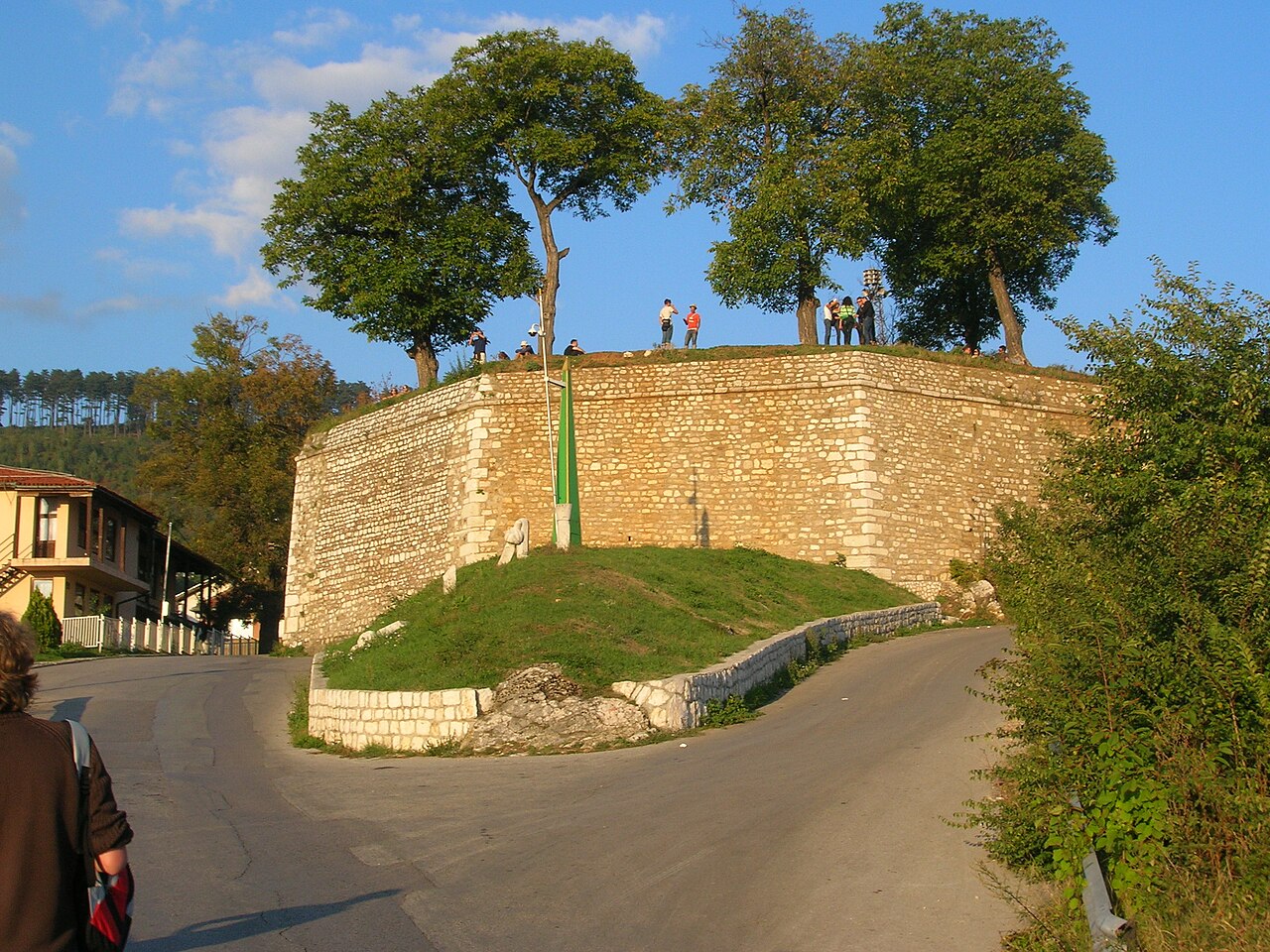
The castle is classified as a bastioned fortress, featuring thick defensive walls approximately 2 meters wide. The main entrance is located on the southwest side, flanked by two lookout towers that provided early warning and protection against invaders. The bastions and towers were integral to the castle's defense system, allowing defenders to cover multiple angles and repel attacks effectively.
Architectural layout and town structure
Directly beyond the entrance lies the area known as Podvisoki, a small fortified settlement measuring roughly 60 by 25 meters. This section contained early medieval houses and served as a residential and support area for the castle's inhabitants. The remains of these houses provide valuable insight into the living conditions and architectural practices of the period.
The castle's walls enclose the town area, creating a defensible space that combined military and civilian functions. The compact size of Podvisoki suggests a tightly-knit community centered around the castle, with a focus on security and control.
Historical significance and decline
Visoki Castle played a pivotal role in the medieval Bosnian state, especially under the reign of Tvrtko I, who later became the first king of Bosnia. The fortress symbolized the political and military strength of the Bosnian Banate and Kingdom during the 14th century.
However, by the early 16th century, the castle was abandoned. It is notably absent from the 1503 Turkish-Hungarian treaty, indicating that it had lost its strategic importance or was no longer occupied by that time. Historical records from 1626 by Đorđić list Visoki among abandoned towns, confirming its decline.
Current condition and cultural heritage
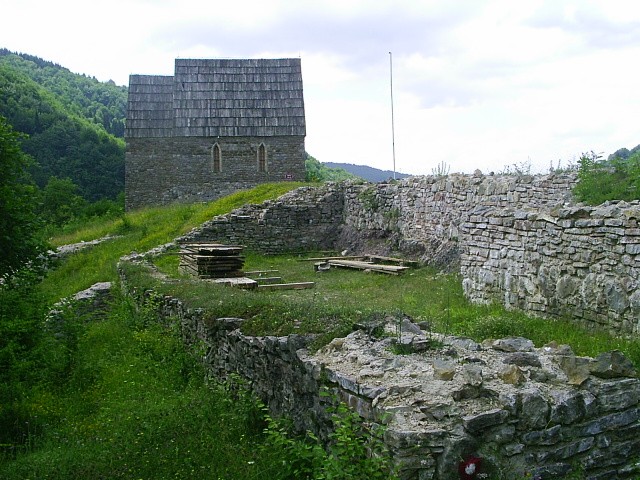
Today, Visoki Castle remains a partially preserved ruin, with visible sections of its walls and towers still standing. The site is an important cultural and historical landmark in Bosnia and Herzegovina, attracting visitors interested in medieval history and architecture.
The castle's elevated position and surviving structures offer a tangible connection to Bosnia's medieval past, providing insights into the defensive strategies and urban planning of the time. Its ruins serve as a reminder of the region's complex history and the legacy of the Bosnian Kingdom.
Visiting visoki castle
Visitors to Visoki Castle can explore the ruins and enjoy panoramic views of the surrounding mountains and plains. The site is accessible via a hike up Visočica hill, which allows for an immersive experience of the natural and historical environment.
The castle's location near the modern town of Visoko makes it a convenient destination for those interested in medieval fortifications and Bosnian heritage. While the castle is in ruins, its historical significance and scenic setting make it a compelling site for cultural tourism.
Frequently asked questions (FAQ)
- When was Visoki Castle built and who first mentioned it?
- Visoki Castle was built in the 14th century and was first mentioned in a charter dated 1 September 1355 by Tvrtko I of Bosnia.
- What type of castle is Visoki and what are its defensive features?
- Visoki Castle is a bastioned fortress with thick walls about 2 meters wide, featuring two lookout towers at the southwest entrance for defense.
- Why was Visoki Castle abandoned?
- The castle was likely abandoned before 1503, as it is not mentioned in the Turkish-Hungarian treaty from that year, and was listed as abandoned in 1626.
- What can visitors see from Visoki Castle?
- From Visoki Castle's elevated position on Visočica hill, visitors can enjoy panoramic views of surrounding mountains including Romanija, Jahorina, Treskavica, and Bjelašnica.
- Is Visoki Castle accessible to visitors today?
- Yes, Visoki Castle is accessible via a hike up Visočica hill and offers visitors the chance to explore its ruins and enjoy scenic views.

Information
Loading map...
Visitor reviews
No reviews yet. Been here? Write the first review and help other travelers!
Write the first reviewVisited this castle? Share your experience
Your review helps other travelers and adds first-hand knowledge to our encyclopedia.