Dubrovnik Castle
Dubrovnik Castle, located in the area of Višnjica within the Ilijaš municipality of Bosnia and Herzegovina, is a medieval fortress with origins tracing back to the 13th century. Although precise records of its foundation are scarce, the castle was first documented in the Dubrovnik archives on July 11, 1404. This historical mention provides a crucial anchor point for understanding the castle's early significance in the region.
Historical background and significance
The castle's name is believed to derive from the medieval merchants of Dubrovnik (also known as Ragusa), who were granted permission by the Bosnian king to exploit the rich mineral resources in the area. These included deposits of lead, zinc, gold, and other precious metals. The fortress served as a strategic center for overseeing mining operations and protecting trade routes, emphasizing its role not only as a military stronghold but also as an economic hub.
Architectural features and construction
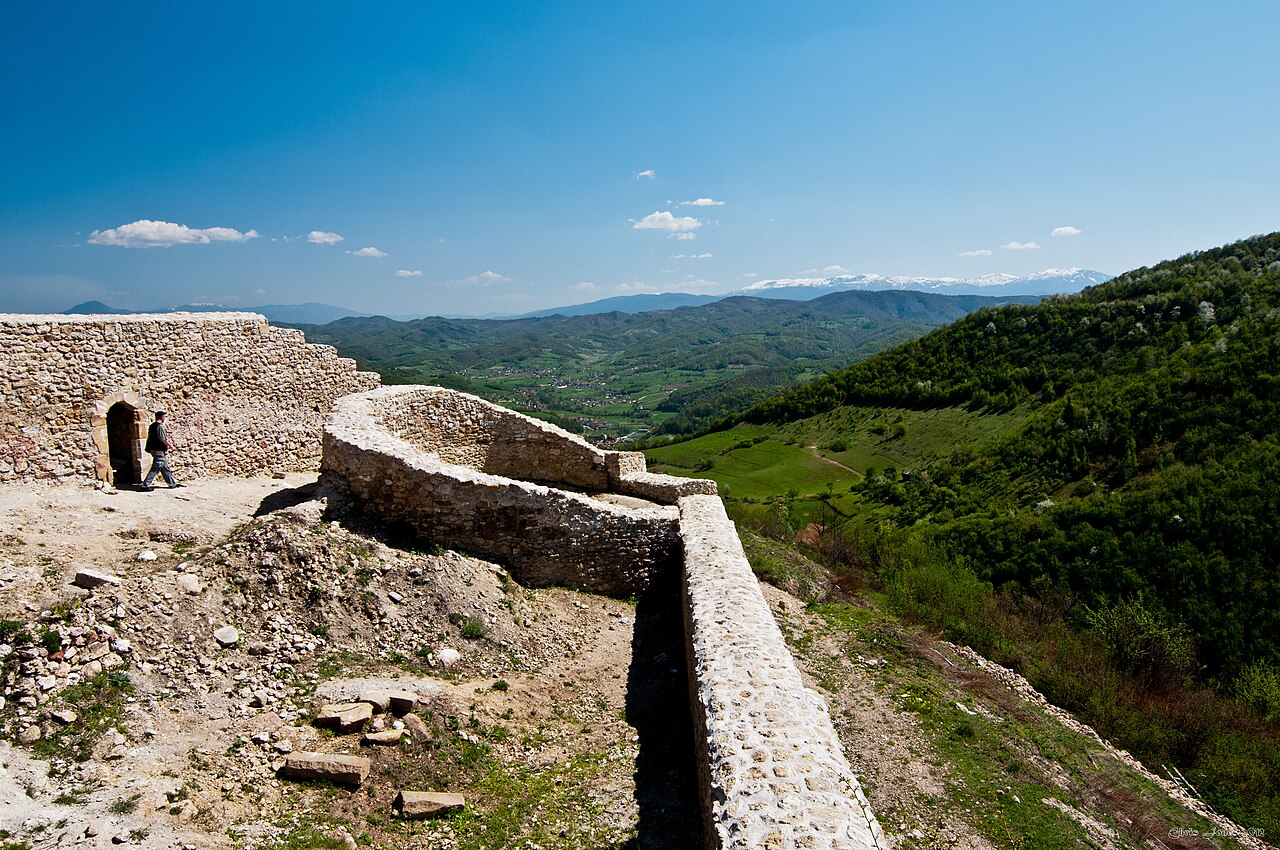
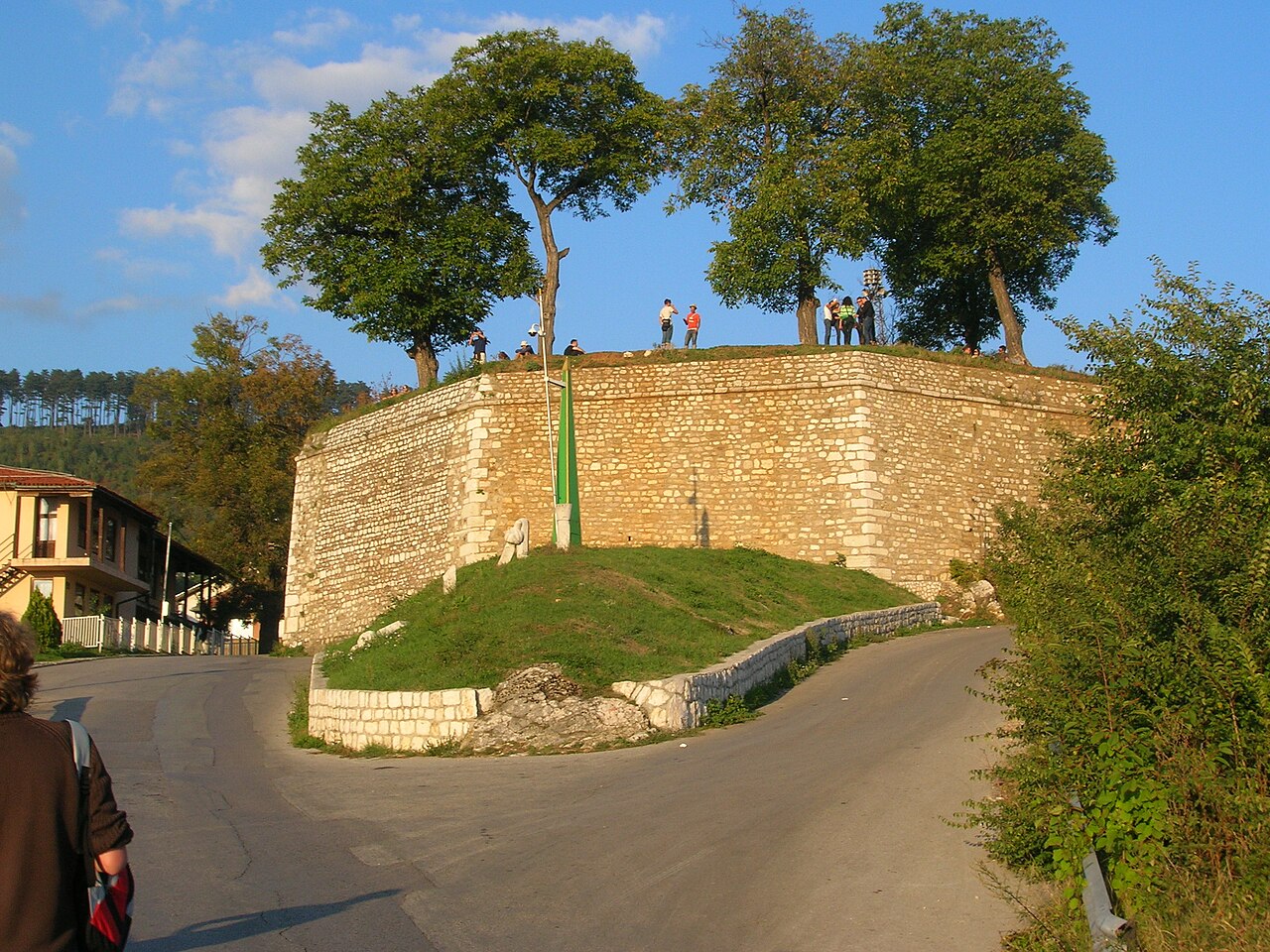
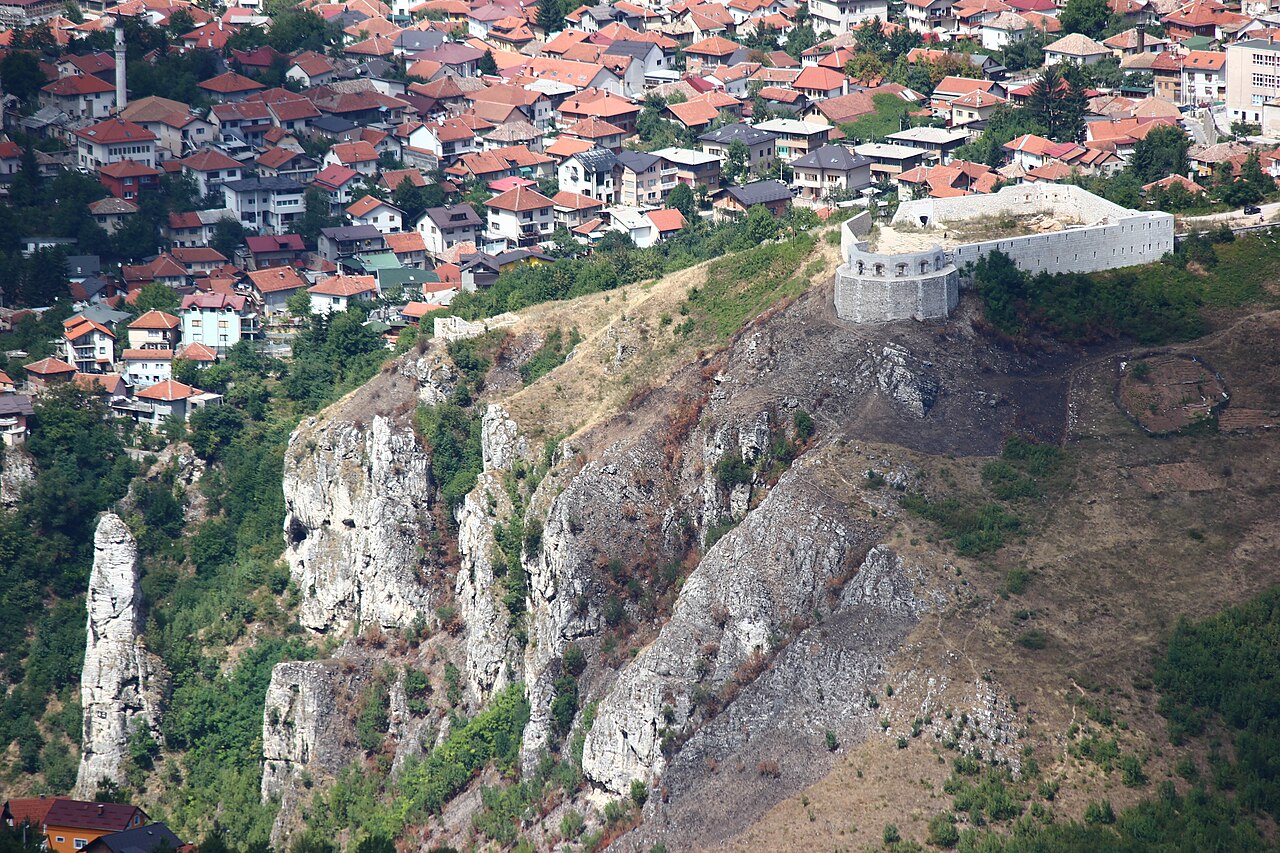
Constructed during the High Medieval period, Dubrovnik Castle exemplifies typical medieval fortress architecture of the region. Its defensive structures likely included thick stone walls, battlements, and watchtowers designed to withstand sieges and raids common in the turbulent medieval Balkans. The castle's location on elevated terrain would have provided commanding views over the surrounding landscape, enhancing its defensive capabilities.
While detailed architectural surveys are limited, the castle's remains suggest a compact fortress layout adapted to the natural topography. The use of local stone materials and masonry techniques from the era would have contributed to the castle's durability and functionality.
Economic and cultural context
The permission granted by the Bosnian monarchy to Dubrovnik merchants reflects the interconnectedness of medieval Balkan economies. The castle stands as a testament to the influence of the Republic of Dubrovnik, a maritime city-state known for its extensive trade networks and diplomatic relations. The fortress facilitated the extraction and transport of valuable minerals, which were essential to the economic prosperity of the region.
Present condition and preservation
Today, Dubrovnik Castle exists primarily as archaeological ruins. The site offers valuable insights into medieval fortification practices and regional history. Preservation efforts focus on maintaining the integrity of the remaining structures and promoting the site as a cultural heritage landmark within Bosnia and Herzegovina.
Visiting information and accessibility
Visitors to the castle can explore the ruins and gain a sense of the medieval landscape and historical significance of the site. Due to its status as an archaeological site, facilities may be limited, and visitors are encouraged to respect the preservation efforts. The castle's location in Ilijaš provides opportunities to explore other historical and natural attractions in the area.
Frequently asked questions (FAQ)
- When was Dubrovnik Castle first mentioned in historical records?
- Dubrovnik Castle was first mentioned in the Dubrovnik archives on July 11, 1404, providing the earliest documented reference to the fortress.
- What was the primary purpose of Dubrovnik Castle in the medieval period?
- The castle primarily served to oversee mining activities and protect trade routes, acting as both a military stronghold and economic center.
- Can visitors access Dubrovnik Castle today?
- Yes, visitors can explore the archaeological ruins of Dubrovnik Castle, though facilities are limited and the site is primarily preserved as a historical landmark.
- Why is Dubrovnik Castle significant in the context of Bosnian medieval history?
- The castle reflects the economic and political influence of Dubrovnik merchants in Bosnia, illustrating medieval trade and mining practices under Bosnian royal approval.
Information
Loading map...
Visitor reviews
No reviews yet. Been here? Write the first review and help other travelers!
Write the first reviewVisited this castle? Share your experience
Your review helps other travelers and adds first-hand knowledge to our encyclopedia.