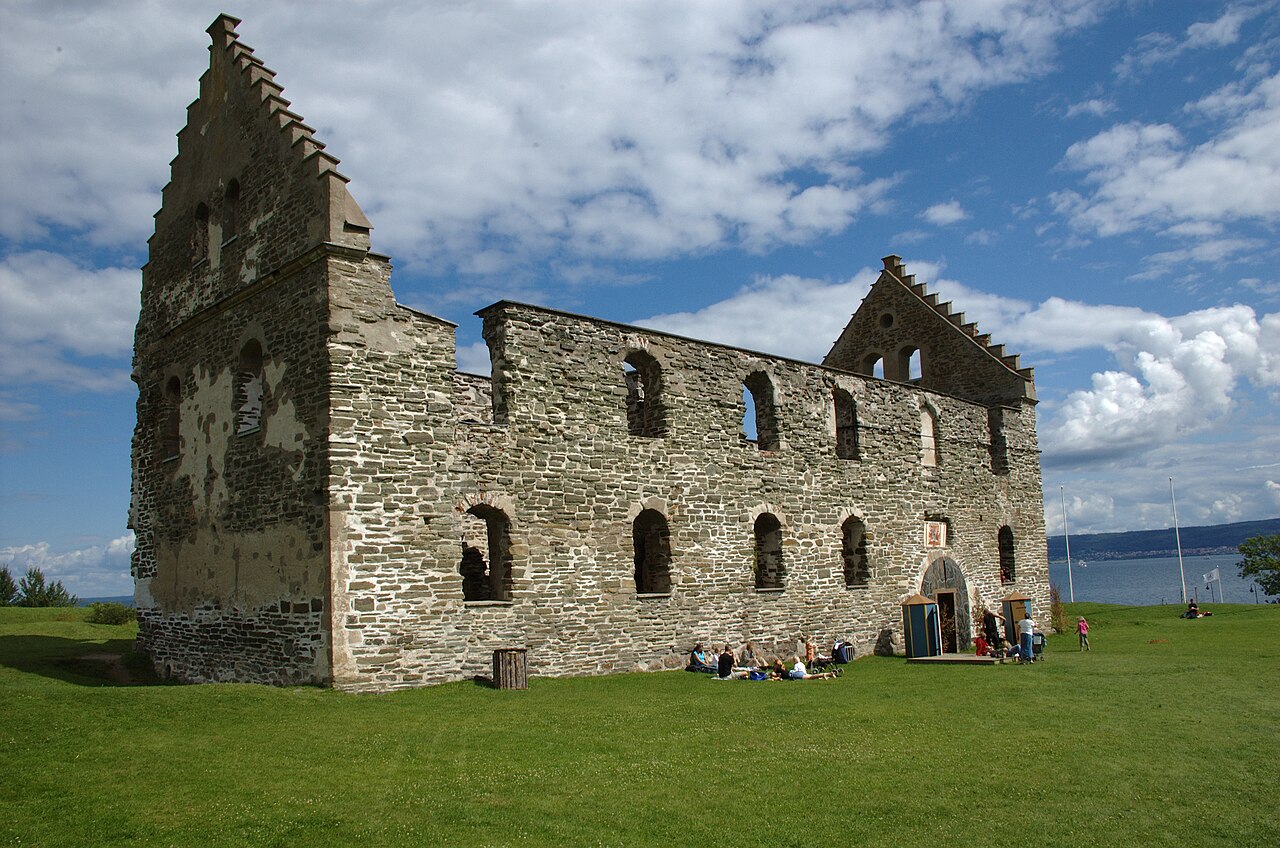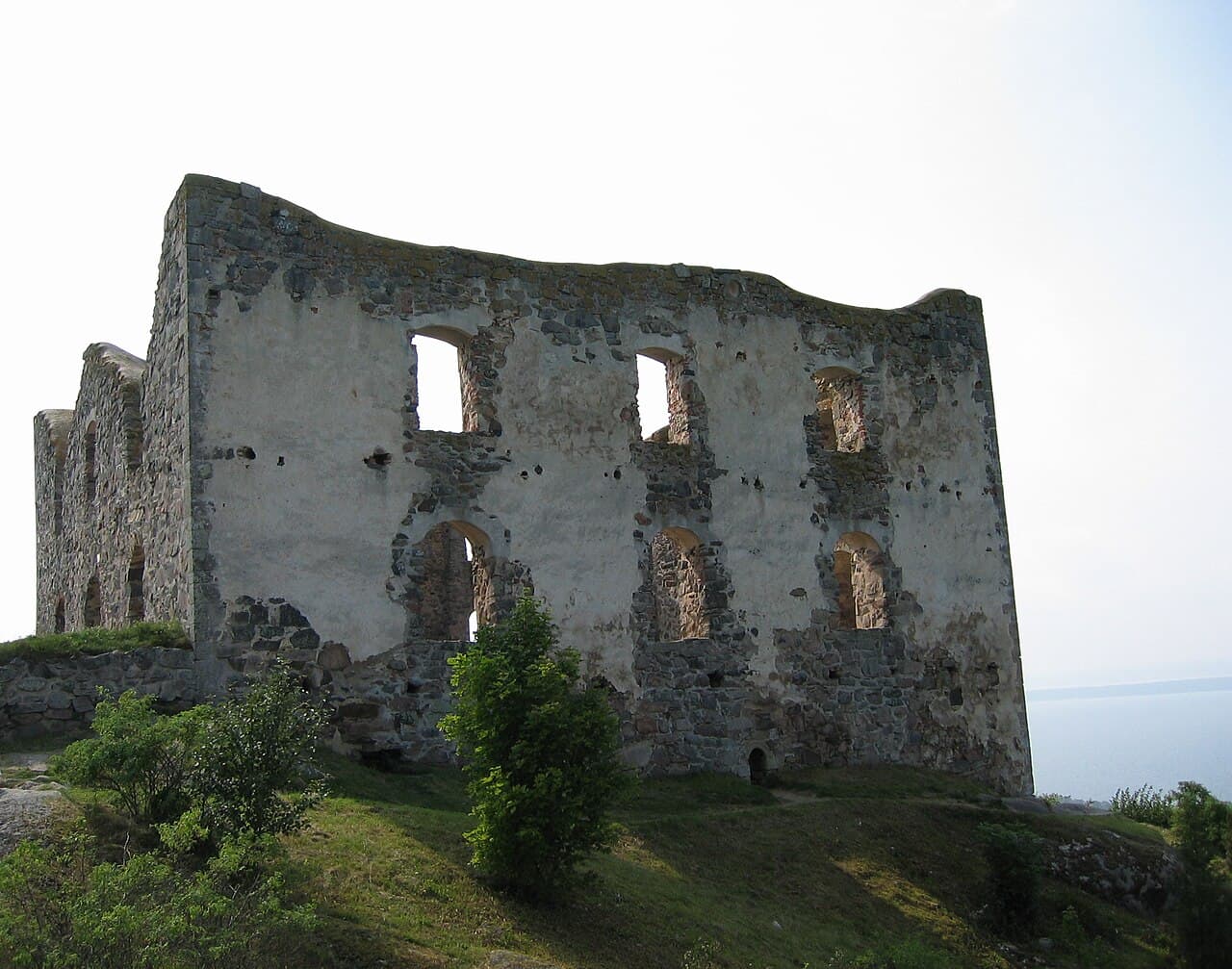
Brahehus Castle Ruins
Brahehus Castle stands as a notable example of a Renaissance-era fortress, constructed between 1637 and 1650 under the direction of Count Per Brahe the Younger, a prominent Swedish nobleman and statesman. Situated near the town of Gränna in Småland province, the castle was strategically positioned on a hilltop approximately 270 meters above sea level and 180 meters above lake Vättern. This elevated location offered commanding views over the lake and the island of Visingsö, underscoring its defensive and administrative significance during the 17th century.
Historical background and significance
The construction of Brahehus was commissioned by Per Brahe the Younger, who was a key figure in Swedish governance and development during the early 1600s. The castle served both as a fortified residence and a symbol of Brahe's status and influence in the region. Despite its relatively short period of active use, the castle played a role in the local administration and defense.
Following the death of Per Brahe in 1680, the castle was abandoned. This abandonment coincided with the Great Reduction under King Charles XI of Sweden, a policy that reclaimed lands and properties from the nobility for the Crown. As a result, Brahehus became Crown property but was no longer maintained as a residence or military stronghold.
In 1708, a devastating fire destroyed much of the castle. Unlike many other castles of the period, Brahehus was never rebuilt, and it gradually fell into ruin. Today, the remains of the castle offer insight into 17th-century Swedish Renaissance architecture and noble life.
Architectural features and layout
Brahehus was designed in the Renaissance style, which was characterized by symmetry, proportion, and the incorporation of classical elements. The castle originally featured robust stone walls, defensive towers, and residential quarters arranged around a central courtyard. The elevated position on a rocky hilltop enhanced its defensive capabilities and allowed for surveillance of the surrounding landscape.
Although only ruins remain today, the surviving walls and foundations reveal the castle's original layout. The structure likely included multiple floors with living spaces, storage areas, and defensive battlements. The castle's design reflected contemporary trends in fortress construction, balancing residential comfort with military functionality.
Location and natural surroundings
Located approximately 3 kilometers outside Gränna in Jönköping County, Brahehus occupies a prominent position overlooking lake Vättern, Sweden's second-largest lake. The site rises sharply above the lake, providing panoramic views that extend to the island of Visingsö. This vantage point not only served defensive purposes but also offers modern visitors spectacular scenery.
The castle ruins are accessible via nearby roads, including the modern E4 highway, making it a popular destination for tourists and locals interested in history, hiking, and nature. The surrounding landscape includes forested areas and walking trails that complement visits to the ruins.
Current condition and preservation
Today, Brahehus is classified as ruins, with only partial walls and foundations remaining. Despite the destruction caused by the fire in 1708 and centuries of exposure to the elements, the site retains significant archaeological and historical value. Preservation efforts have focused on stabilizing the remaining structures to prevent further deterioration.
The ruins are open to the public and serve as an educational site where visitors can learn about Swedish Renaissance architecture, noble history, and regional heritage. Informational signage and guided tours help contextualize the castle's past and its role in 17th-century Sweden.
Visitor experience and tourism
Visitors to Brahehus can explore the ruins and enjoy the natural beauty of the site. The elevated location offers some of the most impressive views of lake Vättern and the surrounding countryside. Hiking paths lead to the castle, making it accessible for outdoor enthusiasts.
The proximity to Gränna, known for its traditional candy cane production and charming town center, adds to the appeal for tourists. Brahehus is a favored spot for both history buffs and nature lovers, combining cultural heritage with scenic landscapes.
Frequently asked questions (FAQ)
- How do I get to Brahehus Castle Ruins?
- Brahehus Castle Ruins is located just outside Gränna, Sweden. You can reach the site by car, with ample parking available nearby, or by taking a bus from Gränna. The scenic hiking trails also lead directly to the ruins, making it accessible for those who enjoy walking.
- What is the historical significance of Brahehus Castle?
- Brahehus Castle was built in the 17th century by the Swedish noble family Brahe and served as a strategic point for controlling trade routes over Lake Vättern. Despite its incomplete construction, the castle played a significant role in Swedish history and offers insights into the architectural styles of the period. Today, it stands as a monument to Sweden's rich past.
- When was Brahehus Castle built?
- Construction of Brahehus Castle began in 1637 but was never fully completed due to various reasons, including financial constraints and changes in political priorities. The castle's ruins today reflect the ambitious vision of its initial design and are a testament to the era's architectural aspirations. It has been a site of interest since its establishment.
- Can I enter the ruins of Brahehus Castle?
- Yes, visitors can explore the ruins of Brahehus Castle. While there are no formal entry fees, the site is open to the public, allowing for a close-up view of the historical structures and stunning views of the surrounding landscape. Please ensure to follow any posted guidelines for safety.
- Why is Brahehus Castle a popular tourist destination?
- Brahehus Castle is popular due to its breathtaking views of Lake Vättern and its intriguing history. The ruins offer a unique glimpse into Sweden's past while surrounded by beautiful nature, making it a perfect spot for photography and picnics. Additionally, it serves as a peaceful getaway for those looking to connect with history and nature.
- Is it possible to visit Brahehus Castle year-round?
- Yes, Brahehus Castle Ruins are open year-round for visitors. However, access may be affected by weather conditions during winter months, so it's advisable to check local weather forecasts before planning your visit. Spring and summer are particularly beautiful times to explore the area when the surrounding nature is in full bloom.
- What are the opening hours for Brahehus Castle Ruins?
- Brahehus Castle Ruins do not have strict opening hours as it is an outdoor site. Visitors can explore the ruins at their convenience, but it's recommended to visit during daylight hours for safety and to fully appreciate the scenery. Always check for any seasonal changes or events that might affect access.
- Are there any nearby attractions to visit?
- Yes, there are several attractions near Brahehus Castle, including the charming town of Gränna, known for its candy shops and picturesque streets. Lake Vättern offers opportunities for boating, fishing, and hiking along its shores. Additionally, visitors can explore other historical sites and the beautiful landscape of the region.
- What are the ticket prices for visiting Brahehus Castle?
- Visiting Brahehus Castle Ruins is free of charge, making it an accessible attraction for everyone. However, if you wish to participate in guided tours or special events, there may be a fee associated with those activities. Always check local resources for any updates on events that might require tickets.
Photo gallery

Information
Loading map...
Visitor reviews
No reviews yet. Been here? Write the first review and help other travelers!
Write the first reviewVisited this castle? Share your experience
Your review helps other travelers and adds first-hand knowledge to our encyclopedia.