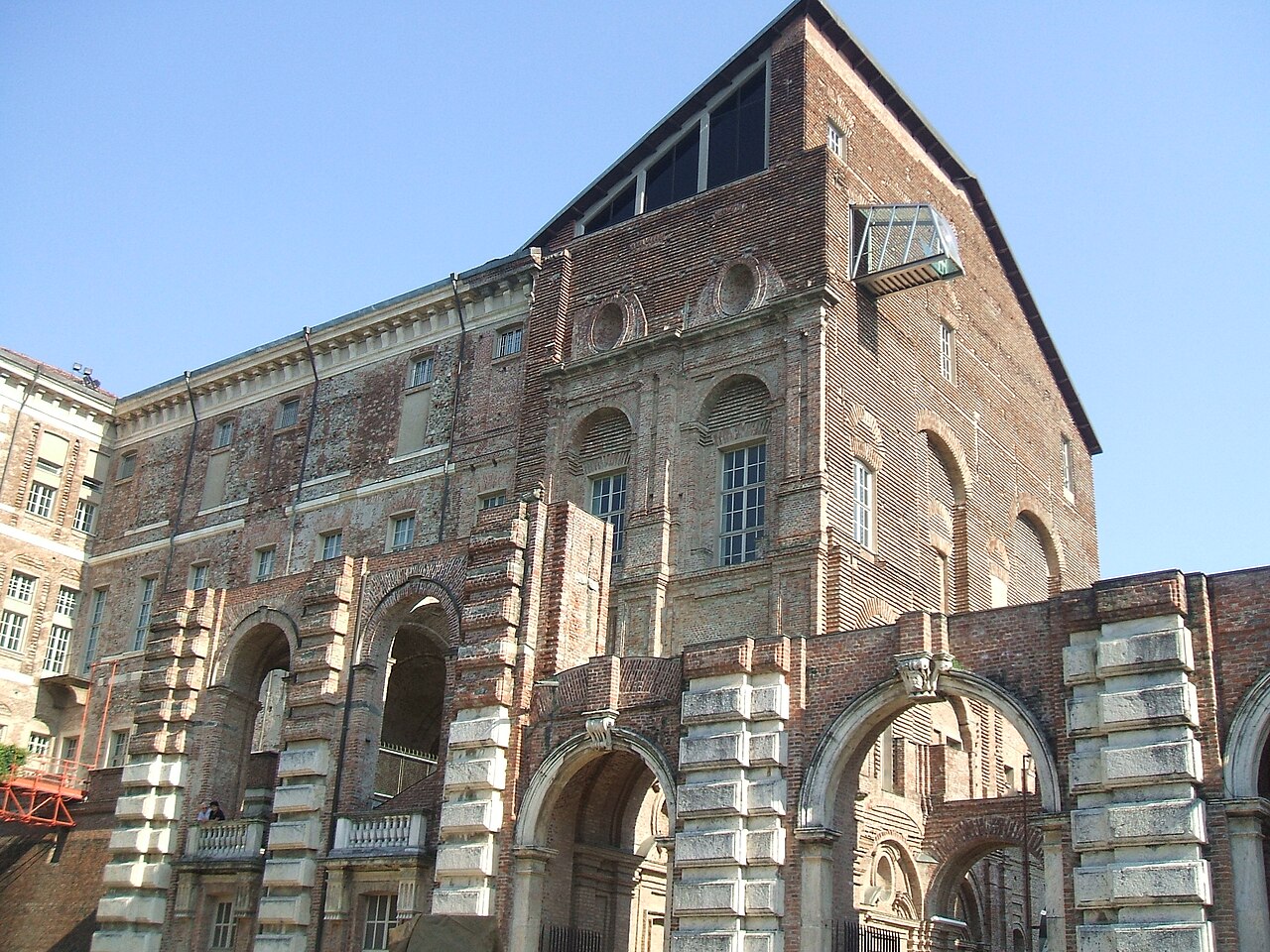
Villar Dora Castle
Villar Dora Castle stands as a remarkable example of medieval feudal architecture nestled on a rocky hill in the Susa Valley of Italy. Built in the 13th century, this hill castle occupies a site with a history of human presence dating back to Roman times, evidenced by archaeological finds such as oil lamps and tear bottles. These early settlements laid the groundwork for the castle's strategic and historical significance in the region.
Throughout the centuries, the castle's location was of paramount importance, overseeing key routes in the Susa Valley and witnessing pivotal military engagements. Notably, the hill was the site of a significant battle between emperors Constantine and Maxentius for control over the nearby city of Susa. Later, the castle's position remained crucial during conflicts involving the Franks and Lombards, underscoring its enduring military relevance.
Medieval origins and architectural evolution
The earliest documented form of the castle, known as Castrum Villaris Almexii in 1287, consisted of three fortified towers connected by a defensive wall featuring a distinctive herringbone masonry pattern. This technique, involving angled bricks or stones laid in a zigzag arrangement, is still visible in the base of the castle's walls today and highlights the craftsmanship of the period.
The castle's core evolved around its southwestern section, which includes the Palacium—originally the southern tower—alongside a cylindrical tower and a residential wing attributed to Margaretha De Rotariis. These structures reflect the transition from purely military fortification to a noble residence with enhanced living quarters.
Gothic renovations by the provana family
In the 14th century, the castle underwent significant renovations under the ownership of the Provana family, who embraced the Gothic architectural style. The Provana brothers—Stefano, Tommaso, and Giovannino—expanded and integrated earlier constructions, reinforcing the castle's defensive and residential functions. Their efforts established the castle's layout that has largely endured to the present day.
A notable historical event during this period was the stay of Pope Martin V Colonna in 1418. Returning from the Council of Constance, the Pope was hosted by the Provana family, who provided him with an armed escort. In gratitude, the Pope authorized the incorporation of the Colonna family column emblem into the Provana coat of arms, symbolizing the castle's connection to significant religious and political figures.
Later modifications and conflicts
The castle's northern tower was replaced in the 17th century by the Ca’Bianca building, reflecting architectural changes and adaptations over time. However, the castle faced damage in 1691 during a military offensive led by French troops under Marshal Catinat. This assault harmed the northern tower and the adjacent armory hall, leaving scars that remain visible today.
Ownership transitions and 20th-century restorations
Following the extinction of the Provana del Villar lineage in the late 19th century, the castle passed to the Antonielli counts of Oulx. Count Annibale Antonielli initiated restoration and revitalization efforts, including the creation of gardens supported by robust arches, which complement the medieval structure without compromising its historical integrity.
In the early 20th century, restoration works aimed to return the castle to its original medieval appearance. These efforts involved removing later plaster layers, reopening the castle’s characteristic bifora windows—paired openings separated by a small column typical of medieval design—and reconstructing lost architectural elements. The restorations successfully revived the castle’s authentic medieval character, particularly in its central body.
Architectural features and current status
Villar Dora Castle is one of the best-preserved medieval feudal residences in the Susa Valley. Its defensive perimeter wall, constructed with the distinctive herringbone masonry, connects three towers that form the castle’s foundational layout. The southwestern sector, comprising the Palacium, cylindrical tower, and residential wing, represents the heart of the castle’s historical and architectural identity.
The northern part features the Ca’Bianca building, a 17th-century addition that replaced the original northern tower. Damage from the 1691 French assault is still evident, particularly around the northern tower and armory hall. The castle’s bifora windows, reopened during 20th-century restorations, enhance its medieval aesthetic and allow natural light into the interiors.
Surrounding the castle, the Antonielli family gardens provide a harmonious blend of nature and history, supported by sturdy arches that respect the site’s medieval ambiance. Today, the castle remains a private family residence, preserving its rich layers of history and architecture for future generations.
Historical significance and cultural heritage
The castle’s strategic location and architectural evolution reflect the broader historical currents of northern Italy, from Roman occupation through medieval feudalism to Renaissance and modern times. Its association with prominent families such as the Provana and Antonielli, as well as its connection to figures like Pope Martin V, underline its importance as a cultural and historical landmark.
As a well-preserved high medieval hill castle, Villar Dora Castle offers valuable insights into feudal defensive strategies, noble residence life, and regional power dynamics. Its architectural features, including the herringbone masonry, Gothic renovations, and bifora windows, contribute to its status as a significant heritage site in the Susa Valley.
Frequently asked questions (FAQ)
- How do I visit Villar Dora Castle?
- Villar Dora Castle is a private residence, so public access is limited. Visitors can admire the castle's exterior and gardens from nearby public areas. Check local tourism offices for any special open days or events.
- What is the historical importance of Villar Dora Castle?
- Villar Dora Castle played a strategic role in controlling the Susa Valley, witnessing battles involving emperors Constantine and Maxentius, and later conflicts with the Franks and Lombards. Its ownership by notable families like the Provana and its connection to Pope Martin V highlight its historical significance.
- When was Villar Dora Castle built and renovated?
- The castle was originally built in the 13th century and underwent significant Gothic renovations in the 14th century by the Provana family. Early 20th-century restorations aimed to restore its medieval appearance.
- What architectural styles are present at Villar Dora Castle?
- The castle features medieval defensive architecture with Gothic style renovations. Notable elements include the herringbone masonry walls, cylindrical towers, bifora windows, and the 17th-century Ca’Bianca building.
- Is Villar Dora Castle accessible for visitors with mobility issues?
- Due to its location on a rocky hill and its medieval structure, accessibility for visitors with mobility issues may be limited. Visitors should inquire locally about access options and facilities.
Information
Sources & official resources
Verify the information above using these authoritative references.
Loading map...
Visitor reviews
No reviews yet. Been here? Write the first review and help other travelers!
Write the first reviewVisited this castle? Share your experience
Your review helps other travelers and adds first-hand knowledge to our encyclopedia.