Viarmes Town Hall
The Viarmes Town Hall, located in the municipality of Viarmes in Hauts-de-France, France, embodies a remarkable historical evolution from an early medieval fortified settlement to a classical château serving civic functions today. The site’s strategic importance has been recognized since at least the 10th or 11th centuries, when early medieval settlers established a defensive position that would form the nucleus of a medieval castle.
Throughout the medieval period, the site underwent significant transformations, notably under the ownership of the House of Chambly from the 13th century. This noble family enhanced the fortifications and residential structures to reflect their status and the military needs of the time. The castle featured robust stone defensive walls, towers, and interior lodgings with decorative ceramic-glazed tiled floors bearing geometric patterns and the Chambly coat of arms, highlighting the blend of functionality and aristocratic identity.
Medieval origins and architectural evolution
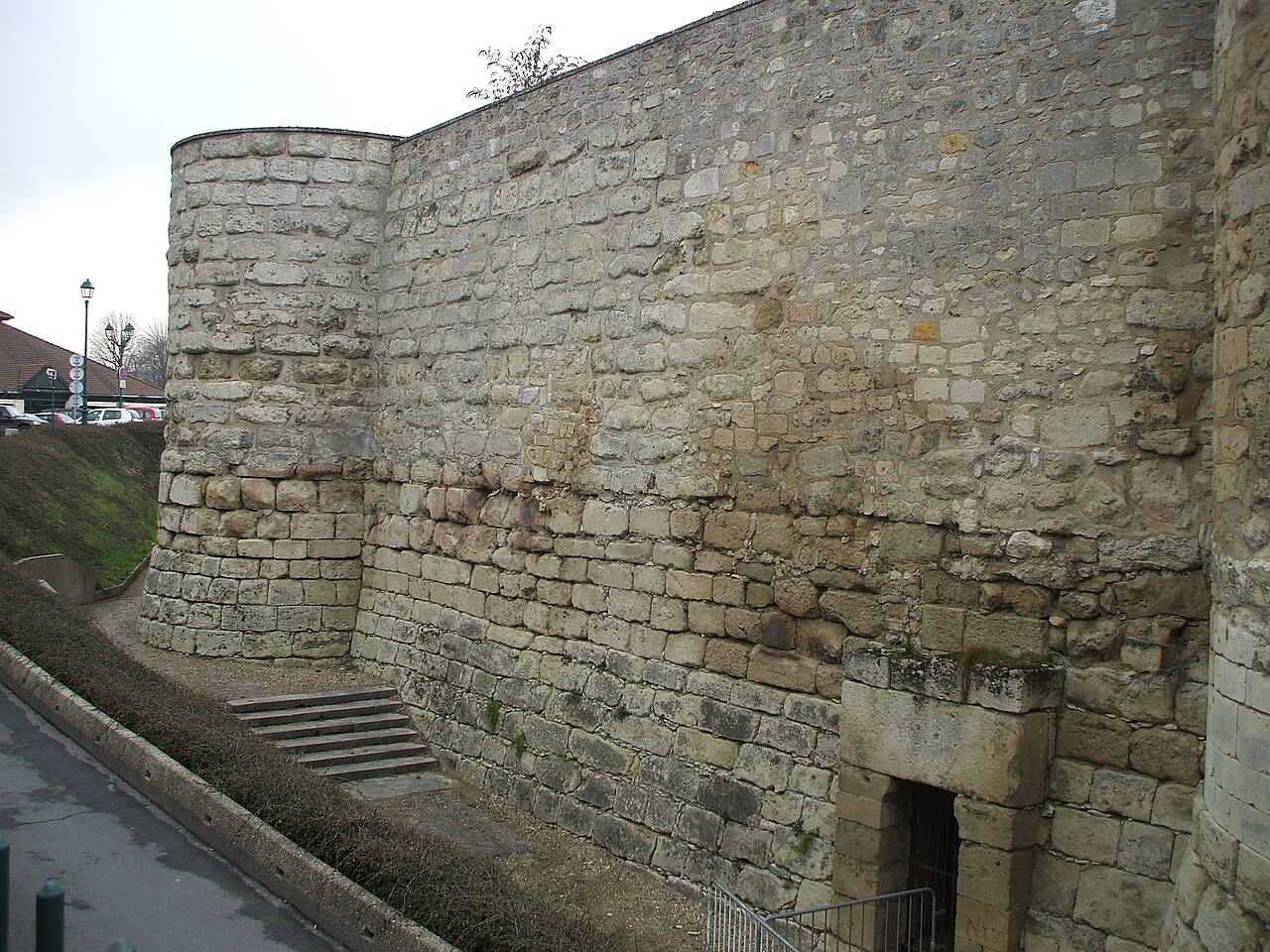
The early medieval origins of the site are evidenced by archaeological remains uncovered during excavations in the town hall square. These excavations revealed substantial portions of the original fortified walls and towers that once protected the settlement. The masonry techniques and stonework are characteristic of defensive architecture from the early to high medieval periods.
Over several centuries, the castle’s layout evolved to accommodate changing defensive requirements and residential needs. The House of Chambly played a pivotal role in this development, adapting the fortress to the social and military context of the 13th century onward. Their influence is also seen in the artistic elements such as the glazed tile floors, which serve as a testament to the castle’s noble heritage.
Transformation into a classical château
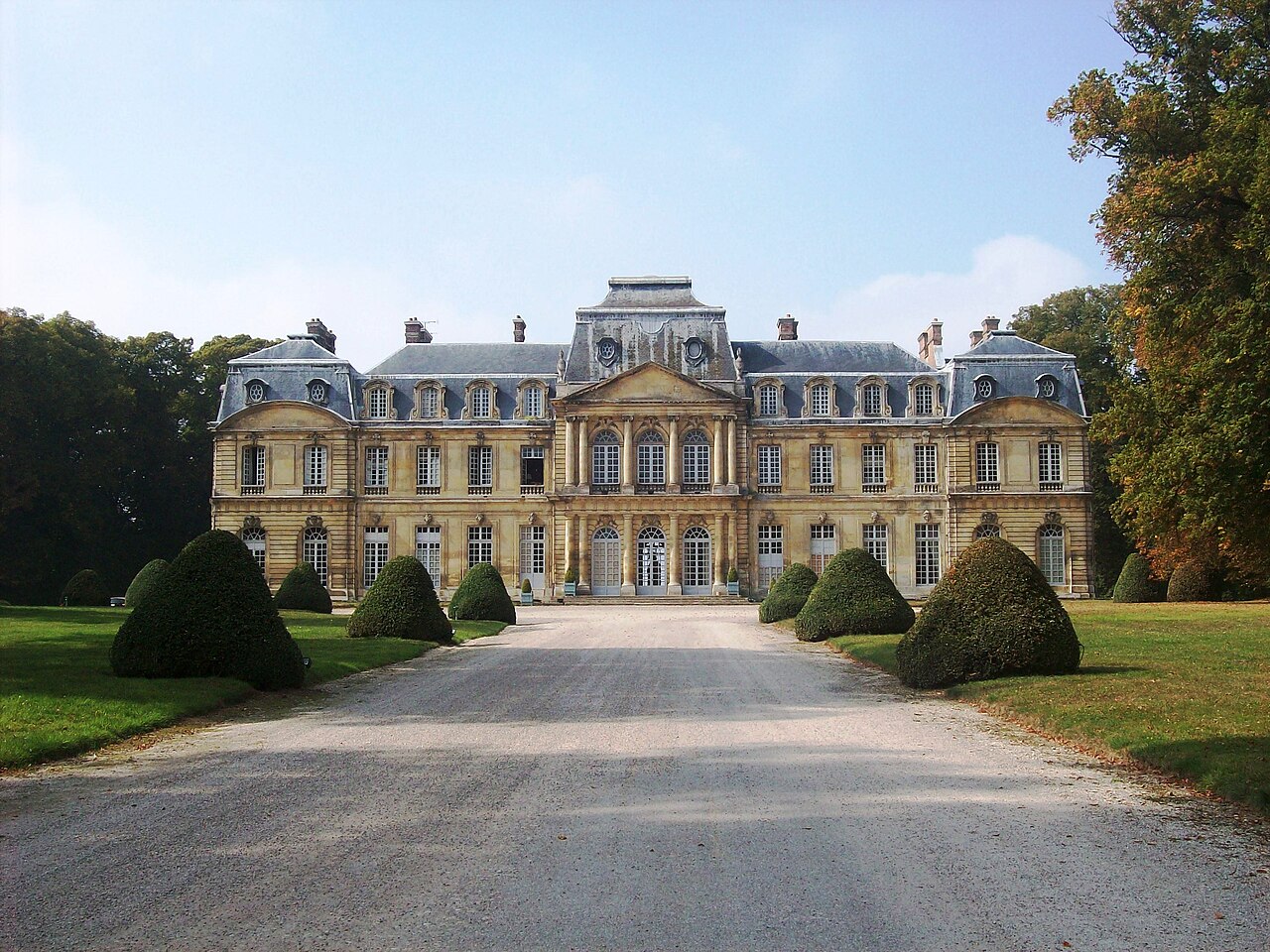
In 1758, the medieval fortress was replaced by a new residence built in the classical architectural style. Commissioned by Jean-Baptiste Élie Camus de Pontcarré, lord of Viarmes, the château marked a shift from military fortification to elegant residential and administrative use. The building features a one-story U-shaped layout with a Mansard roof, typical of French classical architecture, and facades constructed from local blond ashlar stone combined with plaster-covered rubble stone for texture and durability.
The interiors of the château preserve exquisite examples of Rocaille-style wood paneling, characterized by intricate natural motifs and curves, along with matching doors and mirrors. These decorative elements, dating from the 18th century, are protected as part of the château’s historic monument status, underscoring their cultural and artistic value.
Role as a civic center and heritage site
By 1857, ownership of the château transferred to the town of Viarmes. It was repurposed to serve as the town hall and local school, reflecting its central role in the community’s governance and education. Although it no longer functions as a school, the building continues to house administrative offices and a local history museum, maintaining its significance as a cultural and civic landmark.
The château’s historical importance was formally recognized in 1926 when it was listed as a historic monument by the French government. This designation ensures the preservation of both the château and the archaeological remains of the medieval castle beneath it.
Archaeological discoveries and preservation
Excavations have uncovered vital remnants of the medieval fortress, including defensive walls reinforced by towers and interior living quarters. The discovery of ceramic-glazed tiles with geometric designs and heraldic symbols provides insight into the castle’s artistic and social history. These findings allow historians and visitors alike to appreciate the layered history of the site, from its fortified origins to its classical transformation.
Although the château once included an expansive park, this green space was sold off in parcels in 1847, and today only the building and its immediate surroundings remain. The preserved architectural features and archaeological remains collectively narrate the story of Viarmes from a medieval stronghold to a center of local governance and heritage preservation.
Architectural features and style
The current château exemplifies classical architecture with its U-shaped plan and Mansard roof, a hallmark of French design in the 18th century. The use of blond ashlar stone on the facades provides both aesthetic appeal and structural integrity, while the plastered rubble stone adds texture and contrast.
Inside, the Rocaille wood paneling and decorative elements underscore the château’s 18th-century refinement and artistic sophistication. These interiors are rare surviving examples of period craftsmanship and contribute significantly to the building’s historic monument status.
Historical significance and cultural heritage
The Viarmes Town Hall stands as a testament to the region’s rich history, reflecting the evolution of architectural styles and social functions over nearly a millennium. From its early medieval defensive role through noble residence to civic administration, the site encapsulates the dynamic history of Hauts-de-France.
The preservation of both the château and the underlying medieval remains offers valuable insights into the region’s past and continues to attract scholars, visitors, and locals interested in French heritage and architecture.
Frequently asked questions (FAQ)
- What is the historical significance of Viarmes Town Hall?
- Viarmes Town Hall, originally built in the 16th century, is a notable example of Renaissance architecture in France. It serves as a symbol of the town's rich history and has been a center of local governance for centuries, reflecting the evolution of civic life in the region.
- When was Viarmes Town Hall constructed?
- Viarmes Town Hall was constructed in the late 16th century, with its architectural style showcasing the influences of the Renaissance period. Over the years, it has undergone various renovations, preserving its historical integrity while adapting to modern needs.
- Can I visit Viarmes Town Hall?
- Yes, Viarmes Town Hall is open to visitors, allowing them to explore its beautiful architecture and learn about its history. Guided tours may be available, providing insights into the building's significance and the town's heritage.
- What are the opening hours for Viarmes Town Hall?
- Viarmes Town Hall is typically open to the public from Monday to Friday, with specific hours that may vary. It is advisable to check the official website or contact the town hall directly for the most up-to-date visiting hours.
- Is it possible to access Viarmes Town Hall with a wheelchair?
- Yes, efforts have been made to ensure that Viarmes Town Hall is accessible to all visitors, including those with mobility challenges. There are provisions in place to assist with accessibility, making it easier for everyone to enjoy the site.
- When is the best time to visit Viarmes Town Hall?
- The best time to visit Viarmes Town Hall is during the spring or early autumn when the weather is pleasant and the town's surroundings are particularly beautiful. Additionally, local events and festivals often take place during these seasons, enhancing the visitor experience.
- Are there any nearby attractions to explore while visiting Viarmes Town Hall?
- Yes, there are several nearby attractions, including the picturesque streets of Viarmes and other historical sites that reflect the town's rich heritage. Visitors can also enjoy local parks and cafes that offer a glimpse into the daily life of the region.
- What are the ticket prices for visiting Viarmes Town Hall?
- Visiting Viarmes Town Hall is generally free, but there may be fees for guided tours or special events. It’s best to check in advance for any specific charges that may apply during your visit.
Information
Website
Visit websiteSources & official resources
Verify the information above using these authoritative references.
Loading map...
Visitor reviews
No reviews yet. Been here? Write the first review and help other travelers!
Write the first reviewVisited this castle? Share your experience
Your review helps other travelers and adds first-hand knowledge to our encyclopedia.