Château de Beaumont-sur-Oise
Château de Beaumont-sur-Oise stands as a significant medieval fortress located in the commune of Beaumont-sur-Oise within the Val-d'Oise département of France. This castle, now in ruins, played a pivotal role in the region's history from the High Medieval period onward. Its strategic position overlooking the Oise valley made it a key defensive and administrative site for centuries.
Architectural features and construction history
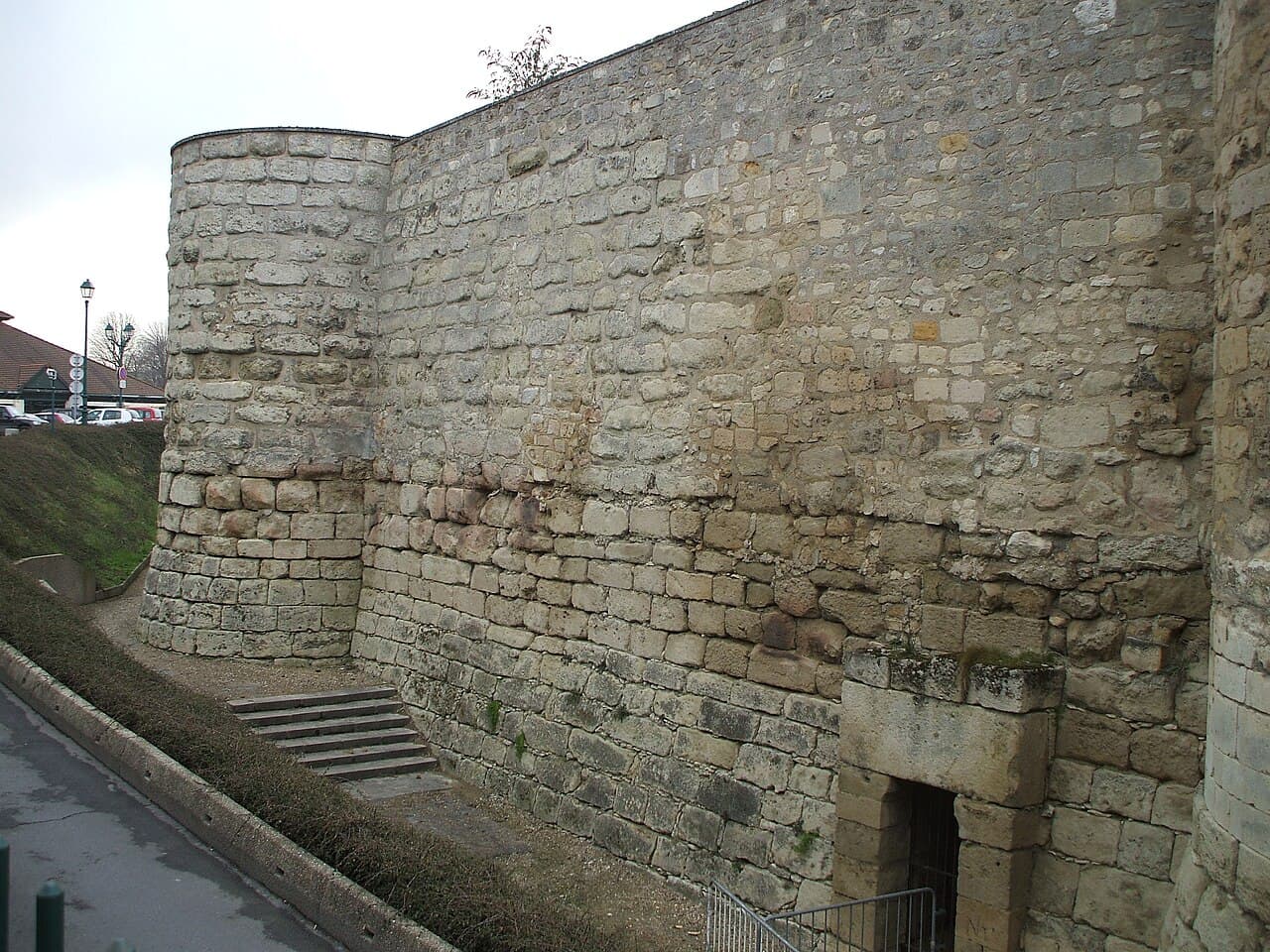
The castle's most notable surviving feature is its rectangular Romanesque keep, which rises approximately 25 meters high and spans 5 meters wide at the base. This keep is supported by massive buttresses that reinforce its imposing structure. The stone construction replaced an earlier timber castrum fortification that dated back to the 3rd century, reflecting the evolution of military architecture on the site.
The current stone keep was likely commissioned by Count Mathieu (1090-1151) around 1100, marking the transition from wooden defenses to more durable masonry. Over the centuries, the castle underwent multiple phases of destruction and reconstruction, influenced by ongoing conflicts and changing military technologies.
Historical significance and ownership
Beaumont-sur-Oise developed around the castle, with significant ecclesiastical buildings such as a collegiate church and a parish church constructed in the 10th century. The castle's importance grew when Louis XI became Count of Beaumont in 1226 and took residence there, highlighting its role as a noble seat.
The castle's fortifications were enhanced during turbulent times, including the Hundred Years' War and the Wars of Religion, when the upper walls and keep were reinforced to withstand sieges. The town and castle endured occupation by the English from 1420 to 1435, a period marked by military strife and damage.
Sieges and military action
During the English occupation, the castle was a focal point of conflict. The French artillery under Henri IV inflicted significant damage on the fortress's towers, weakening its defensive capabilities. This damage contributed to the castle's gradual decline as a military stronghold.
Decline and archaeological rediscovery
By the time of the French Revolution, the castle had fallen into disrepair and was largely destroyed. It was subsequently sold as a national asset, leading to further degradation. Despite this, the site retained historical interest, and archaeological excavations beginning in 1984 uncovered remains of an 11th-century monastery within the castle grounds, shedding light on the religious and cultural activities associated with the fortress.
Today, the ruined Château de Beaumont-sur-Oise is owned by the commune and remains a site of historical and archaeological significance. Visitors can explore the remnants of its Romanesque architecture and appreciate its role in the medieval history of the Oise valley.
The castle's role in the development of Beaumont-sur-Oise
The castle was central to the urban development of Beaumont-sur-Oise, with the surrounding town growing up around its fortifications. The presence of the collegiate church and the parish church in the 10th century indicates the area's importance as a religious center as well as a military one. The castle's influence shaped the town's layout and governance for many centuries.
Architectural style and preservation status
The castle is primarily characterized by its Romanesque architectural style, evident in the design of its keep and buttresses. Despite centuries of conflict and destruction, the ruins still convey the scale and strength of the original fortress. The site is classified as archaeological ruins and is preserved as a historical monument, though much of the structure remains in a ruined state.
Frequently asked questions (FAQ)
- What is the historical significance of Château de Beaumont-sur-Oise?
- Château de Beaumont-sur-Oise is a remarkable example of medieval architecture, reflecting the feudal history of France. Built in the 12th century, it played a crucial role in the defense of the region and has witnessed many historical events. Today, it stands as a testament to the rich heritage of Oise and attracts history enthusiasts and tourists alike.
- When is the best time to visit Château de Beaumont-sur-Oise?
- The best time to visit Château de Beaumont-sur-Oise is during the spring and early autumn months when the weather is mild and pleasant. This is also when the surrounding gardens are in full bloom, enhancing the picturesque setting of the castle. Additionally, visiting during this time allows you to enjoy various outdoor events and festivals that may be held in the area.
- What are the opening hours for Château de Beaumont-sur-Oise?
- Château de Beaumont-sur-Oise is typically open to visitors from 10 AM to 6 PM, but it’s advisable to check the official website for any seasonal changes or special events. On certain holidays, the castle may have extended hours or special closures, so planning ahead is recommended. Guided tours are often available during standard visiting hours.
- Can I access Château de Beaumont-sur-Oise with a wheelchair?
- Yes, Château de Beaumont-sur-Oise is committed to making its facilities accessible to all visitors. There are designated pathways and ramps, allowing easier access to the main areas of the castle. However, it is advisable to contact the castle ahead of your visit for specific accessibility options and assistance.
- What are the ticket prices for visiting Château de Beaumont-sur-Oise?
- Ticket prices for Château de Beaumont-sur-Oise vary depending on age and group size. Generally, adult tickets are priced around €10, while discounts are available for students and children. Family packages are also offered, making it an affordable outing for groups.
- Is it possible to take guided tours of Château de Beaumont-sur-Oise?
- Yes, guided tours of Château de Beaumont-sur-Oise are available and highly recommended for visitors who wish to learn more about the castle's history and architecture. These tours are led by knowledgeable guides who provide insights into the castle's past and its significance in French history. Tours may need to be booked in advance, particularly during peak tourist seasons.
- What nearby attractions can I explore after visiting Château de Beaumont-sur-Oise?
- After visiting Château de Beaumont-sur-Oise, you can explore several nearby attractions such as the charming town of Beaumont-sur-Oise itself, which is rich in history and local culture. Additionally, the stunning Parc Naturel Régional Oise-Pays de France offers beautiful landscapes and walking trails. Don’t miss the chance to visit other historical sites in the region, such as the Château de Chantilly, which is just a short drive away.
Photo gallery

Photo by Chatsam•Public domain
Information
Current owner
Commune
Loading map...
Visitor reviews
No reviews yet. Been here? Write the first review and help other travelers!
Write the first reviewVisited this castle? Share your experience
Your review helps other travelers and adds first-hand knowledge to our encyclopedia.