Vera Cruz do Itapecuru Fort — Brazil castle

Vera Cruz do Itapecuru Fort

Vera Cruz do Itapecuru Fort in Brazil

Vera Cruz do Itapecuru Fort is a notable example of a bastioned fortress located in Brazil, representing the military architectural style developed during the colonial period. This fortress played a strategic role in the defense of the Brazilian coastline and the protection of local settlements against naval threats during the era of European colonial expansion.

Historical context and strategic importance

Constructed during the period when European powers fortified their overseas territories, Vera Cruz do Itapecuru Fort was part of a network of coastal defenses designed to secure vital maritime routes and harbors. The fort's location near the Itapecuru River allowed control over riverine access and helped monitor shipping traffic, which was crucial for trade and military movements.

The fortification reflects the strategic military thinking of the post-medieval period, when bastioned designs became prominent for their improved defensive capabilities against artillery and siege tactics. The design of Vera Cruz do Itapecuru Fort incorporates angular bastions projecting from the main walls, allowing defenders to cover adjacent walls with overlapping fields of fire, a hallmark of bastioned fortress architecture.

Architectural features and design

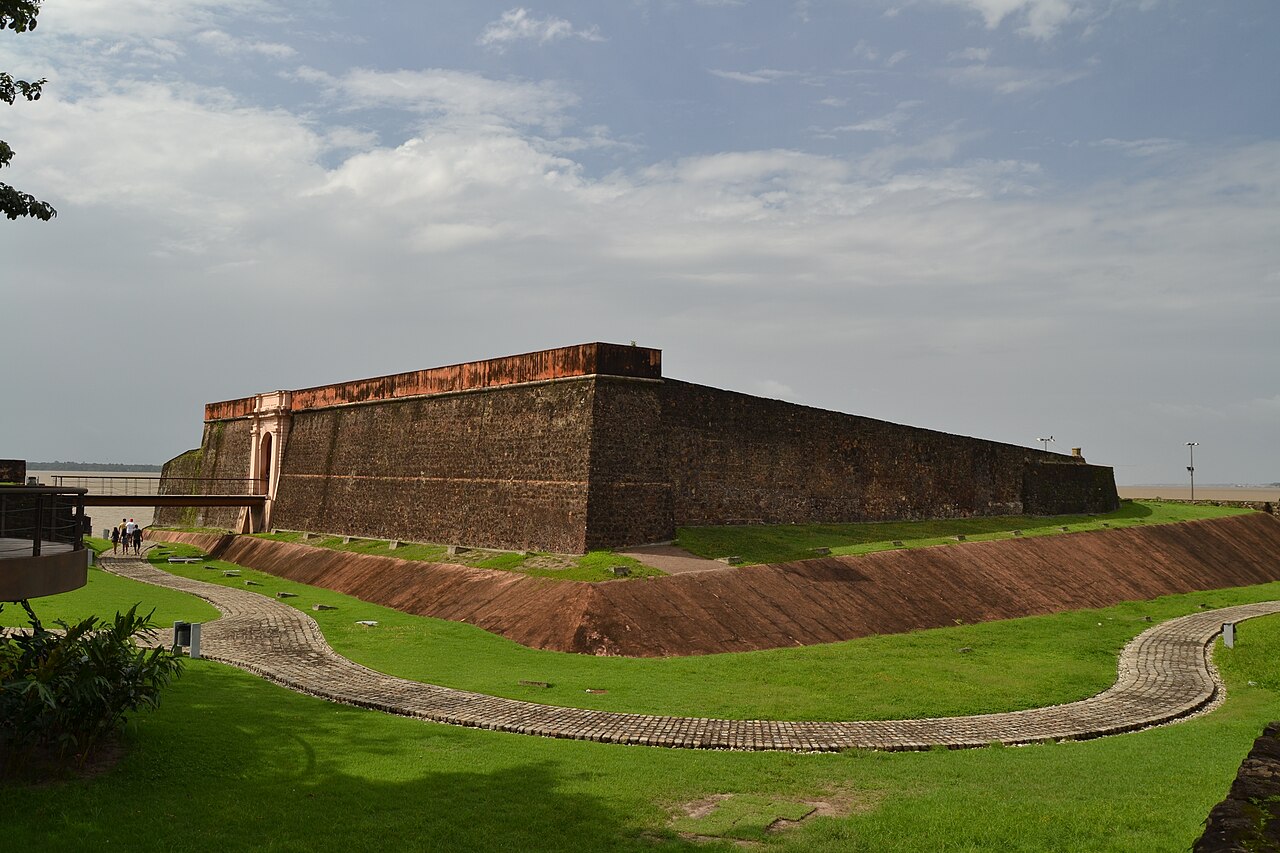
The fortress is characterized by its thick stone walls and bastions at the corners, which were constructed to withstand cannon fire and provide platforms for artillery. The walls are typically low and thick, designed to absorb and deflect the impact of cannonballs rather than resist high vertical assaults.

The layout of Vera Cruz do Itapecuru Fort likely includes a curtain wall connecting the bastions and an internal courtyard where garrison facilities and storage rooms were housed. Defensive elements such as moats or ditches may have been present to hinder attackers, though specific details on these features require further archaeological confirmation.

Materials and construction techniques

The fort was built using locally sourced stone and mortar, common in Brazilian colonial military constructions. The use of durable materials ensured the fort's longevity despite exposure to the coastal climate. Construction techniques reflect European military engineering principles adapted to local conditions.

Role in Brazilian colonial history

Vera Cruz do Itapecuru Fort was part of the Portuguese colonial defense system in Brazil, serving to protect the territory from foreign invasions and pirate raids. Its presence helped maintain Portuguese control over the region during periods of conflict and competition with other European powers.

The fort's garrison would have been staffed by soldiers trained in artillery and infantry tactics, responsible for maintaining vigilance over the surrounding waterways and responding to threats. The fortress also functioned as a symbol of colonial authority in the region.

Current condition and preservation

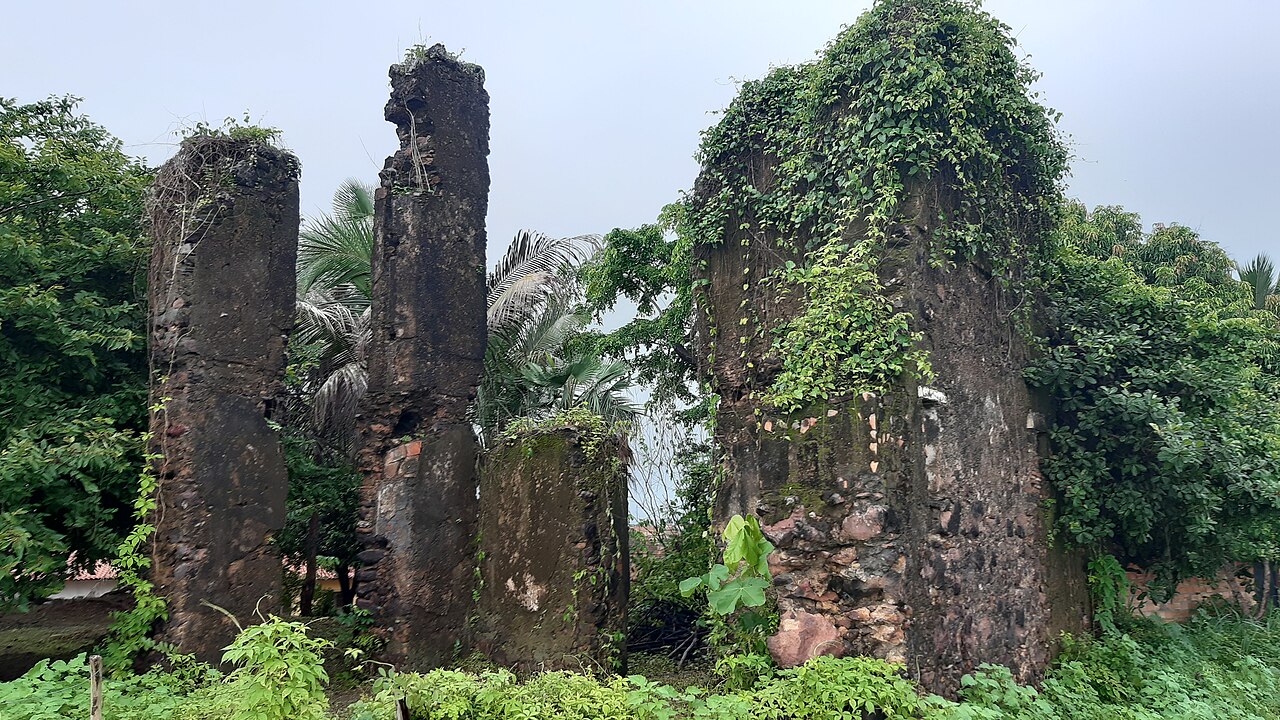
Today, Vera Cruz do Itapecuru Fort is recognized as a historical monument, though its condition may vary from partially preserved to ruins depending on conservation efforts and environmental factors. Preservation initiatives aim to protect the remaining structures and promote the fortress as a cultural heritage site.

Visitors to the site can observe the characteristic bastioned design and gain insight into the military architecture of the colonial period in Brazil. The fort's location offers views of the surrounding landscape, emphasizing its strategic placement.

Visiting information and cultural significance

While specific visitor amenities and opening hours are not widely documented, the fort is an important cultural landmark for the region. It attracts historians, architects, and tourists interested in colonial military history and coastal fortifications.

Efforts to increase public awareness and accessibility contribute to the preservation of Vera Cruz do Itapecuru Fort, highlighting its role in Brazil's historical narrative.

Frequently asked questions (FAQ)

What is the historical significance of Vera Cruz do Itapecuru Fort?
Vera Cruz do Itapecuru Fort, built in the 17th century, played a crucial role in the defense against invasions in colonial Brazil. Its strategic location allowed it to protect the region and facilitate trade along the Itapecuru River, making it a vital military outpost during its time.
When was Vera Cruz do Itapecuru Fort constructed?
The construction of Vera Cruz do Itapecuru Fort began in 1680 and was completed in the late 17th century. It was established to strengthen Portuguese defenses in the area against French and Dutch colonial threats.
How do I get to Vera Cruz do Itapecuru Fort?
Vera Cruz do Itapecuru Fort is accessible by car or public transportation from nearby cities. It is located approximately 25 kilometers from the city of São Luís, making it a convenient day trip for visitors interested in history and architecture.
What are the opening hours for visiting the fort?
The fort is open to visitors from Tuesday to Sunday, from 9 AM to 5 PM. It is advisable to arrive early to fully explore the site and enjoy the surrounding landscapes.
Is it possible to take guided tours of the fort?
Yes, guided tours are available at Vera Cruz do Itapecuru Fort, providing visitors with in-depth knowledge about its history and architecture. These tours often enhance the experience by sharing fascinating stories and insights that might not be apparent during a self-guided visit.
Can I take photographs inside the fort?
Photography is generally allowed inside Vera Cruz do Itapecuru Fort, allowing visitors to capture its stunning architecture and beautiful surroundings. However, it is recommended to check for any specific regulations or restrictions that may be in place at the time of your visit.
What is the best time to visit Vera Cruz do Itapecuru Fort?
The best time to visit the fort is during the dry season, which typically runs from May to September. This period offers pleasant weather, making it ideal for outdoor exploration and photography.
Are there any nearby attractions to explore after visiting the fort?
Yes, after visiting Vera Cruz do Itapecuru Fort, you can explore nearby attractions such as the beautiful beaches of São Luís and the historic center of São Luís, a UNESCO World Heritage site. These locations provide additional cultural and scenic experiences to enhance your trip.
What are the ticket prices for entering the fort?
Entry to Vera Cruz do Itapecuru Fort is generally free, making it an accessible destination for all visitors. However, it's always good to check for any updates or special events that might have associated fees.

Photo gallery

Vera Cruz do Itapecuru Fort
Click to view

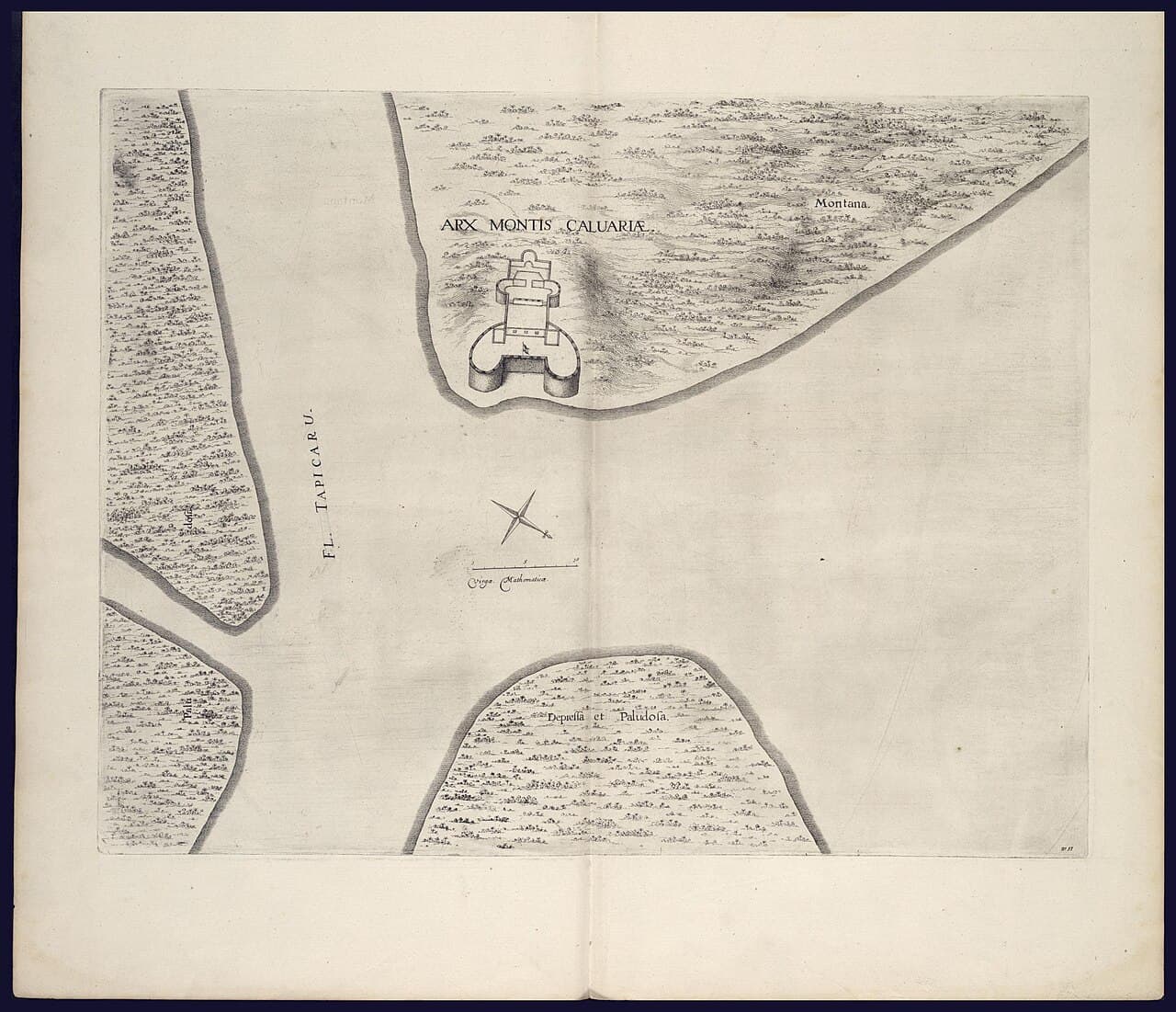
Photo by Georg Marcgrave•Public domain

1 photo • Click any image to view in full screen

Information

Bastioned Fortress

Loading map...

Visitor reviews

No reviews yet. Been here? Write the first review and help other travelers!

Write the first review

Visited this castle? Share your experience

Your review helps other travelers and adds first-hand knowledge to our encyclopedia.
Write a review

(5/5)

0/2000 characters

Your review will be visible after admin approval

Nearby castles

43.2 km
Fortress of Santo António da Barra — Brazil castle

Fortress of Santo António da Barra

, Brazil

The Fortress of Santo António da Barra is a prominent bastioned fortress located in Brazil, notable for its role in coastal defense during the colonial period. Constructed primarily in the 17th century, this fortress exemplifies European military architecture adapted to the unique challenges of the South American coastline. Its strategic position allowed it to guard important maritime routes and protect the nearby settlements from naval attacks and pirate incursions.Historical context and constructionThe fortress was built during the period of Portuguese colonial expansion, reflecting the need to secure Brazil's extensive coastline against foreign powers and privateers. The 17th century was a time of frequent naval conflicts in the Atlantic, and the Portuguese crown prioritized fortifications such as Santo António da Barra to maintain control over its territories.Designed as a bastioned fortress, its layout features angular bastions projecting from the curtain walls, allowing defenders to cover adjacent walls with overlapping fields of fire. This design was influenced by the trace italienne style, which became a standard for fortifications in the early modern period, emphasizing low, thick walls and angled bastions to resist cannon fire.Architectural features and layoutBastions and wallsThe fortress's most distinctive features are its robust bastions, which are positioned at the corners of the fortress to provide comprehensive defensive coverage. These bastions are connected by thick curtain walls constructed from stone and mortar, designed to absorb and deflect artillery bombardment.Defensive structuresAdditional defensive elements include a moat that surrounds the fortress, serving as a barrier against infantry assaults. The entrance is typically guarded by a gatehouse, often reinforced with artillery placements to control access. Inside, the fortress contains barracks, storage facilities, and artillery platforms, all arranged to support sustained defense during sieges.Strategic importance and historical roleThe Fortress of Santo António da Barra played a crucial role in the defense of the Brazilian coast, particularly protecting the harbor and nearby settlements from attacks by rival European powers and pirates. Its position enabled control over maritime traffic and served as a deterrent against invasions.Throughout its history, the fortress witnessed various military engagements and underwent modifications to adapt to evolving military technologies and threats. Despite changes, it has retained much of its original structure, offering insights into colonial military engineering.Current status and cultural significanceToday, the Fortress of Santo António da Barra stands as a well-preserved example of colonial bastioned fortifications in Brazil. It is a cultural landmark reflecting the historical military architecture and colonial heritage of the region. The fortress attracts visitors interested in history, architecture, and military engineering.Efforts to maintain and restore the fortress have helped preserve its structural integrity and historical features, enabling educational and tourism activities. It remains an important symbol of Brazil's colonial past and coastal defense strategies.

Post-Renaissance (17th–18th c.)
Details
56.7 km
Fort of São Sebastião de Alcântara — Brazil castle

Fort of São Sebastião de Alcântara

, Brazil

The Fort of São Sebastião de Alcântara is a prominent example of 18th-century bastioned fortress architecture located in Brazil. Constructed during the post-Renaissance period, this fort was part of a network of coastal defenses designed to protect the region from naval attacks and invasions during the colonial era. Its strategic placement and robust design reflect the military engineering principles that were prevalent in the 1700s, particularly the bastioned fortress style that emphasized angled bastions for improved defensive coverage. Historical context and significance During the 18th century, Brazil was a key colony of the Portuguese Empire, and its extensive coastline required fortified structures to safeguard important ports and settlements. The Fort of São Sebastião de Alcântara was built to defend against threats from rival European powers and pirates who sought to disrupt maritime trade routes. The fort’s construction coincided with a period of heightened military activity in the region, reflecting the broader geopolitical conflicts of the time. Architectural features and design Bastioned fortress layout The fort is characterized by its bastioned fortress design, a style that emerged in the late Renaissance and became widespread in the post-Renaissance era. This layout features angular bastions projecting outward from the main walls, allowing defenders to cover adjacent walls with overlapping fields of fire, minimizing blind spots. The walls are thick and constructed from durable materials suited to withstand cannon fire. Defensive structures The fort includes ramparts, curtain walls, and moats that enhance its defensive capabilities. The bastions are equipped with embrasures for artillery, enabling effective use of cannons to repel attackers. The entrance is typically fortified with a gatehouse and possibly a drawbridge, controlling access to the interior. Interior layout Inside, the fort would have contained barracks for soldiers, storage rooms for ammunition and supplies, and command quarters. The design often incorporated a central courtyard, providing space for troop assembly and maneuvering. Facilities for water storage and other necessities were essential for enduring sieges. Construction materials and techniques The fort was constructed primarily from local stone and brick, materials chosen for their strength and availability. The masonry work reflects the skilled craftsmanship of the period, with walls designed to absorb and deflect artillery impacts. The use of lime mortar and careful stone cutting contributed to the longevity of the structure. Preservation and current condition Today, the Fort of São Sebastião de Alcântara stands as a well-preserved example of colonial military architecture. Restoration efforts have aimed to maintain its structural integrity and historical authenticity, allowing visitors to explore its bastions, walls, and internal spaces. The site serves as a cultural landmark, providing insight into Brazil’s colonial past and military heritage. Visitor information and cultural importance The fort is accessible to the public and often features guided tours that explain its historical role and architectural features. It is a valuable educational resource and a point of interest for those studying colonial history and military engineering. The fort’s location offers scenic views of the surrounding landscape, enhancing its appeal as a tourist destination.

Post-Renaissance (17th–18th c.)
Details
502 km
Forte do Castelo de Belém — Brazil castle

Forte do Castelo de Belém

Belém, Brazil

Forte do Castelo de Belém, also known as Forte do Presépio, is a significant historic fortification located in the city of Belém, in the state of Pará, Brazil. Constructed in 1616 by Francisco Caldeira Castelo Branco, the fort occupies a strategic position on Maúri Point, a promontory overlooking the confluence of the Guamá River and Guajará Bay. This location was carefully selected to control access to the river and protect the early colonial settlement from foreign invasions and indigenous attacks.The fort's architecture reflects the Renaissance military design principles adapted to the tropical environment of northern Brazil. It was built primarily with local materials, including stone and mortar, and features thick defensive walls, bastions, and a moat designed to withstand artillery assaults common in the 17th century. The structure served not only as a military stronghold but also as the administrative center for the Portuguese crown's interests in the region.Historical significance and early functionsThe fort was central to the establishment of the city of Belém, originally called "Feliz Lusitânia," marking the beginning of Portuguese colonization in the Amazon basin. Its construction was part of a broader effort to consolidate Portuguese claims in the area against competing European powers such as the Dutch and French.Within its walls, the fort housed the first chapel in Belém, dedicated to Our Lady of Grace. This chapel was initially a temporary structure but played a crucial role in the religious life of the early settlers. It was later relocated to the site now known as Largo da Sé, where it evolved into the Cathedral of Our Lady of Grace during the 18th century, underscoring the fort's importance as a religious as well as military hub.Architectural features and layoutForte do Castelo de Belém is characterized by its compact and robust design typical of early colonial forts. The fort includes a central courtyard surrounded by defensive walls and bastions equipped with artillery placements. The walls are punctuated by embrasures and parapets designed for muskets and cannons, reflecting the military technology of the period.The entrance is fortified with a gatehouse and drawbridge, which provided controlled access and enhanced security. Inside, quarters for soldiers and officers, storage rooms for ammunition and supplies, and administrative offices were arranged around the courtyard to facilitate efficient defense and daily operations.Defensive adaptationsThe fort's design incorporates adaptations to the local climate, such as elevated foundations to prevent flooding and ventilation features to mitigate the tropical heat and humidity. The moat surrounding the fort added an extra layer of defense against potential attackers arriving by water.Later history and preservationThroughout its history, Forte do Castelo de Belém witnessed various military engagements and played a role in the defense of the Portuguese empire's interests in the Amazon region. Over the centuries, the fort underwent modifications and repairs to maintain its defensive capabilities.In the 20th century, recognizing its cultural and historical value, the fort was listed as a historic structure by the National Historic and Artistic Heritage Institute (IPHAN) in 1961. This designation has helped preserve the fort as a cultural landmark and tourist attraction in Belém.Today, the fort is open to visitors and serves as a museum showcasing the region's colonial history, military architecture, and the early settlement of Belém. Its well-preserved walls and bastions provide insight into 17th-century fortification techniques and the strategic importance of the site during the colonial period.Visiting forte do castelo de belémVisitors to the fort can explore its historic ramparts, the chapel site, and various exhibits detailing the fort's role in the history of Pará and Brazil. The location offers scenic views of the Guamá River and Guajará Bay, enhancing the visitor experience with both historical and natural attractions.The fort is accessible from central Belém and is often included in cultural and historical tours of the city. It remains a key symbol of the Portuguese colonial legacy in northern Brazil.

Renaissance (15th–17th c.)
Details