Fortress of Santo António da Barra
Historical context and construction
The fortress was built during the period of Portuguese colonial expansion, reflecting the need to secure Brazil's extensive coastline against foreign powers and privateers. The 17th century was a time of frequent naval conflicts in the Atlantic, and the Portuguese crown prioritized fortifications such as Santo António da Barra to maintain control over its territories.
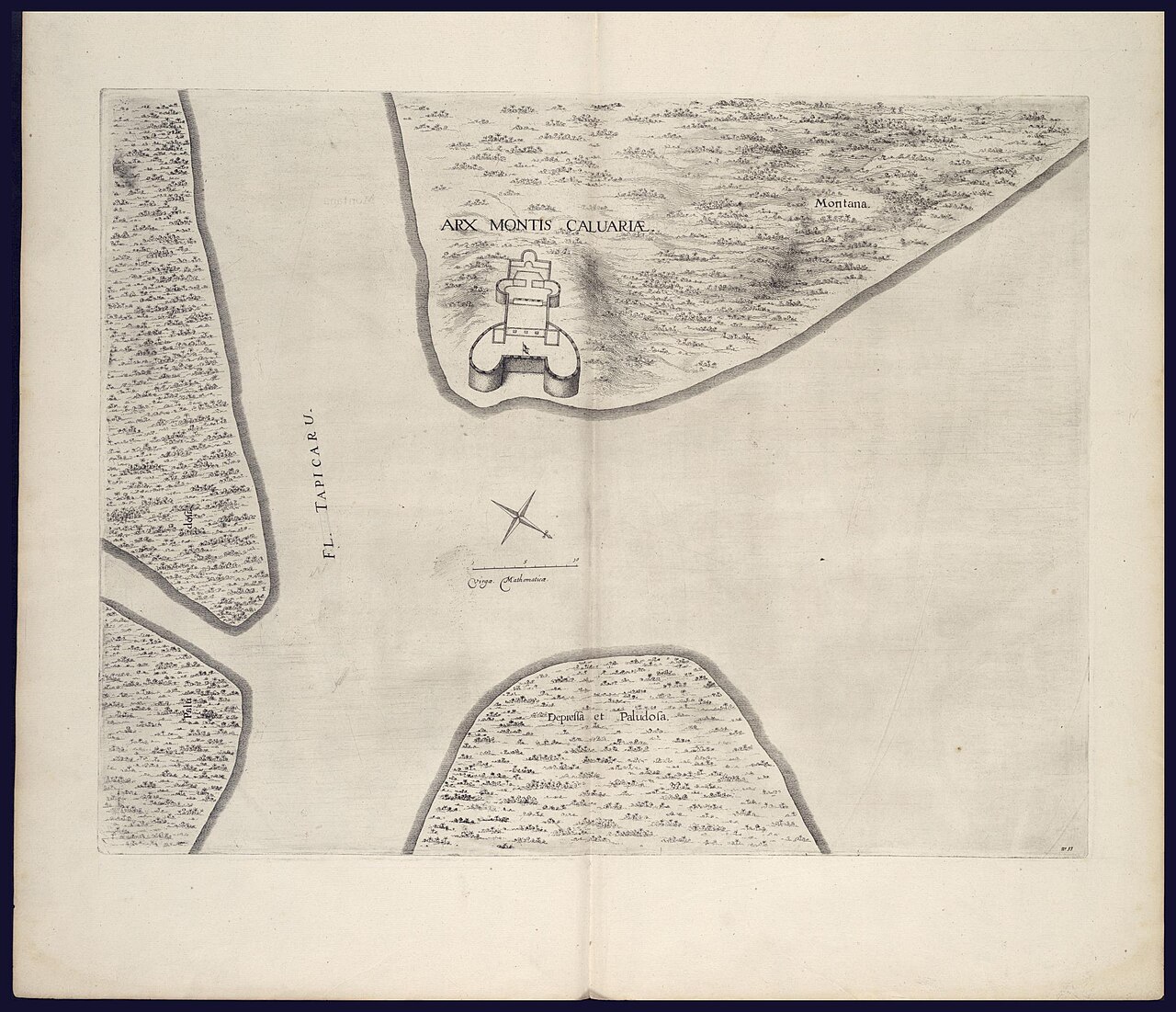
Designed as a bastioned fortress, its layout features angular bastions projecting from the curtain walls, allowing defenders to cover adjacent walls with overlapping fields of fire. This design was influenced by the trace italienne style, which became a standard for fortifications in the early modern period, emphasizing low, thick walls and angled bastions to resist cannon fire.
Architectural features and layout
Bastions and walls
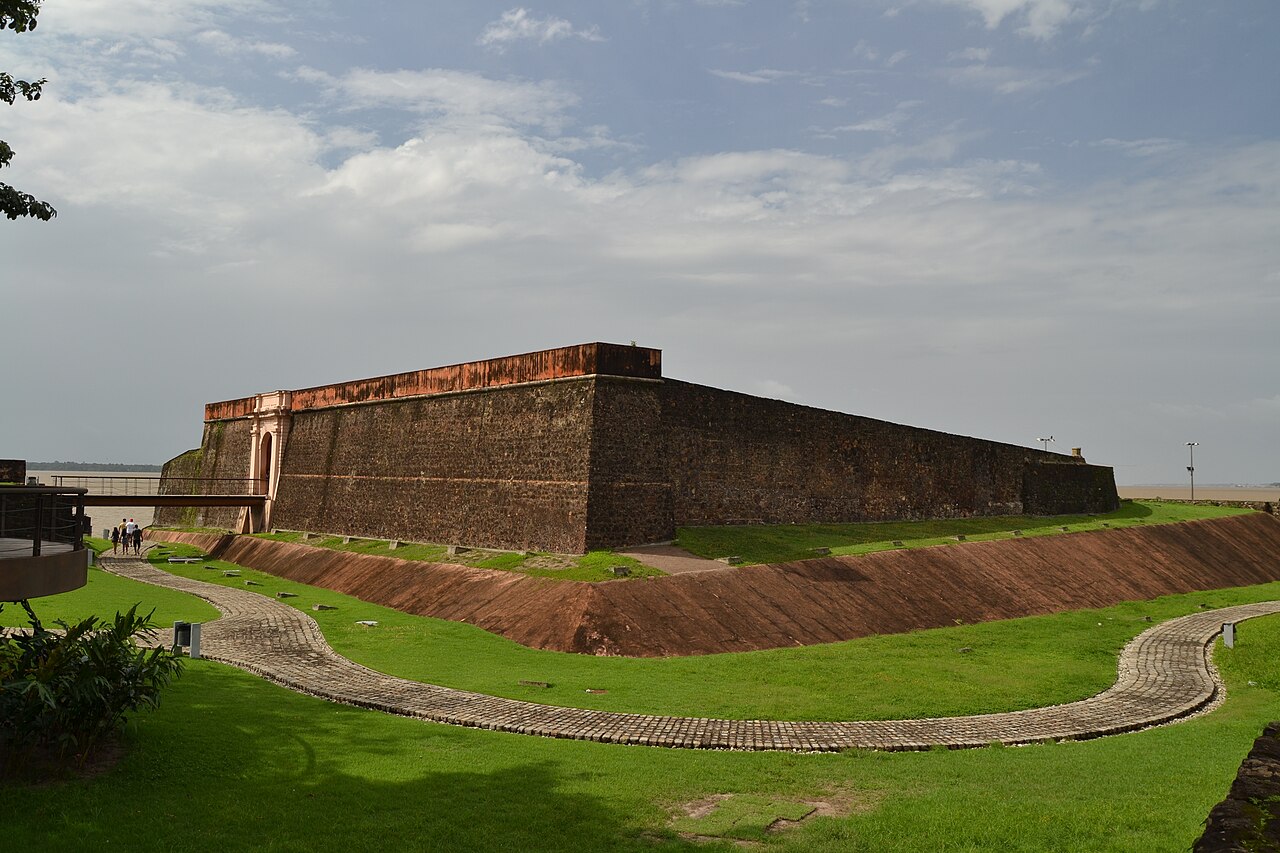
The fortress's most distinctive features are its robust bastions, which are positioned at the corners of the fortress to provide comprehensive defensive coverage. These bastions are connected by thick curtain walls constructed from stone and mortar, designed to absorb and deflect artillery bombardment.
Defensive structures
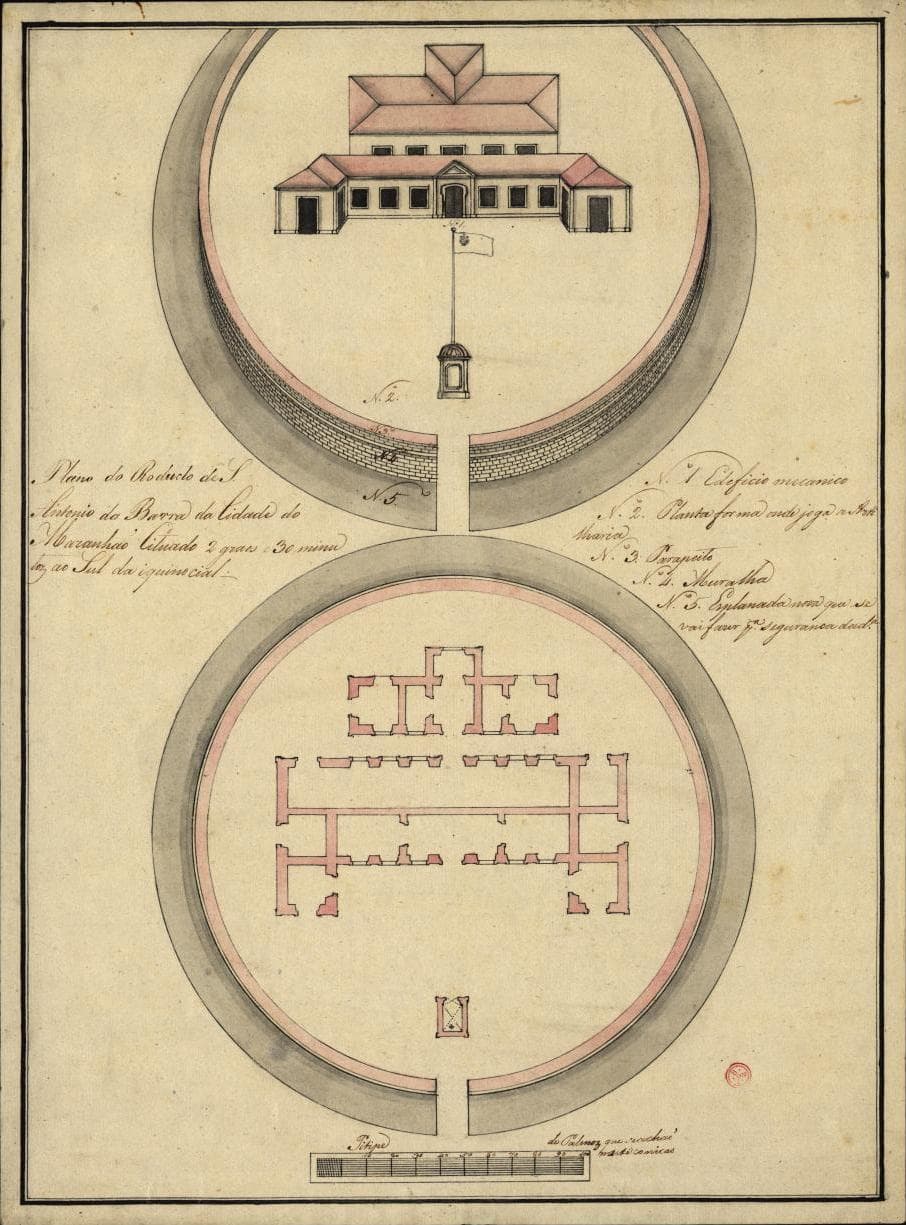
Additional defensive elements include a moat that surrounds the fortress, serving as a barrier against infantry assaults. The entrance is typically guarded by a gatehouse, often reinforced with artillery placements to control access. Inside, the fortress contains barracks, storage facilities, and artillery platforms, all arranged to support sustained defense during sieges.
Strategic importance and historical role
The Fortress of Santo António da Barra played a crucial role in the defense of the Brazilian coast, particularly protecting the harbor and nearby settlements from attacks by rival European powers and pirates. Its position enabled control over maritime traffic and served as a deterrent against invasions.
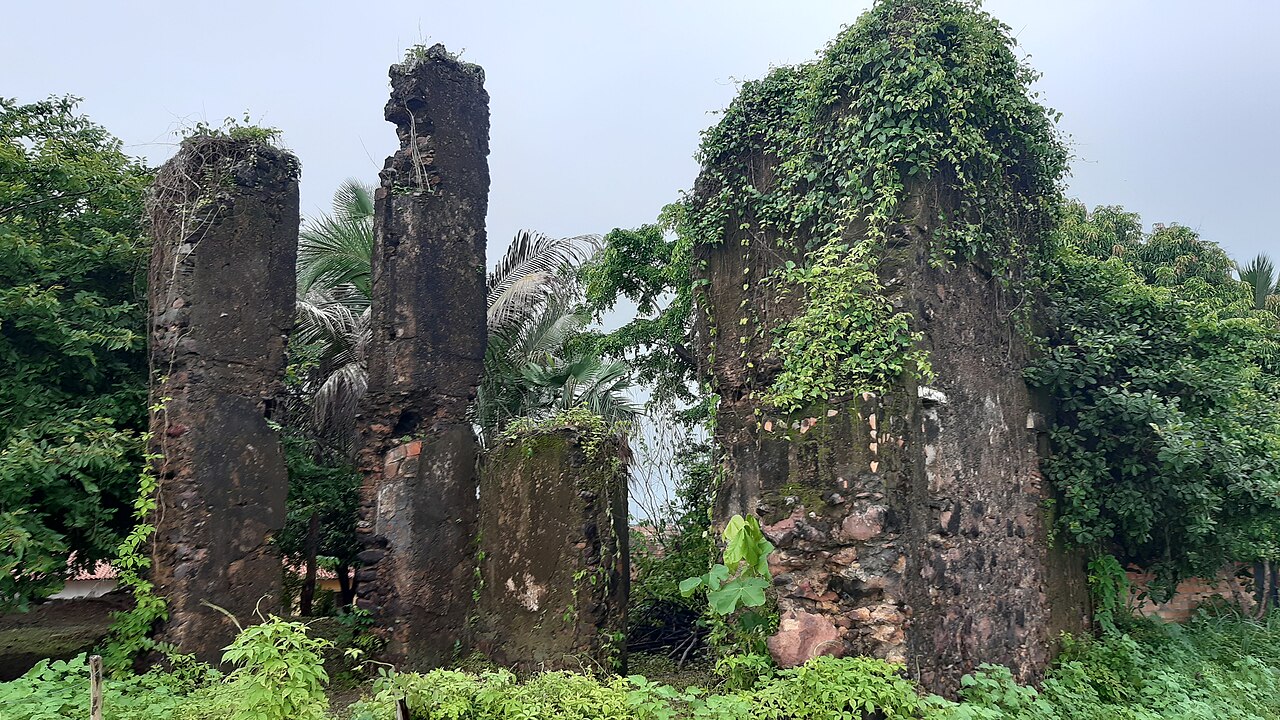
Throughout its history, the fortress witnessed various military engagements and underwent modifications to adapt to evolving military technologies and threats. Despite changes, it has retained much of its original structure, offering insights into colonial military engineering.
Current status and cultural significance
Today, the Fortress of Santo António da Barra stands as a well-preserved example of colonial bastioned fortifications in Brazil. It is a cultural landmark reflecting the historical military architecture and colonial heritage of the region. The fortress attracts visitors interested in history, architecture, and military engineering.
Efforts to maintain and restore the fortress have helped preserve its structural integrity and historical features, enabling educational and tourism activities. It remains an important symbol of Brazil's colonial past and coastal defense strategies.
Frequently asked questions (FAQ)
- What is the historical significance of the Fortress of Santo António da Barra?
- The fortress played a vital role in protecting Brazil's coastline from naval attacks during the colonial era, serving as a strategic bastioned fortress for maritime defense.
- Can visitors tour the fortress today?
- Yes, the fortress is well-preserved and open to visitors interested in exploring colonial military architecture and Brazilian history.
- What architectural style characterizes the fortress?
- The fortress is designed in the bastioned style, influenced by the trace italienne fortification system common in the post-medieval period.
- When was the fortress constructed?
- Construction of the fortress began in the 17th century during the Portuguese colonial period to secure the coast against foreign threats.
- Why were bastioned fortresses important in colonial Brazil?
- Bastioned fortresses provided enhanced defense against artillery and infantry attacks, crucial for protecting strategic ports and settlements along the vulnerable coastline.
Photo gallery

Photo by Unknown authorUnknown author•Public domain
Information
Loading map...
Visitor reviews
No reviews yet. Been here? Write the first review and help other travelers!
Write the first reviewVisited this castle? Share your experience
Your review helps other travelers and adds first-hand knowledge to our encyclopedia.