Forte do Castelo de Belém
Forte do Castelo de Belém, also known as Forte do Presépio, is a significant historic fortification located in the city of Belém, in the state of Pará, Brazil. Constructed in 1616 by Francisco Caldeira Castelo Branco, the fort occupies a strategic position on Maúri Point, a promontory overlooking the confluence of the Guamá River and Guajará Bay. This location was carefully selected to control access to the river and protect the early colonial settlement from foreign invasions and indigenous attacks.
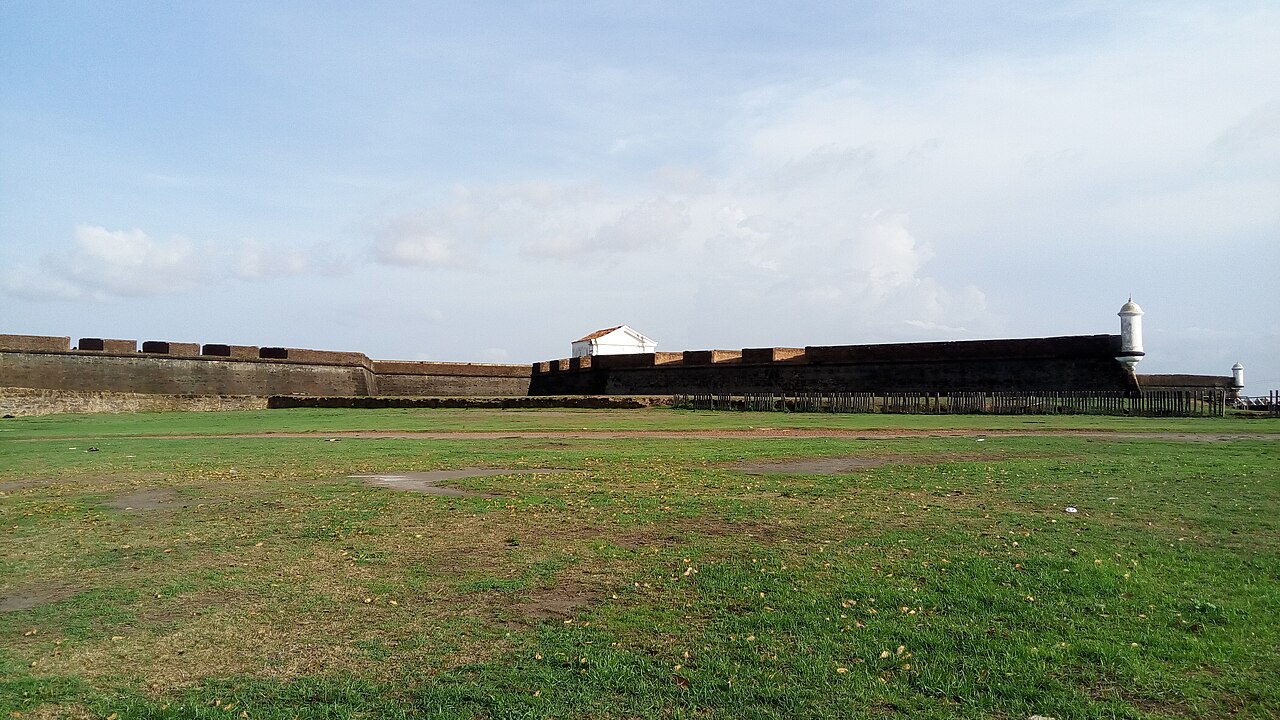
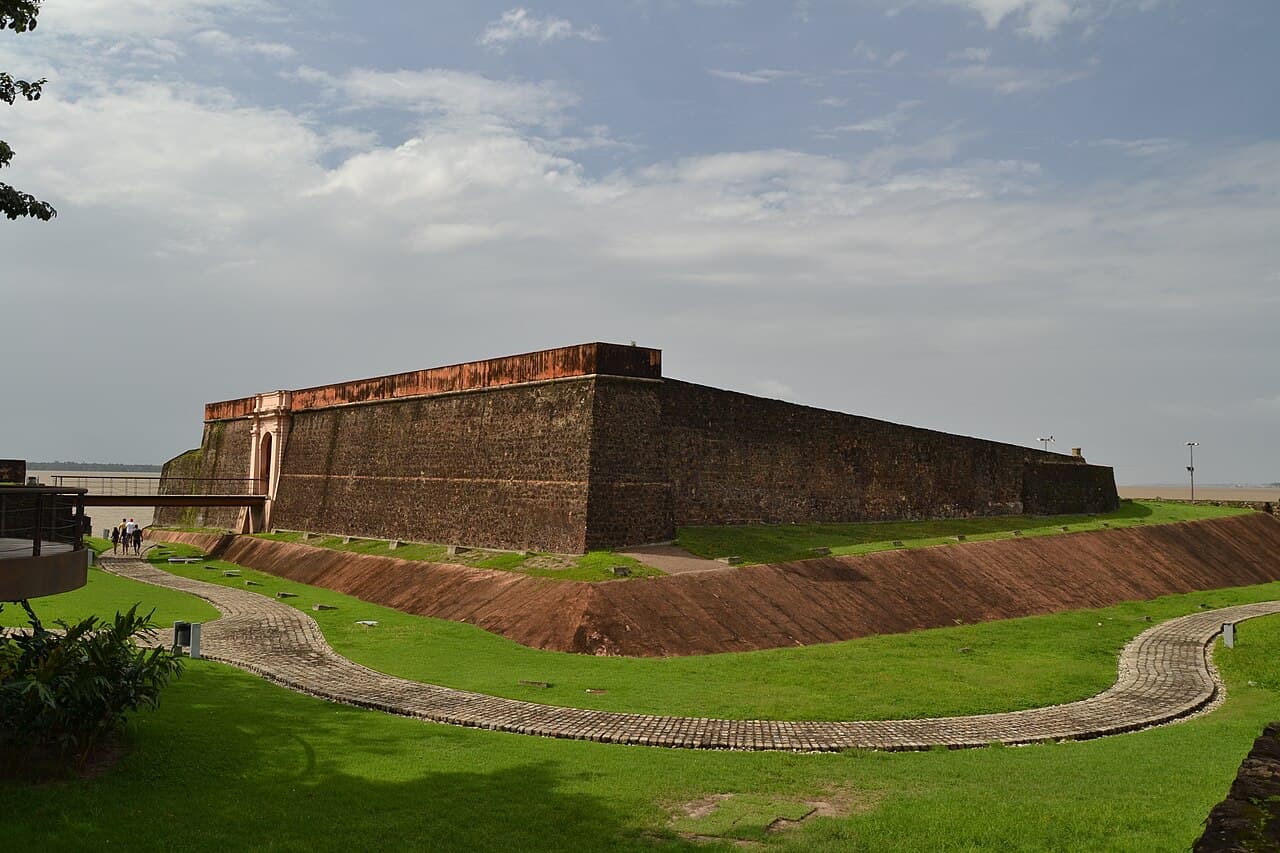
The fort's architecture reflects the Renaissance military design principles adapted to the tropical environment of northern Brazil. It was built primarily with local materials, including stone and mortar, and features thick defensive walls, bastions, and a moat designed to withstand artillery assaults common in the 17th century. The structure served not only as a military stronghold but also as the administrative center for the Portuguese crown's interests in the region.
Historical significance and early functions
The fort was central to the establishment of the city of Belém, originally called "Feliz Lusitânia," marking the beginning of Portuguese colonization in the Amazon basin. Its construction was part of a broader effort to consolidate Portuguese claims in the area against competing European powers such as the Dutch and French.
Within its walls, the fort housed the first chapel in Belém, dedicated to Our Lady of Grace. This chapel was initially a temporary structure but played a crucial role in the religious life of the early settlers. It was later relocated to the site now known as Largo da Sé, where it evolved into the Cathedral of Our Lady of Grace during the 18th century, underscoring the fort's importance as a religious as well as military hub.
Architectural features and layout
Forte do Castelo de Belém is characterized by its compact and robust design typical of early colonial forts. The fort includes a central courtyard surrounded by defensive walls and bastions equipped with artillery placements. The walls are punctuated by embrasures and parapets designed for muskets and cannons, reflecting the military technology of the period.
The entrance is fortified with a gatehouse and drawbridge, which provided controlled access and enhanced security. Inside, quarters for soldiers and officers, storage rooms for ammunition and supplies, and administrative offices were arranged around the courtyard to facilitate efficient defense and daily operations.
Defensive adaptations
The fort's design incorporates adaptations to the local climate, such as elevated foundations to prevent flooding and ventilation features to mitigate the tropical heat and humidity. The moat surrounding the fort added an extra layer of defense against potential attackers arriving by water.
Later history and preservation
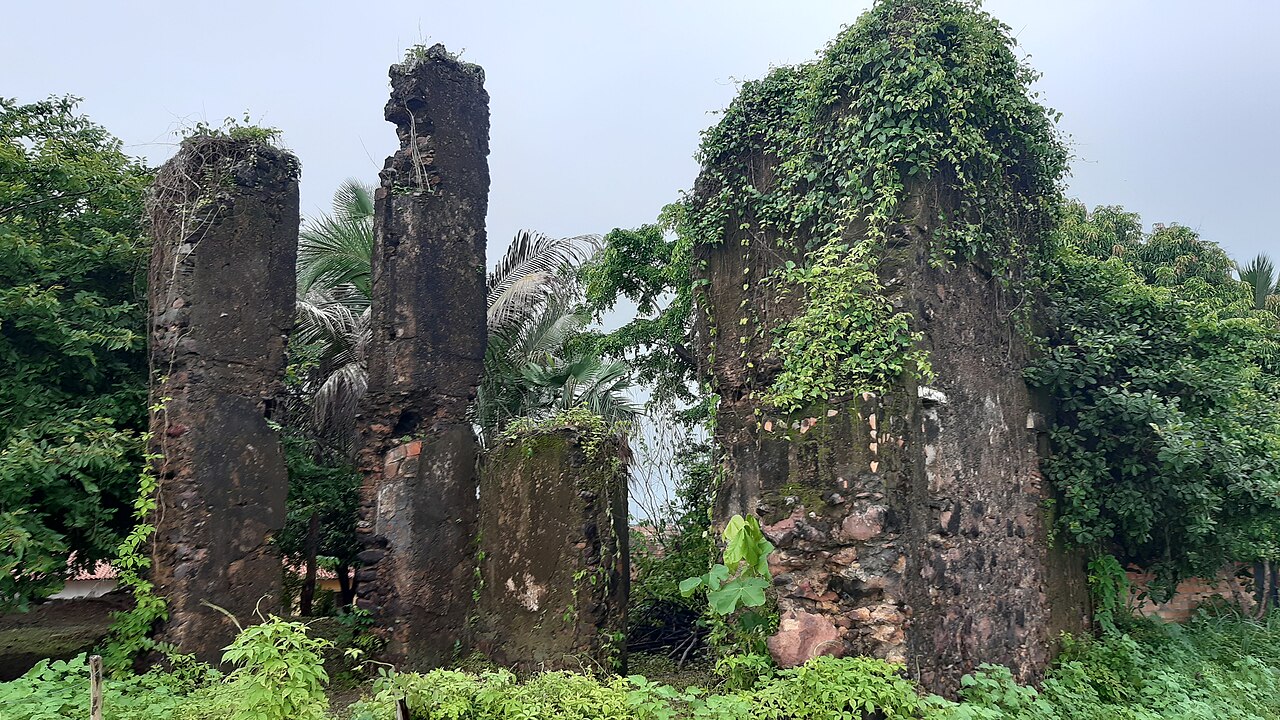
Throughout its history, Forte do Castelo de Belém witnessed various military engagements and played a role in the defense of the Portuguese empire's interests in the Amazon region. Over the centuries, the fort underwent modifications and repairs to maintain its defensive capabilities.
In the 20th century, recognizing its cultural and historical value, the fort was listed as a historic structure by the National Historic and Artistic Heritage Institute (IPHAN) in 1961. This designation has helped preserve the fort as a cultural landmark and tourist attraction in Belém.
Today, the fort is open to visitors and serves as a museum showcasing the region's colonial history, military architecture, and the early settlement of Belém. Its well-preserved walls and bastions provide insight into 17th-century fortification techniques and the strategic importance of the site during the colonial period.
Visiting forte do castelo de belém
Visitors to the fort can explore its historic ramparts, the chapel site, and various exhibits detailing the fort's role in the history of Pará and Brazil. The location offers scenic views of the Guamá River and Guajará Bay, enhancing the visitor experience with both historical and natural attractions.
The fort is accessible from central Belém and is often included in cultural and historical tours of the city. It remains a key symbol of the Portuguese colonial legacy in northern Brazil.
Frequently asked questions (FAQ)
- What is the historical significance of Forte do Castelo de Belém?
- Forte do Castelo de Belém, also known as the Belém Fortress, was built in the 16th century to protect the entrance of the Bay of Guanabara. It played a crucial role during the Portuguese colonial period and is a key symbol of Brazil's colonial history.
- When was Forte do Castelo de Belém built?
- The construction of Forte do Castelo de Belém began in 1555 and was completed in 1577. It was strategically designed to defend against foreign invasions and has since become an important historical landmark.
- How do I get to Forte do Castelo de Belém?
- Forte do Castelo de Belém is easily accessible via public transportation, with several bus routes and metro stations nearby. Visitors can also reach the fortress by taxi or rideshare services for added convenience.
- What are the opening hours of Forte do Castelo de Belém?
- Forte do Castelo de Belém is typically open to visitors from Tuesday to Sunday, from 9 AM to 5 PM. It is advisable to check the official website for any seasonal changes or holiday hours before planning your visit.
- Can I take guided tours at Forte do Castelo de Belém?
- Yes, guided tours are available and provide in-depth information about the fortress's history, architecture, and role in Brazil's past. These tours can enhance your experience and are often conducted by knowledgeable local guides.
- Is it possible to visit Forte do Castelo de Belém for free?
- While there may be specific days when entry is free, the general admission fee is quite affordable. It's best to verify current ticket prices on the official website before your visit.
- What is the best time to visit Forte do Castelo de Belém?
- The best time to visit is during the dry season from May to October when the weather is more pleasant for exploring. However, weekends can be busier, so visiting on weekdays might offer a more relaxed experience.
- Are there any nearby attractions to explore after visiting Forte do Castelo de Belém?
- Yes, nearby attractions include the iconic Pão de Açúcar (Sugarloaf Mountain) and the historic neighborhood of Santa Teresa. Both locations offer additional opportunities for sightseeing and cultural experiences.
- Is Forte do Castelo de Belém wheelchair accessible?
- The fortress has made efforts to improve accessibility, but visitors with mobility challenges may find some areas difficult to navigate due to the historic architecture. It's recommended to contact the site in advance to inquire about specific accessibility options available during your visit.
Photo gallery

Information
Loading map...
Visitor reviews
No reviews yet. Been here? Write the first review and help other travelers!
Write the first reviewVisited this castle? Share your experience
Your review helps other travelers and adds first-hand knowledge to our encyclopedia.