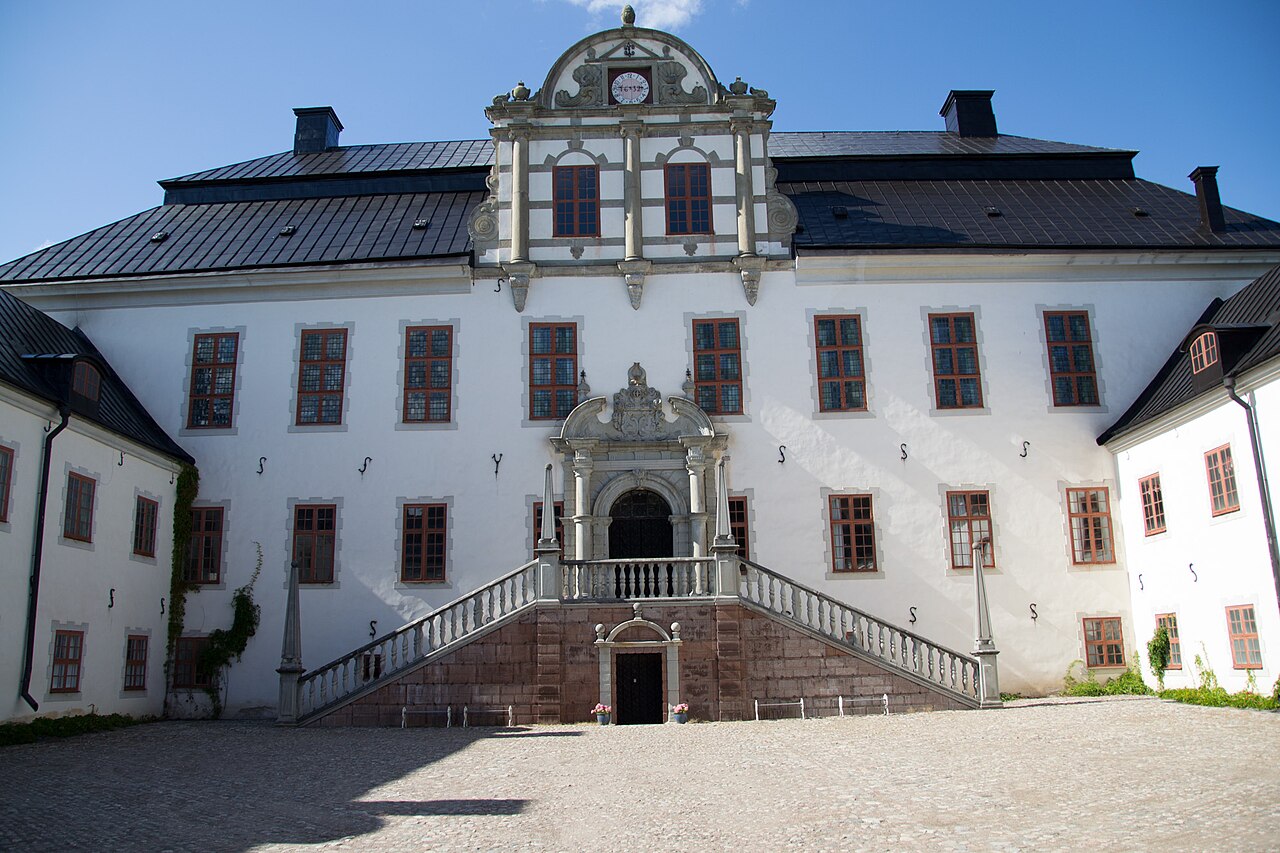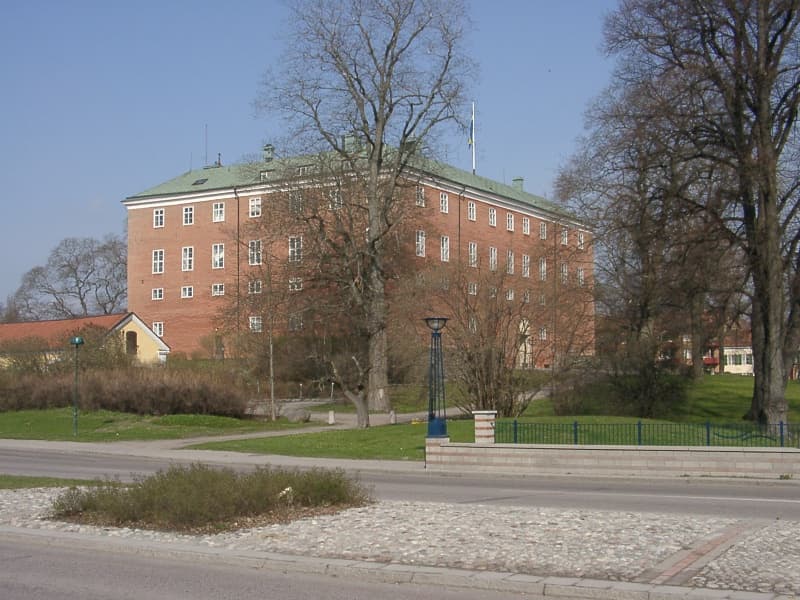
Västerås Castle — Sweden castle

Västerås Castle

Västerås Castle: historic hill castle in Västmanland, Sweden
Västerås, Sweden
High Medieval (11th–13th c.)
Well Preserved

Västerås Castle, located in the city of Västerås within the province of Västmanland, Sweden, is a significant medieval fortress with a rich history spanning several centuries. Originally constructed in the 13th century as a hill castle, it has undergone numerous modifications reflecting the political and architectural developments of Sweden through the High Medieval period and beyond.

Early construction and medieval origins

The castle's origins trace back to the 13th century, a time when such fortifications were crucial for regional defense and administration. Built strategically on elevated ground, Västerås Castle was designed to oversee and protect the surrounding lands of Västmanland. The initial structure likely consisted of a fortified stone keep and defensive walls typical of high medieval hill castles in Scandinavia, providing both a military stronghold and a noble residence.

Renaissance transformations under gustav vasa

By the 16th century, the castle had suffered damage from various conflicts and was in a state of disrepair. When Gustav Vasa, the king who established Sweden’s independence from the Kalmar Union, took control of the castle, he initiated extensive renovations and expansions. These alterations, carried out primarily in the mid-1500s, transformed the medieval fortress into a more comfortable and functional residence while maintaining its defensive capabilities. The castle's architecture from this period reflects renaissance influences intertwined with its medieval origins.

The young man’s apartment and royal residence

In 1544, the government granted the castle's "Young Man’s Apartment" to Crown Prince Erik, the son of Gustav Vasa. This suite of rooms was designed to provide private quarters befitting a royal heir. The castle thus functioned not only as a military fortress but also as a royal residence, illustrating its dual role in Swedish history.

Imprisonment of erik xiv

Västerås Castle is notably remembered as the prison of King Erik XIV, the son of Gustav Vasa and Crown Prince Erik. Following his deposition, Erik XIV was confined in the castle from 14 June 1573 to 16 October 1574. He was held in what became known as the "dark prison", a harsh and isolated chamber within the castle walls. During his imprisonment, Erik was kept separated from his wife, Karin Månsdotter, and their child, emphasizing the severity of his captivity.

Shortly before his death, Erik XIV was transferred to Örbyhus Castle, where he allegedly died from poisoning, according to historical accounts involving poisoned pea soup. Despite his death elsewhere, his remains were returned to Västerås for burial in the Västerås Cathedral, cementing the castle’s connection to his legacy.

Architectural features and layout

The castle's layout reflects its evolution from a medieval fortress to a Renaissance residence. Key architectural features include robust stone walls, defensive battlements, and a central keep. The castle also contains multiple courtyards and chambers adapted over time for residential and administrative purposes. The "dark prison" remains a notable historical site within the castle, illustrating its use for royal incarceration.

Modern use and cultural significance

Today, Västerås Castle serves as the home of the Västmanland county museum, which includes the county archive, library, and administrative offices. The museum’s mission is to deepen public knowledge of the region’s cultural heritage, encourage interest in local history, and provide insights into the past that enrich contemporary perspectives. The castle’s preservation allows visitors to explore both its architectural heritage and its role in Swedish history.

Museum collections and public engagement

The museum hosts exhibitions related to the history and culture of Västmanland, including archaeological finds, historical artifacts, and documents. Educational programs and events are regularly held to engage the community and tourists, making the castle a vibrant cultural center.

Frequently asked questions (FAQ)

How do I visit Västerås Castle?
Västerås Castle is open to the public as it houses the Västmanland county museum. Visitors can explore the museum exhibitions and the castle grounds during regular opening hours, which are typically from morning to late afternoon. It is advisable to check the museum's official website for current visiting hours before planning your visit.
What is the historical significance of Västerås Castle?
Västerås Castle played a key role in Swedish history as a medieval fortress, royal residence, and prison. It was notably the prison of King Erik XIV and was significantly altered by Gustav Vasa in the 16th century. The castle reflects Sweden's political and architectural evolution from the Middle Ages to the Renaissance.
Can I see the prison where King Erik XIV was held?
Yes, the castle contains the "dark prison" where King Erik XIV was imprisoned from 1573 to 1574. This chamber is part of the historical exhibits and can be viewed by visitors interested in the castle's royal history.
What architectural styles are represented in Västerås Castle?
Västerås Castle features a combination of High Medieval defensive architecture and Renaissance modifications. The original medieval stone walls and keep coexist with Renaissance-era residential additions made during Gustav Vasa's renovations in the 16th century.
Is Västerås Castle accessible for visitors with disabilities?
The castle and museum strive to accommodate visitors with disabilities, but due to the historic nature of the building, some areas may have limited accessibility. It is recommended to contact the museum in advance to inquire about specific accessibility needs.

Photo gallery

Västerås Castle
Click to view
1 photo • Click any image to view in full screen

Information

Hill Castle

Sources & official resources

Verify the information above using these authoritative references.

Loading map...

Visitor reviews

No reviews yet. Been here? Write the first review and help other travelers!

Write the first review

Visited this castle? Share your experience

Your review helps other travelers and adds first-hand knowledge to our encyclopedia.
Write a review

(5/5)

0/2000 characters

Your review will be visible after admin approval

Nearby castles

6.5 km
Fullerö Castle — Sweden castle

Fullerö Castle

Barkarö, Sweden

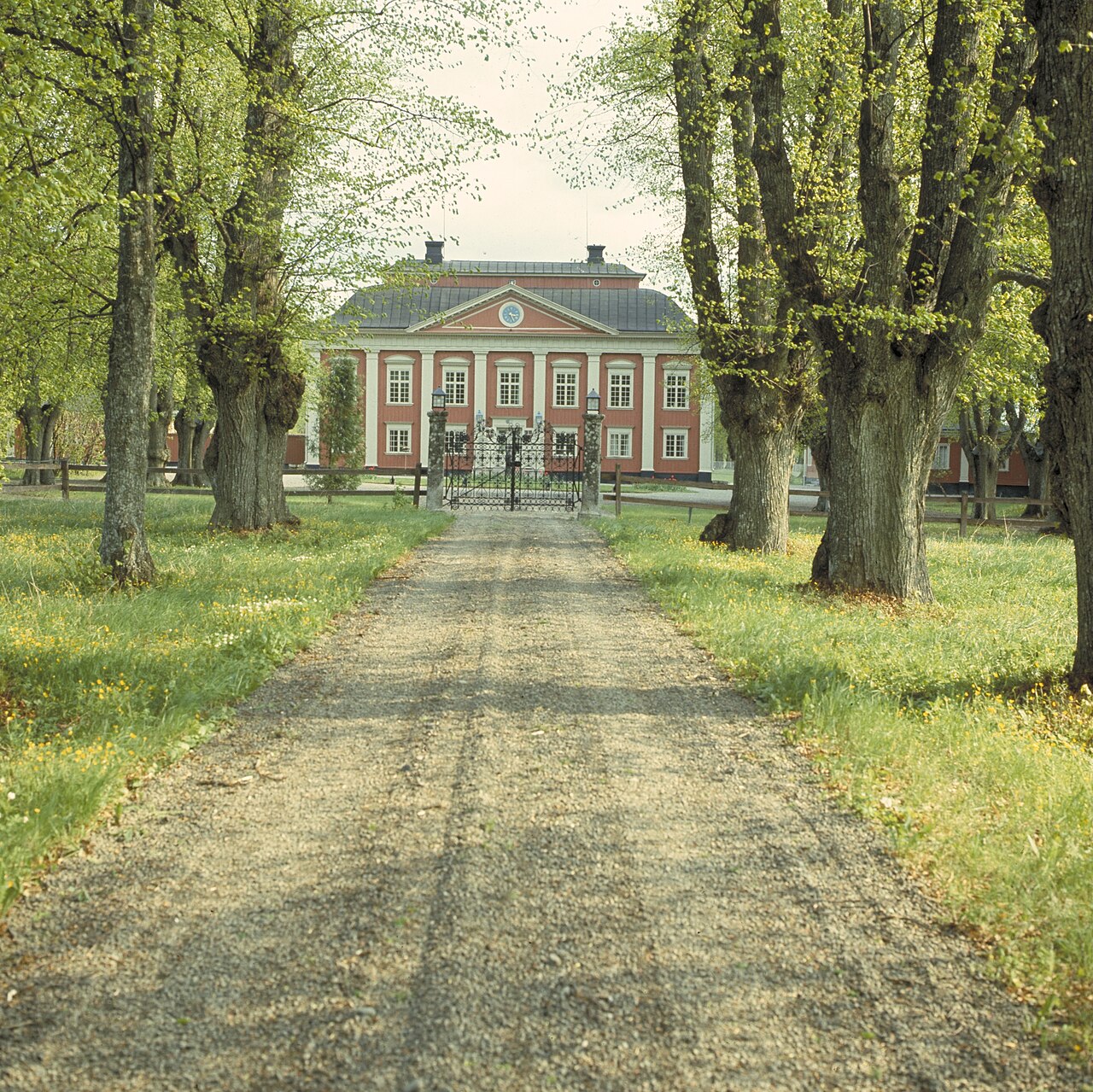
Fullerö Castle is a notable 17th-century Renaissance hill castle located in Barkarö, Sweden. It has served as a fideicommissum since 1739, a legal arrangement preserving the estate within a family lineage. The castle is historically significant for its connection to prominent Swedish noble families and military figures. Historical background and ownership The castle was acquired by the comital family Cronstedt in the 17th century, marking an important chapter in its history. The Cronstedt family was influential in Swedish nobility, and their ownership helped shape the estate's legacy. One of the most distinguished individuals associated with Fullerö Castle is Augustin Ehrensvärd, born at the castle. Ehrensvärd was a prominent military officer and architect, best known for overseeing the construction of the Suomenlinna (Sveaborg) fortress in Finland, a key maritime defense installation. Architectural features and style Fullerö Castle exemplifies Renaissance architecture, typical of the 17th century in Sweden. The castle is classified as a hill castle, meaning it is strategically situated on elevated terrain, providing natural defensive advantages. The Renaissance style is reflected in its balanced proportions, symmetrical layout, and the incorporation of classical elements such as pilasters and decorative stonework. The castle's structure likely includes traditional Renaissance features such as fortified walls, towers, and a courtyard, although specific architectural details require further study. The elevated position would have allowed for commanding views of the surrounding landscape, enhancing its defensive capabilities. Significance of Augustin Ehrensvärd and military heritage Augustin Ehrensvärd’s birth at Fullerö Castle links the estate to Sweden's military history. Ehrensvärd’s role as the chief architect and commander of the Suomenlinna fortress project underscores the castle’s connection to Sweden's strategic military developments in the 18th century. Suomenlinna remains a UNESCO World Heritage site, reflecting the lasting impact of Ehrensvärd’s work. Preservation and current status Fullerö Castle has been maintained as a fideicommissum since the early 18th century, preserving its ownership and heritage within the family. The castle's condition is generally well-preserved, retaining much of its historical character and architectural integrity. It stands as a testament to the noble families who shaped Sweden’s cultural and military history. Visiting Fullerö Castle and its surroundings While Fullerö Castle is a private estate, its historical significance and architectural qualities make it an important landmark in the Barkarö region. The surrounding landscape offers insights into the strategic considerations of hill castles in Sweden, including natural defenses and viewsheds. Visitors interested in Swedish Renaissance architecture and military history may find the castle’s story compelling, though access may be limited due to private ownership. Nearby historical and cultural sites The region around Barkarö and the wider Västmanland area hosts various heritage sites, including medieval churches and other noble estates. These sites collectively provide context for Fullerö Castle’s role in the historical landscape of Sweden during the Renaissance and later periods.

Renaissance (15th–17th c.)
Details
11.8 km
Tidö Castle — Sweden castle

Tidö Castle

Västerås, Sweden

Tidö Castle, located near Västerås in Västmanland, Sweden, is one of the country's best preserved examples of a Renaissance noble residence exhibiting strong influences from the Dutch Renaissance and early Baroque architectural styles. The castle's history spans several centuries, beginning with a medieval stone house established in the late 15th century and evolving into the grand 17th-century palace seen today. Medieval origins and early history The site of Tidö Castle was originally occupied by a fortified stone house known as Oldenburg, constructed by the Gren family in the late 1400s. This medieval structure was a square fortress crowned with a stair tower and surrounded by defensive moats, typical of noble estates of the period. The castle's early ownership included prominent Scandinavian noble families such as the Gren, Leijonhufvud, Tott, and Bååt lineages. In 1537, the estate was sold to Queen consort Margaret Leijonhufvud, wife of King Gustav Vasa, who later exchanged it for Ekolsund Castle in 1540, passing Tidö to the Tott family. Transformation into a renaissance palace Between 1625 and 1645, the medieval fortress was replaced by the present castle under the direction of Lord High Chancellor Axel Oxenstierna and his wife Anna Åkesdotter Bååt. This extensive rebuilding transformed Tidö into a grand noble residence reflecting the late Renaissance and early Baroque styles popular in Europe at the time. The design incorporated a rectangular courtyard layout with a two-story main building on the north side and three linked two-story wings on the east, west, and south sides. The entrance is through a vaulted gateway in the south wing. The architectural design involved notable figures such as Simon de la Vallée and Nicodemus Tessin the Elder, who contributed to the castle's stylistic features and decorative elements. The castle's exterior is distinguished by sandstone portals carved around 1640 by stonemason Heinrich Blume, featuring Doric half-columns and double coats of arms representing the Oxenstierna and Bååt families. The southern wing's façade also includes small curved turrets inspired by South German architecture, a rare motif in Sweden. Architectural details and interior features Tidö Castle's roofing was originally a high hipped saddle roof but was replaced in the early 18th century with a manor-style roof. Despite this change, several 17th-century copper water spouts shaped like dolphins, crafted by Peter Mitter, remain on the roofs of the wings. The castle interior preserves many original elements, including the Knight's Hall with 17th-century intarsia wood doors featuring intricate inlaid patterns, deep window niches with stone benches, and a limestone floor. The hall also contains a richly decorated open fireplace bearing the family coats of arms dated 1652. Other notable rooms include the Yellow Salon, furnished in the 18th-century Gustavian style with a ceiling painting of Aurora by Carl Gustaf Wetterstrand. The Gallery displays 17th-century portraits of Swedish military leaders, baroque crystal chandeliers, and 18th-century column stoves. The Blue Dining Room combines 18th-century décor with a 17th-century Delft tulip vase centerpiece. Approximately forty elaborately decorated wooden doors in Renaissance style survive throughout the castle, crafted by German artisans with rich mosaic woodwork. Original ceiling beams bear Renaissance motifs, underscoring Tidö's status as one of Sweden's most intact Renaissance noble residences, comparable to other Oxenstierna family estates such as Rosersberg, Sturefors, Sätuna, and Tyresö castles. Later history and cultural significance After remaining in the Oxenstierna family for around two centuries, Tidö Castle was purchased in 1889 by the von Schinkel family, who continue to own it. In 1974, Carl-David von Schinkel established a toy museum within the castle, which later merged with another collection and relocated to Stockholm in 2017. More recently, Tidö Castle gained political prominence as the site of negotiations following the 2022 Swedish general election. Leaders of four right-wing parties met at Tidö to form the Tidö Agreement, a coalition deal that led to the establishment of a center-right government in Sweden. Remains of the medieval fortress Several hundred meters from the current castle stand the remains of the original medieval stone house. Once a fortified square stone building with a stair tower and surrounded by moats, it was repurposed by the mid-17th century into a brewhouse and maltings. These ruins provide a tangible link to Tidö's medieval origins and the evolution of noble estates in Sweden. Visiting tidö castle today Tidö Castle remains a well-preserved example of 17th-century Swedish noble architecture, offering visitors a glimpse into the Renaissance and early Baroque period aristocratic life. The castle's vaulted entrance, courtyard, and richly decorated interiors showcase the craftsmanship and stylistic influences of the era. While the original toy museum has relocated, the castle and its grounds continue to attract visitors interested in history, architecture, and Swedish cultural heritage.

Renaissance (15th–17th c.)
Details
18.2 km
Sundbyholm Castle — Sweden castle

Sundbyholm Castle

Eskilstuna, Sweden

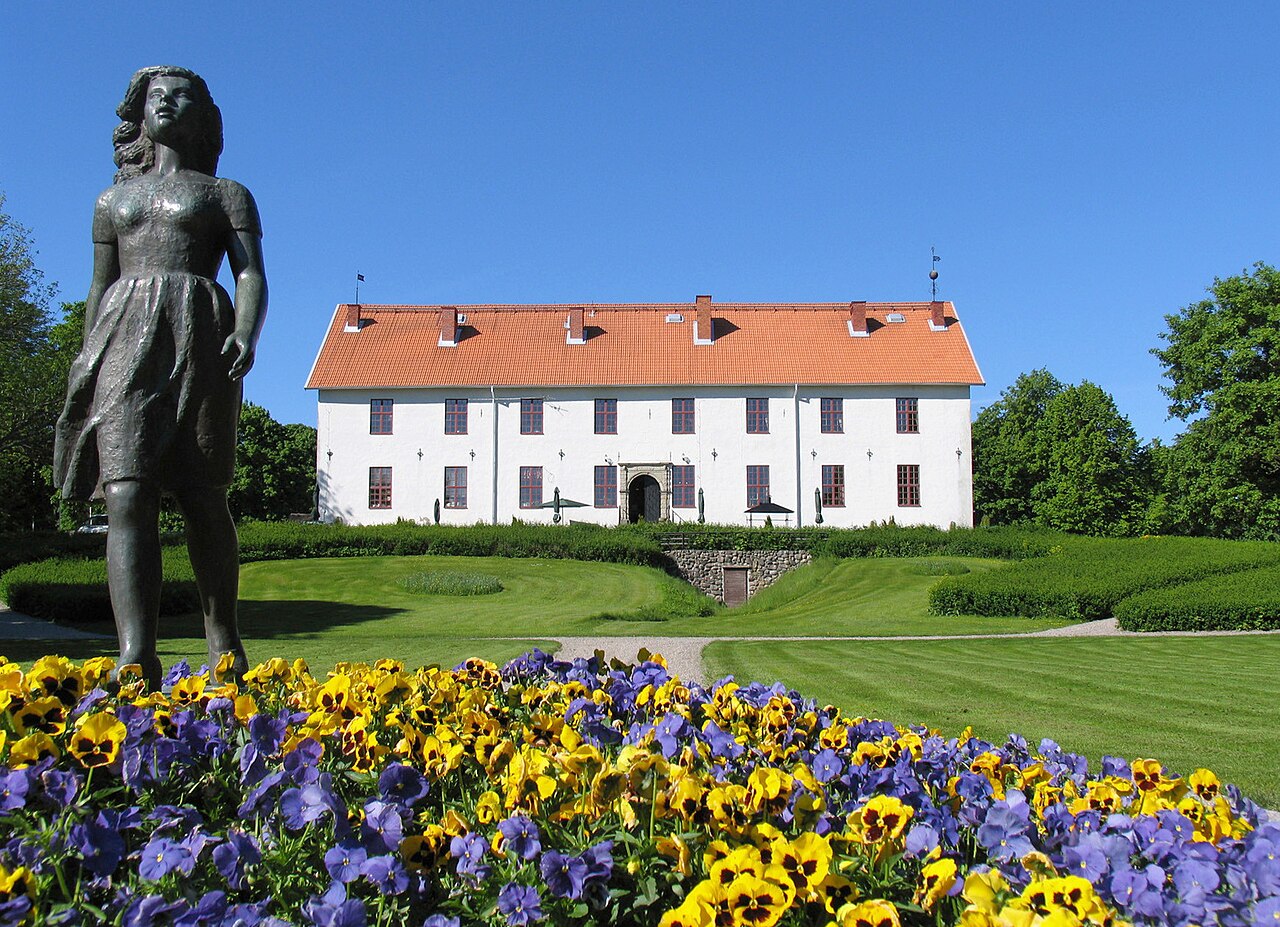
Sundbyholm Castle stands as a distinguished example of 17th-century Renaissance architecture in Sweden, located near the town of Eskilstuna on the southern shore of Lake Mälaren. Originally part of an estate owned by the Order of St. John, which maintained an abbey in Eskilstuna, the property was confiscated by the Crown following the Reformation. This transition marked a significant shift in ownership and use, reflecting the broader religious and political changes sweeping Sweden during the early modern period. The core of Sundbyholm Castle was constructed in 1648 by Carl Gyllenhielm, the Admiral of the Navy and illegitimate son of King Charles IX of Sweden. Gyllenhielm was granted the estate in 1627, and under his direction, the castle was built as a fortified residence that combined both defensive and residential functions typical of Renaissance manors. The castle's design integrates elements characteristic of the Renaissance style, including symmetrical layouts, classical proportions, and decorative details that emphasize balance and harmony. Architectural features and layout Sundbyholm Castle is classified as a hill castle, situated on elevated ground that overlooks the surrounding landscape and the expansive waters of Lake Mälaren. This strategic positioning provided natural defense advantages and commanding views, which were important considerations for noble residences of the period. The castle complex includes a main building with robust stone walls, rectangular towers, and a courtyard that was historically enclosed by ancillary buildings and defensive walls. The Renaissance influence is evident in the castle's orderly façade and the use of classical elements such as pilasters and cornices. The interiors were designed to accommodate both the practical needs of the noble family and the representational functions of a high-status residence. Later modifications and expansions Following its initial construction, Sundbyholm Castle underwent enlargement and modifications under the ownership of Seved Bååts, a notable figure who contributed to the castle's architectural evolution. These changes maintained the Renaissance character while adapting the structure to contemporary needs and tastes. The expansions included additional wings and enhancements to the living quarters, reflecting the castle’s ongoing role as a noble estate. Historical significance and ownership The castle's origins with the Order of St. John link it to the medieval religious military orders that played a significant role in the region's history. The confiscation of the estate during the Reformation represents the secularization of church properties that was common across Europe in the 16th century. The association with Carl Gyllenhielm connects Sundbyholm Castle to the Swedish royal family and the military elite of the time. Gyllenhielm’s naval career and royal lineage underscore the castle’s importance as a symbol of power and prestige. Over the centuries, the estate has passed through various hands, each contributing to its preservation and adaptation. Artistic and cultural importance Sundbyholm Castle is renowned not only for its architecture but also for its picturesque setting and beautiful grounds. The castle and its surrounding landscape have been the subject of numerous artistic works, most famously the painting "The Old Castle" by Prince Eugen, Duke of Närke. This artwork highlights the castle’s aesthetic appeal and its place in Sweden’s cultural heritage. The estate’s location on the shore of Lake Mälaren adds to its scenic charm, with gardens and parklands that have been carefully maintained over the centuries. These grounds contribute to the castle’s reputation as a site of natural beauty and historical interest. Modern use and visitor information Today, Sundbyholm Castle functions as a hotel and event venue, offering facilities for conferences, weddings, and private parties. The castle’s preservation and adaptive reuse allow visitors to experience its historical ambiance alongside modern comforts. The castle's well-preserved condition and accessible location near Eskilstuna make it a popular destination for tourists interested in Swedish history, architecture, and natural landscapes. Its combination of historical significance, architectural merit, and scenic environment positions Sundbyholm Castle as a notable heritage site in the region.

Renaissance (15th–17th c.)
Details