Fullerö Castle
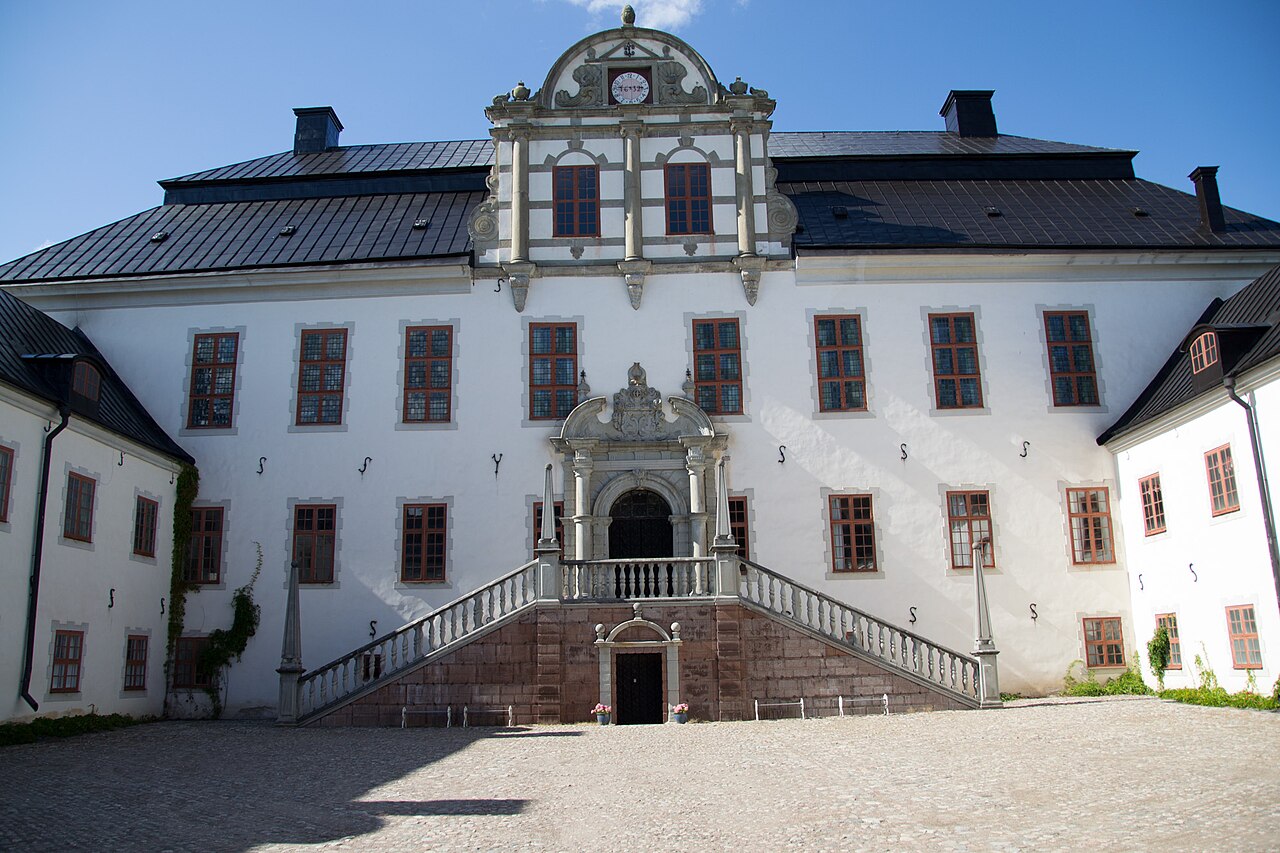
Fullerö Castle is a notable 17th-century Renaissance hill castle located in Barkarö, Sweden. It has served as a fideicommissum since 1739, a legal arrangement preserving the estate within a family lineage. The castle is historically significant for its connection to prominent Swedish noble families and military figures.
Historical background and ownership
The castle was acquired by the comital family Cronstedt in the 17th century, marking an important chapter in its history. The Cronstedt family was influential in Swedish nobility, and their ownership helped shape the estate's legacy. One of the most distinguished individuals associated with Fullerö Castle is Augustin Ehrensvärd, born at the castle. Ehrensvärd was a prominent military officer and architect, best known for overseeing the construction of the Suomenlinna (Sveaborg) fortress in Finland, a key maritime defense installation.
Architectural features and style
Fullerö Castle exemplifies Renaissance architecture, typical of the 17th century in Sweden. The castle is classified as a hill castle, meaning it is strategically situated on elevated terrain, providing natural defensive advantages. The Renaissance style is reflected in its balanced proportions, symmetrical layout, and the incorporation of classical elements such as pilasters and decorative stonework.
The castle's structure likely includes traditional Renaissance features such as fortified walls, towers, and a courtyard, although specific architectural details require further study. The elevated position would have allowed for commanding views of the surrounding landscape, enhancing its defensive capabilities.
Significance of Augustin Ehrensvärd and military heritage
Augustin Ehrensvärd’s birth at Fullerö Castle links the estate to Sweden's military history. Ehrensvärd’s role as the chief architect and commander of the Suomenlinna fortress project underscores the castle’s connection to Sweden's strategic military developments in the 18th century. Suomenlinna remains a UNESCO World Heritage site, reflecting the lasting impact of Ehrensvärd’s work.
Preservation and current status
Fullerö Castle has been maintained as a fideicommissum since the early 18th century, preserving its ownership and heritage within the family. The castle's condition is generally well-preserved, retaining much of its historical character and architectural integrity. It stands as a testament to the noble families who shaped Sweden’s cultural and military history.
Visiting Fullerö Castle and its surroundings
While Fullerö Castle is a private estate, its historical significance and architectural qualities make it an important landmark in the Barkarö region. The surrounding landscape offers insights into the strategic considerations of hill castles in Sweden, including natural defenses and viewsheds. Visitors interested in Swedish Renaissance architecture and military history may find the castle’s story compelling, though access may be limited due to private ownership.
Nearby historical and cultural sites
The region around Barkarö and the wider Västmanland area hosts various heritage sites, including medieval churches and other noble estates. These sites collectively provide context for Fullerö Castle’s role in the historical landscape of Sweden during the Renaissance and later periods.
Frequently asked questions (FAQ)
- What is the historical significance of Fullerö Castle?
- Fullerö Castle is a notable example of Swedish architecture from the late 17th century. It played a crucial role in the local history, serving as a residence for prominent families and a center of social life in Barkarö.
- When was Fullerö Castle built?
- Construction of Fullerö Castle began in the late 1600s and was completed in the early 1700s. The castle's design reflects the Baroque style, which was popular during that era in Sweden.
- How do I get to Fullerö Castle?
- Fullerö Castle is located in Barkarö, Sweden, and is accessible by car and public transportation. There are parking facilities available for visitors, and nearby bus routes provide convenient access from surrounding areas.
- What are the opening hours for Fullerö Castle?
- Fullerö Castle is open to visitors from May to September, typically from 10 AM to 4 PM on weekdays and weekends. It is advisable to check the official website for any seasonal changes or special events that might affect opening hours.
- Can I take a guided tour of Fullerö Castle?
- Yes, guided tours are available at Fullerö Castle, providing an in-depth look at its history and architecture. Tours are usually conducted by knowledgeable guides who share fascinating stories and insights about the castle and its surroundings.
- Is it possible to host events at Fullerö Castle?
- Fullerö Castle offers facilities for private events, including weddings and corporate gatherings. It is recommended to contact the castle management in advance to discuss arrangements and availability.
- What are the ticket prices for visiting Fullerö Castle?
- Ticket prices for Fullerö Castle vary depending on age and group size, with discounts available for children and seniors. It's best to check the official website or contact the castle for the most current pricing information.
- When is the best time to visit Fullerö Castle?
- The best time to visit Fullerö Castle is during the summer months, from June to August, when the weather is pleasant and the gardens are in full bloom. Special events and guided tours are more frequent during this peak season, providing a richer experience for visitors.
- Are there nearby attractions to visit along with Fullerö Castle?
- Yes, there are several attractions near Fullerö Castle, including scenic parks and historical sites in the Barkarö area. Visitors can explore nature trails, local museums, and other cultural landmarks to enhance their experience.
Photo gallery

Photo by {{{artist}}}•Public domain
Information
Current owner
Private owner
Loading map...
Visitor reviews
No reviews yet. Been here? Write the first review and help other travelers!
Write the first reviewVisited this castle? Share your experience
Your review helps other travelers and adds first-hand knowledge to our encyclopedia.