Varberg Fortress
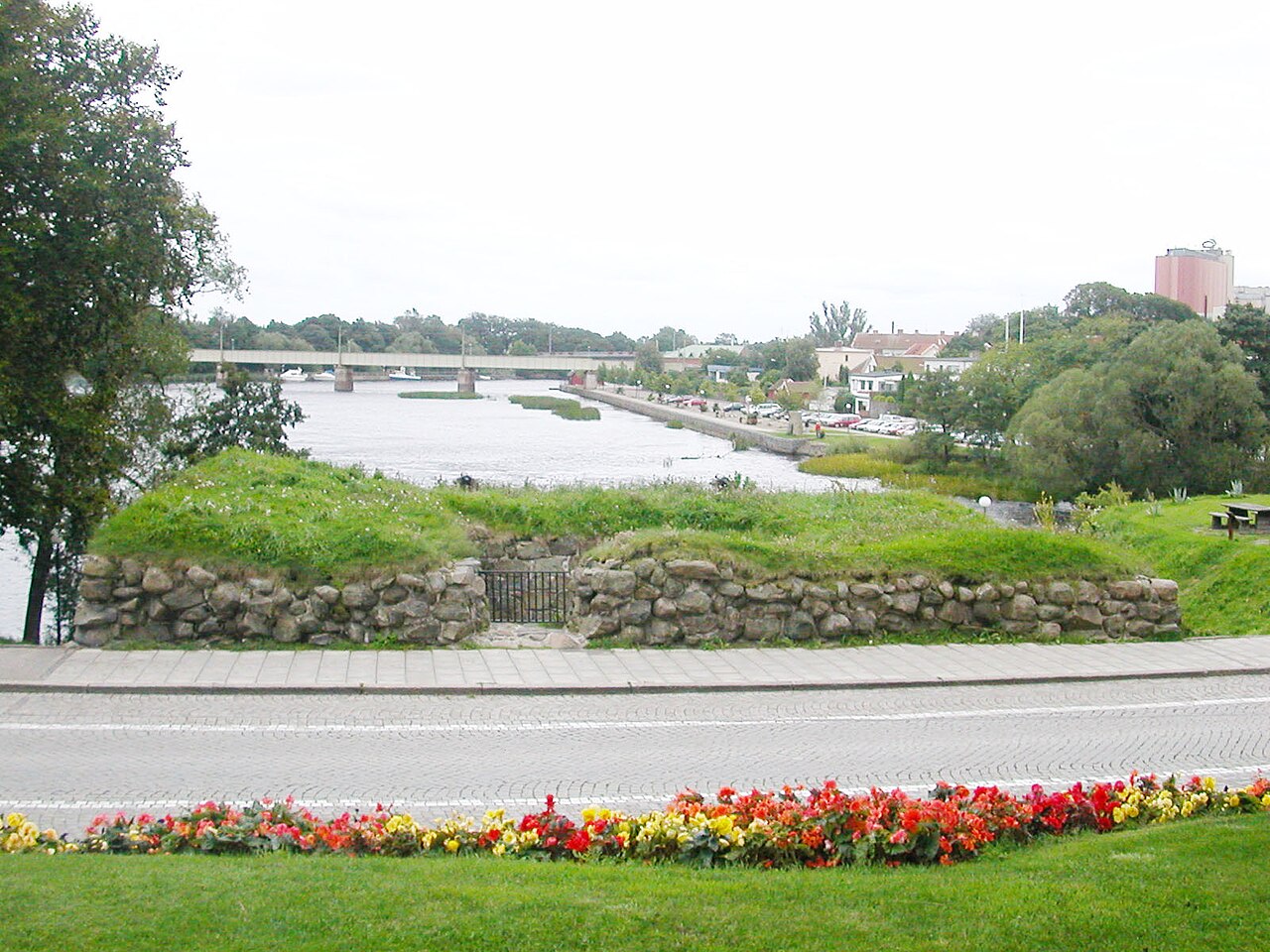
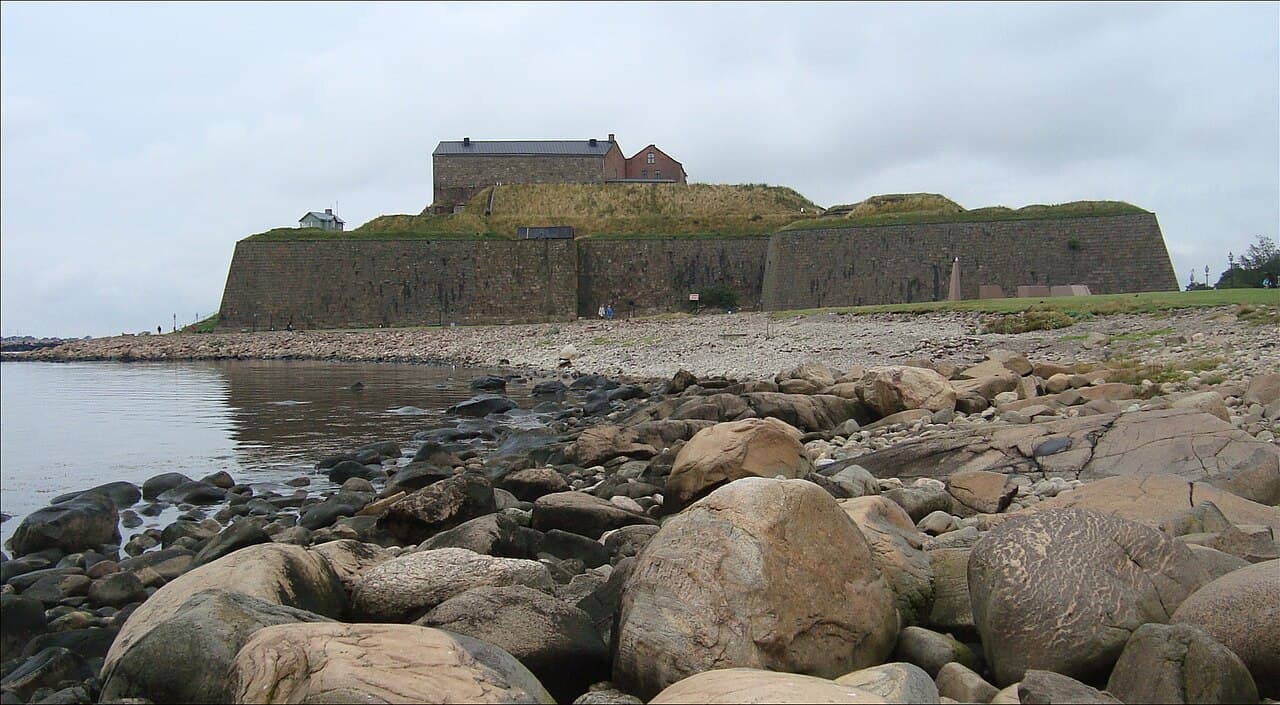
Varberg Fortress is a prominent medieval bastioned fortress located in Varberg, Halland County, Sweden. Constructed between 1287 and 1300, it was originally commissioned by count Jacob Nielsen as a defensive stronghold against his Danish king, who had outlawed him following the assassination of King Eric V of Denmark. The fortress's construction was notably supported by substantial assistance from King Eric II of Norway, reflecting the complex political alliances of the time.
Medieval origins and political significance
The fortress was built during the high medieval period as a strategic military installation. Its location in Varberg was critical due to the contested nature of the region between Denmark, Norway, and Sweden. In 1305, the fortress and half of the surrounding county came under Norwegian control, following the inheritance by Ingeborg Håkansdotter, granddaughter of King Eric V, from her father King Haakon V of Norway. Ingeborg and her husband, Eric, Duke of Södermanland, established a semi-independent state that included territories from Norway, Sweden, and Denmark. Their son, King Magnus IV of Sweden (Magnus VII of Norway), also spent considerable time at Varberg Fortress, underscoring its importance as a royal residence and military base.
Architectural evolution and military role
Originally constructed as a medieval fortress with typical defensive features of the era, Varberg Fortress underwent significant modifications during the late 16th and early 17th centuries. These enhancements were ordered by King Christian IV of Denmark, who transformed it into a more modern bastioned fortress, reflecting advances in military architecture designed to withstand artillery attacks. The bastion system included angled walls and protruding defensive structures that allowed defenders to cover all approaches with cannon fire.
The fortress remained a key military installation until 1830. Its strategic importance diminished as warfare and political boundaries evolved, but it continued to serve military purposes for several centuries.
Use as a prison and cultural significance
From the late 17th century until 1931, Varberg Fortress was repurposed as a prison. This long period as a detention facility added layers to its historical narrative, with the fortress walls witnessing many stories of confinement and justice. Today, the fortress is preserved as a museum and also offers bed and breakfast accommodations alongside private residences, blending cultural heritage with modern use.
Unique features and local legends
One of the more curious aspects of Varberg Fortress is its moat, which is reputed to be inhabited by a small lake monster. In August 2006, witnesses claimed to see the creature emerge from the water and consume a duck. Descriptions depict it as a brown, hairless creature with a 40 cm long tail. This local legend adds a layer of folklore to the fortress's rich history, attracting curiosity alongside its architectural and historical significance.
Varberg fortress today
Currently, Varberg Fortress stands as a well-preserved example of medieval and early modern military architecture in Sweden. It attracts visitors interested in history, architecture, and Scandinavian heritage. The fortress's museum offers insights into its multifaceted past, from medieval stronghold to prison and now cultural landmark. Its location in Varberg makes it accessible for tourists exploring the Halland region.
Frequently asked questions (FAQ)
- When was Varberg Fortress built and by whom?
- Varberg Fortress was built between 1287 and 1300 by count Jacob Nielsen with assistance from King Eric II of Norway.
- What architectural style characterizes Varberg Fortress?
- The fortress features bastioned fortress architecture, with significant modifications in the late 16th and early 17th centuries under King Christian IV of Denmark.
- Can I visit Varberg Fortress today?
- Yes, Varberg Fortress is open to visitors as a museum and also offers bed and breakfast accommodations along with private residences.
- What was Varberg Fortress used for after its military role ended?
- After 1830, the fortress served as a prison from the late 17th century until 1931 and later became a museum and accommodation facility.
- Are there any legends associated with Varberg Fortress?
- Yes, the fortress moat is said to be inhabited by a small lake monster, with reported sightings as recent as 2006.
Photo gallery

Information
Current owner
Municipality
Loading map...
Visitor reviews
No reviews yet. Been here? Write the first review and help other travelers!
Write the first reviewVisited this castle? Share your experience
Your review helps other travelers and adds first-hand knowledge to our encyclopedia.