Uyvar Kalesi is a historic hill castle located in Slovakia, notable for its strategic position and medieval fortifications. Although the exact city location is not well-documented, the castle's name and type suggest it was built to oversee and control the surrounding landscape, a typical feature of hill castles designed for defense and surveillance.
Historical context and significance
The castle's origins likely date back to the high medieval period, a time when many hill castles were constructed across Central Europe to secure borders and trade routes. Hill castles such as Uyvar Kalesi were typically built on elevated terrain to maximize defensive advantages, allowing occupants to monitor approaching enemies from afar and defend against sieges effectively.
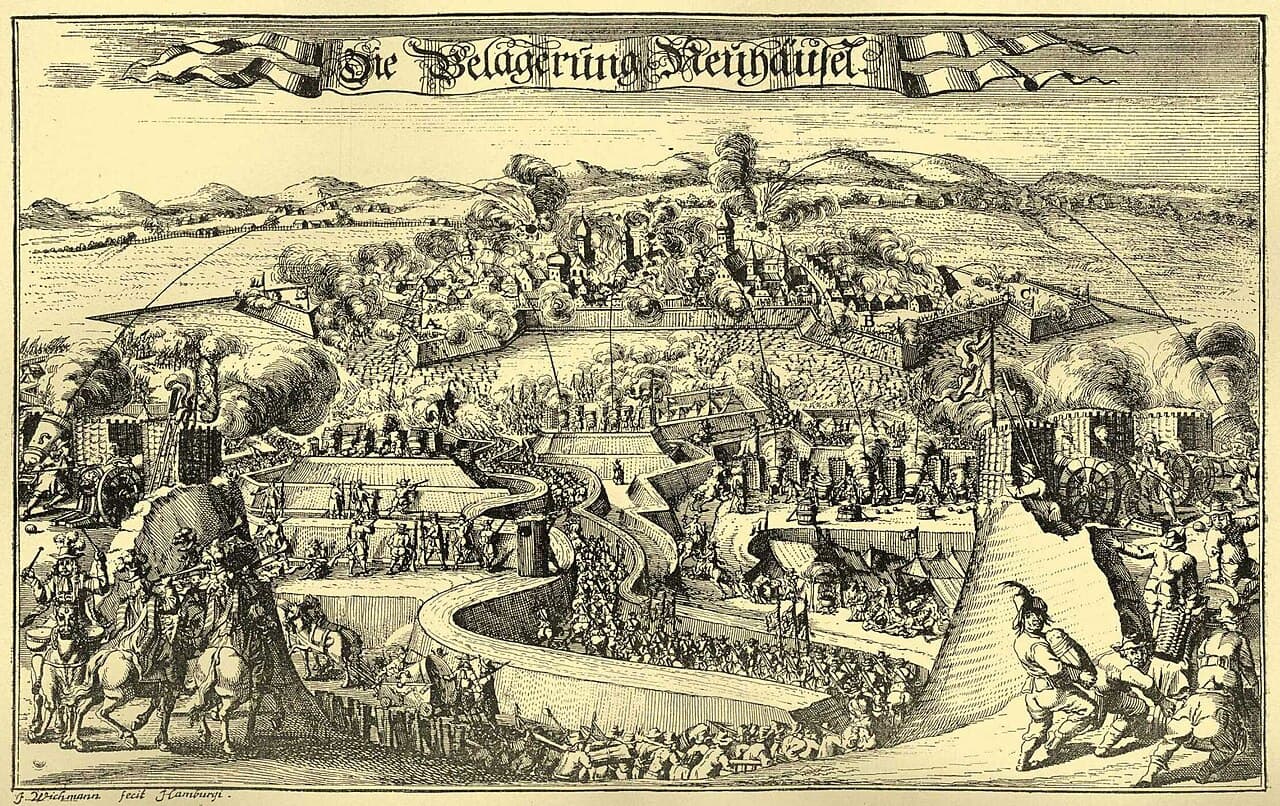
While specific historical records about Uyvar Kalesi are scarce, castles of this type in Slovakia often played important roles in regional power struggles, serving as military strongholds and administrative centers. The castle would have been a focal point for local governance and defense, reflecting the feudal system's need for fortified residences.
Architectural features and construction
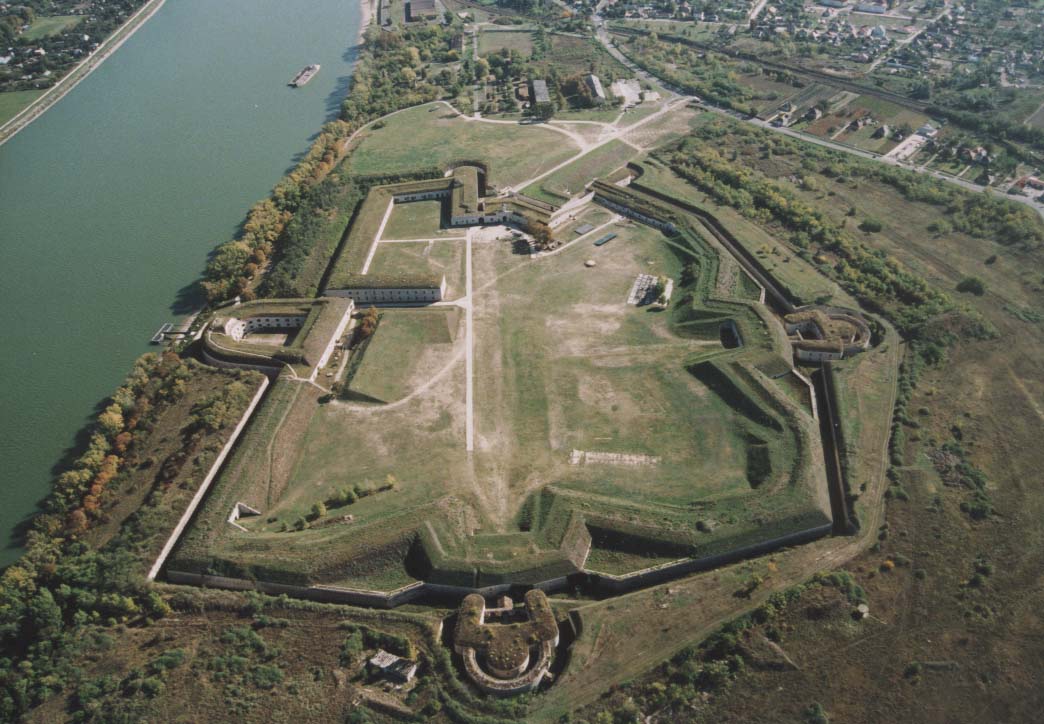
As a hill castle, Uyvar Kalesi would have been strategically positioned on a natural elevation, utilizing the terrain to enhance its defenses. Typical architectural features likely included thick stone walls, battlements, and possibly a keep or donjon serving as the last line of defense. The castle's layout would have been adapted to the contours of the hill, with terraced courtyards and defensive walls following the natural topography.
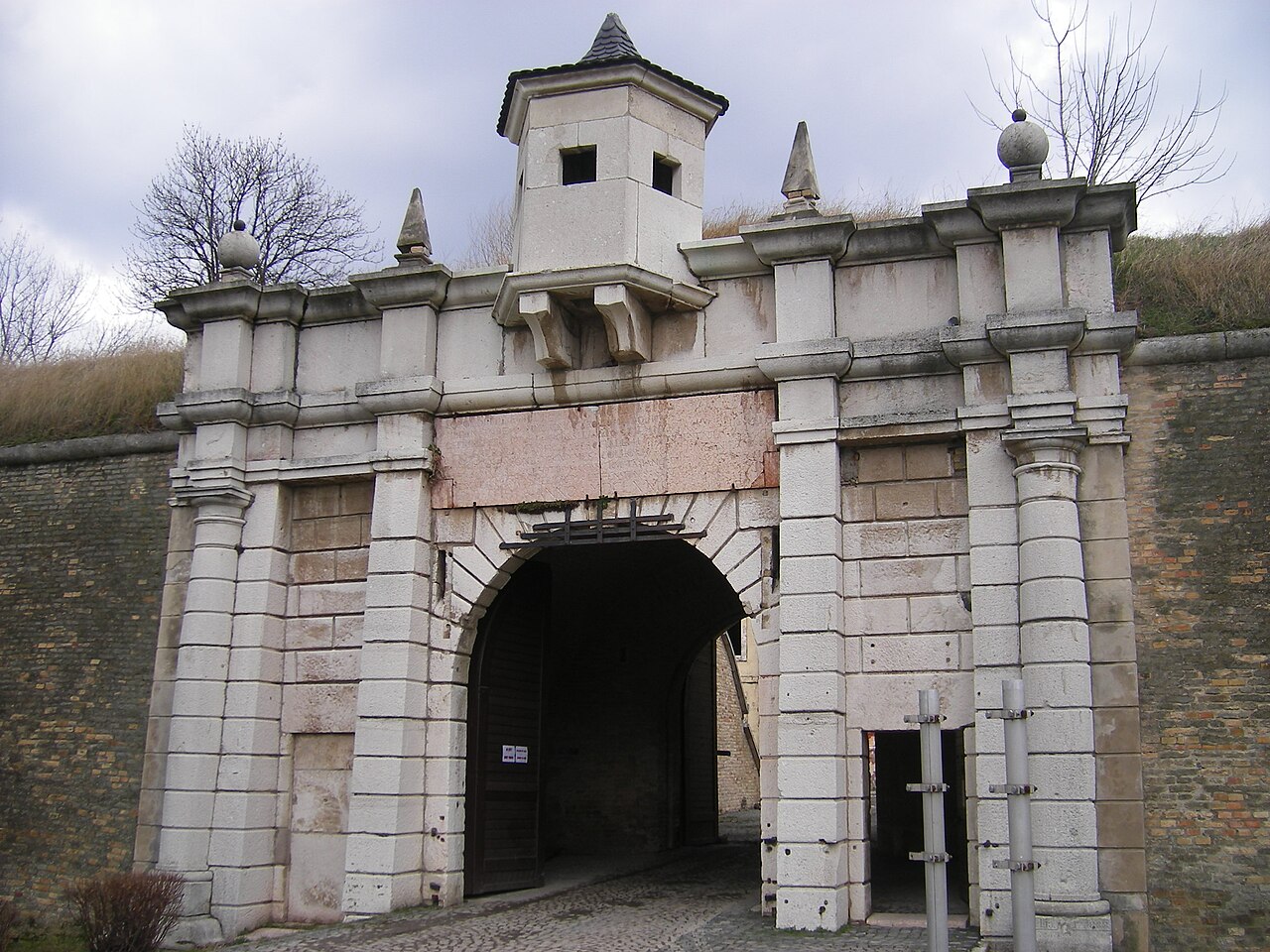
Entrances to hill castles were often heavily fortified with gatehouses and drawbridges, designed to impede attackers. Defensive towers would have been placed at key points along the curtain walls to provide overlapping fields of fire. The castle's construction materials were likely sourced locally, with stone masonry forming the primary structural elements.
Preservation and current condition
The current condition of Uyvar Kalesi is not well documented, but many hill castles in Slovakia exist today as ruins or partially preserved sites. Such ruins often retain portions of walls, towers, and foundations, offering valuable insights into medieval military architecture and the region's history.
Preservation efforts, if any, would focus on stabilizing remaining structures and making the site accessible to visitors interested in medieval history and architecture. The castle's location on a hill may present challenges for conservation but also provides a scenic vantage point for visitors.
Cultural and touristic importance
Uyvar Kalesi, like many historic castles in Slovakia, contributes to the cultural heritage of the region. It represents the medieval era's architectural and military ingenuity and offers educational opportunities for those interested in history and archaeology.
Although it may not be a major tourist destination due to limited information and accessibility, the castle's ruins can attract enthusiasts of medieval fortifications and hiking tourists who appreciate historical sites in natural settings.
Frequently asked questions (FAQ)
- How do I get to Uyvar Kalesi?
- Uyvar Kalesi is located near the town of Komárno in Slovakia, easily accessible by car or public transport. There are parking facilities available nearby, and local buses frequently connect to the nearest towns, making it convenient for visitors to reach the castle.
- What is the historical significance of Uyvar Kalesi?
- Uyvar Kalesi, also known as the fortress of Komárno, has a rich history dating back to the 13th century. It played a pivotal role in military conflicts in Central Europe, particularly during the Ottoman Wars, and is a symbol of national pride for Slovakia.
- When was Uyvar Kalesi built?
- Construction of Uyvar Kalesi began in the early 13th century, and it has undergone numerous renovations and expansions throughout its history. The castle's architecture reflects various styles, influenced by the different cultures that occupied the region over the centuries.
- Can I visit Uyvar Kalesi year-round?
- Yes, Uyvar Kalesi is open to visitors throughout the year, although specific opening hours may vary by season. It’s advisable to check the official website for the most accurate information on visiting hours and any seasonal events.
- Why is Uyvar Kalesi a popular tourist attraction?
- Uyvar Kalesi attracts visitors due to its impressive architectural features and scenic location overlooking the Danube River. The castle offers guided tours that delve into its rich history, making it an educational experience for both history enthusiasts and casual tourists.
- Is it possible to explore the interior of the castle?
- Yes, visitors can explore select areas of the castle's interior, including historical exhibitions and rooms showcasing artifacts from its storied past. Guided tours are available, providing insights into the castle's architecture and historical significance.
- What are the ticket prices for visiting Uyvar Kalesi?
- Ticket prices for Uyvar Kalesi are very reasonable, with discounts available for students, seniors, and children. It’s best to check the official website for the latest pricing information and any available combo tickets for nearby attractions.
- What is the best time to visit Uyvar Kalesi?
- The best time to visit Uyvar Kalesi is during the spring and early autumn months when the weather is mild and pleasant for outdoor exploration. Additionally, visiting during these times allows you to enjoy the beautiful surroundings and nearby parks.
- Are there nearby attractions to explore after visiting Uyvar Kalesi?
- Yes, there are several nearby attractions, including the city of Komárno with its charming streets and the Danube River promenade. Visitors can also explore the nearby fortress of Komárom, just across the river in Hungary, for a full day of historical sightseeing.
Photo gallery

Photo by Unknown authorUnknown author•Public domain
Information
Loading map...
Visitor reviews
No reviews yet. Been here? Write the first review and help other travelers!
Write the first reviewVisited this castle? Share your experience
Your review helps other travelers and adds first-hand knowledge to our encyclopedia.