Usk Castle
Usk Castle is a significant high medieval hill castle located just north of the town of Usk in Monmouthshire, Wales. Perched on a commanding hill overlooking the town's streets and the main Twyn square, the castle's origins date back to around 1120. It was established shortly after other notable Norman castles in the region, such as Monmouth Castle and Abergavenny Castle, as part of the Norman consolidation of the Welsh Marches. The site itself, however, holds an even older military significance, having been the location of a Roman legionary fortress before the Romans relocated their base to Caerleon.
Early history and strategic importance
The castle and the town of Usk are first mentioned in historical records in 1138, during a period of intense conflict between the Normans and the native Welsh. The castle was captured by Welsh forces, highlighting its strategic value in controlling access to the region. It passed back and forth between Norman and Welsh control multiple times during the 12th century, including another Welsh capture in 1174 and again in 1184. These repeated captures underscore the castle's role as a focal point in the turbulent history of the Welsh Marches, a borderland marked by frequent skirmishes and shifting allegiances.
Architecture and castle features
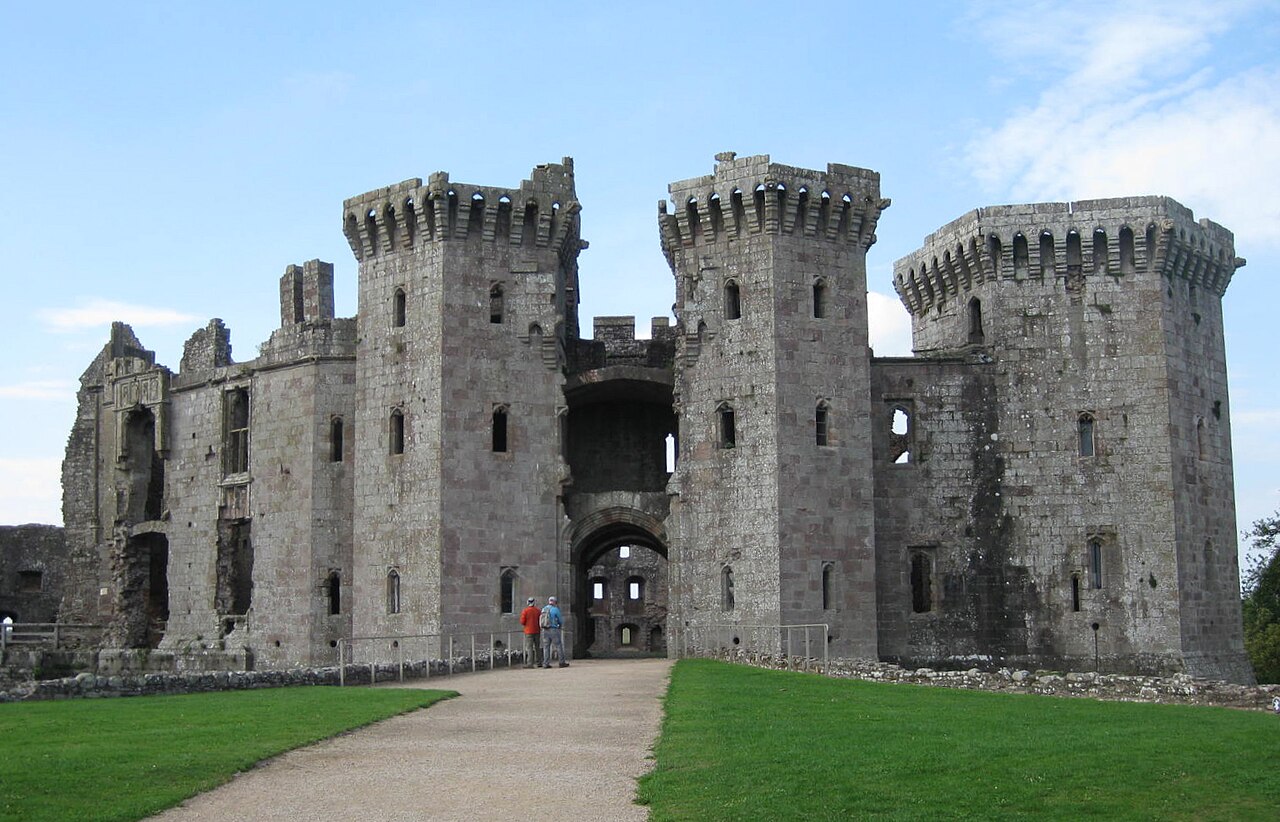
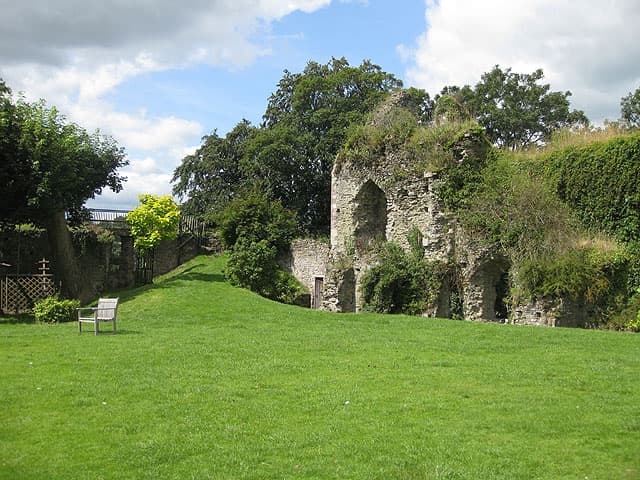
The castle's design reflects typical Norman military architecture of the high medieval period. Although much of the original structure has not survived intact, the remains include substantial defensive walls and a notable dovecote tower, which is an unusual feature among Welsh castles. The castle's gatehouse was later adapted into a residential house in the late 17th century, demonstrating the site's evolution from a purely military fortress to a domestic residence. The surviving ruins provide insight into the castle's defensive layout, including curtain walls and towers strategically placed for surveillance and protection of the surrounding area.
Conflicts and later history
The castle and town of Usk were again embroiled in conflict during the early 15th century rebellion led by Owain Glyndŵr. Between 1400 and 1405, Glyndŵr's Welsh forces attacked Usk town in 1402, and the nearby Battle of Pwll Melyn was a significant engagement during this period. The area eventually stabilized under the leadership of Davy Gam, a local Welsh warrior allied with the English crown, particularly with King Henry IV and Henry V, who was born in nearby Monmouth.
Following the rebellion, the castle came under the ownership of the Duchy of Lancaster. With the region pacified, the castle was no longer maintained as a military stronghold and gradually fell into decay. It survived the English Civil War with only minor damage, known as slighting, which was a common practice to prevent castles from being used in warfare.
Post-medieval transformation and present day
In the late 17th century, the castle's gatehouse was transformed into a private residence, marking a significant shift in the castle's use. This adaptation reflects broader trends in post-medieval castle reuse across Britain, where many fortifications were converted into homes or administrative buildings. Today, Usk Castle remains in a partially preserved state, with substantial ruins that include walls, towers, and the dovecote tower. The site is privately owned by the Humphreys family but is accessible to the public during various events held throughout the summer months.
Usk Castle is recognized for its cultural and historical importance, being listed as a Grade I heritage site since 1953. Within its grounds, Castle House stands, incorporating parts of the original gatehouse and also holding a Grade I listing. This designation highlights the architectural and historical value of the castle complex, which continues to attract visitors interested in medieval Welsh history and Norman military architecture.
Architectural significance and unique features
One of the most distinctive elements of Usk Castle is its dovecote tower, which is relatively rare among Welsh castles. This feature indicates the castle's role not only as a defensive structure but also as a center of local administration and sustenance. The dovecote would have provided a steady supply of meat and eggs, important for the castle's inhabitants.
The castle's layout, with its elevated position and commanding views, exemplifies Norman strategic site selection, maximizing natural defenses while controlling the surrounding landscape. The adaptation of the gatehouse into a residence also showcases the castle's architectural evolution over centuries, blending military and domestic functions.
Visitor information and cultural events
Though privately owned, Usk Castle hosts various events during the summer months, allowing visitors to experience the historic atmosphere of the site. The castle's ruins offer a tangible connection to the turbulent history of the Welsh Marches and the Norman conquest of Wales. Visitors can explore the surviving walls and towers and learn about the castle's role in regional conflicts and governance.
Frequently asked questions (FAQ)
- When was Usk Castle built and by whom?
- Usk Castle was built around 1120 by the Normans as part of their efforts to control the Welsh Marches region.
- What is the historical significance of Usk Castle?
- Usk Castle played a key role in the Norman conquest of Wales and was frequently contested between the Normans and Welsh throughout the 12th and 15th centuries.
- Can visitors tour Usk Castle?
- Usk Castle is privately owned but hosts events during the summer months when visitors can explore the castle grounds and ruins.
- What are some unique architectural features of Usk Castle?
- Notable features include the dovecote tower and the gatehouse, which was converted into a residence in the 17th century.
- How did the Owain Glyndŵr rebellion affect Usk Castle?
- During the rebellion from 1400 to 1405, Usk Castle and town were attacked by Welsh forces, and nearby battles significantly impacted the region's stability.
Photo gallery

Information
Current owner
Private owner
Loading map...
Visitor reviews
No reviews yet. Been here? Write the first review and help other travelers!
Write the first reviewVisited this castle? Share your experience
Your review helps other travelers and adds first-hand knowledge to our encyclopedia.