Clytha Castle
Clytha Castle stands as a distinctive example of Gothic Revival architecture in the Welsh landscape, located near the village of Raglan in Monmouthshire, Wales. Constructed in 1790, this ornamental folly was commissioned by William Jones, the owner of the Clytha Park estate, as a heartfelt memorial to his late wife, Elizabeth Jones, who passed away in 1787. The castle's design reflects the romanticized medieval style popular in the late 18th century, embodying the post-Renaissance period's fascination with Gothic forms.
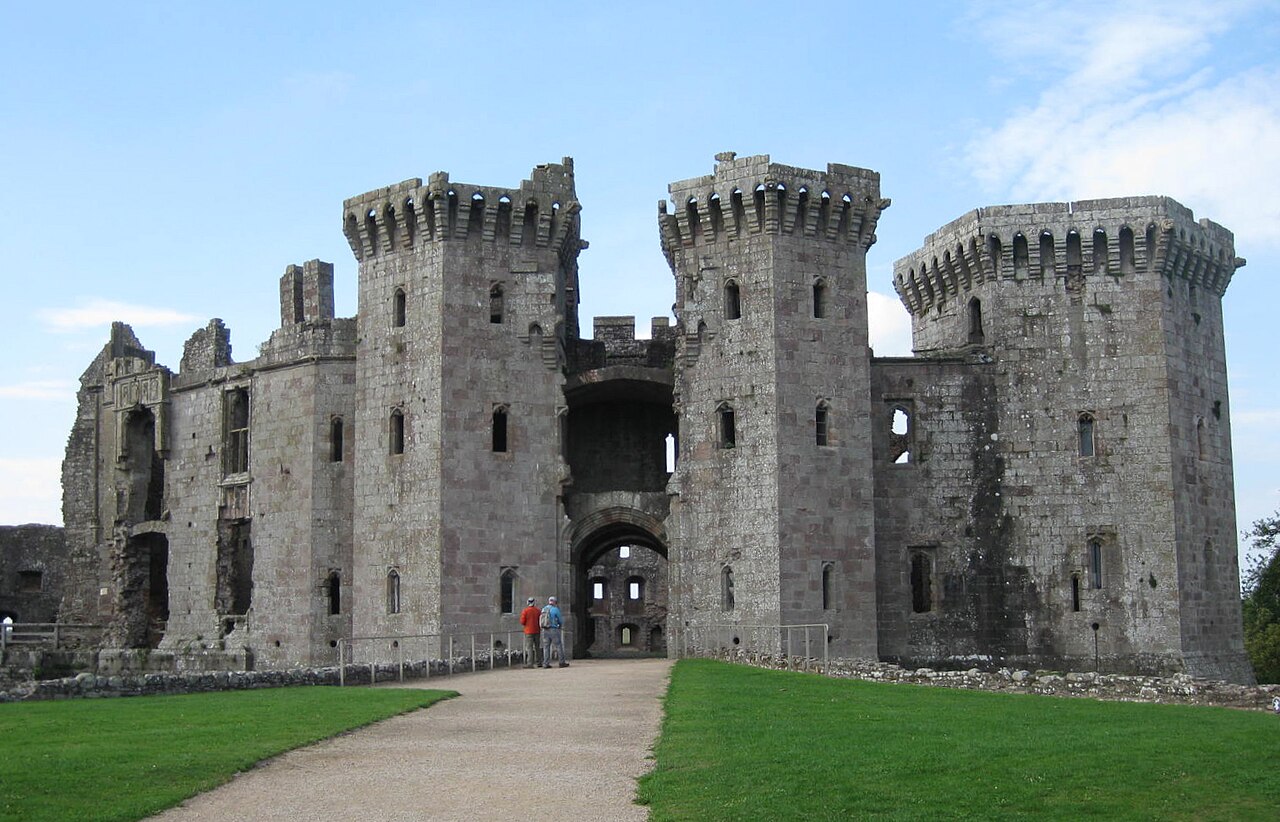
The castle's architectural composition features three prominent towers, two of which are habitable, connected by castellated curtain walls that create a picturesque silhouette against the surrounding countryside. Originally attributed to the famed architect John Nash, further research has firmly established that the true designer was John Davenport of Shrewsbury, an architect known for his work in the Gothic Revival style. The folly is strategically positioned to offer sweeping views of the Sugar Loaf and Skirrid mountains, which lie on the eastern edge of the Brecon Beacons National Park.
Architectural features and design
Clytha Castle exemplifies the fanciful Gothic style of the late 18th century, characterized by its decorative battlements, pointed arches, and irregular silhouettes that evoke medieval fortifications more for aesthetic appeal than defensive purposes. The three towers vary in size and function, with two designed for habitation, featuring interiors that reflect the romantic tastes of the period. The castellated curtain walls linking the towers incorporate crenellations and mock defensive elements, enhancing the castle's theatrical appearance.
The castle's construction utilized local stone, carefully dressed to create a harmonious blend with the natural landscape. Its elevated position on a hillock within the estate not only provides commanding views but also emphasizes its role as a visual landmark and garden ornament rather than a military fortress.
Historical context and significance
Built during the post-Renaissance period, a time when the Gothic Revival was gaining popularity among the British aristocracy and gentry, Clytha Castle reflects the era's romantic interest in medieval architecture and picturesque landscapes. The folly was part of a broader trend of constructing ornamental buildings on country estates to enhance their aesthetic and emotional resonance.
The castle serves as a poignant personal monument, commemorating Elizabeth Jones, and its design encapsulates the sentimental values of the time. Its association with notable figures such as William Jones and John Davenport adds to its historical importance within the region.
Location and landscape setting
Situated between Llanarth and Raglan, Clytha Castle occupies a prominent position in the rolling hills of Monmouthshire. The views from the castle extend eastward to the Sugar Loaf and Skirrid mountains, landmarks within the Brecon Beacons National Park. This scenic backdrop enhances the castle's romantic character and underscores its purpose as a visual focal point within the estate's designed landscape.
Preservation and current status
Clytha Castle is recognized as a Grade I listed building, indicating its exceptional architectural and historic interest. The structure remains well preserved, maintaining much of its original form and detailing. Its status ensures protection and conservation efforts to retain its character and significance for future generations.
The castle continues to attract visitors interested in Gothic Revival architecture, historic follies, and Welsh heritage. Its evocative design and setting make it a notable example of late 18th-century ornamental architecture in the United Kingdom.
Information
Loading map...
Visitor reviews
No reviews yet. Been here? Write the first review and help other travelers!
Write the first reviewVisited this castle? Share your experience
Your review helps other travelers and adds first-hand knowledge to our encyclopedia.