Ushiberd (Armenian: Ուշիբերդ) is a significant Iron Age fortress situated on a prominent hilltop just outside the village of Ushi in the Aragatsotn Province of Armenia. This fortress is an important archaeological site that dates back to the first millennium BC, reflecting the early defensive architecture of the region. Although the fortress is now largely in ruins, it offers valuable insights into the fortification techniques and settlement patterns of ancient Armenia.
Location and archaeological context
The fortress occupies a strategic position atop a hill, which provided natural defensive advantages by overseeing the surrounding landscape. This location was chosen to protect the inhabitants and control nearby routes. The site is part of a broader archaeological landscape that includes settlements dating from the 3rd to the 1st millennia BC, indicating a long history of human occupation in this area.
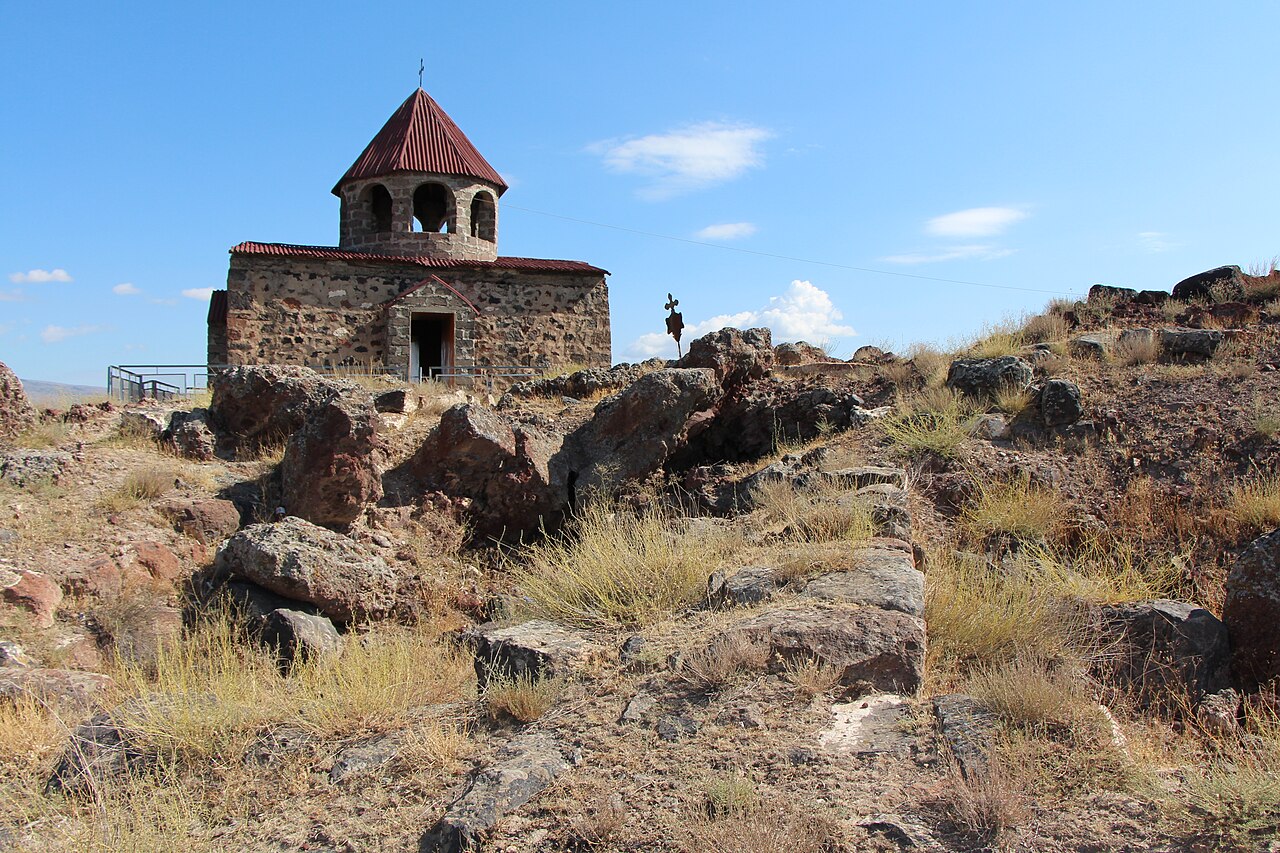
Just below the hill lies the Saint Sargis Monastery, a complex with structures spanning the 7th to 13th centuries. This proximity highlights the area's continued cultural and religious significance well beyond the Iron Age. Additionally, a 10th-century chapel stands nearby along the main road leading back to Ushi village, further emphasizing the site's historical layering.
Architectural features and condition
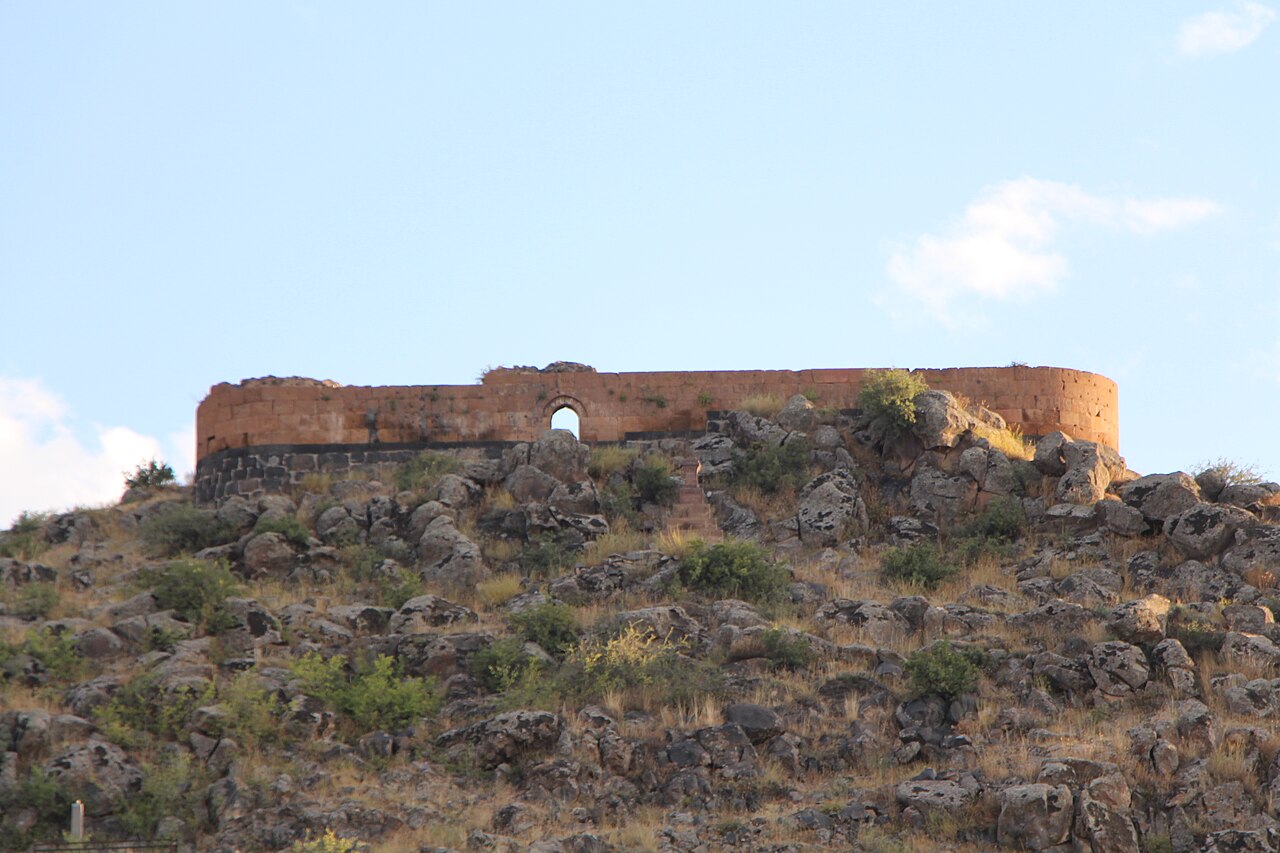
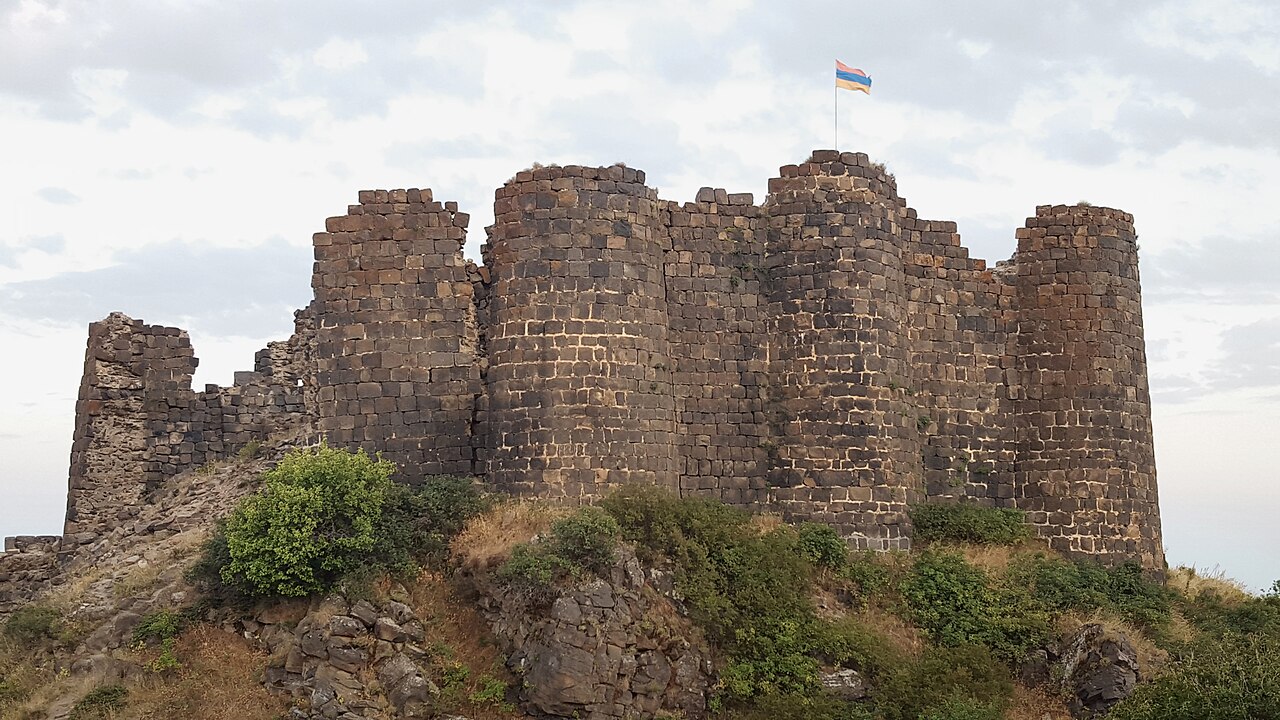
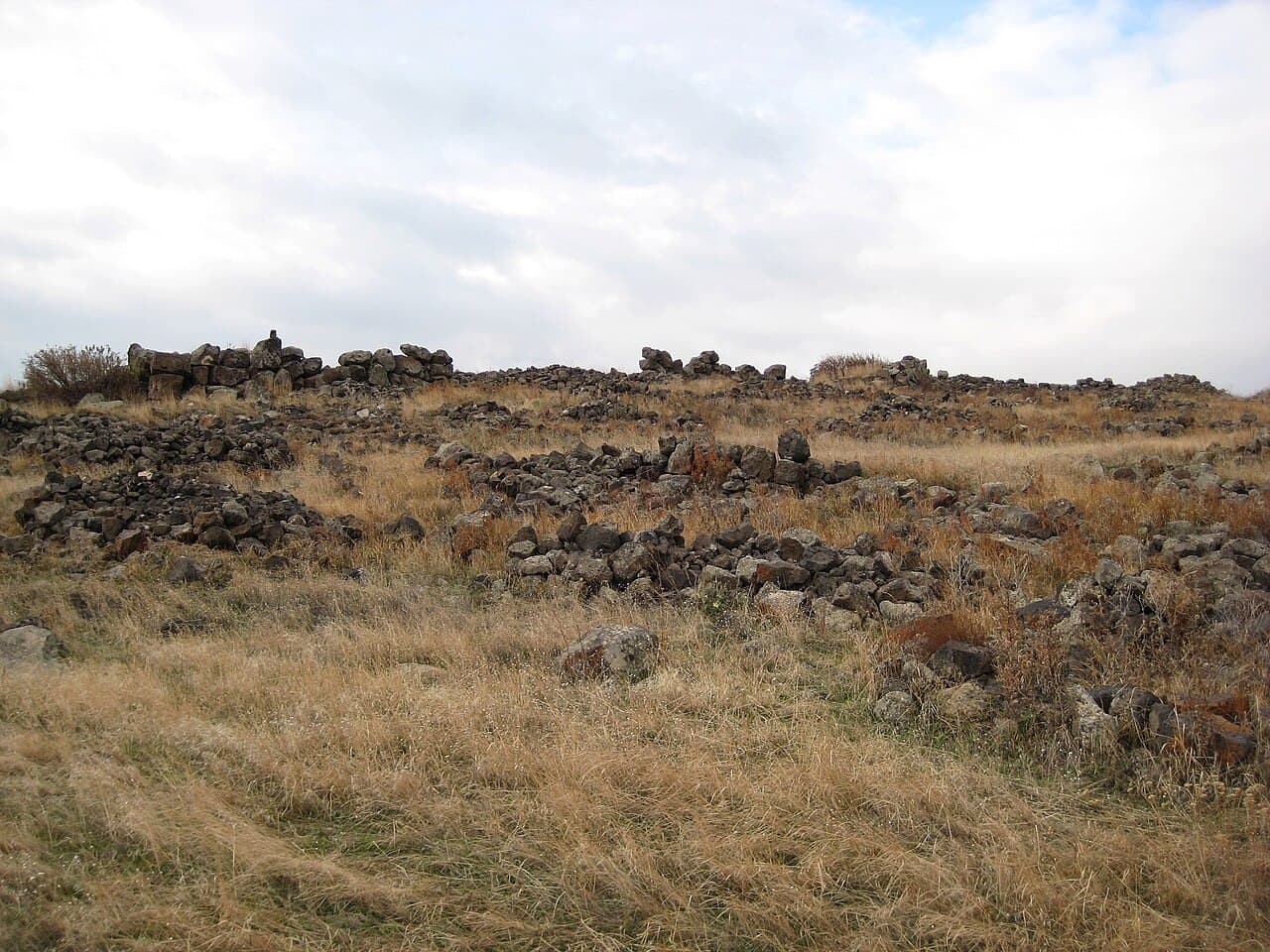
Ushiberd is classified as a hill castle, characterized by its elevated position and natural defensive terrain. The fortress walls originally encircled the hilltop, following the contour of the terrain to maximize defense. Today, only fragments of these walls remain, primarily around the hill's edge where the slope begins. The interior of the fortress is marked by large piles of stone rubble, remnants of the original fortification walls and internal structures that have collapsed over time.
The surviving wall sections reveal the use of large, roughly hewn stones, typical of Iron Age construction methods in the region. The fortress's design likely included towers and gates, though these features are no longer clearly distinguishable due to the ruinous state. The extensive collapse of the walls suggests that the fortress was abandoned long ago and has since suffered from natural erosion and possibly human activity.
Historical significance and cultural heritage
Ushiberd provides a rare glimpse into the defensive strategies employed by early Armenian societies during the Iron Age. The fortress's location and construction indicate its role in regional security and control over local settlements and trade routes. Its proximity to significant religious sites like Saint Sargis Monastery illustrates the continuity of occupation and cultural importance of this area through various historical periods.
The nearby Saint Sargis Monastery and the 10th-century chapel contribute to the cultural landscape, offering visitors a chance to explore a range of historical eras within a compact area. These religious sites also reflect the Christian heritage of Armenia, which became the first nation to adopt Christianity as a state religion in the early 4th century AD.
Visiting ushberd and surrounding sites
Visitors to Ushiberd can explore the fortress ruins and appreciate the panoramic views from the hilltop. The site is accessible from the village of Ushi and is often visited in conjunction with the Saint Sargis Monastery. Due to the fortress's ruinous condition, caution is advised when navigating the uneven terrain and stone piles.
The combination of ancient fortifications and medieval religious architecture makes the area a compelling destination for those interested in Armenian history, archaeology, and architecture. While there are no formal visitor facilities at Ushiberd, the nearby monastery offers a more developed cultural experience.
Archaeological research and preservation
Archaeological studies at Ushiberd have focused on documenting the fortress's layout and construction techniques, contributing to broader understanding of Iron Age fortifications in the South Caucasus region. Preservation efforts are limited due to the site's remote location and the extensive deterioration of the structures.
Continued archaeological work and conservation could enhance knowledge of Ushiberd's role in regional history and improve visitor access and interpretation. Protecting the site is important for maintaining Armenia's rich cultural heritage and for educational purposes.
Frequently asked questions (FAQ)
- How do I get to Ushiberd fortress?
- Ushiberd fortress is located near the village of Ushi in Aragatsotn Province, Armenia. Visitors can reach the site by road from the village, which is accessible by local transport or car.
- What is the historical period of Ushiberd?
- Ushiberd dates back to the Iron Age, reflecting defensive architecture from the first millennium BC in Armenia.
- Can I visit Saint Sargis Monastery near Ushiberd?
- Yes, Saint Sargis Monastery is located just below Ushiberd fortress and can be visited together with the fortress ruins.
- What condition is Ushiberd fortress in?
- Ushiberd is largely in ruins, with only portions of the walls remaining around the hilltop. Visitors should exercise caution when exploring the site.
- Is there an entrance fee to visit Ushiberd?
- There is no formal entrance fee for Ushiberd fortress, but facilities are limited and visitors should prepare accordingly.
Photo gallery

Information
Loading map...
Visitor reviews
No reviews yet. Been here? Write the first review and help other travelers!
Write the first reviewVisited this castle? Share your experience
Your review helps other travelers and adds first-hand knowledge to our encyclopedia.