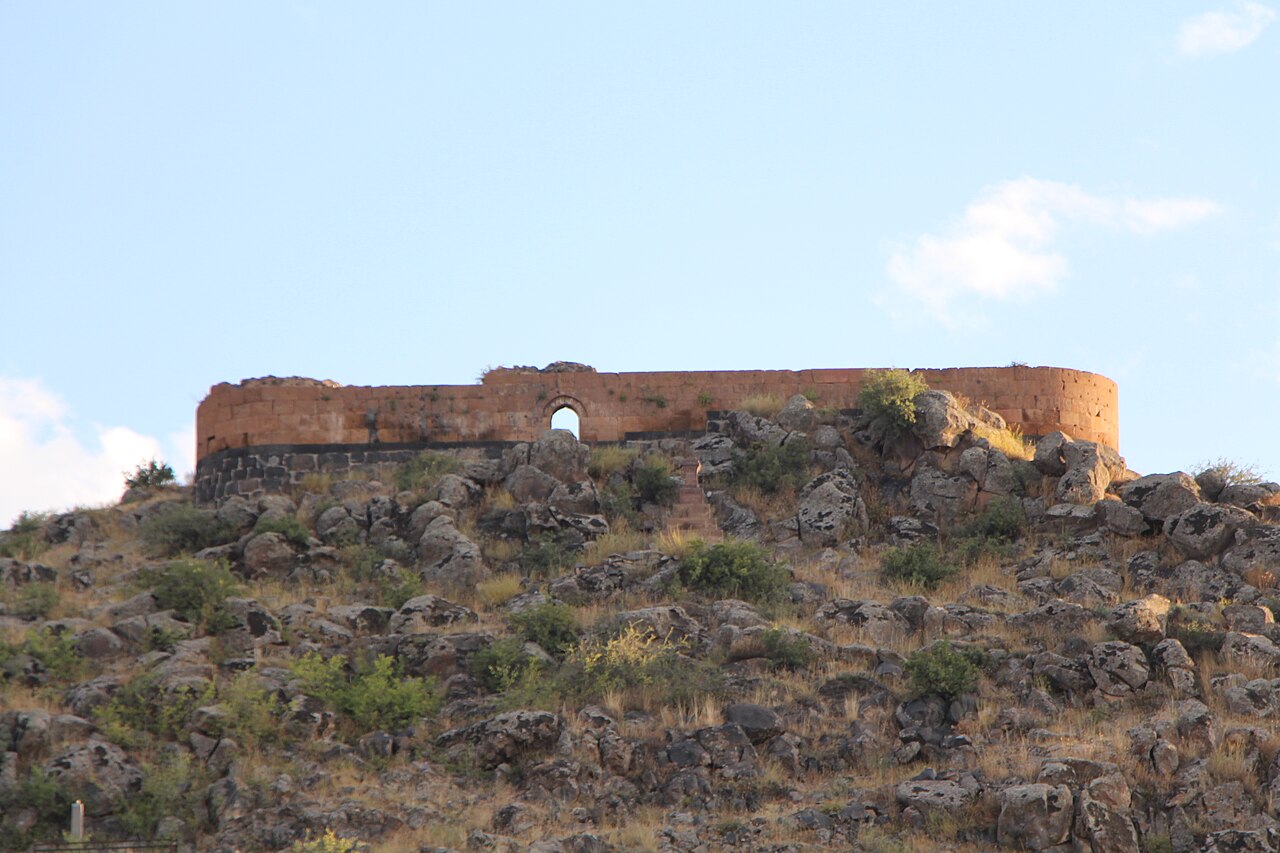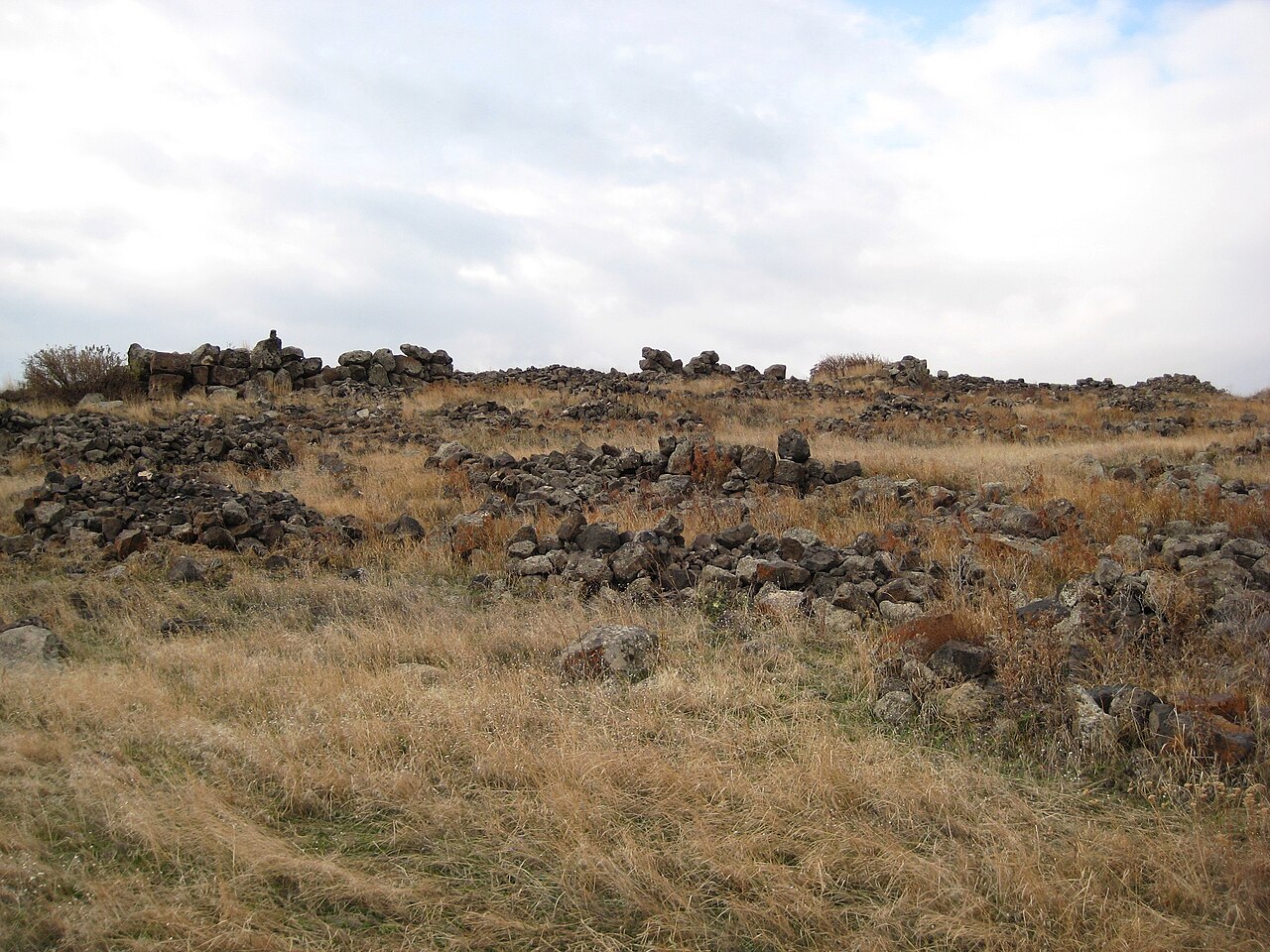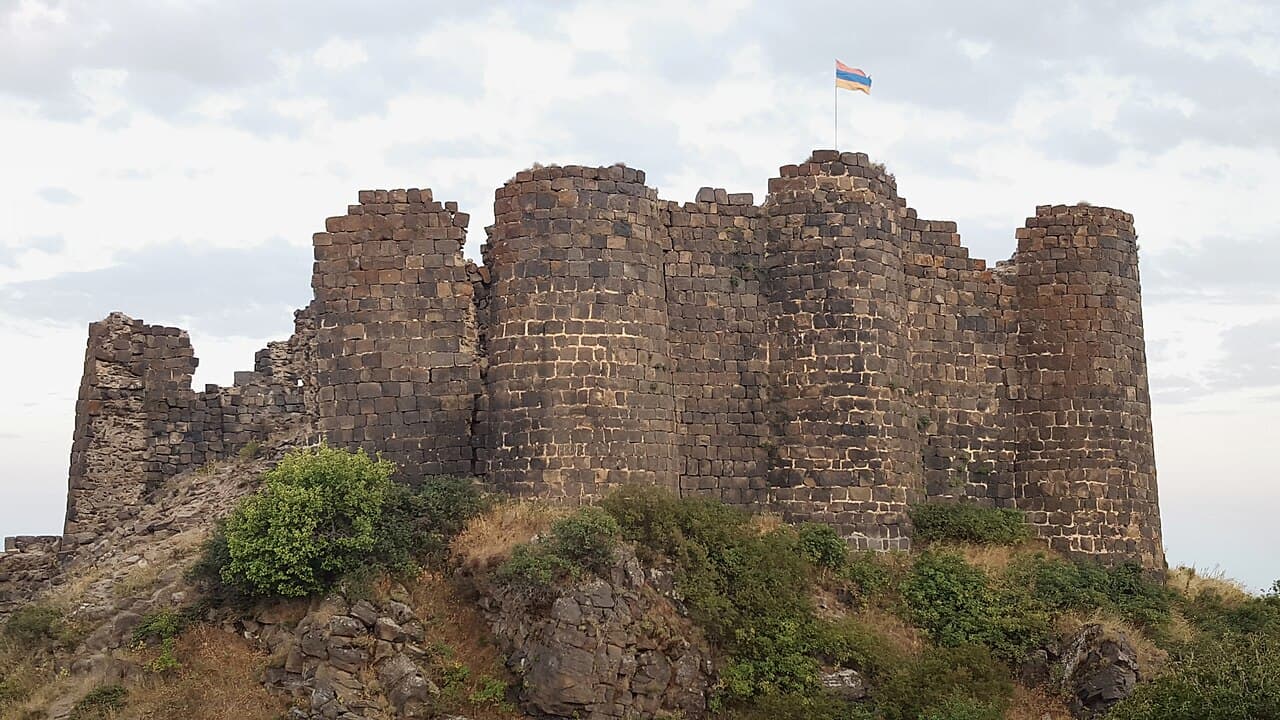
Amberd fortress, situated on the slopes of Mount Aragats in the Aragatsotn province of Armenia, is a remarkable example of a 10th-century medieval stronghold. Located at an altitude of approximately 2,300 meters (7,500 feet) above sea level, it commands a strategic position at the confluence of the Arkashen and Amberd rivers. The name Amberd translates to "fortress in the clouds," a fitting description given its lofty and commanding location amidst the mountainous terrain.
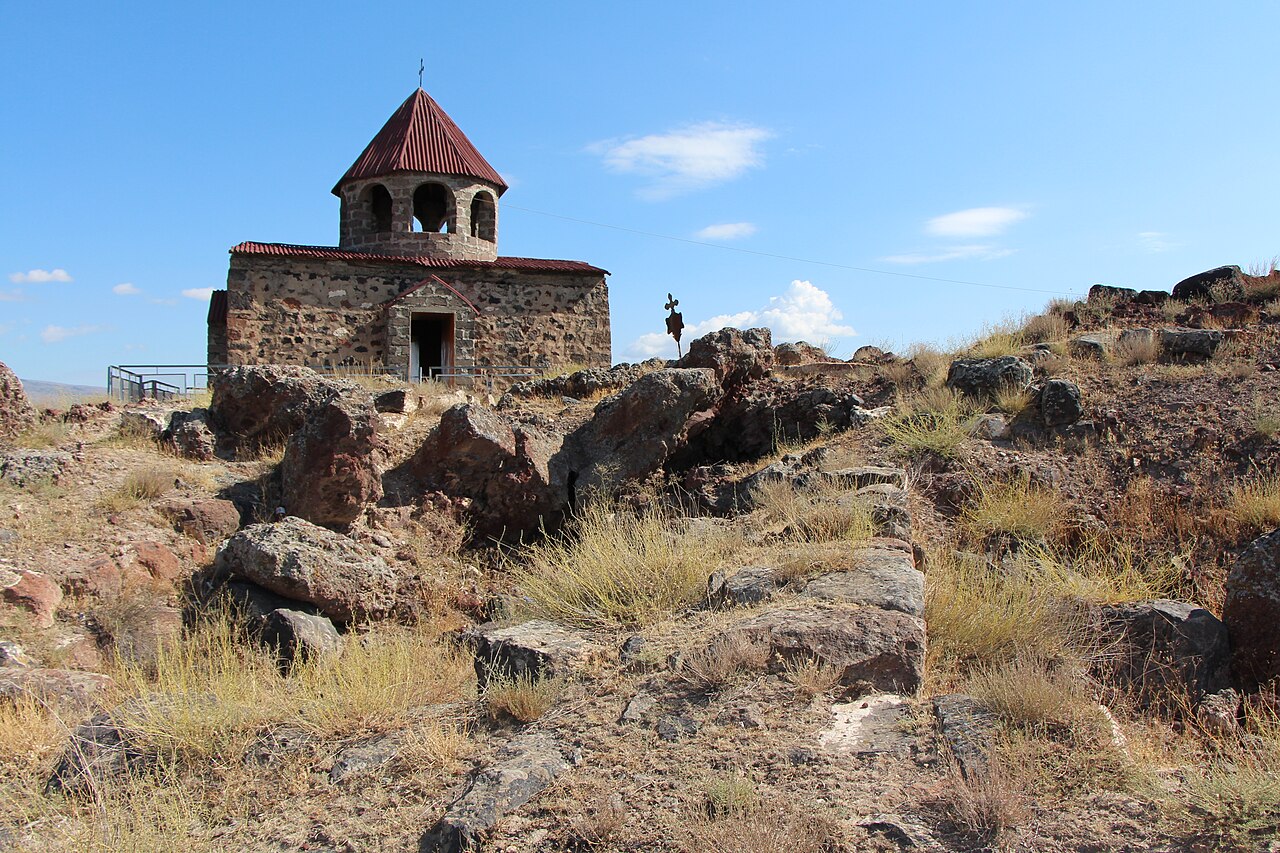
The fortress is often confused with the nearby Vahramashen Church, an 11th-century Armenian church located close to the castle site. The village of Byurakan, situated about 6.4 kilometers (4 miles) away, serves as the nearest settlement to Amberd, providing access to visitors and researchers alike.
Historical background and strategic importance
Amberd was constructed during the early medieval period, specifically in the 10th century, a time of significant political and military activity in the Armenian highlands. The fortress served as a defensive bastion for the region, protecting the surrounding territories from invasions and local conflicts. Its elevated position allowed for extensive visibility over the surrounding valleys and mountain passes, making it a critical military asset in controlling movement and defending against hostile forces.
Throughout its history, Amberd changed hands multiple times, reflecting the turbulent nature of the region. It was associated with various Armenian noble families and rulers who fortified and expanded its structures to meet evolving military needs. The fortress's design and location illustrate the strategic military thinking of the period, emphasizing natural defenses enhanced by robust stone fortifications.
Architectural features and layout
The fortress complex at Amberd includes remnants of defensive walls, towers, and gates that once formed a formidable barrier against attackers. The walls were constructed using local volcanic stone, carefully cut and fitted to withstand both siege and the harsh mountain climate. The surviving structures reveal a combination of military and residential functions within the fortress.
Amberd also included a keep or central stronghold, which served as the last line of defense and the residence of the fortress's lord or commander. The keep was surrounded by a courtyard and additional buildings that supported the daily life and military operations of the garrison.
Nearby, the Vahramashen Church, built in the 11th century, complements the fortress complex, showcasing Armenian religious architecture of the period. The church's presence indicates the importance of spiritual life alongside military concerns in medieval Armenian society.
Preservation challenges and cultural significance
Amberd is currently classified as archaeological ruins due to the extensive damage it has suffered over the centuries. Natural factors such as erosion, earthquakes, and the harsh mountain climate have contributed to the deterioration of the fortress's structures. Additionally, a lack of sufficient funding for conservation efforts has left the site vulnerable to further degradation.
In 2024, the pan-European Federation for Cultural Heritage, Europa Nostra, included Amberd in its list of the seven most endangered European monuments and heritage sites. This designation highlights the urgent need for preservation measures to protect the fortress from collapse and to safeguard its historical and cultural value for future generations.
Amberd remains a symbol of Armenia's medieval heritage and military architecture. Its ruins attract historians, archaeologists, and tourists interested in exploring the region's past and experiencing the dramatic mountain landscape that shaped its history.
Access and visitor information
The fortress is accessible from the nearby village of Byurakan, which serves as a base for visitors. Due to its high elevation and rugged terrain, reaching Amberd requires a degree of physical effort, but the site offers rewarding views and a tangible connection to Armenia's medieval past.
Visitors should prepare for mountain weather conditions and limited facilities at the site. Preservation efforts are ongoing, but some areas may be unstable, so caution is advised when exploring the ruins.
Frequently asked questions (FAQ)
- What is the historical significance of Amberd fortress?
- Amberd fortress was built in the 10th century as a strategic military stronghold on Mount Aragats, serving to protect the region from invasions and control mountain passes.
- How can I visit Amberd fortress?
- Amberd is accessible from the village of Byurakan. Visitors should be prepared for a mountain hike and variable weather conditions due to the fortress's high elevation.
- Why is Amberd considered endangered?
- Amberd is listed as one of the most endangered European monuments due to structural damage from erosion, earthquakes, and lack of funding for conservation efforts.
Photo gallery

Information
Loading map...
Visitor reviews
No reviews yet. Been here? Write the first review and help other travelers!
Write the first reviewVisited this castle? Share your experience
Your review helps other travelers and adds first-hand knowledge to our encyclopedia.