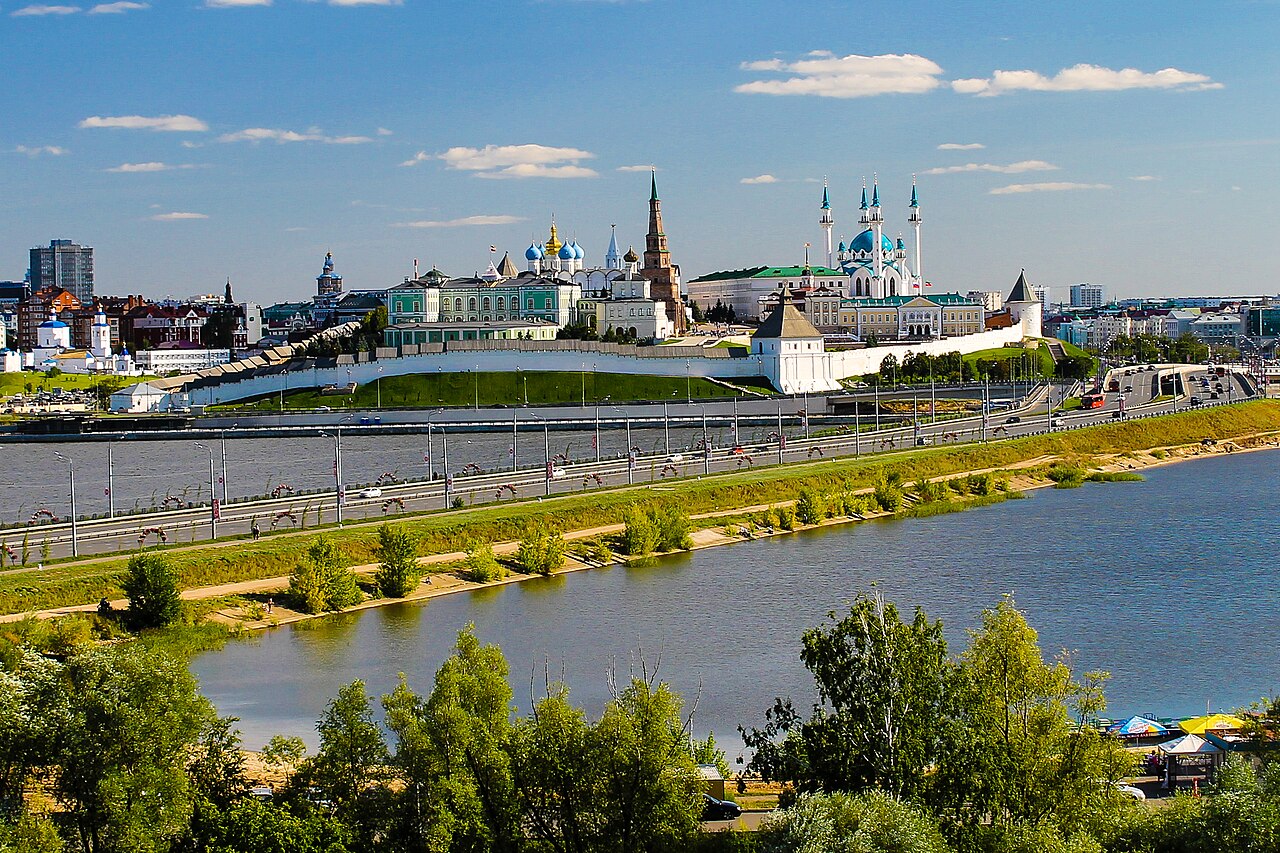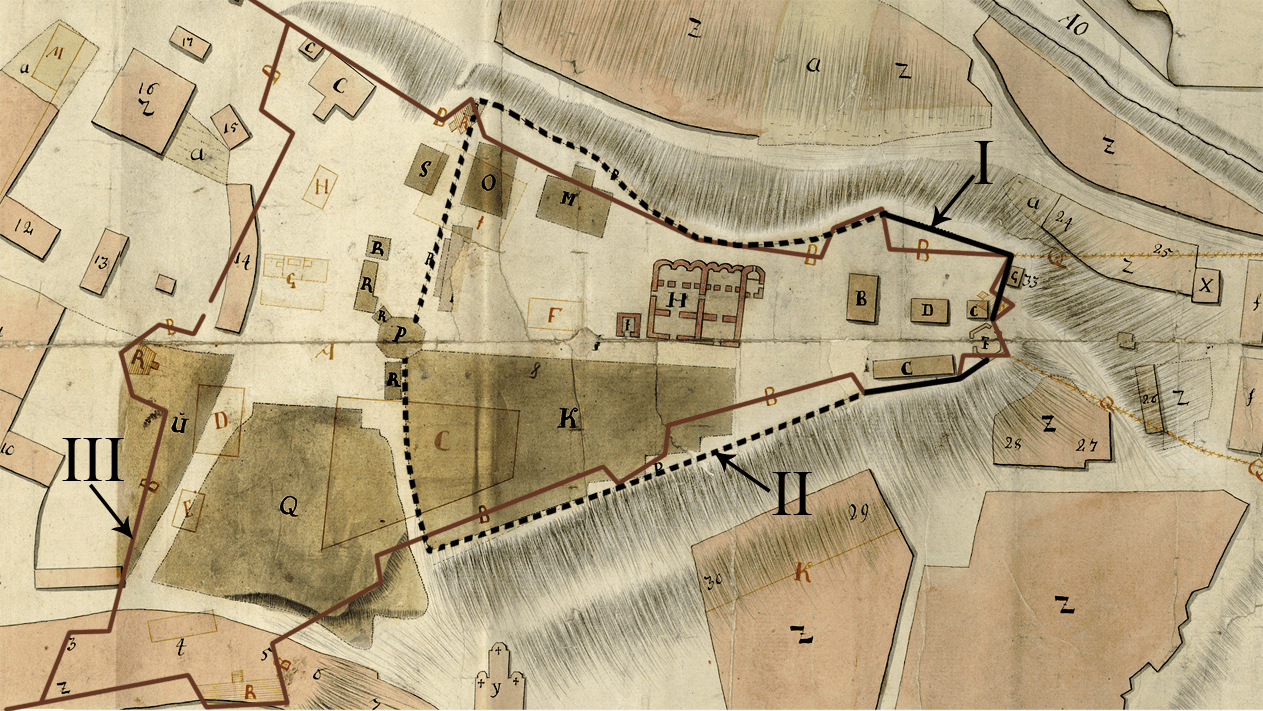
Ufa Kremlin — Russia castle

Ufa Kremlin

Ufa kremlin
Ufa, Bashkortostan, Respublika, Russia
Renaissance (15th–17th c.)
Partially Preserved
The Ufa Kremlin is a significant 16th-century bastioned fortress located in Ufa, the capital city of the Republic of Bashkortostan in the Russian Federation. This fortress represents an important example of Renaissance military architecture adapted to the local geographical and strategic requirements of the time. Constructed during the Renaissance period, the Ufa Kremlin was designed primarily for defense, featuring characteristic bastions that allowed for effective artillery placement and improved fortification against siege warfare.

Historical context and construction

The Ufa Kremlin was erected in the 16th century during a period of territorial consolidation and expansion by the Russian state. It served as a military stronghold and administrative center, helping to secure the region against incursions and to establish Russian influence in the area. The fortress was strategically positioned to control key routes and to oversee the surrounding landscape, which was crucial for both defense and governance.

The construction of the Kremlin followed the principles of Renaissance bastioned fortifications, a style that emerged in Europe as a response to the increasing use of gunpowder artillery. The bastions of the Ufa Kremlin were designed to provide overlapping fields of fire, eliminating blind spots and enabling defenders to cover the fortress walls effectively. This design marked a departure from earlier medieval fortresses that relied on high walls and towers without integrated artillery platforms.

Architectural features and layout

The Ufa Kremlin's layout is defined by its bastioned walls, which form a polygonal shape adapted to the terrain. The fortress walls were constructed with thick masonry to withstand artillery bombardment. The bastions themselves are angular projections from the main walls, allowing defenders to fire along the faces of adjacent bastions and curtain walls.

Within the fortress, there would have been various structures typical of a military complex of the period, including barracks, armories, and administrative buildings. While much of the original internal architecture has not survived intact, the external bastioned walls remain a prominent feature and a testament to the fortress's defensive purpose.

Defensive elements

The bastions are equipped with embrasures and artillery platforms, which were essential for mounting cannons and other firearms. The fortress also likely featured a moat or other water defenses, common in bastioned fortresses to impede attackers. Gatehouses would have controlled access, incorporating defensive mechanisms such as portcullises and murder holes.

Role in regional history

Throughout its history, the Ufa Kremlin played a key role in regional military and political affairs. As a frontier fortress, it was involved in conflicts and power struggles that shaped the development of Bashkortostan and the wider Russian territories. The Kremlin also functioned as a center of administration, reflecting the integration of the region into the Russian state.

Over time, as military technology and political borders evolved, the fortress's military significance diminished. However, it remains an important cultural and historical monument, symbolizing the region's past and its strategic importance during the Renaissance era.

Current condition and preservation

Today, the Ufa Kremlin is classified as a partially preserved bastioned fortress. Some sections of the walls and bastions have survived, though parts may be in ruins or have undergone restoration efforts. The site is valued for its historical and architectural significance and attracts visitors interested in the military history of Russia and Renaissance fortifications.

Visitor information

The Kremlin is accessible to the public, offering opportunities to explore the surviving fortifications and learn about the site's history through guided tours and informational displays. Its location in Ufa makes it a prominent landmark and a focal point for cultural heritage in the region.

Frequently asked questions (FAQ)

What is the historical significance of Ufa Kremlin?
Ufa Kremlin is an important historical site that reflects the rich history of the Bashkortostan region. Built in the 16th century, it served as a fortress and has witnessed significant events in Russian history, symbolizing the cultural and political evolution of the area.
When was Ufa Kremlin constructed?
The construction of Ufa Kremlin began in 1574 and was completed in the subsequent years. It was established under the orders of Tsar Ivan IV to protect the region from external threats and has since become a symbol of the city's heritage.
What are the opening hours for Ufa Kremlin?
Ufa Kremlin is typically open to visitors from 10 AM to 6 PM, but hours may vary depending on the season and holidays. It is advisable to check the official website or contact local visitor information for the most accurate timings before planning your visit.
Can I enter Ufa Kremlin with a guided tour?
Yes, guided tours are available at Ufa Kremlin, providing visitors with in-depth knowledge about its history and architecture. These tours are a fantastic way to explore the site and learn about its significance from knowledgeable guides.
Is Ufa Kremlin accessible for visitors with disabilities?
Ufa Kremlin strives to be accessible to all visitors, including those with disabilities. While some areas may have limitations due to the historic nature of the site, staff are available to assist and provide information on accessible routes and services.
When is the best time to visit Ufa Kremlin?
The best time to visit Ufa Kremlin is during the late spring and early autumn, when the weather is mild and pleasant. These seasons also offer various cultural events and festivals, enhancing the visitor experience.
What are some nearby attractions to Ufa Kremlin?
Nearby attractions include the National Museum of the Republic of Bashkortostan and the picturesque Ufa River embankment. Visitors can also explore local parks and enjoy the vibrant cultural scene in the surrounding areas.
What are the ticket prices for Ufa Kremlin?
Ticket prices for Ufa Kremlin are generally affordable, with discounts available for students and seniors. It is recommended to check the official website for current pricing and any special offers that may be available during your visit.

Photo gallery

Ufa Kremlin
Click to view

Photo by Unknown authorUnknown author•Public domain

1 photo • Click any image to view in full screen

Information

Bastioned Fortress

Loading map...

Visitor reviews

No reviews yet. Been here? Write the first review and help other travelers!

Write the first review

Visited this castle? Share your experience

Your review helps other travelers and adds first-hand knowledge to our encyclopedia.
Write a review

(5/5)

0/2000 characters

Your review will be visible after admin approval

Nearby castles

443.2 km
Bolghar Gord — Russia castle

Bolghar Gord

, Russia

Bolghar Gord, also known as Bolgar, was a significant medieval stronghold and intermittently the capital of Volga Bulgaria from the 10th to the 13th centuries. Located on the bank of the Volga River, approximately 30 km downstream from the confluence with the Kama River and about 130 km from modern Kazan, it lies within the present-day Spassky District of the Russian Federation. The site is near the small modern town named Bolgar, established in 1991 to the west of the ancient ruins. This historic complex was inscribed on the UNESCO World Heritage List in 2014 due to its cultural and archaeological significance. Historical significance and role in volga bulgaria Bolghar Gord served as one of the primary political and cultural centers of Volga Bulgaria, an important medieval state that flourished between the 7th and 13th centuries. The city was a hub for trade, culture, and Islamic scholarship following the conversion of Volga Bulgaria to Islam in the 10th century. Alongside other key cities such as Bilyar and Nur-Suvar, Bolghar was intermittently the capital, reflecting its strategic and administrative importance. The location on the Volga River provided vital access to riverine trade routes connecting the region to the Caspians, Rus, and beyond. This position made Bolghar a prosperous center for commerce and cultural exchange, contributing to its architectural development and fortifications. Architectural features and fortifications Bolghar Gord is classified as a hill castle due to its elevated position overlooking the river, which offered natural defensive advantages. The castle complex included robust stone walls and fortified gates, designed to protect against invasions and raids common in the Late Medieval period. The defensive structures were complemented by watchtowers and battlements that allowed for surveillance of the surrounding landscape. The archaeological remains reveal a well-planned urban layout with distinct areas for administrative, religious, and residential purposes. Excavations have uncovered foundations of mosques, bathhouses, and public buildings, indicating a sophisticated urban infrastructure. The use of local stone and brick in construction reflects the architectural techniques of the period. Cultural and religious importance Following the adoption of Islam by Volga Bulgaria in the 10th century, Bolghar Gord became a center of Islamic culture and learning. The castle complex housed several mosques and religious schools, making it a spiritual hub for the region. The archaeological site includes remnants of religious architecture, such as minarets and prayer halls, which highlight the Islamic influence on the city's development. The city's role as a religious center attracted scholars and travelers, contributing to the dissemination of Islamic knowledge and culture throughout the Volga region. This cultural heritage is a key reason for its recognition by UNESCO. Archaeological discoveries and preservation Extensive archaeological excavations at Bolghar Gord have uncovered significant artifacts and structural remains that provide insight into the medieval life of Volga Bulgaria. These include pottery, coins, tools, and religious artifacts that illustrate the city's economic and cultural connections. The site has undergone preservation and restoration efforts to maintain its condition as a well-preserved historical monument. The designation as a UNESCO World Heritage Site has helped promote conservation initiatives and increased public awareness of its importance. Visiting bolghar gord today Today, Bolghar Gord is an important cultural and tourist destination in the Russian Federation. Visitors can explore the archaeological complex, including the remains of fortifications, religious buildings, and ancient urban structures. The site offers insights into the medieval history and architectural heritage of Volga Bulgaria. The nearby modern town of Bolgar provides amenities for tourists and serves as a gateway to the historical site. Educational programs and guided tours are available to enhance the visitor experience and provide detailed historical context.

Late Medieval (14th–15th c.)
Details
450.7 km
Qazan Kremlin — Russia castle

Qazan Kremlin

Kazan, Russia

The Kazan Kremlin (Russian: Казанский кремль; Tatar: Казан кирмәне) is the principal historic citadel of Kazan, the capital city of Tatarstan, Russia. This 16th-century bastioned fortress was constructed under the orders of Ivan the Terrible following his conquest of the Kazan Khanate in 1552. It stands upon the ruins of the former castle of the Kazan khans, symbolizing a pivotal moment in Russian expansion and consolidation of power in the region. Historical context and construction The Kazan Kremlin was built during the Renaissance period, reflecting military architectural advancements of the time. Ivan IV, known as Ivan the Terrible, commissioned the fortress to solidify Russian control over the newly acquired territory. The fortress replaced the original Tatar citadel, which had been destroyed during the siege of Kazan. Construction began shortly after 1552 and continued through the latter half of the century, integrating both Russian and Tatar architectural influences. Strategic location and design Situated on a hill overlooking the confluence of the Volga and Kazanka rivers, the Kazan Kremlin occupies a commanding position that was crucial for defense and control of river traffic. The fortress is a bastioned fortress, characterized by angular bastions designed to withstand artillery attacks, a hallmark of military architecture in the Renaissance era. Its walls are thick and robust, constructed primarily from white limestone, which was locally sourced. Architectural features The Kazan Kremlin exhibits a blend of Russian and Tatar architectural styles. The fortress includes several notable structures, such as the Annunciation Cathedral, which is a prime example of Russian Orthodox ecclesiastical architecture from the 16th century. The cathedral features traditional onion domes and ornate iconostasis inside. Another prominent building is the Söyembikä Tower, also known as the Khan's Mosque Tower, which is a leaning tower and a symbol of Kazan. It combines elements of Tatar and Russian architecture and is believed to have been constructed in the late 16th or early 17th century. The Kremlin also houses the Governor's Palace, which was built in the 18th century, showcasing Russian Baroque influences. The palace served as the administrative center during the Russian Empire period. Defensive structures The fortress walls are punctuated by multiple bastions and towers, designed to provide overlapping fields of fire against attackers. The fortified gates served as controlled entry points, with guardhouses and defensive mechanisms such as machicolations and arrow slits. The Kremlin's design reflects the evolution of military architecture with adaptations to gunpowder weaponry. Cultural and historical significance Declared a UNESCO World Heritage Site in 2000, the Kazan Kremlin is recognized for its cultural and historical importance. It represents the fusion of Russian and Tatar cultures and the complex history of the region. The site is a symbol of Kazan's identity and a major tourist attraction, drawing visitors interested in history, architecture, and cultural heritage. Today, the Kremlin serves multiple functions, including housing government offices, museums, and religious institutions. It remains a vibrant center of cultural life in Kazan. Preservation and current condition The Kazan Kremlin is well preserved and has undergone several restoration projects to maintain its structural integrity and historical authenticity. Preservation efforts focus on protecting the fortress walls, towers, and historic buildings within the complex, ensuring their survival for future generations. Visiting the Kazan Kremlin Visitors to the Kazan Kremlin can explore its extensive grounds, including the cathedrals, towers, and museums. Guided tours provide insights into the fortress's history and architecture. The site is accessible year-round, with peak visiting seasons in spring and summer. Frequently asked questions When was the Kazan Kremlin built?The Kazan Kremlin was constructed in the 16th century following Ivan the Terrible's conquest of Kazan in 1552. What architectural styles are represented in the Kazan Kremlin?The Kremlin features a combination of Russian Orthodox, Tatar, and Russian Baroque architectural styles. Is the Kazan Kremlin a UNESCO World Heritage Site?Yes, it was designated a UNESCO World Heritage Site in 2000 for its cultural and historical significance. Can visitors enter the towers and cathedrals inside the Kremlin?Yes, many buildings, including the Annunciation Cathedral and Söyembikä Tower, are open to the public as part of guided tours. What is the current condition of the Kazan Kremlin?The fortress is well preserved and maintained through ongoing restoration efforts. Where is the Kazan Kremlin located?It is located in the city of Kazan, the capital of the Republic of Tatarstan, Russia, overlooking the Volga River.

Renaissance (15th–17th c.)
Details
457.4 km

Garibaldi Castle

Samara Oblast, Russia

Garibaldi Castle in Samara Oblast, Russian Federation, stands as a unique architectural landmark inspired by the rich heritage of European Gothic Revival and Romanticism. Named by its owner in honor of his father, Garibaldi Arcadievich Kuzichkin, this castle is not a replica of any single European fortress but rather an imaginative synthesis of the most captivating elements from medieval, Renaissance, and Victorian architecture. Architectural style and design inspiration The castle showcases an eclectic blend of Gothic Revival features, characterized by pointed arches, intricate stonework, and soaring towers that evoke the grandeur of the Middle Ages. However, it also incorporates stylistic motifs from the Renaissance period, such as balanced proportions and ornamental details, alongside the romantic and ornate flourishes typical of the Victorian era. This fusion creates a visually striking and imaginative structure that celebrates the diversity of European architectural traditions. Unlike historical castles built for defense or residence, Garibaldi Castle is an architectural fantasy, designed primarily to evoke the spirit of European Romanticism and the allure of historic castles without strict adherence to any one prototype. Its design includes decorative battlements, turrets, and expansive windows that enhance its aesthetic appeal rather than military functionality. Historical context and ownership The castle derives its name from Garibaldi Arcadievich Kuzichkin, the father of the current owner, reflecting a personal tribute rather than a connection to the famous Italian revolutionary Giuseppe Garibaldi. The construction of the castle is a modern endeavor, reflecting a contemporary fascination with medieval and romantic architecture rather than a medieval origin. Modern use and tourist complex Today, Garibaldi Castle functions as a luxurious tourist complex, combining historical ambiance with modern hospitality. The site features a luxury hotel with seven VIP rooms, guest houses, and several restaurants offering diverse culinary experiences. Visitors can enjoy a variety of entertainment options, including parks, a beach area, and a port, making it a comprehensive destination for leisure and cultural tourism. The castle's setting in Samara Oblast adds to its appeal, offering scenic views and a tranquil environment for guests. The integration of natural surroundings with the castle's romantic architecture enhances the overall visitor experience. Architectural features and visitor experience Visitors to Garibaldi Castle can explore its richly decorated interiors and exteriors, which showcase a blend of architectural details such as pointed arches, stained glass windows, ornamental stone carvings, and elegant towers. The castle's design emphasizes aesthetics and atmosphere, inviting guests to immerse themselves in a romanticized vision of European history. The complex's amenities, including well-maintained gardens and recreational facilities, complement the castle's architectural grandeur, providing a harmonious balance between cultural heritage and contemporary comfort. Cultural significance and heritage While Garibaldi Castle does not have the centuries-old history typical of many European castles, it represents a modern cultural landmark that celebrates the enduring appeal of Gothic Revival and Romantic architecture. It serves as a testament to the ongoing fascination with medieval and Renaissance aesthetics and their reinterpretation in contemporary settings. The castle contributes to the cultural landscape of Samara Oblast, attracting tourists and architecture enthusiasts interested in experiencing a unique blend of historical styles and modern luxury.

Details