Bolghar Gord
Bolghar Gord, also known as Bolgar, was a significant medieval stronghold and intermittently the capital of Volga Bulgaria from the 10th to the 13th centuries. Located on the bank of the Volga River, approximately 30 km downstream from the confluence with the Kama River and about 130 km from modern Kazan, it lies within the present-day Spassky District of the Russian Federation. The site is near the small modern town named Bolgar, established in 1991 to the west of the ancient ruins. This historic complex was inscribed on the UNESCO World Heritage List in 2014 due to its cultural and archaeological significance.
Historical significance and role in volga bulgaria
Bolghar Gord served as one of the primary political and cultural centers of Volga Bulgaria, an important medieval state that flourished between the 7th and 13th centuries. The city was a hub for trade, culture, and Islamic scholarship following the conversion of Volga Bulgaria to Islam in the 10th century. Alongside other key cities such as Bilyar and Nur-Suvar, Bolghar was intermittently the capital, reflecting its strategic and administrative importance.
The location on the Volga River provided vital access to riverine trade routes connecting the region to the Caspians, Rus, and beyond. This position made Bolghar a prosperous center for commerce and cultural exchange, contributing to its architectural development and fortifications.
Architectural features and fortifications
Bolghar Gord is classified as a hill castle due to its elevated position overlooking the river, which offered natural defensive advantages. The castle complex included robust stone walls and fortified gates, designed to protect against invasions and raids common in the Late Medieval period. The defensive structures were complemented by watchtowers and battlements that allowed for surveillance of the surrounding landscape.
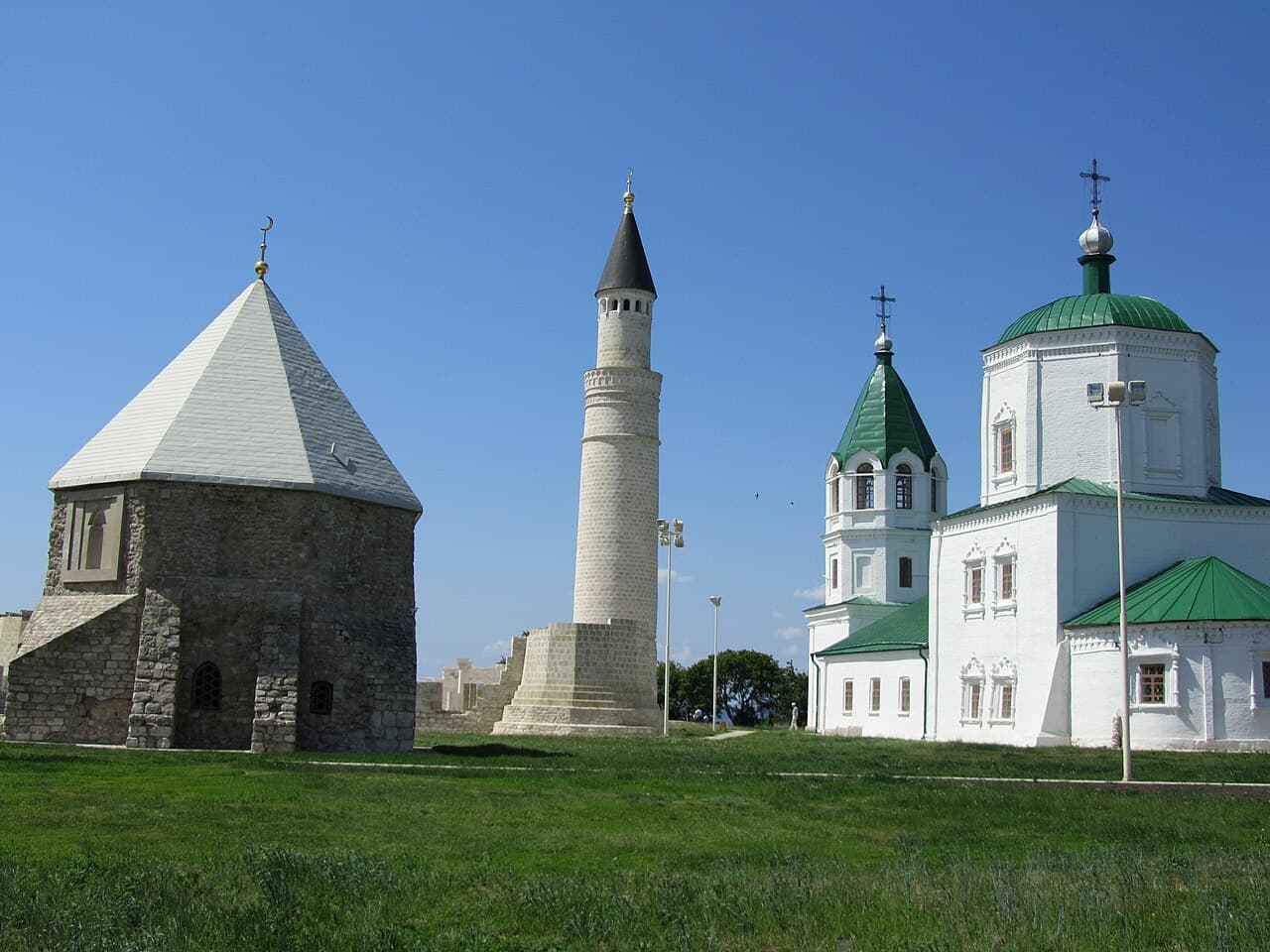
The archaeological remains reveal a well-planned urban layout with distinct areas for administrative, religious, and residential purposes. Excavations have uncovered foundations of mosques, bathhouses, and public buildings, indicating a sophisticated urban infrastructure. The use of local stone and brick in construction reflects the architectural techniques of the period.
Cultural and religious importance
Following the adoption of Islam by Volga Bulgaria in the 10th century, Bolghar Gord became a center of Islamic culture and learning. The castle complex housed several mosques and religious schools, making it a spiritual hub for the region. The archaeological site includes remnants of religious architecture, such as minarets and prayer halls, which highlight the Islamic influence on the city's development.
The city's role as a religious center attracted scholars and travelers, contributing to the dissemination of Islamic knowledge and culture throughout the Volga region. This cultural heritage is a key reason for its recognition by UNESCO.
Archaeological discoveries and preservation
Extensive archaeological excavations at Bolghar Gord have uncovered significant artifacts and structural remains that provide insight into the medieval life of Volga Bulgaria. These include pottery, coins, tools, and religious artifacts that illustrate the city's economic and cultural connections.
The site has undergone preservation and restoration efforts to maintain its condition as a well-preserved historical monument. The designation as a UNESCO World Heritage Site has helped promote conservation initiatives and increased public awareness of its importance.
Visiting bolghar gord today
Today, Bolghar Gord is an important cultural and tourist destination in the Russian Federation. Visitors can explore the archaeological complex, including the remains of fortifications, religious buildings, and ancient urban structures. The site offers insights into the medieval history and architectural heritage of Volga Bulgaria.
The nearby modern town of Bolgar provides amenities for tourists and serves as a gateway to the historical site. Educational programs and guided tours are available to enhance the visitor experience and provide detailed historical context.
Frequently asked questions (FAQ)
- What is the historical significance of Bolghar Gord?
- Bolghar Gord is an important historical site in the Russian Federation, known for its role in the medieval Volga Bulgaria civilization. It served as a key cultural and political center, showcasing the influence of both Islamic and European cultures during its peak.
- When was Bolghar Gord built?
- Bolghar Gord dates back to the 10th century, making it one of the oldest surviving fortifications in the region. Its construction reflects the architectural styles and defensive techniques of that era, providing insight into the history of medieval fortresses.
- Can I visit Bolghar Gord year-round?
- Yes, Bolghar Gord is open to visitors year-round, though certain areas may have restricted access during winter months due to weather conditions. It’s advisable to check the local weather forecast and plan your visit accordingly to ensure the best experience.
- What are the opening hours for Bolghar Gord?
- Bolghar Gord typically opens to visitors from 9 AM to 6 PM, with extended hours during the summer months. It’s best to confirm the hours before your visit, as they may vary seasonally or due to special events.
- Is it possible to access Bolghar Gord with public transportation?
- Yes, Bolghar Gord is accessible via public transportation, with regular bus services connecting it to nearby towns. Visitors can also opt for guided tours that include transportation, providing a convenient way to explore the site.
- What are the ticket prices for visiting Bolghar Gord?
- Ticket prices for Bolghar Gord are generally affordable, with discounts available for students and seniors. It's recommended to check the official website for the most current pricing and any special promotions.
- When is the best time to visit Bolghar Gord?
- The best time to visit Bolghar Gord is during the late spring and early autumn months when the weather is mild and pleasant. These seasons also offer the opportunity to enjoy the beautiful natural surroundings and participate in local cultural events.
- Are there any nearby attractions to visit while at Bolghar Gord?
- Yes, nearby attractions include the historic city of Bolgar, which features ancient mosques and archaeological sites. Visitors can also explore the picturesque landscapes along the Volga River, making for a rich cultural and natural experience.
Photo gallery

Information
Loading map...
Visitor reviews
No reviews yet. Been here? Write the first review and help other travelers!
Write the first reviewVisited this castle? Share your experience
Your review helps other travelers and adds first-hand knowledge to our encyclopedia.