Qazan Kremlin
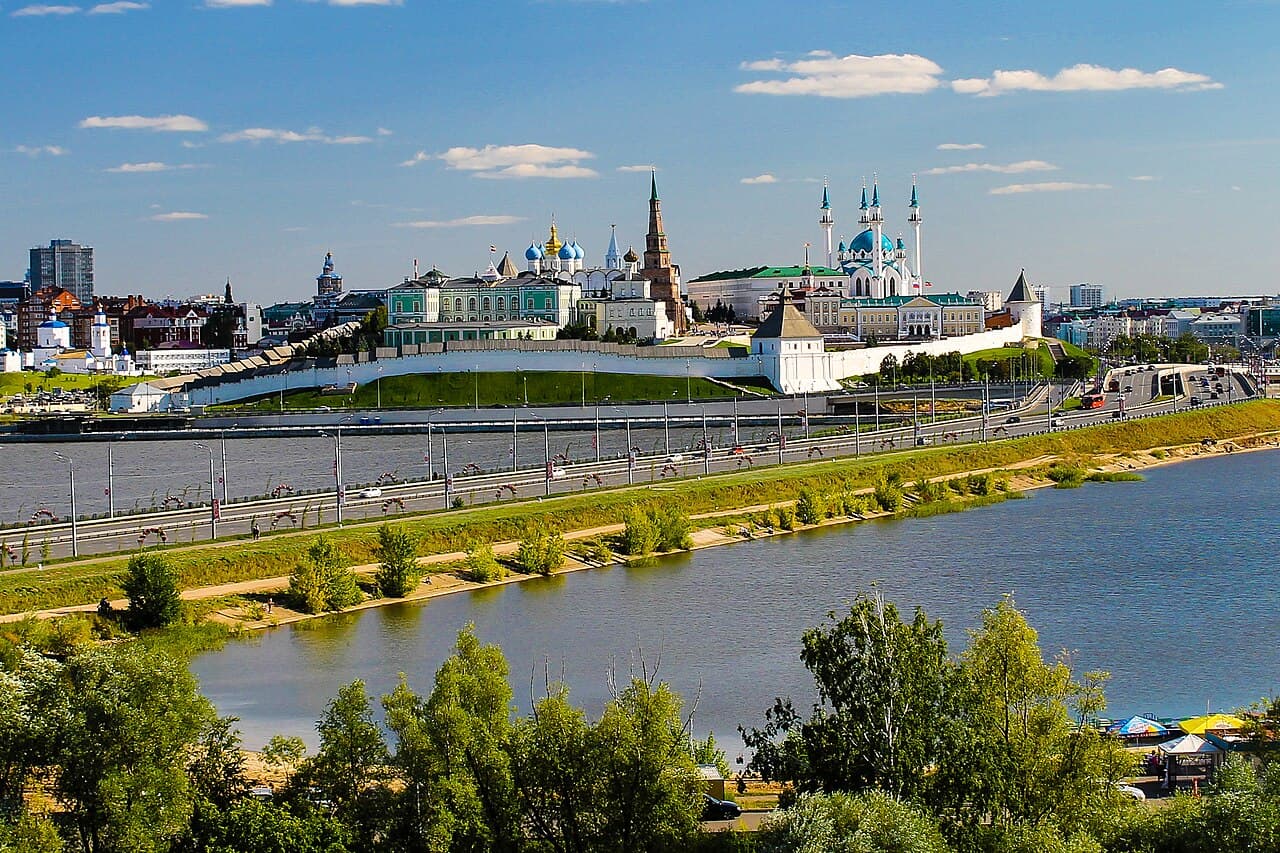
The Kazan Kremlin (Russian: Казанский кремль; Tatar: Казан кирмәне) is the principal historic citadel of Kazan, the capital city of Tatarstan, Russia. This 16th-century bastioned fortress was constructed under the orders of Ivan the Terrible following his conquest of the Kazan Khanate in 1552. It stands upon the ruins of the former castle of the Kazan khans, symbolizing a pivotal moment in Russian expansion and consolidation of power in the region.
Historical context and construction
The Kazan Kremlin was built during the Renaissance period, reflecting military architectural advancements of the time. Ivan IV, known as Ivan the Terrible, commissioned the fortress to solidify Russian control over the newly acquired territory. The fortress replaced the original Tatar citadel, which had been destroyed during the siege of Kazan. Construction began shortly after 1552 and continued through the latter half of the century, integrating both Russian and Tatar architectural influences.
Strategic location and design
Situated on a hill overlooking the confluence of the Volga and Kazanka rivers, the Kazan Kremlin occupies a commanding position that was crucial for defense and control of river traffic. The fortress is a bastioned fortress, characterized by angular bastions designed to withstand artillery attacks, a hallmark of military architecture in the Renaissance era. Its walls are thick and robust, constructed primarily from white limestone, which was locally sourced.
Architectural features
The Kazan Kremlin exhibits a blend of Russian and Tatar architectural styles. The fortress includes several notable structures, such as the Annunciation Cathedral, which is a prime example of Russian Orthodox ecclesiastical architecture from the 16th century. The cathedral features traditional onion domes and ornate iconostasis inside.
Another prominent building is the Söyembikä Tower, also known as the Khan's Mosque Tower, which is a leaning tower and a symbol of Kazan. It combines elements of Tatar and Russian architecture and is believed to have been constructed in the late 16th or early 17th century.
The Kremlin also houses the Governor's Palace, which was built in the 18th century, showcasing Russian Baroque influences. The palace served as the administrative center during the Russian Empire period.
Defensive structures
The fortress walls are punctuated by multiple bastions and towers, designed to provide overlapping fields of fire against attackers. The fortified gates served as controlled entry points, with guardhouses and defensive mechanisms such as machicolations and arrow slits. The Kremlin's design reflects the evolution of military architecture with adaptations to gunpowder weaponry.
Cultural and historical significance
Declared a UNESCO World Heritage Site in 2000, the Kazan Kremlin is recognized for its cultural and historical importance. It represents the fusion of Russian and Tatar cultures and the complex history of the region. The site is a symbol of Kazan's identity and a major tourist attraction, drawing visitors interested in history, architecture, and cultural heritage.
Today, the Kremlin serves multiple functions, including housing government offices, museums, and religious institutions. It remains a vibrant center of cultural life in Kazan.
Preservation and current condition
The Kazan Kremlin is well preserved and has undergone several restoration projects to maintain its structural integrity and historical authenticity. Preservation efforts focus on protecting the fortress walls, towers, and historic buildings within the complex, ensuring their survival for future generations.
Visiting the Kazan Kremlin
Visitors to the Kazan Kremlin can explore its extensive grounds, including the cathedrals, towers, and museums. Guided tours provide insights into the fortress's history and architecture. The site is accessible year-round, with peak visiting seasons in spring and summer.
Frequently asked questions
- When was the Kazan Kremlin built?
The Kazan Kremlin was constructed in the 16th century following Ivan the Terrible's conquest of Kazan in 1552. - What architectural styles are represented in the Kazan Kremlin?
The Kremlin features a combination of Russian Orthodox, Tatar, and Russian Baroque architectural styles. - Is the Kazan Kremlin a UNESCO World Heritage Site?
Yes, it was designated a UNESCO World Heritage Site in 2000 for its cultural and historical significance. - Can visitors enter the towers and cathedrals inside the Kremlin?
Yes, many buildings, including the Annunciation Cathedral and Söyembikä Tower, are open to the public as part of guided tours. - What is the current condition of the Kazan Kremlin?
The fortress is well preserved and maintained through ongoing restoration efforts. - Where is the Kazan Kremlin located?
It is located in the city of Kazan, the capital of the Republic of Tatarstan, Russia, overlooking the Volga River.
Frequently asked questions (FAQ)
- What is Qazan Kremlin?
- Qazan Kremlin is a UNESCO World Heritage site and a historical fortress located in Kazan, Russia. It serves as a symbol of the rich cultural heritage of Tatarstan, showcasing a blend of architectural styles from different eras, including the iconic Söyembikä Tower and the Kul Sharif Mosque.
- When was Qazan Kremlin built?
- The Qazan Kremlin was established in the 16th century, with its walls and towers constructed following the conquest of Kazan by Ivan the Terrible in 1552. The site has undergone various modifications and restorations over the centuries, reflecting the historical significance and changing architectural styles of the region.
- What are the opening hours for Qazan Kremlin?
- Qazan Kremlin is open to visitors throughout the year, with varying hours depending on the season. Typically, it opens at 9:00 AM and closes at 8:00 PM during the summer months, while winter hours may differ, so it's advisable to check the official website for the most current information.
- Can I take guided tours of Qazan Kremlin?
- Yes, guided tours of Qazan Kremlin are available and highly recommended for a more enriching experience. These tours often provide insights into the history, architecture, and cultural significance of the site, led by knowledgeable guides who can answer any questions you may have.
- Is it possible to visit Qazan Kremlin with children?
- Absolutely, Qazan Kremlin is a family-friendly destination with many attractions suitable for children. The open spaces, historical exhibitions, and engaging stories make it an enjoyable place for visitors of all ages.
- What are the ticket prices for Qazan Kremlin?
- Ticket prices for Qazan Kremlin vary depending on the areas you wish to access. Generally, entrance fees are quite affordable, with discounts available for students and children, making it accessible for everyone.
- When is the best time to visit Qazan Kremlin?
- The best time to visit Qazan Kremlin is during the late spring and early autumn months when the weather is pleasant and conducive for outdoor exploration. Additionally, many cultural events and festivals take place during these seasons, enhancing the visitor experience.
- What nearby attractions can I visit after Qazan Kremlin?
- After visiting Qazan Kremlin, you can explore nearby attractions such as the National Museum of the Republic of Tatarstan and the beautiful Bauman Street, known for its vibrant atmosphere, shops, and cafes. These sites provide a deeper understanding of Kazan's rich history and culture.
- How do I get to Qazan Kremlin?
- Qazan Kremlin is easily accessible by public transportation, including buses and trams, which connect various parts of Kazan. For those driving, there are parking facilities nearby, and the castle is within walking distance from many central hotels and attractions.
Photo gallery

Information
Loading map...
Visitor reviews
No reviews yet. Been here? Write the first review and help other travelers!
Write the first reviewVisited this castle? Share your experience
Your review helps other travelers and adds first-hand knowledge to our encyclopedia.