Uda Matsuyama Castle — Japan castle

Uda Matsuyama Castle

Uda matsuyama castle
Uda, Japan
Late Medieval (14th–15th c.)
Ruins

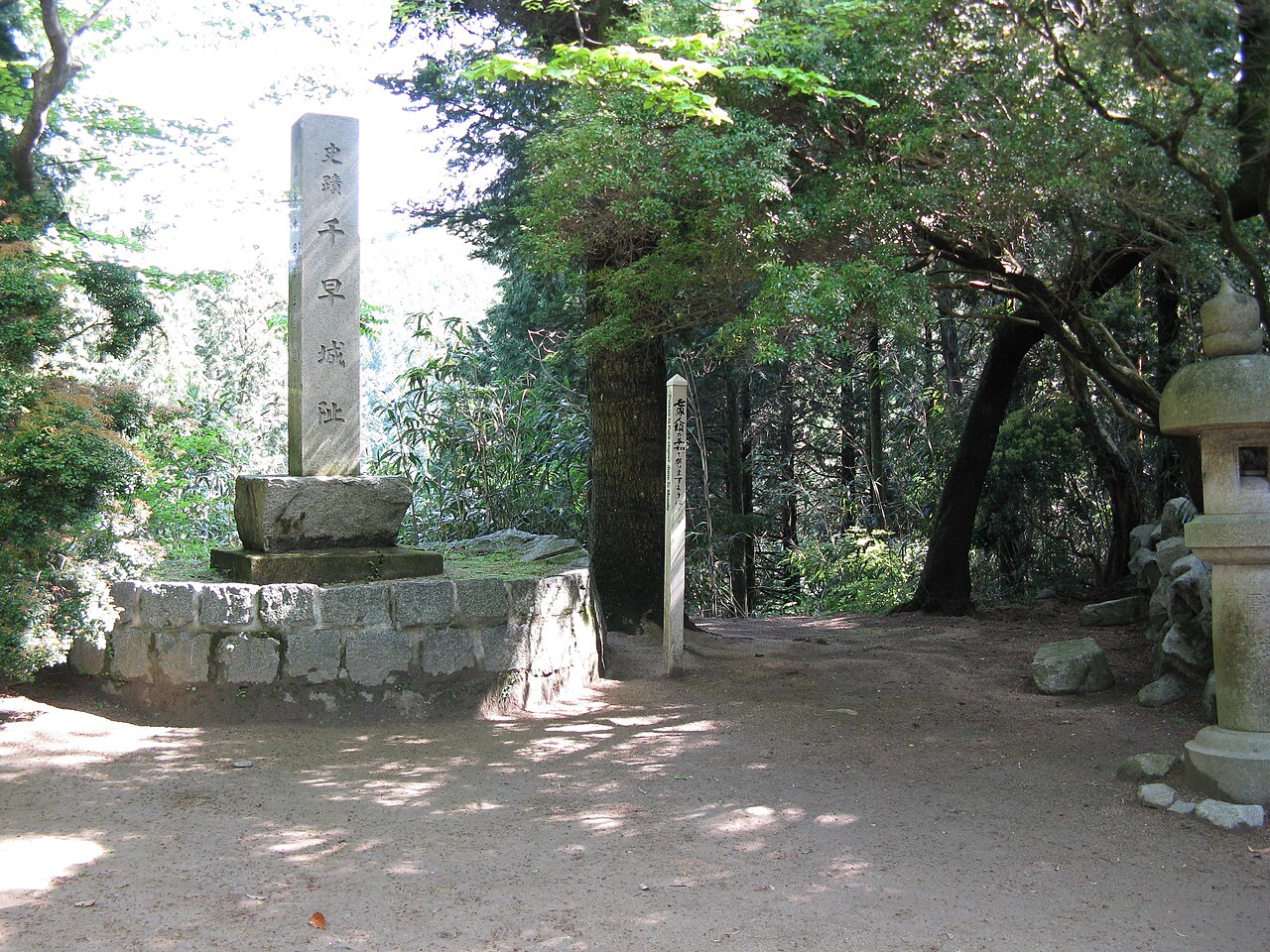
Uda Matsuyama Castle (宇陀松山城, Uda Matsuyama-jō) is a historic yamajiro-style Japanese castle located in Uda city, within Nara Prefecture, Japan. The castle's ruins have been officially protected as a National Historic Site since 2006, underscoring its cultural and historical significance. Known also by the names Akiyama Castle (阿紀山城/秋山城, Akiyama-jō) and Kaguraoka Castle (神楽岡の城, Kaguraoka-jō), it represents an important example of mountain castle architecture from Japan's feudal era.

Historical background and significance

The castle was constructed during the Sengoku period, a time marked by social upheaval and near-constant military conflict in Japan. As a yamajiro or mountain castle, it was strategically positioned on elevated terrain to maximize natural defenses. This style of castle was common in the 15th to 16th centuries, designed to provide strongholds for local warlords during the era's frequent battles.

Uda Matsuyama Castle played a role in regional power struggles, serving as a base for controlling the surrounding area. Its location in Nara Prefecture placed it near important trade and travel routes, which added to its strategic value. The castle town surrounding it has been preserved as an Important Preservation District for Groups of Traditional Buildings, reflecting the area's historical urban fabric and cultural heritage.

Architectural features and layout

The castle's design exemplifies typical yamajiro characteristics, utilizing the natural topography to enhance defense. The ruins reveal the outlines of multiple enclosures (kuruwa) arranged on terraced slopes, connected by narrow paths and steep stone walls. These enclosures would have housed the main keep (tenshu), living quarters, and defensive positions.

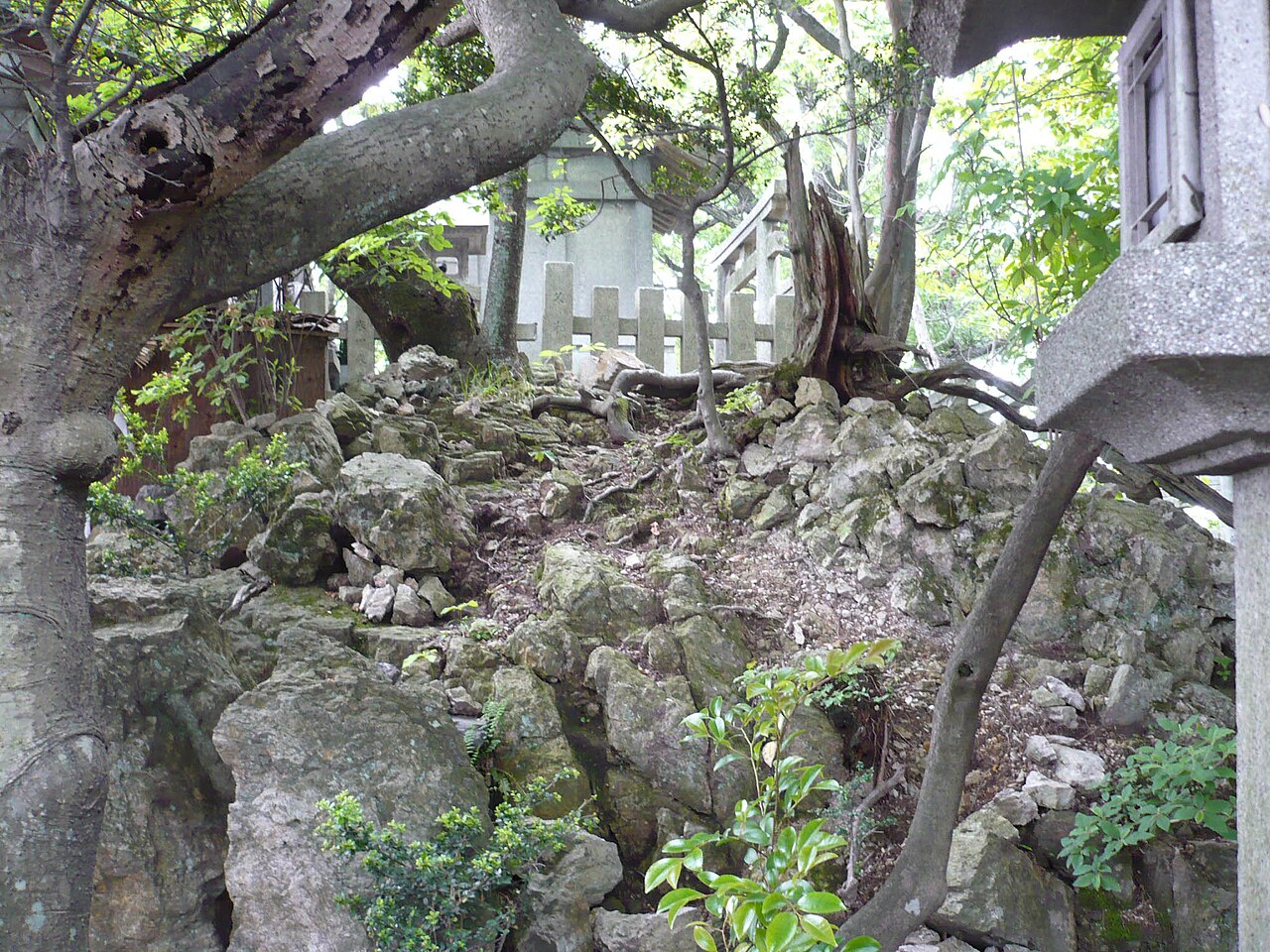
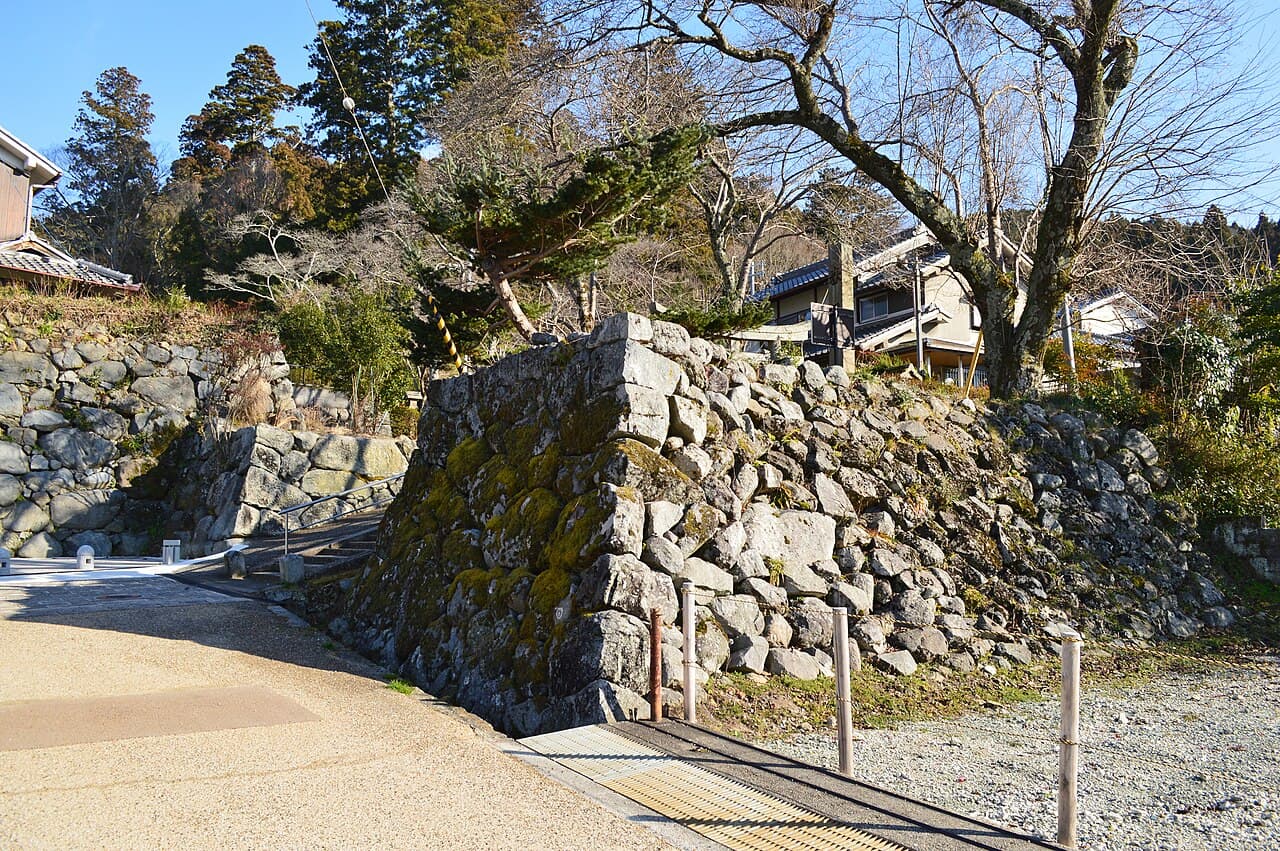
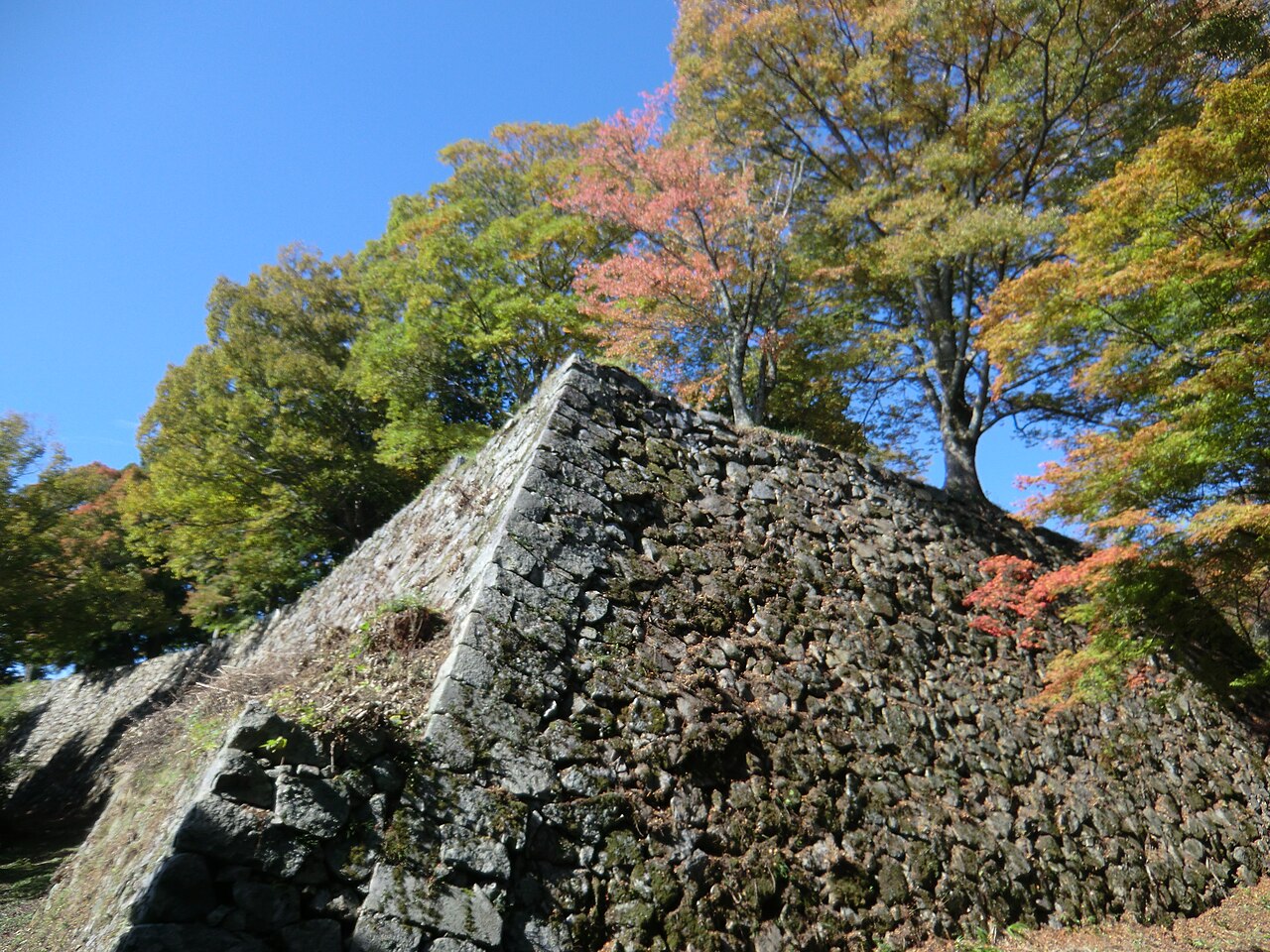
Stone walls and earthworks remain visible, demonstrating the castle's robust fortifications. The use of dry moats and steep embankments further complicated enemy approaches. Although the main wooden structures no longer survive, archaeological excavations have uncovered foundation stones and artifacts that provide insight into the castle's construction techniques and daily life.

Castle town and preservation

The adjacent castle town, which developed to support the castle's inhabitants and garrison, retains many traditional buildings. This area has been designated as an Important Preservation District for Groups of Traditional Buildings, highlighting its value as a cultural asset. Visitors can explore streets lined with historic houses, merchant shops, and temples that evoke the atmosphere of the castle's active period.

Current condition and visitor information

Today, Uda Matsuyama Castle is classified as ruins, with no standing main structures. However, the site offers extensive archaeological remains that attract historians, architects, and tourists interested in Japan's feudal past. The castle ruins are accessible to the public, allowing visitors to walk along the old defensive lines and terraces.

Interpretive signs and guided tours provide context about the castle's history and architectural features. The site's status as a National Historic Site ensures ongoing preservation efforts. The castle town nearby offers amenities and cultural experiences that complement a visit to the ruins.

Access and visiting tips

Uda Matsuyama Castle is reachable from central Uda city by local transportation or car. The best time to visit is during spring and autumn when the natural surroundings enhance the scenic beauty of the castle ruins. Visitors should wear sturdy footwear due to uneven terrain and be prepared for some uphill walking.

Frequently asked questions (FAQ)

What is the historical significance of Uda Matsuyama Castle?
Uda Matsuyama Castle, built in the early 16th century, played a crucial role in the regional power struggles during Japan's feudal era. It served as a strategic military stronghold and reflects the architectural styles of the period, showcasing the importance of castles in Japan's history.
When was Uda Matsuyama Castle constructed?
Uda Matsuyama Castle was constructed in 1540 by the Yamato clan and later became an important site for various samurai families. The castle has undergone numerous renovations and restorations since its original construction, preserving its historical essence for future generations.
Can I visit Uda Matsuyama Castle year-round?
Yes, Uda Matsuyama Castle is open to visitors throughout the year, allowing guests to explore its historical grounds and enjoy scenic views. However, it's recommended to check for any seasonal events or maintenance schedules that may affect access.
What are the opening hours for Uda Matsuyama Castle?
The castle is typically open from 9:00 AM to 5:00 PM, but hours may vary depending on the season. It's best to check the official website before your visit for the most accurate information regarding opening hours.
Is it possible to access Uda Matsuyama Castle by public transportation?
Yes, Uda Matsuyama Castle is accessible via public transportation, including local buses and trains that connect to Uda city. Once you arrive in Uda, the castle is a short walk from the nearest bus stop, making it convenient for visitors.
What is the best time to visit Uda Matsuyama Castle?
The best time to visit Uda Matsuyama Castle is during the spring (March to May) when cherry blossoms are in full bloom, creating a picturesque backdrop. Autumn (September to November) is also a great time, as the foliage transforms the landscape into vibrant colors.
Are there any nearby attractions to Uda Matsuyama Castle?
Yes, nearby attractions include the Uda City Historical Museum and the beautiful gardens surrounding the castle. Visitors can also explore local temples and shrines that highlight the rich cultural heritage of the area.
What are the ticket prices for Uda Matsuyama Castle?
Entry to Uda Matsuyama Castle is typically affordable, with ticket prices around 300 yen for adults and discounted rates for children and seniors. Visitors should check for any special events that may have different pricing structures.
Is Uda Matsuyama Castle accessible for individuals with disabilities?
While Uda Matsuyama Castle has made efforts to improve accessibility, some areas may still present challenges due to the castle's historical architecture. It is advisable to contact the castle administration ahead of your visit to inquire about specific accessibility features and assistance available.

Photo gallery

Uda Matsuyama Castle
Click to view

Photo by Saigen Jiro•CC0

1 photo • Click any image to view in full screen

Information

Archaeological Site / Ruins

Loading map...

Visitor reviews

No reviews yet. Been here? Write the first review and help other travelers!

Write the first review

Visited this castle? Share your experience

Your review helps other travelers and adds first-hand knowledge to our encyclopedia.
Write a review

(5/5)

0/2000 characters

Your review will be visible after admin approval

Nearby castles

11.3 km
Takatori Castle — Japan castle

Takatori Castle

Takatori, Japan

Takatori Castle stands as a remarkable example of a late medieval hill castle in Japan, perched atop a steep mountain ridge in Takatori, Nara Prefecture. Originally constructed in 1332 by Ochi Kunizumi as a satellite fortification to Kaibukiyama Castle, it played a pivotal role in regional defense and witnessed several significant uprisings during the Muromachi period. The castle's strategic location offered commanding views of the surrounding valleys and control over vital routes, making it a key military asset for the Ochi clan until the mid-16th century. Historical significance and ownership transitions Takatori Castle was a focal point of military activity through the turbulent Sengoku era. In 1580, the powerful warlord Oda Nobunaga ordered its abandonment in favor of Yamato Koriyama Castle, consolidating his control over the region. However, the castle's strategic importance was reaffirmed when Tsutsui Junkei initiated reconstruction efforts in 1584 as part of a renewed defensive network. Following Tsutsui's death, his heir was relocated, and control passed to Toyotomi Hidenaga, who assigned Honda Toshihisa to redesign and strengthen the castle's defenses, resulting in the layout largely visible today. The Honda clan maintained stewardship of the castle until 1640, when the Uemura family assumed lordship. The Uemura governed the castle throughout the peaceful Edo period, during which the lord's residence was moved from the mountaintop to the castle town below, known as the Shimoyashiki. This relocation was unusual as the lord's residence was situated lower than those of his retainers, who remained higher up the mountain. Architectural features and castle layout Takatori Castle is distinguished by its extensive and complex fortifications adapted to the steep mountainous terrain. The castle's design incorporates multiple baileys and trenches extending along the ridge line, with stone walls and clay ramparts providing formidable defense. The main areas include the Yoshinoguchi and Okaguchi entrances, as well as the Yokogaki Bailey, which are connected by a network of trails and stairways. The castle's construction reflects typical late medieval Japanese military architecture, emphasizing natural topography for defense. The stone walls and earthen ramparts were carefully integrated with the mountain's contours to create layered defensive positions. The remnants of the Nagayamon Gate in the castle town, now repurposed, and the surviving gate to the Uemura residence highlight the blend of military and residential architecture present at the site. Castle town and Edo period adaptations During the Edo period, the castle's role shifted from a purely military fortress to a feudal lord's residence complex. The Shimoyashiki area below the mountain became the center of administrative and residential life. Remnants of clay walls in this area attest to its former defensive purpose, although much of the structure has been lost. The castle town still preserves elements of its historical fabric, including gates and residences linked to the Uemura family, whose descendants continue to live there. Modern exploration and preservation efforts Today, Takatori Castle exists as ruins that attract historians, castle enthusiasts, and hikers. The site is noted for its challenging access, with a significant elevation gain of approximately 390 meters, making it one of the "Three Great Mountaintop Castles" alongside Iwamura and Bitchu Matsuyama Castles. Visitors can approach the castle via several routes, including a steep 5 km hike from the train station or a combination of bus and hiking from nearby Tsubosaka Temple, famous for its association with eyesight healing. The castle's extensive ruins are partially marked by signposted trails, but many sections remain difficult to access and are best explored during winter when vegetation is sparse. Recent technological advances, such as the LiDAR laser survey conducted by Asia Air Survey, have revealed previously unknown trenches and baileys, enhancing understanding of the castle's full extent. Additionally, computer-generated reconstructions by Nara Sangyo University provide valuable visualizations of the castle's original appearance and approach routes. Preservation efforts have been ongoing, with work to repair erosion damage to trails and stone walls. Despite its historical importance, Takatori Castle has not received extensive funding or scholarly attention, partly due to its location in Nara Prefecture, a region rich in older historical sites. Nonetheless, local initiatives and digital resources, including a detailed brochure and an augmented reality smartphone app, support visitor engagement and heritage conservation. Visitor experience and practical information Visiting Takatori Castle offers a unique blend of history, architecture, and natural beauty. The castle's ruins provide panoramic views and a tangible connection to Japan's feudal past. Due to the rugged terrain and limited signage in some areas, visitors are advised to prepare adequately, wear suitable footwear, and consider timing their visit in winter for optimal trail visibility. Access options include hiking from the train station or taking a bus to Tsubosaka Temple followed by a hike. The preferred route for many is a taxi to the Tsubosakaguchi Entrance, allowing immediate access to less-visited parts of the castle. After exploring the mountaintop ruins, descending via the Ote Road offers a scenic return to the town below. Nearby attractions The proximity of Tsubosaka Temple, renowned for its autumn foliage and spiritual significance, complements a visit to Takatori Castle. The temple and castle together offer a rich cultural and historical itinerary for visitors to the Kansai region. Future prospects Ongoing research and technological surveys promise to uncover further insights into Takatori Castle's history and structure. Increased awareness and preservation initiatives could elevate the castle's profile as a major heritage site, ensuring its protection and appreciation for generations to come.

Late Medieval (14th–15th c.)
Details
26.6 km
Chihaya Castle — Japan castle

Chihaya Castle

Osaka, Japan

Chihaya Castle stands as a remarkable symbol of Japanese medieval military ingenuity and loyalty. Constructed in 1332 by the legendary Kusunoki Masashige during the Genko War, this hill castle in Osaka played a pivotal role in the conflict between Emperor Go-Daigo and the Kamakura shogunate. Despite its current state as ruins, the castle's historical significance and strategic design continue to captivate historians, castle enthusiasts, and visitors alike. Historical significance and military role Chihaya Castle was constructed at a time of intense political upheaval in Japan, during the LATE_MEDIEVAL period. It was built as a defensive fortress by Kusunoki Masashige, a samurai famed for his unwavering loyalty to Emperor Go-Daigo. The castle became a bastion of resistance against the Kamakura shogunate's forces, exemplifying the use of guerrilla warfare and tactical ingenuity in medieval Japanese castle defense. Masashige's defense strategies at Chihaya Castle are legendary. He employed clever tactics such as rolling large boulders down the slopes to disrupt enemy formations, setting log traps to slow advances, and using "dummy" warriors to exaggerate the size of his defending force. These methods frustrated and demoralized the shogunate army, which ultimately abandoned its siege efforts. The castle's successful defense contributed significantly to the eventual downfall of the Kamakura shogunate and the restoration of imperial rule. Architectural features and layout As a hill castle (yamajiro), Chihaya Castle utilized the natural topography of Mount Kongo to enhance its defenses. The castle's design incorporated multiple baileys (courtyards) arranged on terraced slopes, which created layered defensive positions difficult for attackers to penetrate. The main bailey, situated at the highest point, offered commanding views of the surrounding area, allowing defenders to anticipate enemy movements. Although much of the castle has succumbed to time, several key features remain visible. The dry moat and carved terraces demonstrate sophisticated earthworks typical of Japanese mountain fortresses. The presence of kirigishi slopes—steep, angled embankments designed to impede attackers—and small koshiguruwa side baileys hidden in the woods reflect a complex defensive network. While the stone wall currently visible is a later reconstruction, it likely marks the foundation of a lookout tower or yagura, integral to the castle's early warning system. Baileys and temples The castle grounds include the second, third, and fourth baileys, which are now occupied by a temple complex. This integration of religious structures within former military sites is common in Japan, reflecting the layered history and evolving use of castle spaces. Visitors can explore these areas to appreciate the castle's scale and the way natural and manmade elements were combined for defense. Visiting Chihaya Castle today Despite its reputation among some castle enthusiasts as a challenging site to visit due to limited visible remains and difficult access, Chihaya Castle offers a rewarding experience. The castle is included in the prestigious Top 100 Castles of Japan list, highlighting its cultural and historical importance. Access to the castle involves a hike up Mount Kongo. While there is a steep staircase that many find daunting, a well-maintained hiking trail bypasses these stairs, providing a more manageable route. After about 15 minutes on this trail, a clearly marked side path leads visitors directly to the castle ruins. This hike offers scenic views and an immersive encounter with the natural environment surrounding the fortress. Previously, the Kongosan Ropeway provided an easier means to reach the mountain summit, offering panoramic views and access to hiking trails. However, the ropeway was closed and dismantled in 2022 due to equipment deterioration, making the hike the primary way to visit the site. Nearby castles and historical context Chihaya Castle is part of a network of fortifications linked to Kusunoki Masashige's military campaigns. Nearby castles such as Kami Akasaka Castle and Shimo Akasaka Castle complement the historical narrative of the region, providing additional context for the Genko War and the samurai strategies employed during this turbulent period. Exploring these sites together offers visitors a comprehensive understanding of the military landscape of 14th-century Japan and the enduring legacy of Kusunoki Masashige as a symbol of loyalty and tactical brilliance. Preservation and cultural importance As ruins, Chihaya Castle requires careful preservation to maintain its remaining features and historical integrity. The site is managed to balance public access with conservation efforts, ensuring that future generations can appreciate this emblem of Japan's medieval heritage. The castle's inclusion in the Top 100 Castles of Japan underscores its significance despite the limited physical remains. It serves as a powerful reminder of the resilience and strategic acumen that defined Japan's feudal conflicts and shaped its history.

Late Medieval (14th–15th c.)
Details
28.1 km
Shigisan Castle — Japan castle

Shigisan Castle

, Japan

Shigisan Castle (信貴山城, Shigisanjō) was a prominent Japanese castle during the Sengoku period, a time of intense military conflict and social upheaval in 16th-century Japan. Situated on Mount Shigi in the region that is now part of Nara Prefecture, the castle served as a strategic mountain fortress controlling important routes and local territories. It was primarily controlled by the Kizawa and Matsunaga clans, who played significant roles in the castle's history and the regional power struggles of the era.Historical context and significanceThe Sengoku period (c. 1467–1600) was marked by near-constant warfare among feudal lords vying for dominance. Castles such as Shigisan were critical military and administrative centers. Shigisan Castle’s location on a mountain gave it a natural defensive advantage, allowing its occupants to monitor and control surrounding areas and trade routes. The castle was part of the broader network of fortifications that shaped the power dynamics in central Japan during this turbulent period.Clan control and military roleThe Kizawa clan initially controlled Shigisan Castle, using it as a stronghold to assert influence over the region. Later, the Matsunaga clan took control, with Matsunaga Hisahide, a notable Sengoku warlord, playing a key role in the castle’s history. Hisahide is known for his complex alliances and political maneuvers during the era. The castle was involved in various military campaigns and conflicts, reflecting the shifting allegiances and power struggles of the time.Architectural features and layoutAs a mountain castle (yamajiro), Shigisan Castle was designed to utilize the natural terrain for defense. The castle’s layout included multiple baileys (courtyards) terraced along the slopes of Mount Shigi. Defensive features included moats and earthworks that enhanced its protection against attackers. Stone walls were less prominent than in later castles, as the castle relied heavily on natural barriers and wooden structures.Defensive structuresThe castle’s moats were carved into the mountain, creating deep trenches that hindered enemy movement. Earthworks such as raised embankments and cut slopes formed additional obstacles. These features were typical of Sengoku period mountain castles, which prioritized natural defenses over massive stone fortifications. The castle’s strategic placement and fortifications made it difficult to assault directly.Current condition and archaeological remainsToday, Shigisan Castle exists primarily as archaeological ruins. The original wooden buildings and fortifications have long since disappeared, leaving only traces of the castle’s former presence. Visitors to the site can observe remnants of the moats and earthworks, which outline the castle’s former defensive perimeter. The site is valued for its historical significance and offers insight into Sengoku period castle construction and military strategy.Preservation and accessThe castle ruins are accessible to the public, though facilities are minimal. The site is often visited by history enthusiasts and hikers interested in Japan’s feudal past and mountain castle architecture. Efforts to preserve the earthworks and moats help maintain the site’s integrity, allowing for ongoing archaeological study and public education.Shigisan Castle in cultural memoryWhile Shigisan Castle no longer stands as a complete structure, it remains an important cultural and historical symbol. It reflects the turbulent Sengoku period and the architectural style of mountain fortresses of that era. The castle’s association with notable figures like Matsunaga Hisahide adds to its historical interest. It contributes to the understanding of feudal Japan’s military and political landscape.

Renaissance (15th–17th c.)
Details