Twthill Castle
Twthill Castle stands as a significant example of Norman military architecture in northern Wales, located in the historic town of Rhuddlan. Constructed in 1073 under the command of Robert of Rhuddlan, a Norman lord and relative of Hugh d’Avranches, Earl of Chester, the castle played a crucial role in the Norman conquest and control of the region. This hill castle is a classic example of a motte-and-bailey fortress, a design favored by the Normans for its rapid construction and effective defensive capabilities.
Historical context and strategic importance
Following the Norman Conquest of England in 1066, the Normans extended their reach into Wales, encountering resistance from native Welsh princes. Twthill Castle was established as part of this expansionist strategy, serving both as a military base and an administrative hub. The castle’s location in Rhuddlan was strategically chosen for its proximity to the River Clwyd and fertile lands, enabling control over local trade routes and agricultural resources.
Robert of Rhuddlan, acting on orders from William the Conqueror, utilized Twthill Castle to launch military campaigns aimed at subjugating the Welsh territories. The castle’s presence helped consolidate Norman authority in North Wales, facilitating the establishment of a Norman borough adjacent to the fortress. This borough was home to privileged burgesses who enjoyed specific rights, contributing to the area's economic development.
Architectural features and layout
The motte and bailey design
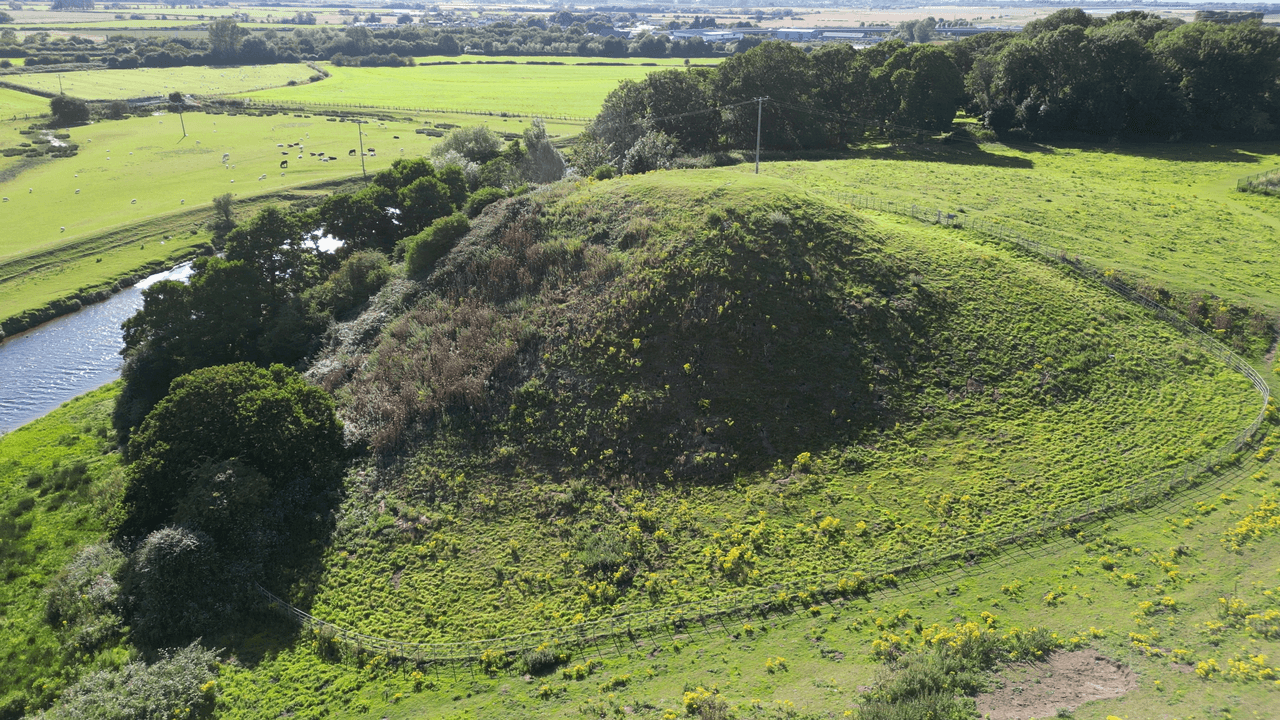
Twthill Castle exemplifies the motte-and-bailey style, characterized by a large artificial earth mound (the motte) topped originally by a wooden or stone keep. The motte at Twthill rises approximately 12 meters high and spans up to 80 meters in diameter. This imposing earthwork was designed to provide a vantage point for surveillance and defense.
Surrounding the motte was the bailey, an enclosed courtyard protected by palisades and earthworks. Although much of the bailey’s fortifications have eroded over time, faint traces of the enclosing wall remain visible in the surrounding fields. These would have included wooden palisades and possibly a ditch, typical of Norman military engineering during the late 11th century.
Materials and construction techniques
The castle’s primary construction utilized earthworks rather than stone, a common practice for early Norman fortifications intended for rapid establishment of control. The motte was built up using local soil and sand, shaped to create a steep-sided mound. The keep atop the motte was likely wooden initially, with stone structures possibly added later as the castle’s strategic importance grew.
The castle’s role in the local community and economy
By 1086, Twthill Castle was not only a military stronghold but also an administrative center. The adjacent Norman borough included a church and a mint, where coins were produced from 1086 to 1215. Surviving coins minted here attest to the castle’s economic significance and its role in facilitating Norman governance and commerce in the region.
The castle and borough provided protection and privileges to burgesses, encouraging settlement and economic activity. This integration of military and civilian functions highlights the dual role of Norman castles as centers of power and hubs of local administration.
Later history and legacy
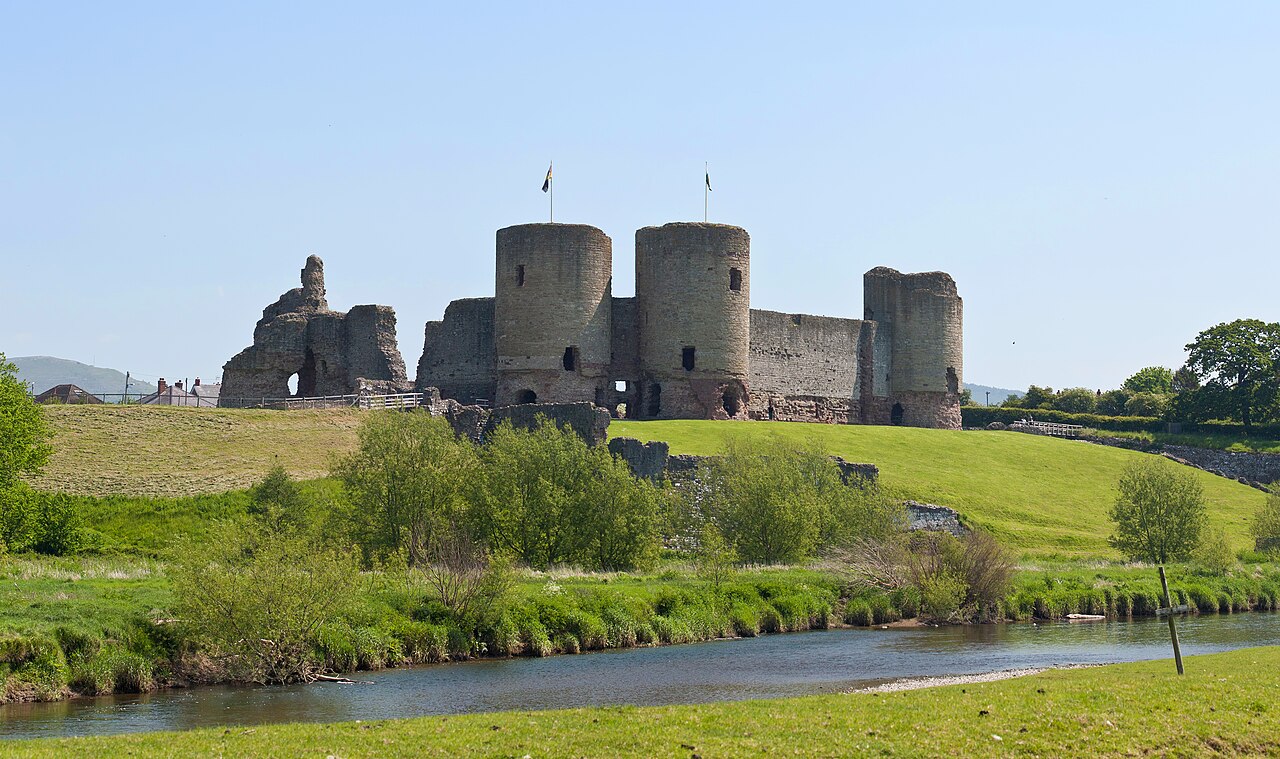
Twthill Castle remained in active use for about two centuries. In the late 13th century, during the reign of Edward I, it was superseded by the construction of the more formidable Rhuddlan Castle nearby. This newer stone fortress reflected advances in military architecture and the continued importance of Rhuddlan as a strategic site.
Local tradition holds that the site of Twthill Castle may have been the location of the palace of Gruffydd ap Llywelyn, a former king of Wales, underscoring the area’s longstanding strategic and political significance prior to the Norman conquest.
Present condition and visitor experience
Today, Twthill Castle survives primarily as earthwork remains, with the motte standing as the most prominent feature. The mound’s impressive height and diameter remain visible despite centuries of erosion, particularly due to the sandy soils beneath it. Visitors can explore the site via a public footpath that crosses surrounding farmland, offering a tangible connection to early Norman military history in Wales.
While the wooden or stone keep no longer stands, the visible earthworks provide insight into the castle’s original layout and defensive design. The proximity of Twthill Castle to Rhuddlan Castle allows visitors to appreciate the evolution of castle architecture and military strategy in medieval Wales.
Frequently asked questions (FAQ)
- When was Twthill Castle built and by whom?
- Twthill Castle was built in 1073 by Robert of Rhuddlan, a Norman lord acting under William the Conqueror's orders.
- What is the architectural style of Twthill Castle?
- Twthill Castle is a motte-and-bailey fortress, typical of Norman military architecture in the late 11th century.
- Can visitors access Twthill Castle today?
- Yes, visitors can access the site via a public footpath crossing farmland, allowing exploration of the earthwork remains.
- What was the role of the castle in the local economy?
- The castle served as a military base and administrative center, with an adjacent borough that included a church and a mint producing coins from 1086 to 1215.
- Why was Twthill Castle replaced by Rhuddlan Castle?
- Twthill Castle was replaced in the late 13th century by Rhuddlan Castle, a more substantial stone fortress reflecting advances in military architecture.
Photo gallery

Information
Website
Visit websiteSources & official resources
Verify the information above using these authoritative references.
Loading map...
Visitor reviews
No reviews yet. Been here? Write the first review and help other travelers!
Write the first reviewVisited this castle? Share your experience
Your review helps other travelers and adds first-hand knowledge to our encyclopedia.