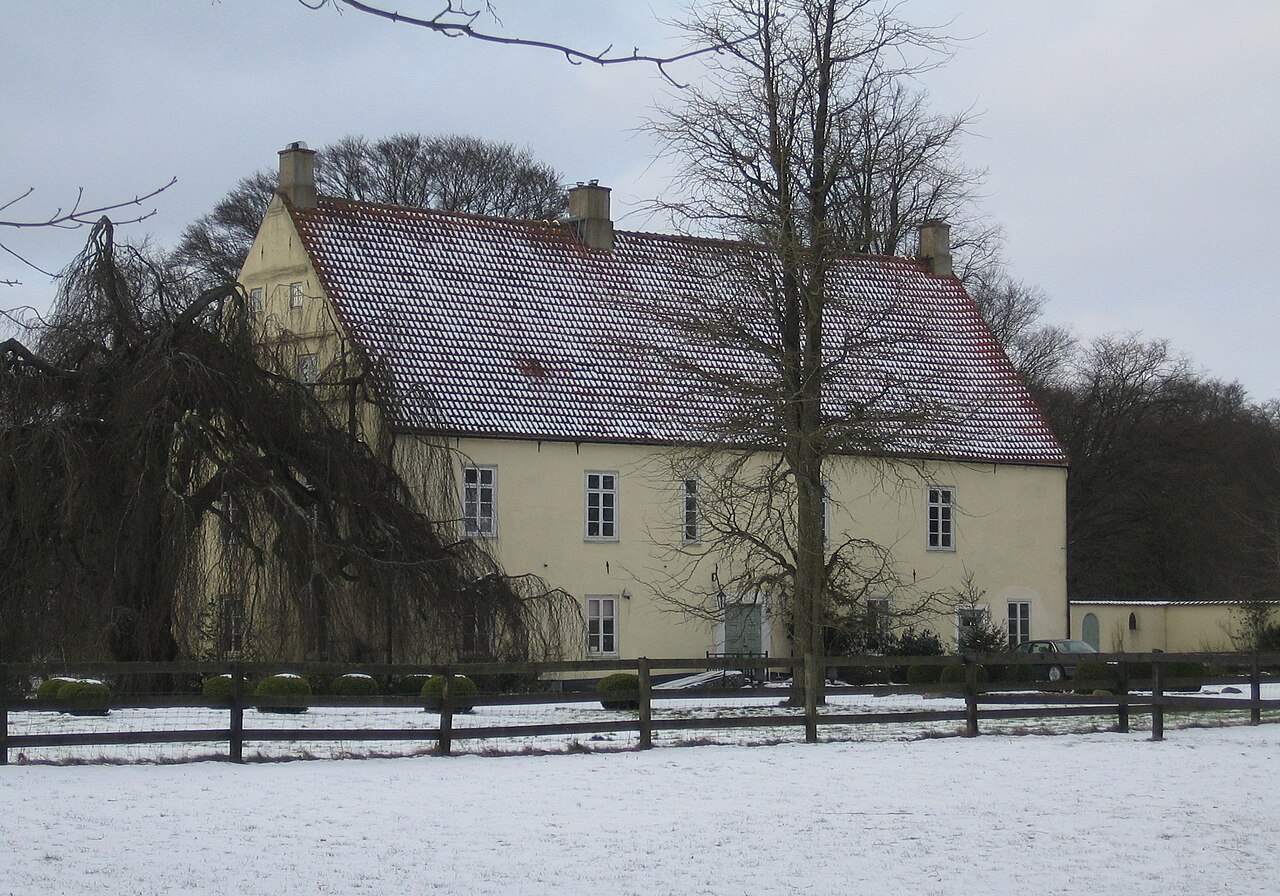
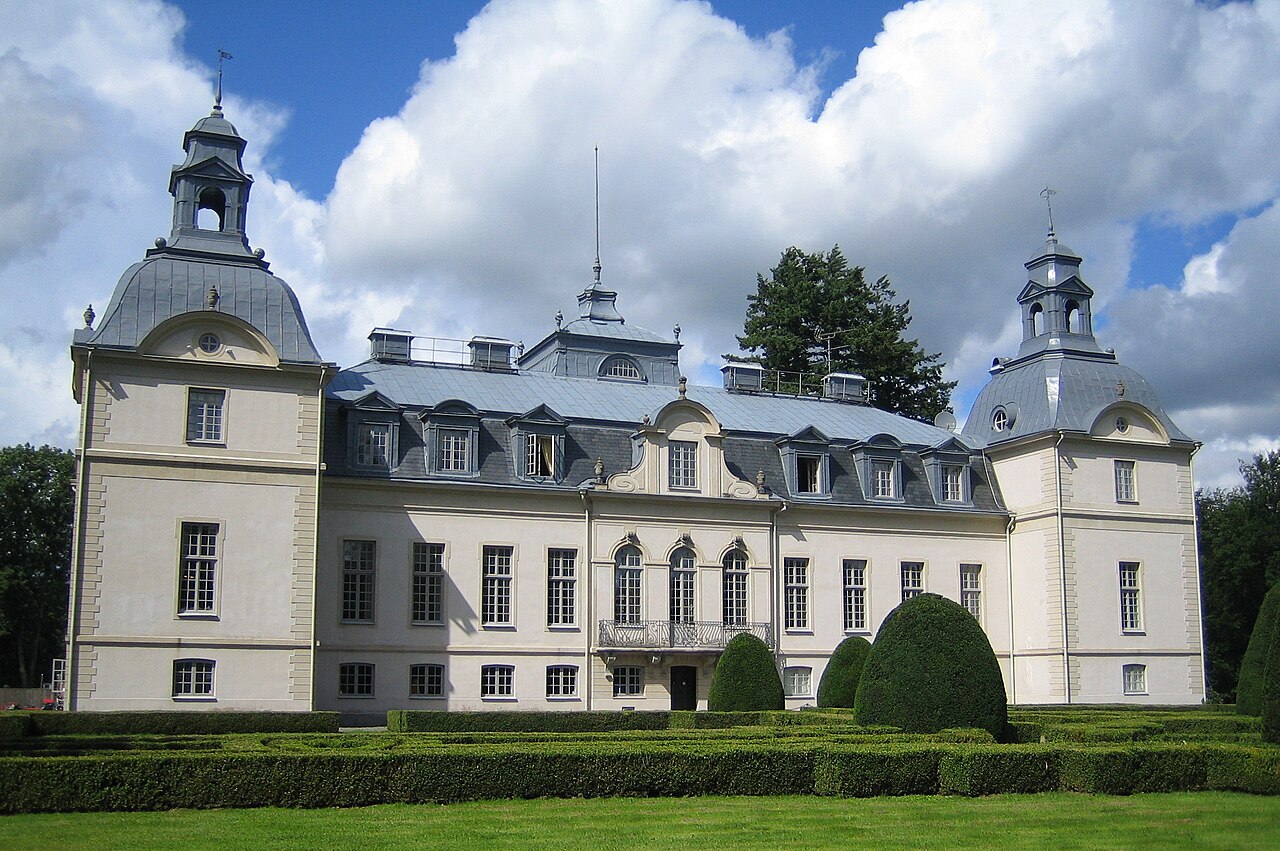
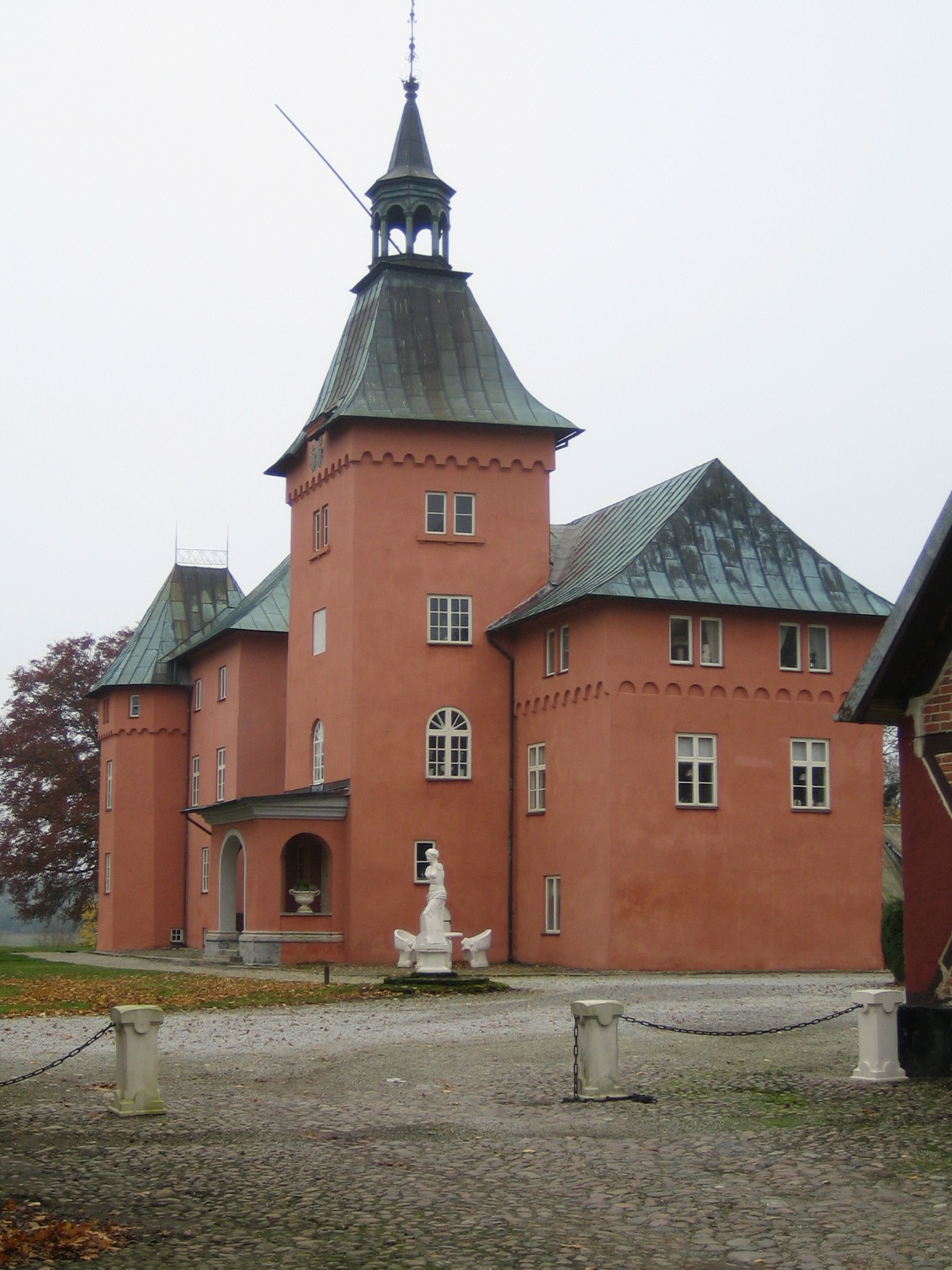
Tunbyholm Castle, located in Smedstorp, Sweden, is a distinguished example of Renaissance architecture from the early 17th century. Constructed between 1634 and 1640, the castle reflects the architectural influence of Christian IV of Denmark, renowned for his distinctive Renaissance style that combines both functionality and ornamentation.
Historical context and architectural significance
The castle was built during a period of significant cultural and political change in Scandinavia. The reign of Christian IV, King of Denmark and Norway, was marked by extensive building projects that introduced Renaissance architectural elements across the region. Tunbyholm Castle stands as one of the finest manifestations of this style in Sweden, illustrating the spread of Renaissance ideals beyond Denmark's borders.
The Renaissance style of Tunbyholm is characterized by its balanced proportions, symmetry, and classical details. The main building features two floors and is flanked by two annexes, which were typical of manor houses designed to accommodate both residential and administrative functions.
Architectural features
The castle's layout is typical of Renaissance manors, emphasizing harmony and order. The facade likely includes classical elements such as pilasters, cornices, and possibly gabled roofs, all hallmarks of the period's architectural vocabulary. While detailed descriptions of the interior are scarce due to its private ownership, the structure's exterior remains a valuable example of 17th-century Scandinavian Renaissance architecture.
Tunbyholm's construction materials and techniques would have combined traditional Swedish building methods with Renaissance stylistic influences imported from Denmark and the broader European continent. This blend results in a unique architectural expression that is both regionally grounded and internationally informed.
Ownership and accessibility
Today, Tunbyholm Castle remains under private ownership and is not open to the public. This status has helped preserve its condition but limits scholarly access and public appreciation. Despite this, the castle continues to be recognized for its architectural and historical value within Swedish heritage circles.
Preservation and condition
The castle is well preserved, maintaining much of its original Renaissance character. Its survival through centuries reflects careful stewardship by its owners. The preservation of Tunbyholm allows it to serve as a physical document of early modern Scandinavian architecture and aristocratic life.
Location and surroundings
Situated in the rural landscape of Smedstorp, the castle is part of the cultural fabric of southern Sweden. Its setting likely includes gardens or parkland typical of manor estates, designed to complement the architectural elegance of the main building. The surrounding region is rich in history and natural beauty, contributing to the castle's contextual significance.
Loading map...
Visitor reviews
No reviews yet. Been here? Write the first review and help other travelers!
Write the first reviewVisited this castle? Share your experience
Your review helps other travelers and adds first-hand knowledge to our encyclopedia.