Garsnäs Castle
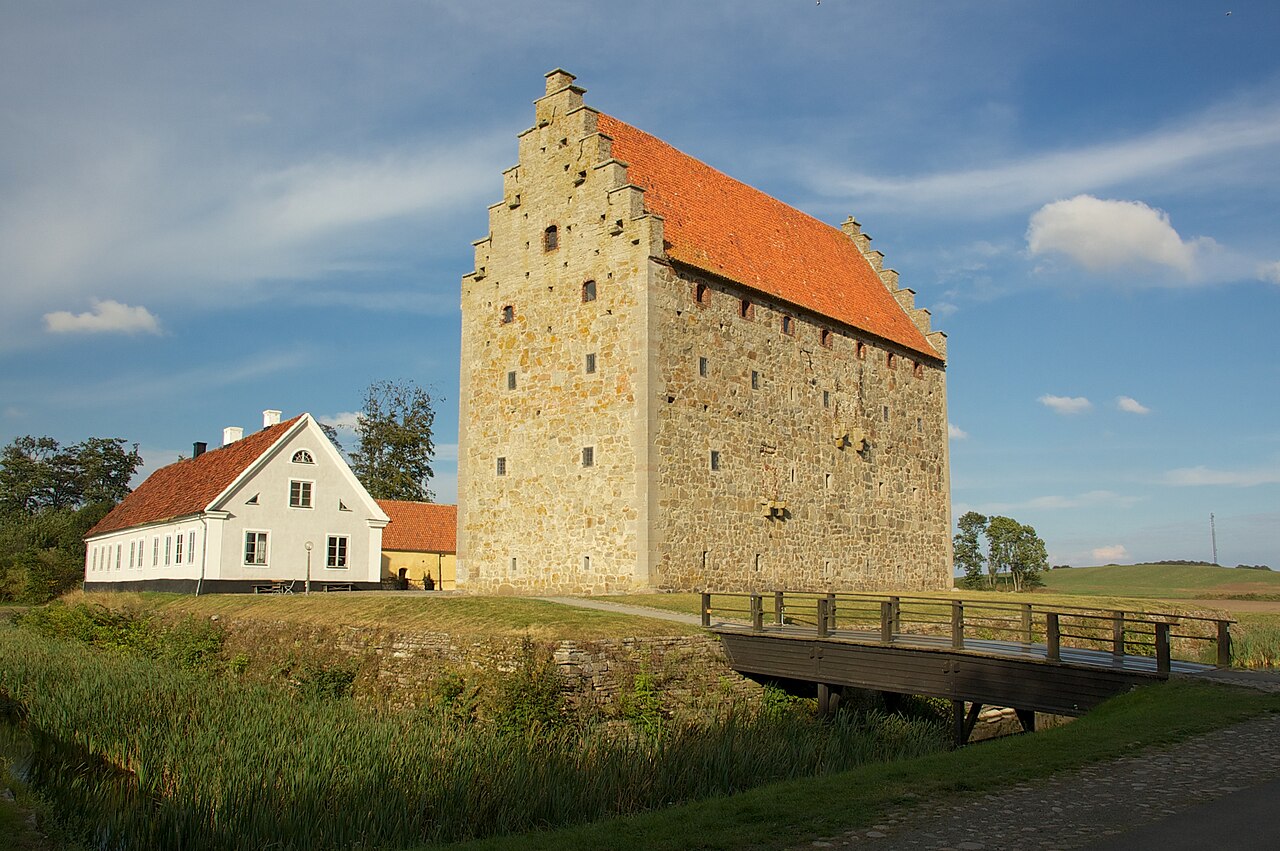
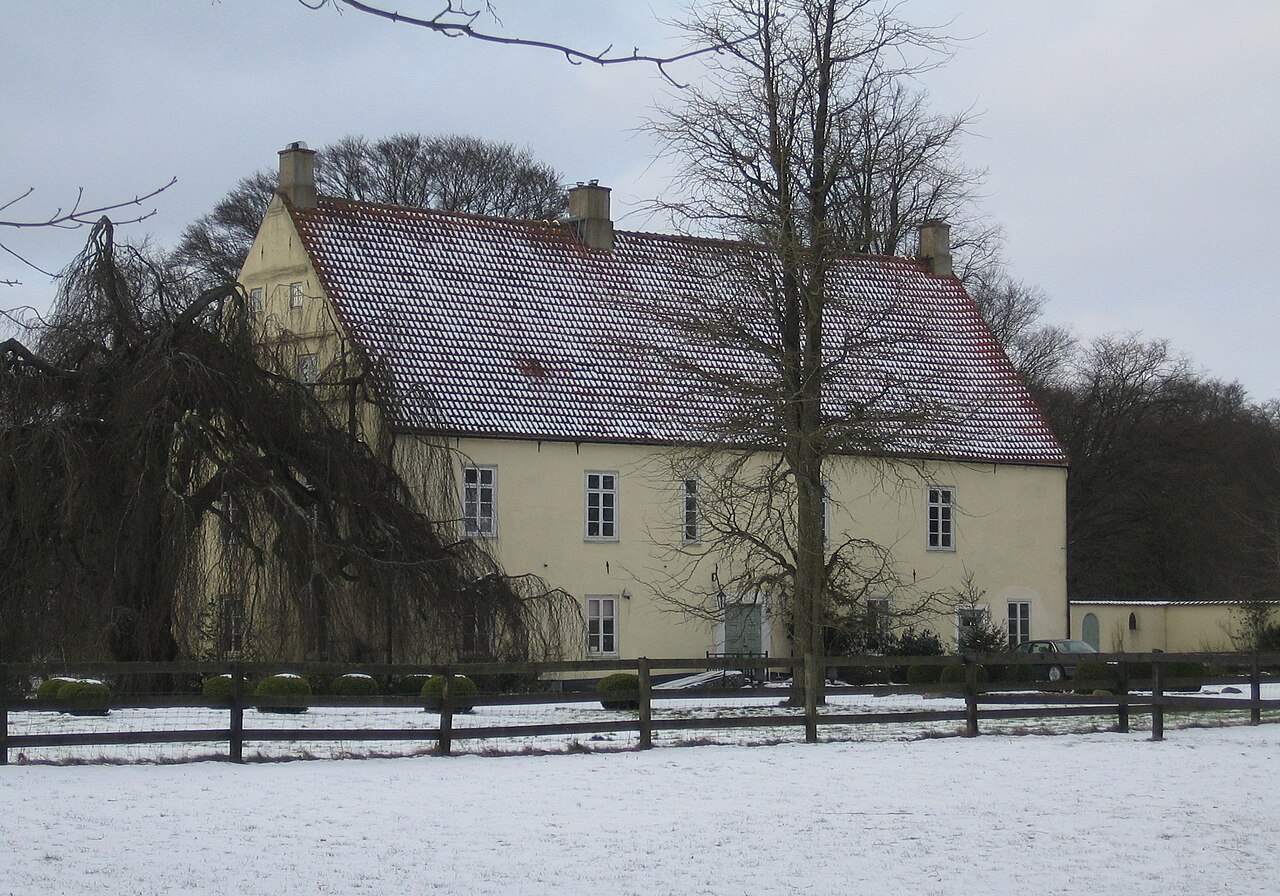
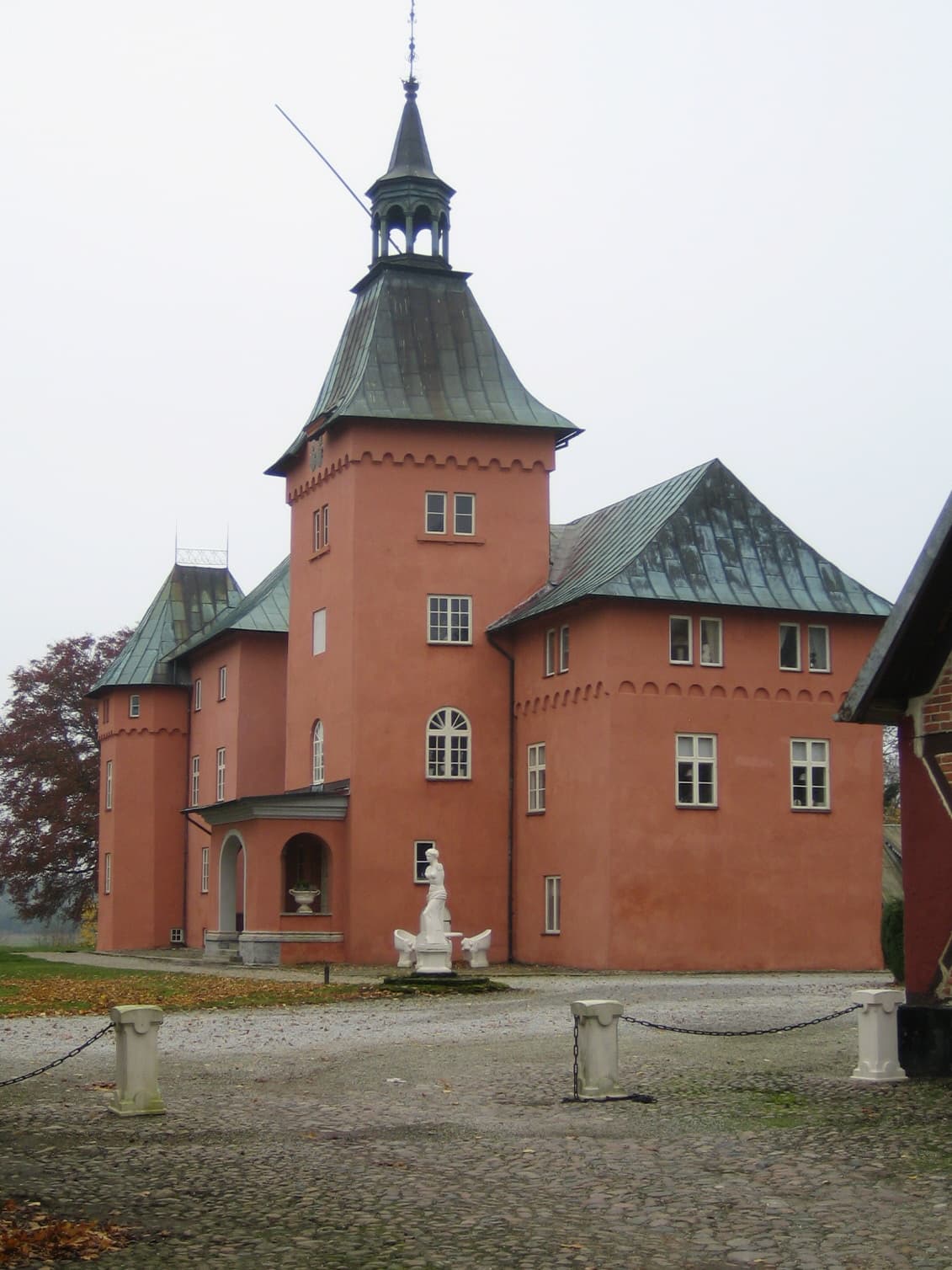
Gärsnäs Castle is a historic Renaissance hill castle located in Simrishamn Municipality, in the region of Scania, southern Sweden. Its origins trace back to the 13th century, with the estate first mentioned in historical records during the 14th century. Originally, the site functioned as a fortified stronghold surrounded by a protective moat, owned by the noble Drefelt family. This early fortress was typical of medieval defensive architecture, designed to secure the estate against local conflicts and raids common in the period.
Historical development and ownership
The present structure of Gärsnäs Castle was constructed primarily during the 16th and 17th centuries, reflecting the architectural transition into the Renaissance period. This transformation was initiated by Falk Lykke, a prominent landowner who acquired the estate from the Drefelt family in 1630. Lykke's rebuilding efforts replaced the medieval fortress with a more modern residence that combined defensive features with the comfort and style favored during the Renaissance.
In 1658, the castle changed hands to Heinrich Rantzau, a notable figure of the time. Later, in 1702, it was purchased by the Swedish Baron Jöran Adlersteen. Upon his death, the castle was inherited jointly by his three daughters in 1713, including Christina Beata Dagström. The estate has remained in private ownership since then, preserving its heritage and historical significance.
Architectural features and style
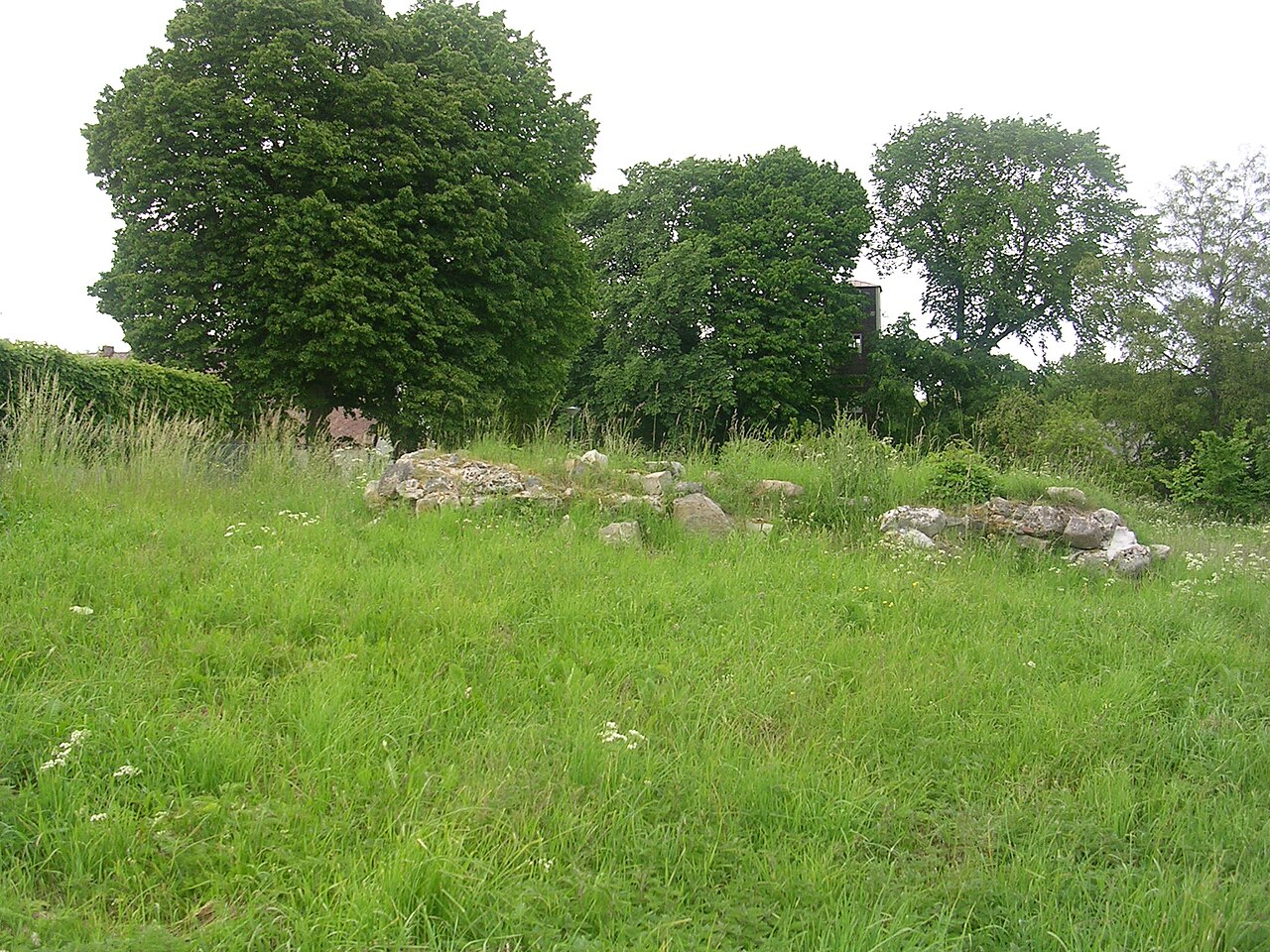
Gärsnäs Castle exemplifies the Renaissance architectural style adapted to a Scandinavian context. The castle is situated on a natural elevation, characteristic of hill castles, which provided strategic advantages for surveillance and defense. The surviving elements of the castle include robust stone walls, remnants of the original moat, and a courtyard that reflects the Renaissance emphasis on symmetry and proportion.
The castle's layout reveals a blend of medieval fortification elements and Renaissance residential design. Defensive features such as thick walls and limited entry points coexist with larger windows and more ornate detailing introduced during the rebuilding phases. The castle grounds include ancillary buildings and gardens that have evolved over centuries, contributing to the estate's overall historic ambiance.
Role and significance through the centuries
Throughout its history, Gärsnäs Castle has played multiple roles, from a medieval fortress to a noble residence and estate center. Its position in Scania placed it within a region of strategic importance, especially during the periods of Danish and Swedish territorial conflicts. The castle's owners often held significant local influence, contributing to the political and economic life of the area.
In the modern era, the castle has transitioned from a private noble residence to a venue for cultural and social events. It now offers wedding and event services, allowing visitors to experience its historic atmosphere firsthand. This adaptive reuse helps preserve the castle's fabric while making it accessible to the public in a meaningful way.
Preservation and current condition
Today, Gärsnäs Castle is well preserved and remains under private ownership. The castle has undergone careful maintenance to retain its Renaissance features and structural integrity. While some original medieval elements survive, most visible architecture reflects the 16th and 17th-century reconstruction phases.
The estate's management balances preservation with practical use, ensuring the castle remains a vibrant part of the local heritage. Visitors can appreciate the castle's historical layers through its architectural details and the surrounding landscape, which continues to evoke its centuries-old legacy.
Visiting and cultural importance
Although primarily a private residence, Gärsnäs Castle is accessible to the public during special events and by appointment for weddings and private functions. Its location in the picturesque countryside of Scania makes it a notable destination for those interested in Swedish Renaissance architecture and noble estates.
The castle contributes to the cultural heritage of southern Sweden, representing the region's complex history of shifting sovereignties and architectural evolution. It offers insight into the lifestyle and social structures of Swedish nobility from the Renaissance to the early modern period.
Photo gallery

Information
Website
Visit websiteSources & official resources
Verify the information above using these authoritative references.
Loading map...
Visitor reviews
No reviews yet. Been here? Write the first review and help other travelers!
Write the first reviewVisited this castle? Share your experience
Your review helps other travelers and adds first-hand knowledge to our encyclopedia.