Tumlu Castle
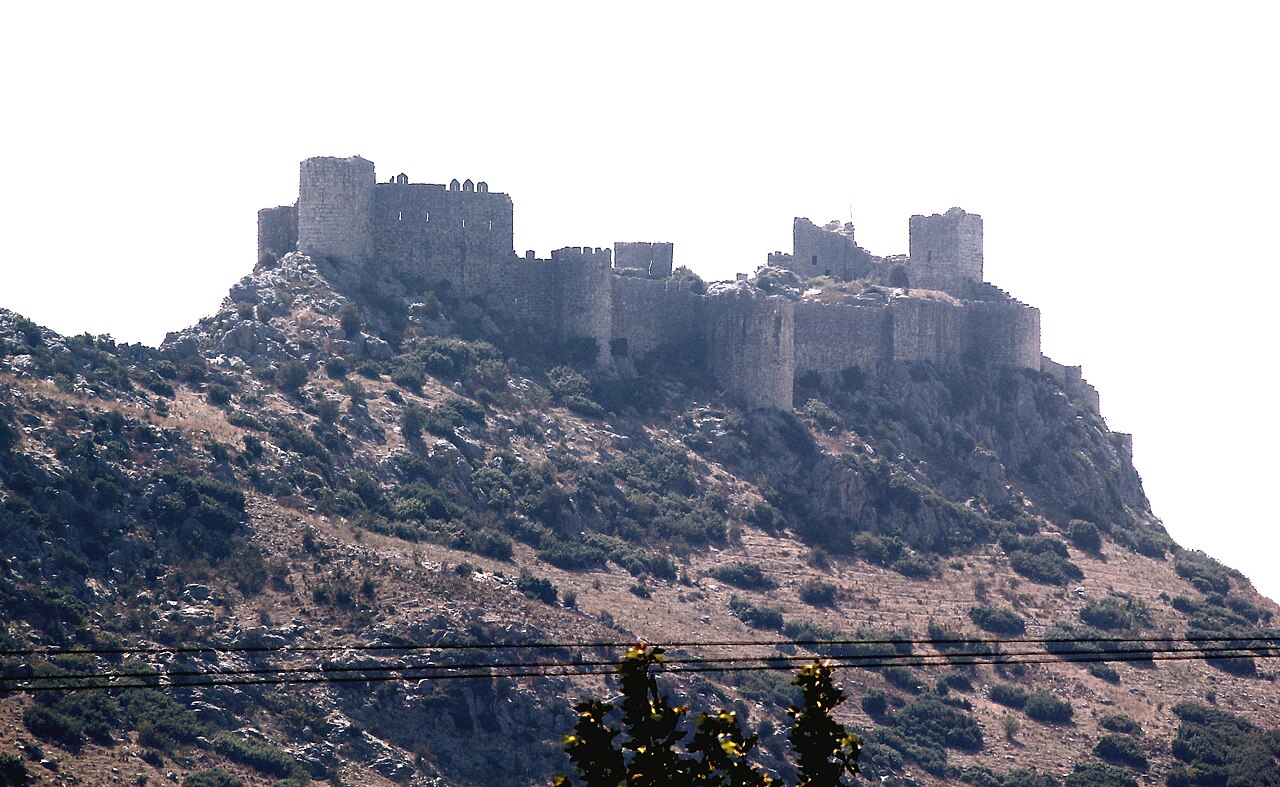
Tumlu Castle, locally known as Tumlu Kale, is a significant medieval fortress located near the village of Dumlu in the Adana province of Turkey. Perched on a striking limestone outcrop rising approximately 150 meters above the surrounding plain, the castle commands a strategic vantage point with clear intervisibility to several other important fortifications in the region, including the castles of Yilan, Toprakkale, Amuda, Anavarza, and Sis.
Geographical setting and strategic importance
This castle occupies a prominent rocky promontory that overlooks a broad plain, providing natural defenses on most sides. The topography features near vertical cliffs ranging from 20 to 40 meters high on all sides except the eastern flank, which necessitated the construction of robust fortifications. Unlike many castles built near rivers or major roads, Tumlu Castle was positioned to guard an auxiliary trail rather than a primary strategic route, suggesting its role in controlling secondary lines of communication or local movements.
The absence of nearby rivers meant that water supply was a critical concern; the castle relies on only three cisterns within its walls to collect and store rainwater for the garrison’s use, highlighting the challenges of sustaining a fortress in this location.
Architectural features and construction
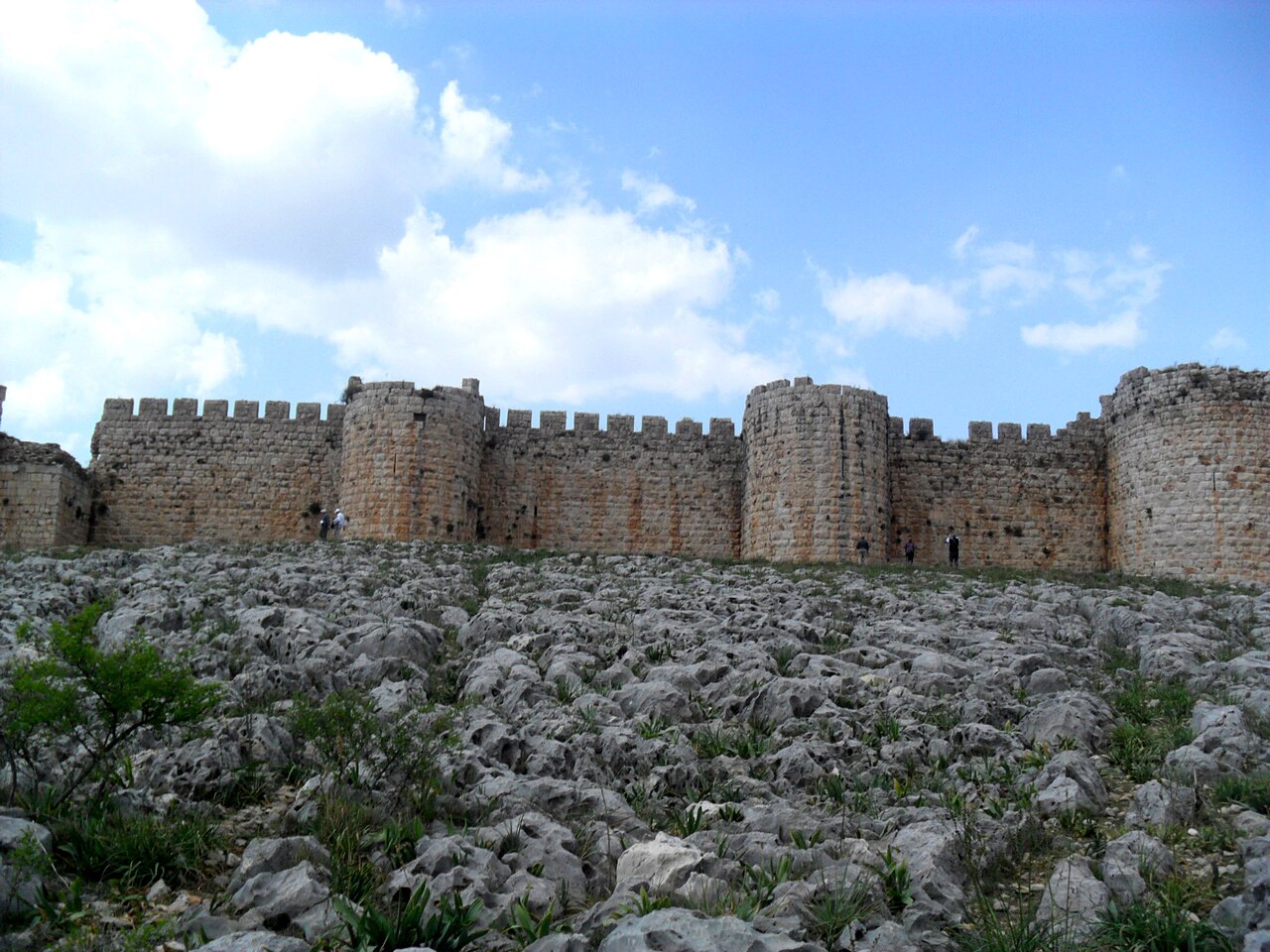
Tumlu Castle is a compact yet heavily fortified structure characterized by massive walls and towers that reflect its defensive purpose. The masonry and architectural style reveal it as an Armenian construction from the late 12th century. The castle was likely built in a single major phase, demonstrating the advanced military architecture of the Armenian Kingdom of Cilicia during this period.
The fortification includes thick curtain walls designed to withstand siege warfare, with towers positioned to cover all approaches, especially the vulnerable eastern side where the cliffs do not provide natural protection. The design integrates the natural rock formations into the defense system, making the castle difficult to assault.
Defensive design
Despite the natural cliffs, the builders reinforced the castle with formidable stonework, indicating the importance of the site and the need for a secure garrison. The towers are constructed to provide overlapping fields of fire, and the walls include battlements and arrow slits typical of the high medieval military architecture.
Historical context and ownership
The historical record of Tumlu Castle is sparse, but it is known that in 1198 the castle was owned by a Rubenid lord named Thoros, linking it to the Armenian Kingdom of Cilicia. This connection places Tumlu within the network of fortifications that the Rubenid dynasty used to consolidate and defend their territories in southern Anatolia.
Later, the castle came under the control of the Mamluks, who undertook significant repairs to the structure. However, the castle's military importance declined over time, and it was reportedly destroyed by the Mamluks in 1375.
Current condition and accessibility
Today, Tumlu Castle stands in ruins but remains an impressive sight due to its commanding position and the remnants of its massive fortifications. The site is freely accessible to visitors, though reaching the castle requires a challenging climb up the steep rock outcrop, sometimes necessitating ropes for safety.
The castle's remote location and rugged terrain have helped preserve its remains, offering a glimpse into the military architecture and strategic thinking of the Armenian builders during the high medieval period.
Visitor experience
Exploring Tumlu Castle provides a rewarding experience for those interested in medieval fortifications and Armenian history. The panoramic views from the castle include other historical sites, making it a valuable destination for cultural tourism in the Adana region.
Frequently asked questions (FAQ)
- How do I get to Tumlu Castle?
- Tumlu Castle is located near the village of Dumlu in the Adana province. Visitors typically reach the site by road via Ceyhan Osmaniye Yolu, followed by a steep climb up the rocky outcrop to the castle ruins.
- What is the historical significance of Tumlu Castle?
- Tumlu Castle is an Armenian fortress from the 12th century, linked to the Rubenid dynasty. It played a role in regional defense and had strategic views of nearby castles in Cilicia.
- Is Tumlu Castle accessible for visitors?
- Yes, the castle ruins are freely accessible to the public. However, reaching the site requires climbing steep and rocky terrain, which can be challenging and may require ropes for safety.
- When was Tumlu Castle built?
- The castle was constructed in the late 12th century, during the high medieval period, reflecting Armenian military architecture of that time.
- What remains of Tumlu Castle can be seen today?
- Visitors can see the ruins of massive walls, towers, and cisterns. The castle's defensive walls and natural cliff defenses are still evident despite its ruined condition.
Information
Address
Near Ceyhan Osmaniye Yolu, Turkey
Loading map...
Visitor reviews
No reviews yet. Been here? Write the first review and help other travelers!
Write the first reviewVisited this castle? Share your experience
Your review helps other travelers and adds first-hand knowledge to our encyclopedia.