Trascău Fortress — Romania castle

Trascău Fortress

Trascău fortress: medieval archaeological ruins in romania
High Medieval (11th–13th c.)
Ruins

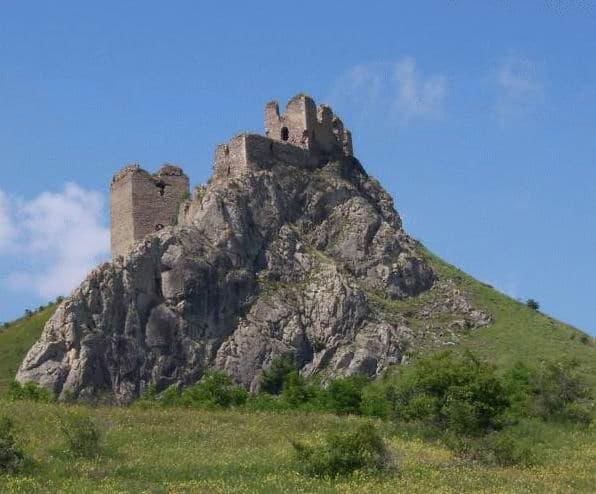
Trascău Fortress is an important high medieval castle ruin located in Romania, dating back to the 13th century. Though its exact city location is not well documented, the fortress is situated in the historic region associated with the Trascău Mountains, a subrange of the Apuseni Mountains in Transylvania. This site represents a significant example of medieval defensive architecture in the area, characterized by its strategic placement and surviving remains.

Historical context and significance

The 13th century was a period marked by frequent territorial conflicts and the consolidation of feudal power in Transylvania. Trascău Fortress was likely constructed as a defensive stronghold to control important routes through the region and to assert dominance over the surrounding lands. Castles like Trascău played a crucial role in the defense against invasions and local skirmishes, serving as military bases and administrative centers.

The fortress's position in the hill castle category, perched on elevated terrain, provided natural defensive advantages. This location allowed defenders to monitor and control access to the surrounding valleys and passes, making it a vital point of military strategy during the medieval period.

Architectural features and layout

Today, Trascău Fortress exists primarily as archaeological ruins, with remnants that reveal its original layout and construction techniques. The castle was likely built using local stone materials, common for the period, which contributed to its durability despite centuries of decay.

The fortress would have included typical medieval defensive structures such as curtain walls, a keep or donjon, and possibly towers that provided vantage points for surveillance and defense. The remains suggest a compact design optimized for defense rather than residential comfort.

Although the superstructures have largely collapsed, archaeological studies have uncovered foundations and wall fragments that indicate a well-planned fortification. The use of natural rock formations as part of the defensive system is also a characteristic feature, integrating the fortress seamlessly with the rugged terrain.

Excavations and archaeological research

As an archaeological site, Trascău Fortress has been subject to various excavations aimed at uncovering its historical layers and understanding its role in medieval Transylvania. These excavations have provided insights into the construction methods, the daily life of its occupants, and the military technologies of the time.

Artifacts recovered from the site include medieval pottery shards, weapon fragments, and tools, which help reconstruct the economic and social aspects of the fortress's inhabitants. The research contributes to a broader understanding of the region's medieval history and the network of fortifications that protected it.

Current condition and preservation efforts

The fortress remains in a state of ruins, with much of the original structure lost to time and natural erosion. Despite this, the site retains significant archaeological value and attracts interest from historians and visitors intrigued by medieval fortifications.

Preservation efforts focus mainly on stabilizing the existing ruins to prevent further deterioration and facilitating archaeological study. Visitor access may be limited due to the fragile condition of the remains and the site's remote location.

Visitor information and accessibility

While Trascău Fortress is not as developed as major tourist castles, it offers a unique experience for those interested in medieval history and archaeology. The site is best suited for visitors who appreciate historical ruins and natural landscapes.

Access to the fortress typically requires a hike through hilly terrain, reflecting its original strategic placement. Visitors should prepare for uneven paths and limited facilities. Guided tours may be available through local heritage organizations, providing context and detailed information about the site's history and significance.

Frequently asked questions (FAQ)

How do I get to Trascău Fortress?
Trascău Fortress is located near the village of Măgura, Romania. The easiest way to reach it is by car, with parking available nearby. Public transport options may be limited, but local taxis can provide access from nearby towns.
What is the historical significance of Trascău Fortress?
Trascău Fortress dates back to the 13th century and played a vital role in the defense against invasions and territorial disputes in the region. It is an important symbol of medieval architecture in Romania and provides insights into the feudal history of Transylvania.
When was Trascău Fortress built?
Construction of Trascău Fortress began in the late 13th century, around 1270. It was strategically built to oversee the surrounding area and protect trade routes, making it a crucial military stronghold during its time.
Can I visit Trascău Fortress year-round?
Yes, Trascău Fortress is open for visitors throughout the year. However, the best time to visit is during the spring and autumn months when the weather is mild and the surrounding landscape is particularly scenic.
Why is Trascău Fortress an architectural marvel?
The fortress features a mix of Gothic and Romanesque architectural styles, showcasing its historical evolution over the centuries. Its well-preserved walls and strategic position on a cliff make it a stunning example of medieval military architecture.
Is it possible to explore the fortress grounds?
Yes, visitors are welcome to explore the fortress grounds, including the towers and walls. Guided tours are available, providing detailed insights into its history and architecture, which enhances the visitor experience.
What are the opening hours for Trascău Fortress?
Trascău Fortress is typically open from 9 AM to 6 PM during the summer months, while winter hours may vary. It's recommended to check the official site or local tourist information for the most current opening times before your visit.
Are there any ticket prices for visiting Trascău Fortress?
Entry to Trascău Fortress is usually free, but donations are appreciated to help with the maintenance of the site. Occasionally, there may be small fees for guided tours or special events, so it's wise to confirm in advance.
What nearby attractions can I visit while at Trascău Fortress?
While visiting Trascău Fortress, you can also explore the beautiful Apuseni Mountains, which offer hiking trails and stunning natural scenery. Additionally, nearby towns such as Alba Iulia and Turda provide rich cultural experiences and historical sites worth visiting.

Photo gallery

Trascău Fortress
Click to view

Photo by Original uploader was Utilizator:Grossecali at ro.wikipedia•Public domain

1 photo • Click any image to view in full screen

Information

Archaeological Site / Ruins

Loading map...

Visitor reviews

No reviews yet. Been here? Write the first review and help other travelers!

Write the first review

Visited this castle? Share your experience

Your review helps other travelers and adds first-hand knowledge to our encyclopedia.
Write a review

(5/5)

0/2000 characters

Your review will be visible after admin approval

Nearby castles

22.1 km
Liteni Castle — Romania castle

Liteni Castle

, Romania

Liteni Castle is an archaeological site located in Romania, known primarily for its ruined remains that testify to its medieval origins. Although the exact details of its founding and historical timeline remain partially undocumented, the castle's remnants provide valuable insight into the region's defensive architecture and feudal history. Historical context and significance The castle likely dates back to the High to Late Medieval period, a time when fortifications were essential for local lords to assert control and defend against invasions or internal conflicts. Situated in Romania, a crossroads of various cultures and empires, Liteni Castle would have played a role in regional defense and administration. While the specific historical figures associated with the castle are not well recorded, its strategic location within the Romanian territory suggests it was part of a network of fortifications that helped secure trade routes and local governance. Architectural features and layout The castle's structure, now largely in ruins, originally included typical medieval defensive elements. These likely consisted of stone walls, possibly surrounded by a moat or natural defensive barriers such as hills or water bodies. Remnants of towers and gatehouses may still be discernible, indicating points of defense and controlled access. Due to the castle's current state as an archaeological site, detailed architectural plans are limited. However, the ruins suggest a compact layout common to hill or lowland castles designed for both defense and habitation by a noble family or military garrison. Current condition and preservation efforts Today, Liteni Castle exists as ruins, with only fragments of walls and foundational structures remaining visible. The site is of interest to archaeologists and historians aiming to uncover more about its construction techniques, historical role, and the daily life of its inhabitants. Preservation efforts focus on stabilizing the ruins to prevent further decay and facilitating archaeological research. The site may be accessible to visitors interested in medieval history and archaeology, though facilities and detailed interpretive information might be limited due to the castle's condition. Visiting Liteni Castle Visitors to Liteni Castle ruins should prepare for a site that offers a raw glimpse into medieval fortification remains rather than a fully restored castle experience. The location provides an opportunity to explore Romanian medieval heritage and the challenges of preserving ancient structures. Access may be subject to local regulations, and it is advisable to check for any guided tours or informational resources available in the vicinity. The surrounding landscape often adds to the historical ambiance, with natural features that once contributed to the castle's defense. Nearby attractions and cultural context The region around Liteni may host other historical sites, churches, or natural landmarks that complement a visit to the castle ruins. Exploring these can provide a broader understanding of the area's cultural and historical development through the centuries.

Details
31.7 km
Kemény-Bánffy castle in Luncani, Cluj — Romania castle

Kemény-Bánffy castle in Luncani, Cluj

Luncani, Romania

Kemény-Bánffy castle, located in the village of Luncani in Cluj County, Romania, is a significant example of a hill castle that reflects the architectural and historical heritage of the region. Set on a strategic elevation, the castle's location was chosen for its natural defensive advantages, typical for medieval fortifications in Transylvania. Historical background and ownership The castle is associated with the prominent Kemény and Bánffy families, noble lineages that played important roles in Transylvanian history. The Kemény family, known for their influence and landholdings, contributed to the castle's development and maintenance over several centuries. The Bánffy family, also notable in the region, is linked to the castle through marriage and ownership transitions, reflecting the complex feudal relationships of the area. Architectural features and style Constructed primarily as a hill castle, the Kemény-Bánffy castle exhibits characteristics typical of medieval fortifications designed for defense and residence. The castle's fortifications include thick stone walls adapted to the uneven terrain, towers positioned for surveillance and protection, and a courtyard that served as the central space for daily activities and gatherings. The architectural style combines elements from various periods due to renovations and expansions carried out by successive owners. While the core structure dates back to the High Medieval period, later additions may incorporate Renaissance or Baroque influences, common in Transylvanian noble residences as they evolved from purely military fortresses to more comfortable estates. Defensive structures The castle’s elevated position provided natural defense, supplemented by man-made features such as battlements and fortified gates. The walls were designed to withstand sieges, with narrow windows for archers and thick ramparts. Some towers may have served as keeps or donjons, offering refuge during attacks. Cultural and historical significance Kemény-Bánffy castle is a testament to the feudal history of Transylvania and the role of noble families in shaping regional politics and culture. The castle not only served military functions but also acted as a residence and administrative center for the surrounding lands. Its preservation contributes to understanding the architectural evolution and social history of the area. Current condition and preservation The castle's current state varies depending on conservation efforts. Some parts of the structure remain well-preserved or restored, while others may be in ruins or partially preserved. The site attracts visitors interested in history, architecture, and Transylvanian heritage, though detailed information about public access and facilities is limited. Visiting and accessibility Visitors to the Kemény-Bánffy castle can explore the castle grounds and appreciate the historical ambiance of the hilltop location. The castle's setting offers panoramic views of the surrounding landscape, enhancing the experience. Prospective visitors should verify opening hours and access conditions locally, as these may vary. Frequently asked questions What is the historical significance of Kemény-Bánffy castle? The castle reflects the history of noble families in Transylvania and served as a defensive and residential site. When was the castle built? The core structure dates back to the High Medieval period, with later modifications. Can visitors tour the castle? Access may be available, but visitors should check local information for opening times and conditions. What architectural styles are present? Primarily medieval with possible Renaissance and Baroque influences from later renovations. Is the castle well-preserved? The condition varies; some parts are restored while others may be ruins or partially preserved.

High Medieval (11th–13th c.)
Details
36.9 km
Cetatea Fetei — Romania castle

Cetatea Fetei

, Romania

Cetatea Fetei represents a significant archaeological site located in Romania, known primarily for its ruined medieval fortifications. Though the exact city location remains uncertain, the site is recognized for its historical importance in the region and offers valuable insights into medieval defensive architecture in Eastern Europe.The castle is categorized as an archaeological ruin, reflecting its current state of preservation. What remains are primarily foundational walls and scattered remnants of fortification structures, which provide clues to the castle's original layout and construction techniques. This condition highlights the passage of time and the impact of natural and human factors on the site.Historical context and significanceThe origins of Cetatea Fetei likely date back to the medieval period, although precise construction dates are not well documented. The castle would have served as a defensive stronghold, typical of the era, protecting local inhabitants and controlling important routes or territories. Its strategic location, often on elevated ground or near key transit points, was common for such fortifications, allowing for surveillance and defense against invaders.Throughout its active use, the castle would have witnessed various historical events, including regional conflicts and power struggles that shaped the surrounding area's political landscape. While detailed chronicles are scarce, the site's archaeological value lies in its potential to reveal information about medieval military architecture and settlement patterns in Romania.Architectural features and layoutAlthough much of Cetatea Fetei lies in ruins, archaeological investigations have identified key features typical of medieval castles. These include sections of defensive walls constructed from stone, remnants of towers or lookout posts, and possibly traces of a gatehouse or entrance complex. The layout likely followed a compact design optimized for defense, with thick walls and limited access points.Excavations have uncovered evidence of building techniques such as stone masonry and the use of local materials, reflecting the construction practices of the time. The castle's design would have incorporated elements to withstand sieges, including elevated positions, narrow windows for archers, and battlements for defenders.Defensive structuresThe surviving wall fragments suggest that Cetatea Fetei featured robust fortifications. The presence of towers, possibly square or round in shape, would have enhanced the castle's defensive capabilities by providing vantage points and flanking fire. Defensive ditches or moats may have existed, although these features are not clearly preserved.Archaeological research and preservationAs an archaeological site, Cetatea Fetei has attracted interest from historians and archaeologists aiming to uncover its historical narrative. Excavations have helped document the castle's footprint and construction phases, contributing to the understanding of medieval fortifications in Romania.Preservation efforts focus on stabilizing the ruins to prevent further deterioration while allowing for ongoing study and public access. The site offers educational opportunities and serves as a cultural heritage landmark, emphasizing the importance of protecting Romania's medieval architectural legacy.Visiting information and cultural importanceVisitors to Cetatea Fetei can explore the ruins and gain a sense of the castle's historical role in the region. While facilities may be limited due to the site's archaeological nature, the location provides a tangible connection to Romania's medieval past.The castle contributes to regional identity and tourism by highlighting the area's rich history. It is a point of interest for those fascinated by medieval architecture, archaeology, and Eastern European history.

Details