Cetatea Fetei represents a significant archaeological site located in Romania, known primarily for its ruined medieval fortifications. Though the exact city location remains uncertain, the site is recognized for its historical importance in the region and offers valuable insights into medieval defensive architecture in Eastern Europe.
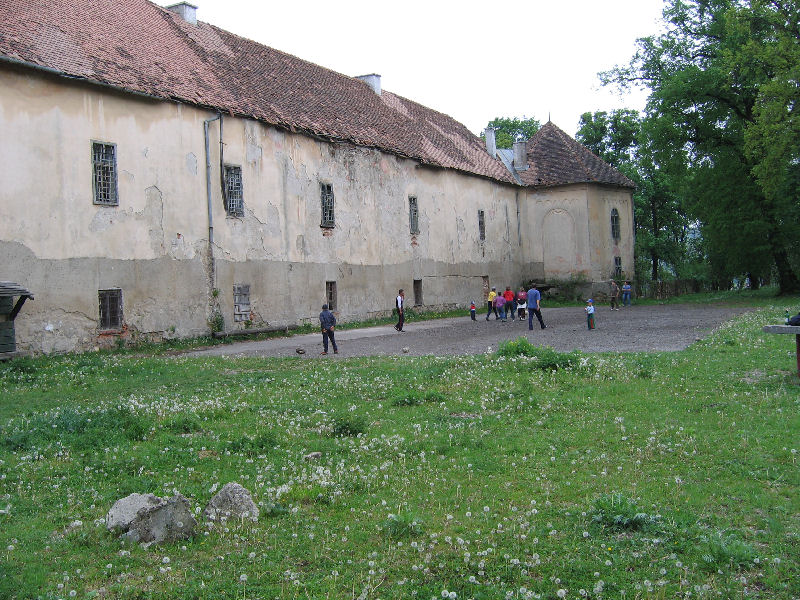
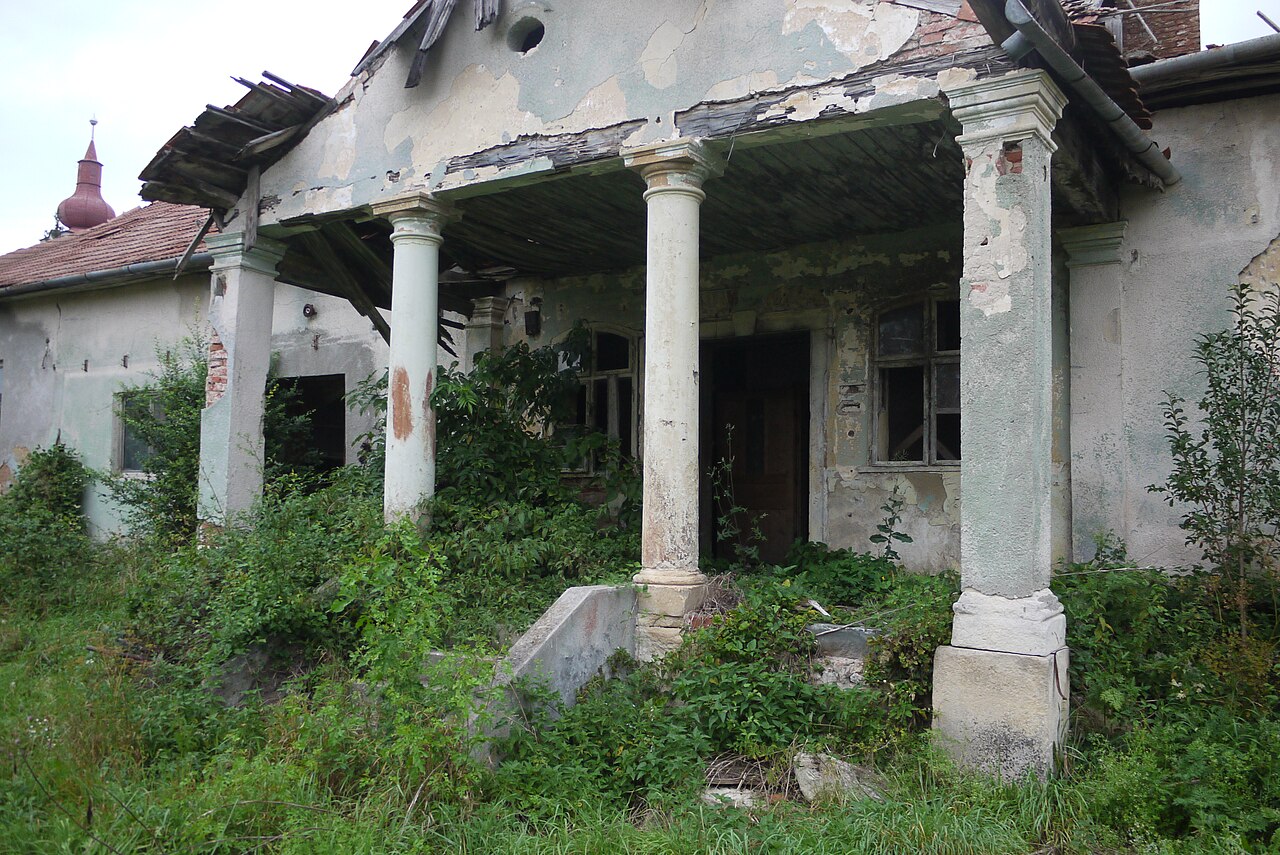
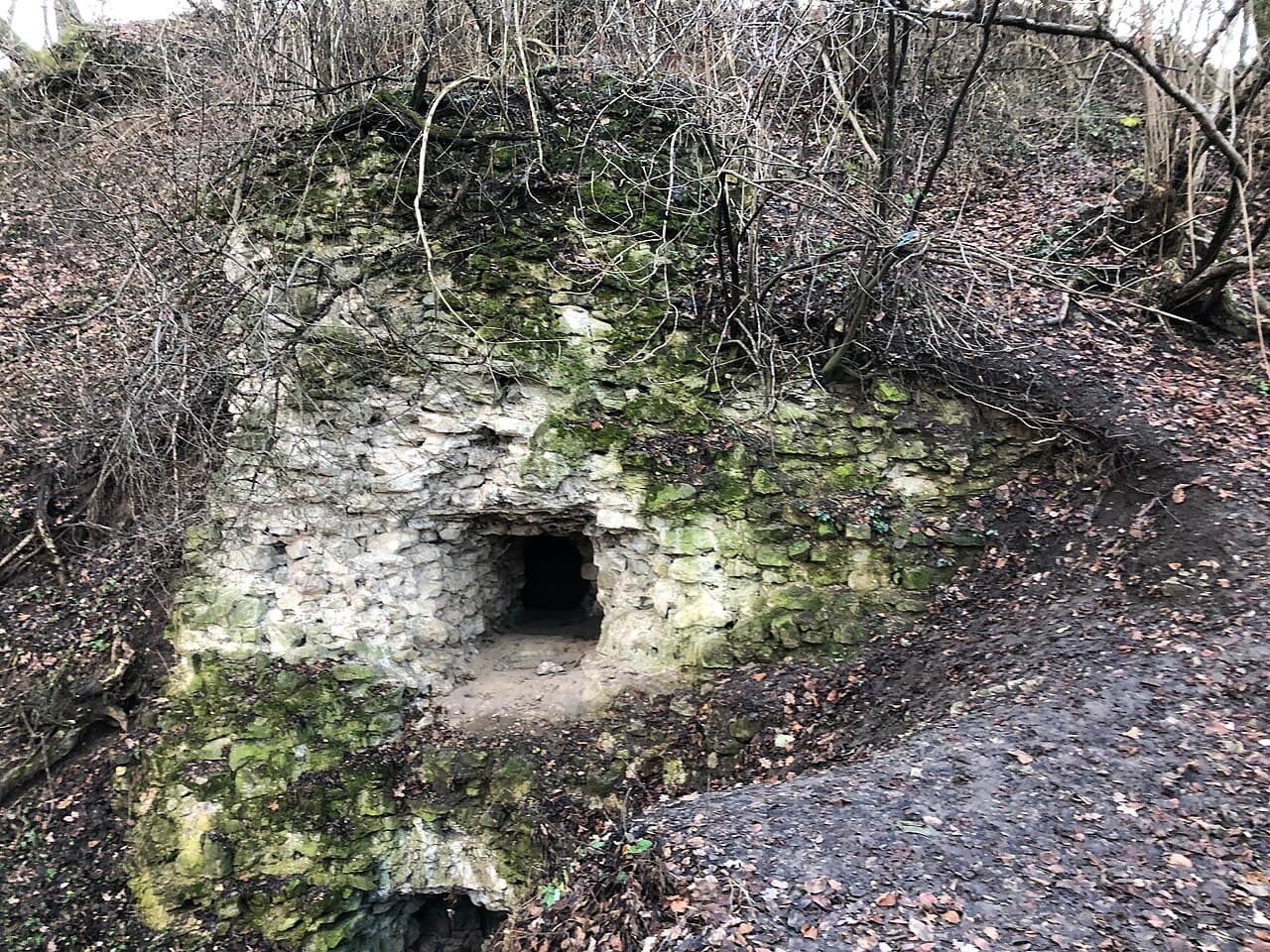
The castle is categorized as an archaeological ruin, reflecting its current state of preservation. What remains are primarily foundational walls and scattered remnants of fortification structures, which provide clues to the castle's original layout and construction techniques. This condition highlights the passage of time and the impact of natural and human factors on the site.
Historical context and significance
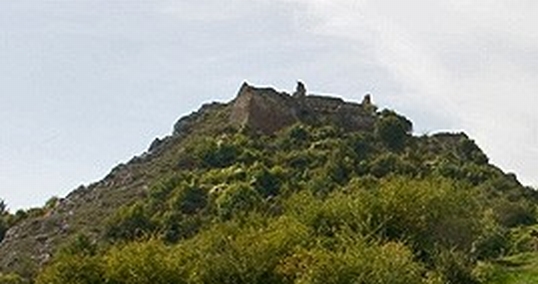
The origins of Cetatea Fetei likely date back to the medieval period, although precise construction dates are not well documented. The castle would have served as a defensive stronghold, typical of the era, protecting local inhabitants and controlling important routes or territories. Its strategic location, often on elevated ground or near key transit points, was common for such fortifications, allowing for surveillance and defense against invaders.
Throughout its active use, the castle would have witnessed various historical events, including regional conflicts and power struggles that shaped the surrounding area's political landscape. While detailed chronicles are scarce, the site's archaeological value lies in its potential to reveal information about medieval military architecture and settlement patterns in Romania.
Architectural features and layout
Although much of Cetatea Fetei lies in ruins, archaeological investigations have identified key features typical of medieval castles. These include sections of defensive walls constructed from stone, remnants of towers or lookout posts, and possibly traces of a gatehouse or entrance complex. The layout likely followed a compact design optimized for defense, with thick walls and limited access points.
Excavations have uncovered evidence of building techniques such as stone masonry and the use of local materials, reflecting the construction practices of the time. The castle's design would have incorporated elements to withstand sieges, including elevated positions, narrow windows for archers, and battlements for defenders.
Defensive structures
The surviving wall fragments suggest that Cetatea Fetei featured robust fortifications. The presence of towers, possibly square or round in shape, would have enhanced the castle's defensive capabilities by providing vantage points and flanking fire. Defensive ditches or moats may have existed, although these features are not clearly preserved.
Archaeological research and preservation
As an archaeological site, Cetatea Fetei has attracted interest from historians and archaeologists aiming to uncover its historical narrative. Excavations have helped document the castle's footprint and construction phases, contributing to the understanding of medieval fortifications in Romania.
Preservation efforts focus on stabilizing the ruins to prevent further deterioration while allowing for ongoing study and public access. The site offers educational opportunities and serves as a cultural heritage landmark, emphasizing the importance of protecting Romania's medieval architectural legacy.
Visiting information and cultural importance
Visitors to Cetatea Fetei can explore the ruins and gain a sense of the castle's historical role in the region. While facilities may be limited due to the site's archaeological nature, the location provides a tangible connection to Romania's medieval past.
The castle contributes to regional identity and tourism by highlighting the area's rich history. It is a point of interest for those fascinated by medieval architecture, archaeology, and Eastern European history.
Frequently asked questions (FAQ)
- What is the historical significance of Cetatea Fetei?
- Cetatea Fetei, or the Maiden's Fortress, is a medieval fortification located in Romania that dates back to the 13th century. It played a crucial role in protecting the region from invasions and served as a strategic military outpost. Its ruins provide insight into the architectural and defensive techniques of the time.
- When was Cetatea Fetei built?
- The construction of Cetatea Fetei began in the early 13th century, during the reign of the Hungarian Kingdom. The fortress was completed in the late 14th century, reflecting the turbulent history and the need for defense in the area. Over the centuries, it underwent various modifications and repairs.
- How do I get to Cetatea Fetei?
- Cetatea Fetei is accessible by car, located near the town of Bistrița in Romania. Visitors can also use public transportation options that connect to nearby towns, followed by a short hike to reach the fortress. The scenic views during the journey add to the overall experience.
- What are the opening hours for Cetatea Fetei?
- Cetatea Fetei is open to visitors year-round, with varying hours depending on the season. Generally, the fortress is accessible from 9 AM to 6 PM, but it's advisable to check local listings for any seasonal changes or special events. Guided tours may also have specific time slots.
- Can I take guided tours of Cetatea Fetei?
- Yes, guided tours are available for visitors who wish to learn more about the history and architecture of Cetatea Fetei. These tours are conducted by knowledgeable guides who provide in-depth information and stories about the fortress. It's recommended to book in advance during peak tourist seasons.
- Is it possible to explore the fortress grounds freely?
- Visitors are welcome to explore the grounds of Cetatea Fetei on their own, allowing for a personal experience of the site's history and architecture. However, some areas may have restricted access for safety reasons. Always follow the posted guidelines to ensure a safe visit.
- What is the best time to visit Cetatea Fetei?
- The best time to visit Cetatea Fetei is during the spring and early autumn months when the weather is mild and the landscape is lush. This period also tends to have fewer tourists, allowing for a more peaceful experience. Summer can be hot, while winter may pose challenges due to snow.
- What are the ticket prices for visiting Cetatea Fetei?
- Ticket prices for Cetatea Fetei are generally affordable, with discounts available for students and seniors. Admission fees help maintain the site and support its preservation efforts. It's advisable to check the official website or local tourism information for the latest pricing details.
- Are there any nearby attractions to visit while at Cetatea Fetei?
- Yes, there are several nearby attractions, including the picturesque town of Bistrița, known for its charming architecture and vibrant culture. Additionally, the surrounding region offers beautiful hiking trails and other historical sites, making it a perfect destination for a day trip. Combining visits can enrich your overall experience in the area.
Photo gallery

Information
Loading map...
Visitor reviews
No reviews yet. Been here? Write the first review and help other travelers!
Write the first reviewVisited this castle? Share your experience
Your review helps other travelers and adds first-hand knowledge to our encyclopedia.