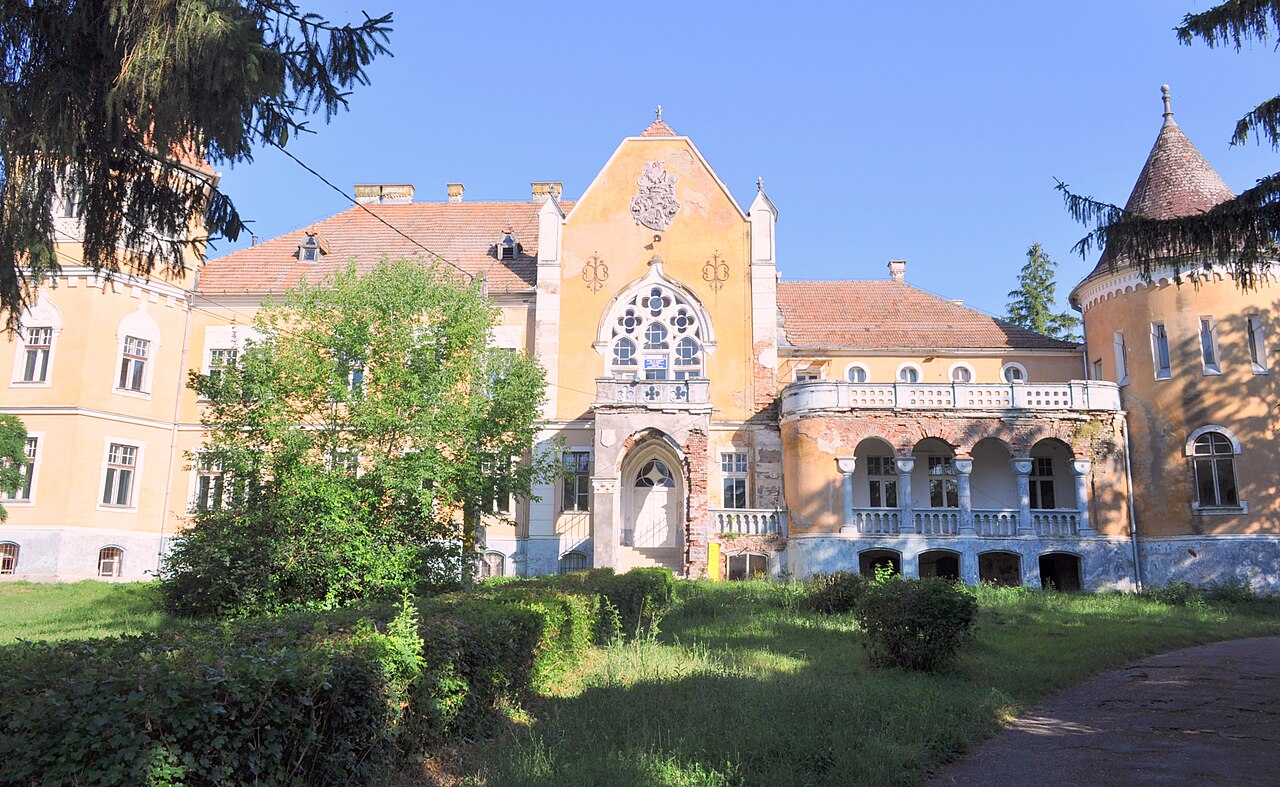
Kemény-Bánffy castle in Luncani, Cluj — Romania castle

Kemény-Bánffy castle in Luncani, Cluj

Kemény-Bánffy castle in Luncani, Cluj
Luncani, Cluj, Romania
High Medieval (11th–13th c.)
Partially Preserved

Kemény-Bánffy castle, located in the village of Luncani in Cluj County, Romania, is a significant example of a hill castle that reflects the architectural and historical heritage of the region. Set on a strategic elevation, the castle's location was chosen for its natural defensive advantages, typical for medieval fortifications in Transylvania.

Historical background and ownership

The castle is associated with the prominent Kemény and Bánffy families, noble lineages that played important roles in Transylvanian history. The Kemény family, known for their influence and landholdings, contributed to the castle's development and maintenance over several centuries. The Bánffy family, also notable in the region, is linked to the castle through marriage and ownership transitions, reflecting the complex feudal relationships of the area.

Architectural features and style

Constructed primarily as a hill castle, the Kemény-Bánffy castle exhibits characteristics typical of medieval fortifications designed for defense and residence. The castle's fortifications include thick stone walls adapted to the uneven terrain, towers positioned for surveillance and protection, and a courtyard that served as the central space for daily activities and gatherings.

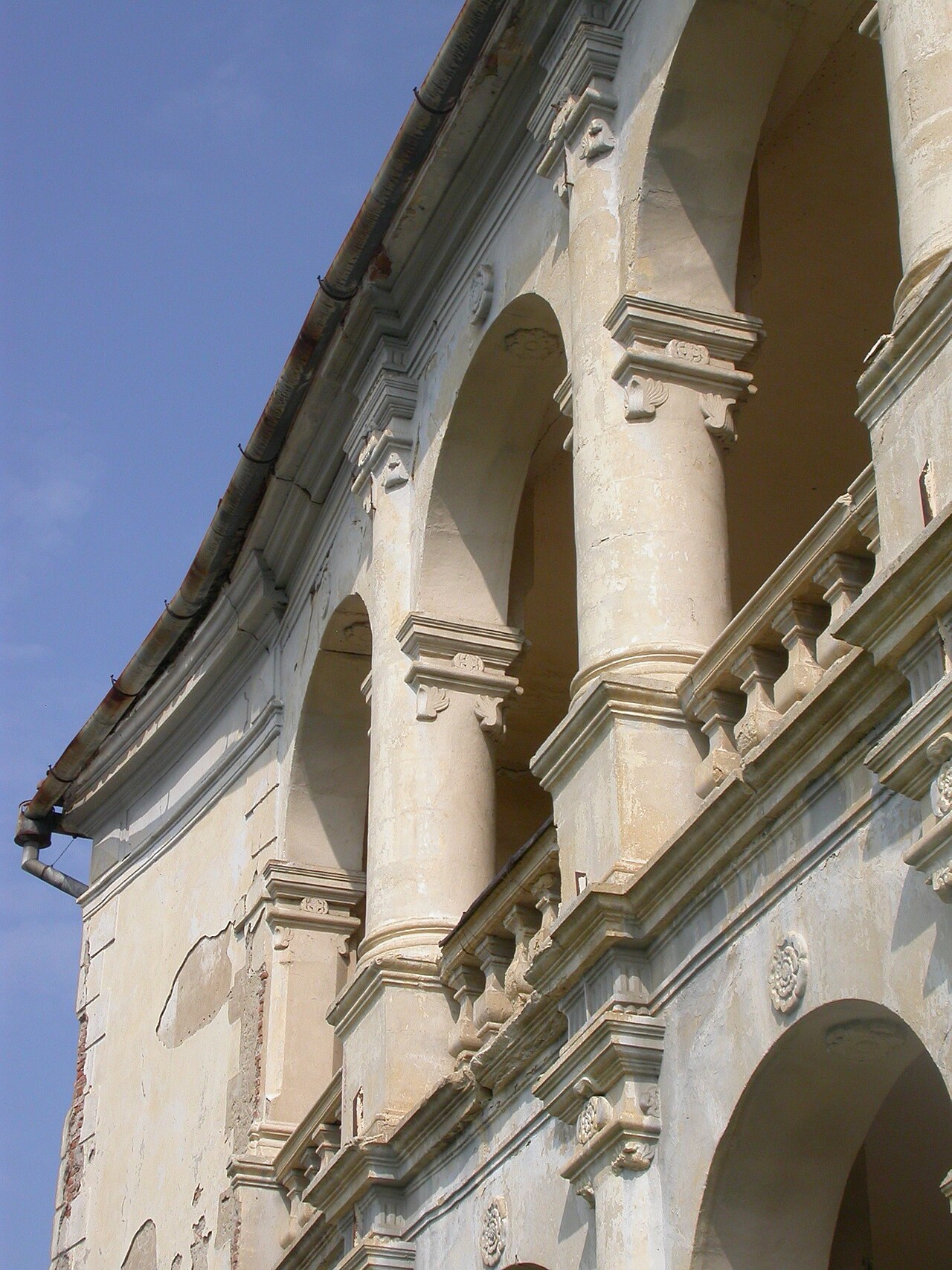
The architectural style combines elements from various periods due to renovations and expansions carried out by successive owners. While the core structure dates back to the High Medieval period, later additions may incorporate Renaissance or Baroque influences, common in Transylvanian noble residences as they evolved from purely military fortresses to more comfortable estates.

Defensive structures

The castle’s elevated position provided natural defense, supplemented by man-made features such as battlements and fortified gates. The walls were designed to withstand sieges, with narrow windows for archers and thick ramparts. Some towers may have served as keeps or donjons, offering refuge during attacks.

Cultural and historical significance

Kemény-Bánffy castle is a testament to the feudal history of Transylvania and the role of noble families in shaping regional politics and culture. The castle not only served military functions but also acted as a residence and administrative center for the surrounding lands. Its preservation contributes to understanding the architectural evolution and social history of the area.

Current condition and preservation

The castle's current state varies depending on conservation efforts. Some parts of the structure remain well-preserved or restored, while others may be in ruins or partially preserved. The site attracts visitors interested in history, architecture, and Transylvanian heritage, though detailed information about public access and facilities is limited.

Visiting and accessibility

Visitors to the Kemény-Bánffy castle can explore the castle grounds and appreciate the historical ambiance of the hilltop location. The castle's setting offers panoramic views of the surrounding landscape, enhancing the experience. Prospective visitors should verify opening hours and access conditions locally, as these may vary.

Frequently asked questions

  • What is the historical significance of Kemény-Bánffy castle? The castle reflects the history of noble families in Transylvania and served as a defensive and residential site.
  • When was the castle built? The core structure dates back to the High Medieval period, with later modifications.
  • Can visitors tour the castle? Access may be available, but visitors should check local information for opening times and conditions.
  • What architectural styles are present? Primarily medieval with possible Renaissance and Baroque influences from later renovations.
  • Is the castle well-preserved? The condition varies; some parts are restored while others may be ruins or partially preserved.

Frequently asked questions (FAQ)

How do I get to Kemény-Bánffy castle in Luncani?
Kemény-Bánffy castle is located in Luncani, Cluj, Romania. The best way to reach the castle is by car, as public transport options are limited. There are parking facilities available nearby for visitors.
What is the historical significance of Kemény-Bánffy castle?
Kemény-Bánffy castle dates back to the 16th century and is an important example of Renaissance architecture in Transylvania. It has served various purposes throughout its history, including as a noble residence and later as a cultural venue. The castle reflects the rich heritage of the region and its historical events.
When was Kemény-Bánffy castle built?
The construction of Kemény-Bánffy castle began in the late 1500s and was completed in the early 1600s. The castle has undergone numerous renovations since its original construction, preserving its architectural integrity and historical features. Today, it stands as a testament to the artistic and cultural evolution of its time.
Can I visit Kemény-Bánffy castle year-round?
Yes, Kemény-Bánffy castle is open to visitors throughout the year. However, it's advisable to check for any seasonal timings or special events that may affect access. The best time to visit is during the spring and summer months when the surrounding gardens are in full bloom.
Why is the architecture of Kemény-Bánffy castle significant?
The architecture of Kemény-Bánffy castle showcases a blend of Renaissance and Baroque styles, making it a unique example of its kind in Romania. Its intricate facades and well-preserved interiors highlight the craftsmanship of the era. The castle’s design reflects the cultural influences that shaped the region during its construction.
Is it possible to take guided tours of Kemény-Bánffy castle?
Yes, guided tours are available for visitors looking to explore the history and architecture of Kemény-Bánffy castle in depth. These tours typically provide insights into the castle's past and its significance in the region. It's recommended to book tours in advance, especially during peak tourist season.
What are the ticket prices for visiting Kemény-Bánffy castle?
Ticket prices for Kemény-Bánffy castle vary depending on the type of tour and age group. Generally, adult tickets are reasonably priced, with discounts available for students and seniors. It's best to check the official website for the most current pricing and any special offers.
What are the opening hours for Kemény-Bánffy castle?
Kemény-Bánffy castle typically opens at 9 AM and closes at 5 PM, but hours may vary on weekends and holidays. It's advisable to verify the opening hours before your visit, especially during off-peak seasons. Planning your visit in advance ensures you make the most of your time at the castle.
Are there any nearby attractions to visit after Kemény-Bánffy castle?
Yes, there are several attractions near Kemény-Bánffy castle, including the picturesque villages of Cluj County and other historical sites. Visitors can explore the beautiful landscapes and enjoy outdoor activities in the surrounding area. Additionally, the city of Cluj-Napoca is a short drive away, offering a vibrant cultural experience.

Photo gallery

Kemény-Bánffy castle in Luncani, Cluj
Click to view

Photo by Țetcu Mircea Rareș•CC BY-SA 3.0 ro

1 photo • Click any image to view in full screen

Information

Hill Castle

Loading map...

Visitor reviews

No reviews yet. Been here? Write the first review and help other travelers!

Write the first review

Visited this castle? Share your experience

Your review helps other travelers and adds first-hand knowledge to our encyclopedia.
Write a review

(5/5)

0/2000 characters

Your review will be visible after admin approval

Nearby castles

18 km
Castle of Magyarózd — Romania castle

Castle of Magyarózd

Ozd, Romania

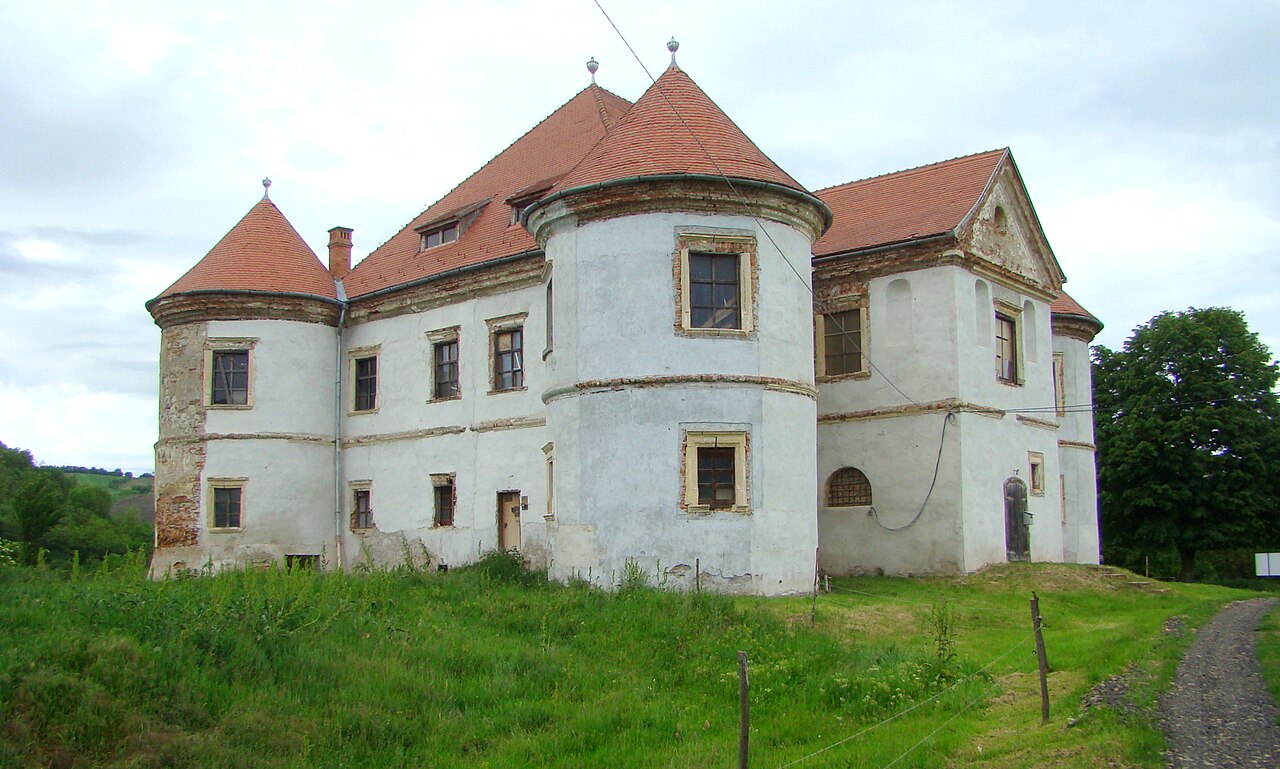
Pekri Castle, located in the village of Magyarózd (known as Ozd in Romanian), stands as a remarkable example of a Renaissance-era hill castle in the heart of Transylvania. Dating from the 17th century, this castle is steeped in history and cultural significance, not only for its architectural features but also for its association with the pioneering Hungarian female poet Kata Szidónia Petrőczy. Her secret poetry, penned within the castle walls between 1681 and 1704, remained undiscovered for over a century, revealing a profound literary legacy that enriches the castle's historical narrative. Architectural characteristics and setting Pekri Castle exemplifies the architectural traits of a hill castle, strategically positioned to utilize natural elevation for defense and visibility. The castle's construction features robust masonry walls composed of stone and brick, typical of early modern defensive residences in the region. Its multi-story structure reflects the dual purpose of habitation and fortification prevalent in 17th-century Renaissance castles. Although the castle has suffered significant damage over time, particularly to its roof and upper structures, the remaining fabric offers valuable insight into construction techniques and the stylistic influences of the period. The castle complex originally included ancillary buildings such as a granary, which has been carefully restored and repurposed in recent years, contrasting with the main building's current state of partial deterioration. This granary underscores the estate's historical role not only as a noble residence but also as an agricultural hub, a common feature of castles serving both feudal and economic functions. Historical context and ownership The origins of Pekri Castle remain somewhat obscure, with no definitive records pinpointing the original builder or patron. However, its establishment in the 17th century situates it within a period of significant political turbulence in Transylvania, marked by shifting allegiances and conflicts among local nobility, the Habsburg monarchy, and Ottoman influences. One of the castle’s most notable historical figures is Kata Szidónia Petrőczy, recognized as the first Hungarian female poet. After her marriage to a military general, she took residence at the castle, where she composed deeply personal and reflective poetry that remained hidden from public view during her lifetime. Her works, discovered centuries later, provide a rare glimpse into the emotional and intellectual life of a noblewoman in early modern Hungary. In 1709, during the Rákóczi’s War of Independence, Austrian troops set fire to the castle, causing substantial damage. This event reflects the castle's involvement in the broader regional conflicts against Habsburg rule. The castle was restored in 1732, demonstrating its continued importance as a noble residence and local landmark. Throughout the 19th and 20th centuries, the castle changed hands multiple times, eventually coming into the possession of Baron Johann Konrad von Konradsheim and his wife Ilona Teleki. Following World War II, the castle was nationalized by the Romanian state, reflecting the widespread postwar reforms and land redistributions under the communist regime. Adaptive reuse and restoration efforts During the communist era, Pekri Castle was repurposed for various public uses, including as offices for agricultural cooperatives (CAP), a school, a cultural center, and housing for educators. These adaptations, while preserving the castle’s functional relevance, also contributed to its gradual physical decline due to insufficient maintenance and structural challenges. After the fall of communism, ownership was restored to the descendants of the Konradsheim family. In 1997, part of the estate was leased to the Bonus Pastor Foundation, which undertook the restoration of the granary building. This restoration transformed the granary into a therapy center specializing in addiction recovery, marking a significant adaptive reuse that blends heritage conservation with community service. More recently, Pekri Castle has been included in Romania’s National Recovery and Resilience Plan, benefiting from European Union funding aimed at comprehensive restoration. The plan envisions extensive rehabilitation to stabilize the main castle structure and adapt it for diverse community functions, ensuring the preservation of its cultural and historical value for future generations. Architectural details and current condition The castle's surviving architecture reveals a blend of defensive and residential features typical of Renaissance hill castles. Its masonry walls are thick and durable, designed to withstand sieges and harsh weather. The interior layout likely included living quarters, service rooms, and possibly defensive towers or bastions, although detailed floor plans are scarce due to damage and limited archaeological study. Today, the castle's roof and upper floors show signs of significant deterioration, largely from water infiltration and neglect. Despite this, the structure remains an important architectural monument, illustrating the evolution of castle construction in Transylvania during the early modern period. The restored granary stands as a testament to successful heritage preservation and adaptive reuse, contrasting with the main building's need for urgent conservation efforts. No inscriptions or decorative stonework have been documented, and archaeological excavations have not yielded significant artifacts, which limits detailed understanding of the castle's daily life but underscores the importance of architectural study. Cultural significance and literary heritage Kata Szidónia Petrőczy is a central figure in the castle’s cultural history. Her poetry, written in solitude within the castle walls, represents a pioneering voice in Hungarian literature and female authorship. The discovery of her manuscripts has elevated Pekri Castle beyond its architectural and historical importance to a symbol of literary heritage. The castle’s narrative intertwines with the broader history of Transylvania, reflecting the region's complex political dynamics, cultural exchanges, and social transformations from the 17th century onward. As such, Pekri Castle serves not only as a physical monument but also as a repository of intangible cultural memory.

Renaissance (15th–17th c.)
Details
20.4 km
Castelul din Zau de Câmpie — Romania castle

Castelul din Zau de Câmpie

, Romania

Castelul din Zau de Câmpie is a historic hill castle located in the region of Transylvania, Romania. Though the exact city or town location is less documented, it is situated near the village of Zau de Câmpie, a locality known for its rich medieval heritage and strategic importance during the Middle Ages. This castle exemplifies the typical defensive architecture designed to oversee and control the surrounding landscape. Historical context and significance The origins of Castelul din Zau de Câmpie date back to the High Medieval period, likely constructed between the 13th and 15th centuries. This era in Transylvania was marked by the establishment of numerous fortifications to secure territories against invasions and to assert control over trade routes and local populations. The castle's location on a hill provided a natural vantage point for surveillance and defense, a common strategic choice in medieval fortification design. Throughout its history, the castle served as a military stronghold and a noble residence. It played a role in regional conflicts, including skirmishes related to the shifting power dynamics among Transylvanian nobility and external threats such as Ottoman incursions. Although detailed records of specific battles or sieges are limited, the castle's enduring presence reflects its importance in local defense and governance. Architectural features and layout Castelul din Zau de Câmpie is characterized by its hill castle typology, built to maximize the natural defensive advantages of elevated terrain. The castle complex likely included a central keep or donjon, surrounded by curtain walls and defensive towers. The walls would have been constructed from local stone, designed to withstand sieges and artillery of the medieval period. The castle's layout probably featured a courtyard enclosed by walls with battlements and arrow slits, enabling defenders to repel attackers effectively. Access to the castle was controlled through a fortified gatehouse, possibly equipped with a drawbridge and portcullis. Residential quarters, storage rooms, and a chapel would have been integrated within the walls, serving both military and domestic functions. Defensive structures The castle's defensive system included towers positioned at key points along the walls to provide overlapping fields of fire. These towers allowed archers and guards to monitor the surrounding area and protect the castle from assault. The elevation of the site itself was a significant defensive advantage, making direct attacks difficult and providing clear sightlines for early warning of approaching enemies. Current condition and preservation Today, Castelul din Zau de Câmpie remains partially preserved, with some sections of its walls and foundational structures still visible. The castle is considered a valuable cultural and historical monument, attracting interest from historians, archaeologists, and visitors interested in medieval Transylvanian heritage. Conservation efforts aim to stabilize the ruins and prevent further deterioration, although comprehensive restoration has not been undertaken. The site offers insights into medieval defensive architecture and the historical landscape of the region. Visiting information and accessibility Visitors to Castelul din Zau de Câmpie can explore the ruins and surrounding landscape, gaining an appreciation for the castle's strategic location and architectural features. The site is accessible by local roads, though facilities may be limited due to its rural setting. It is recommended to visit during daylight hours and warmer seasons for safe and comfortable exploration. Interpretive signage or guided tours may be available through local heritage organizations, providing context and historical background to enhance the visitor experience.

High Medieval (11th–13th c.)
Details
26.9 km
Bethlen castle in Sânmiclăuș, Alba — Romania castle

Bethlen castle in Sânmiclăuș, Alba

Sânmiclăuș, Romania

Bethlen castle in Sânmiclăuș, Alba, Romania, is a notable example of a hill castle that reflects the region's medieval heritage. Although detailed records of its origins are scarce, the castle is associated with the noble Bethlen family, an influential dynasty in Transylvania during the Late Medieval period. Its strategic location atop a hill provided natural defensive advantages, which were typical for fortifications constructed in this era. Historical background and significance The castle's history is intertwined with the political and social developments of Transylvania, particularly during the 15th and 16th centuries. The Bethlen family played a significant role in the region's governance and military affairs, and their castles served as centers of power and defense. While precise construction dates remain unclear, the castle likely originated in the Late Medieval period, consistent with the architectural features observed in surviving structures. Throughout its history, Bethlen castle witnessed various ownership changes and may have undergone modifications reflecting the shifting needs of its occupants. Its presence in Alba County contributes to the understanding of feudal fortifications in Romania and the broader Transylvanian landscape. Architectural features The castle's design exemplifies typical hill castle characteristics, utilizing the natural elevation for defense. Although much of the original structure may be in a state of ruins or partially preserved, key architectural elements such as fortified walls, remnants of towers, and possibly a keep or donjon can be identified. The layout likely included a central courtyard surrounded by defensive walls, with limited access points controlled by gates or barbicans. Stone masonry techniques of the period are evident in the surviving walls, showcasing the craftsmanship and defensive priorities of the builders. The castle's elevated position also provided commanding views of the surrounding landscape, crucial for early warning against potential attackers. Defensive structures Typical of hill castles, the fortification would have included battlements and arrow slits designed for archers and defenders to repel sieges. The walls may have been thickened in vulnerable sections, and towers placed at strategic points to allow flanking fire. Moats or ditches, if present, would have enhanced the defensive perimeter, though such features are less common in hilltop sites. Current condition and preservation Today, Bethlen castle stands as a ruins or partially preserved site, reflecting centuries of exposure to natural elements and historical conflicts. Efforts to preserve or restore the castle may be limited, but the remains continue to attract visitors interested in medieval architecture and Transylvanian history. The site offers valuable insights into the construction techniques and defensive strategies of the time. Preservation initiatives, if undertaken, would aim to stabilize the existing structures and promote cultural heritage tourism in the Alba region. Visiting information and cultural importance While specific visiting hours and access details for Bethlen castle are not widely documented, the site is accessible to those exploring the historical landmarks of Alba County. Visitors should prepare for a hike or walk to reach the hilltop ruins, which provide picturesque views and a tangible connection to Transylvania's medieval past. The castle contributes to the cultural landscape of Romania, representing the architectural and historical legacy of noble families like the Bethlens. It remains a point of interest for historians, archaeologists, and tourists seeking to explore Romania's rich feudal heritage.

Late Medieval (14th–15th c.)
Details