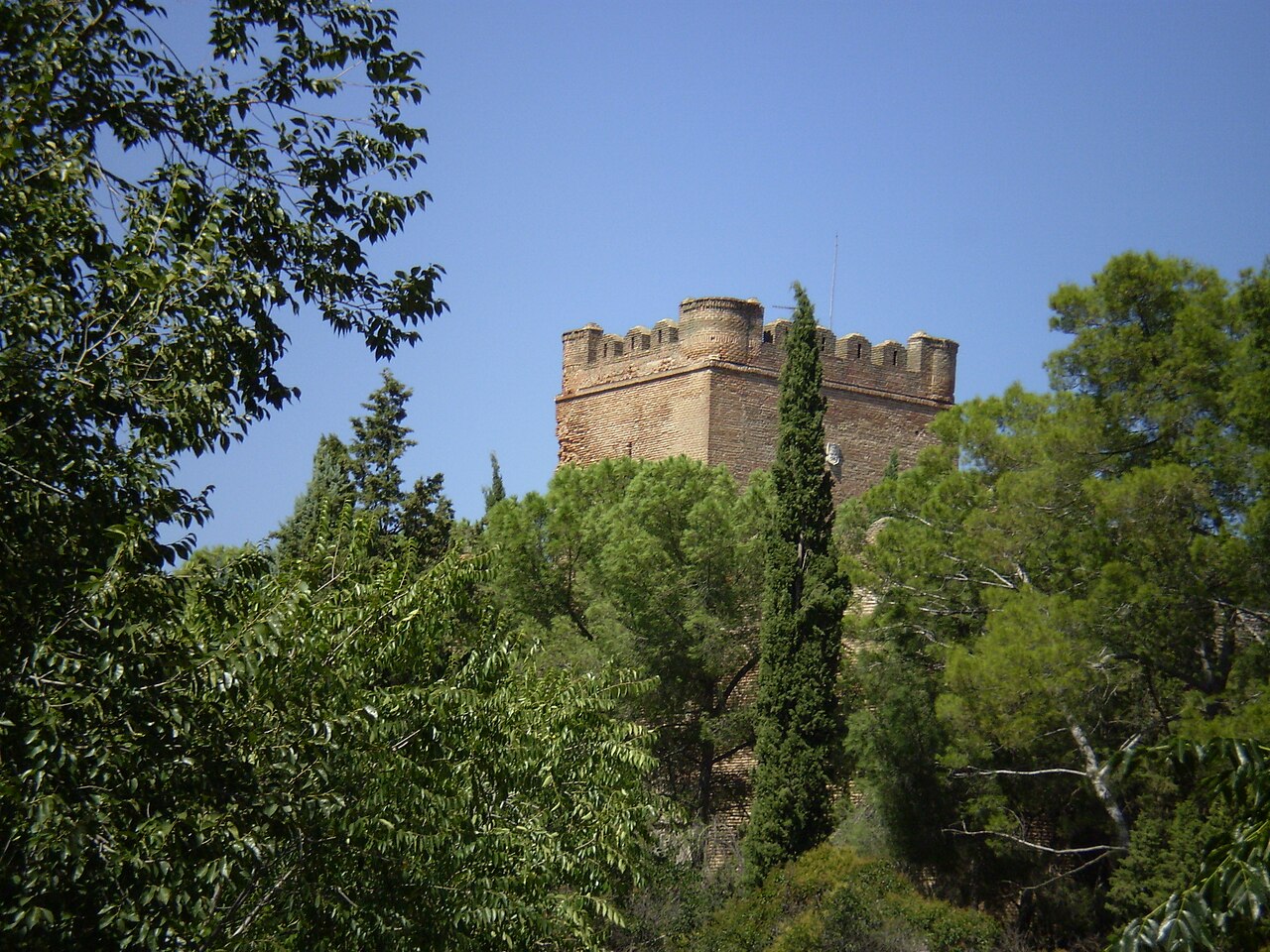
Tower of Arroyomolinos
The Tower of Arroyomolinos stands prominently in the town of Arroyomolinos, Spain, as a remarkable example of late medieval military architecture from the Castilian civilization. Constructed around the 1470s, this tower was built during a turbulent era marked by the Castilian Succession War, which directly preceded the reign of the Catholic Monarchs, Isabel I of Castile and Ferdinand II of Aragon. The tower's historical significance is enhanced by its connections to prominent noble families and royal figures of the period, making it a vital cultural landmark within the Madrid region.
Originally designed as a lordly tower, or Torre del Homenaje, the structure served as the central fortified residence and stronghold for the local lord and his household. It was once part of a larger defensive complex known as the Castle of Pan, of which the tower remains the sole surviving element. This castle complex played a strategic role in regional defense and governance during the late Middle Ages.
Historical context and noble associations
The lordship of the site initially belonged to Fernando Pareja, the Adelantado Mayor of Galicia, who abandoned the property amid the unrest of the succession conflict. The tower's construction is attributed to Juan de Oviedo, with completion overseen by Gonzalo Chacón, lord of Casarrubios and chief steward to Infanta Isabel. The presence of Chacón's coat of arms alongside the heraldic emblems of the Catholic Monarchs on the tower underscores its prestigious connections and patronage.
Additionally, the tower served as a temporary residence for Juana Enríquez, wife of John II of Aragon and mother of Ferdinand the Catholic. This highlights the tower's role not only as a military fortification but also as a noble habitation during significant political events in late 15th-century Spain.
Architectural features and construction details
Structural design and materials
The five-story tower features a square base with distinctive rounded corners, constructed primarily from brick resting on robust stone foundations. The choice of brick was influenced by economic factors and the remote location of stone quarries during its construction period. Despite the use of relatively modest materials, the tower has demonstrated remarkable durability, withstanding the passage of centuries and the impact of various military threats.
Defensive elements and layout
Crowning the tower are eight bartizans—small turrets positioned two at each corner—providing vantage points for surveillance and defense. Originally, the tower was enclosed by an outer wall (antemur) and a U-shaped moat approximately five meters deep and ten meters wide, particularly fortified near the southeast entrance. Access was granted via a wooden drawbridge spanning the moat, leading to a double-door entrance offset for defensive advantage.
Flanking the entrance were two defensive towers equipped with narrow loopholes for archers and internal staircases, though later modifications reduced the entrance size and led to the disuse of one tower. The tower's design shares characteristics with other regional fortifications, suggesting the involvement of a master builder also responsible for nearby castles such as La Mota in Medina del Campo.
Internal layout and ancillary structures
Residential and service spaces
The tower housed all residential quarters for the lord's family within its walls. Adjacent to the tower's west side lies a long rectangular room measuring approximately 22 by 5 meters, likely used as stables and storage. This space features a wooden roof with ceramic tiles, porches on both the north and south sides, and feeding troughs embedded in the eastern wall. A deep well provided water for the animals, with archaeological evidence revealing two pits nearby—one a well and the other a grain silo.
On the eastern side, a similarly rectangular room of about 14.5 by 4.5 meters functioned as the kitchen area. This room is divided by its roof into two sections: the southern part is vaulted, while the northern section had either no roof or one that did not survive. The kitchen contained a well, a hearth for cooking, storage facilities, and external access to a grain silo. A cellar, once accessible through a southwest doorway, was blocked in the 16th century, ceasing its use. By the 17th century, this eastern room was abandoned and its entrance filled with debris including tiles and pottery fragments.
Other structural remains
Nearby, archaeologists uncovered remains of a circular structure built from repurposed materials, though its original purpose remains uncertain. These ancillary buildings reflect the multifunctional nature of the castle complex, catering to both domestic and agricultural needs.
Later history and preservation efforts
Over the centuries, as the military importance of the tower waned, it was repurposed for various community uses including a granary, dovecote, and general storage during the 19th and 20th centuries. These transformations illustrate the adaptive reuse of medieval structures in response to changing local needs.
In the early 21st century, significant restoration efforts were undertaken to preserve the tower's structural integrity and historical features. These works aimed to integrate the tower into a network of archaeological sites in the Madrid region and convert it into a cultural center. Thanks to these conservation initiatives, the tower remains in good condition and continues to serve as a tangible link to Spain's medieval past.
Architectural significance and regional influence
The Tower of Arroyomolinos exemplifies the architectural and defensive strategies of late medieval Castilian fortifications. Its brick construction on stone foundations, rounded corners, and bartizans reflect regional building practices adapted to local materials and military needs. The tower's design parallels other notable fortresses of the era, indicating the influence of master builders who shaped the defensive landscape of Castile.
Its survival as the sole remnant of the Castle of Pan offers valuable insights into the evolution of noble residences and military architecture during a pivotal period in Spanish history. The tower's enduring presence enriches the cultural heritage of Arroyomolinos and the wider Madrid region, attracting scholars, historians, and visitors interested in medieval architecture and Castilian history.
Frequently asked questions (FAQ)
- What is the historical significance of the Tower of Arroyomolinos?
- The Tower of Arroyomolinos is a notable example of medieval military architecture in Spain, reflecting the region's rich history during the Reconquista. It served as a defensive structure protecting the area from invaders and played a crucial role in local governance and defense strategies.
- When was the Tower of Arroyomolinos built?
- The Tower of Arroyomolinos was constructed in the late 15th century, around 1480. This timing coincides with the period of significant military fortifications in Spain as the country sought to secure its borders and territories.
- Can I visit the Tower of Arroyomolinos?
- Yes, visitors are welcome to explore the Tower of Arroyomolinos. Guided tours are often available, providing insights into its history and architectural features, making it a perfect destination for history enthusiasts.
- What are the opening hours for the Tower of Arroyomolinos?
- The Tower of Arroyomolinos typically opens from 10 AM to 6 PM, but it’s advisable to check the official website for any seasonal changes or special events. Visiting during the weekdays may offer a quieter experience.
- Is it possible to access the Tower of Arroyomolinos with a wheelchair?
- Accessibility at the Tower of Arroyomolinos may be limited due to its historic architecture. However, the management is working towards improving access for all visitors, so it's best to contact them in advance for specific arrangements.
- What is the best time to visit the Tower of Arroyomolinos?
- The best time to visit the Tower of Arroyomolinos is during the spring and fall months when the weather is mild and pleasant. This allows for a comfortable exploration of the grounds and nearby attractions.
- Are there any nearby attractions to the Tower of Arroyomolinos?
- Yes, nearby attractions include the charming town of Arroyomolinos with its local markets and cultural sites. Additionally, visitors can explore nearby parks and recreational areas ideal for a day out in nature.
- What are the ticket prices for the Tower of Arroyomolinos?
- Ticket prices for the Tower of Arroyomolinos are generally affordable, with discounts available for children, seniors, and groups. It's recommended to check the official website for current pricing and any special promotions.
Information
Website
Visit websiteSources & official resources
Verify the information above using these authoritative references.
Loading map...
Visitor reviews
No reviews yet. Been here? Write the first review and help other travelers!
Write the first reviewVisited this castle? Share your experience
Your review helps other travelers and adds first-hand knowledge to our encyclopedia.