Torres Novas Castle
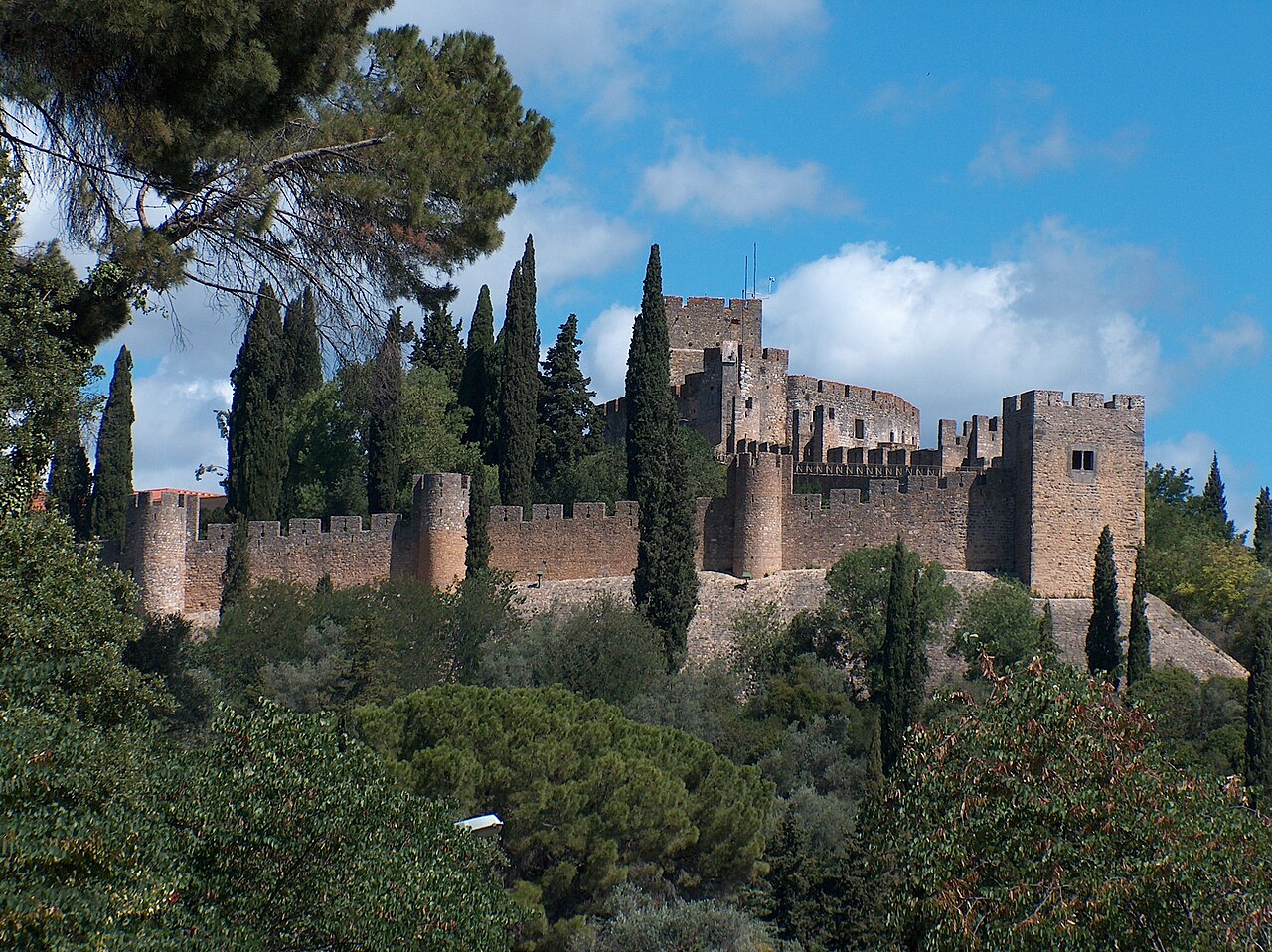
Torres Novas Castle, locally known as Castelo de Torres Novas, stands prominently on a hill overlooking the town of Torres Novas in the Médio Tejo region of Portugal. This high medieval fortress has a rich history marked by strategic military importance, architectural evolution, and cultural significance that spans centuries. Its position commanding the surrounding landscape and the nearby Almonda River made it a key defensive stronghold in the region.
The castle's origins trace back to the 12th century, during a period of intense conflict between Christian and Muslim forces in the Iberian Peninsula. Initially, the site was a Muslim settlement known as "Turris" in Christian chronicles, reflecting its strategic importance. The settlement changed hands multiple times before definitively falling under Christian control in 1148, following the conquests of King Afonso Henriques during the Reconquista, particularly after the fall of Santarém and Lisbon.
Early history and military significance
The name "Torres Novas," meaning "New Towers," was first recorded in 1179 to distinguish it from another settlement called Torres Vedras ("Old Towers") near Lisbon. The castle and town were repeatedly contested during the late 12th century. In 1184, the fortifications were destroyed during a siege by the Almohad caliph Abu Yaqub Yusuf I. Shortly thereafter, King Sancho I of Portugal initiated the reconstruction or new construction of the castle, aiming to strengthen defenses in this volatile border region.
Despite these efforts, the castle was again besieged in 1190 by Almohad forces, who captured it after a ten-day siege and left a garrison. However, King Sancho I reclaimed the castle later that year, granting the town its first charter and continuing to rebuild its fortifications to secure Portuguese control and encourage settlement.
Architectural development and fortification enhancements
The castle features a roughly circular plan with numerous rectangular towers integrated into its defensive walls. Notably, it appears to have lacked a traditional keep or donjon, which is somewhat unusual for castles of this period. Inside the castle, a partly subterranean stairway leads to a postern gate, providing a discreet secondary exit or entry point.
During the late 14th century, following conflicts with the Kingdom of Castile, King Ferdinand I ordered extensive reconstruction and strengthening of Torres Novas Castle between 1374 and 1376. This work was part of the broader Tagus Line, a defensive network of castles along the Tagus River, including Almourol, Abrantes, Belver, and Tomar. Inscriptions found on the castle walls commemorate this phase of expansion and fortification.
The Tagus line and strategic importance
The Tagus Line was a critical defensive measure to protect Portuguese territory from Castilian incursions. Torres Novas Castle's inclusion in this line underscores its military significance during the late medieval period. In 1384, during the Portuguese interregnum crisis, Castilian forces occupied the castle after an unsuccessful siege of Lisbon but were expelled the following year by the forces of John I of Portugal, solidifying Portuguese sovereignty.
Later history and decline
After the 14th century, the castle's military importance gradually diminished. The devastating 1755 Lisbon earthquake severely damaged the structure, causing the collapse of four towers and significant portions of the walls. Subsequently, the castle was abandoned as a fortification.
In the 19th century, the castle grounds served various civic functions, including use as a municipal graveyard from 1835 until 1938 and housing the district jail until 1961. These adaptations reflect the site's changing role within the community as its defensive purpose waned.
Archaeological remains and restoration efforts
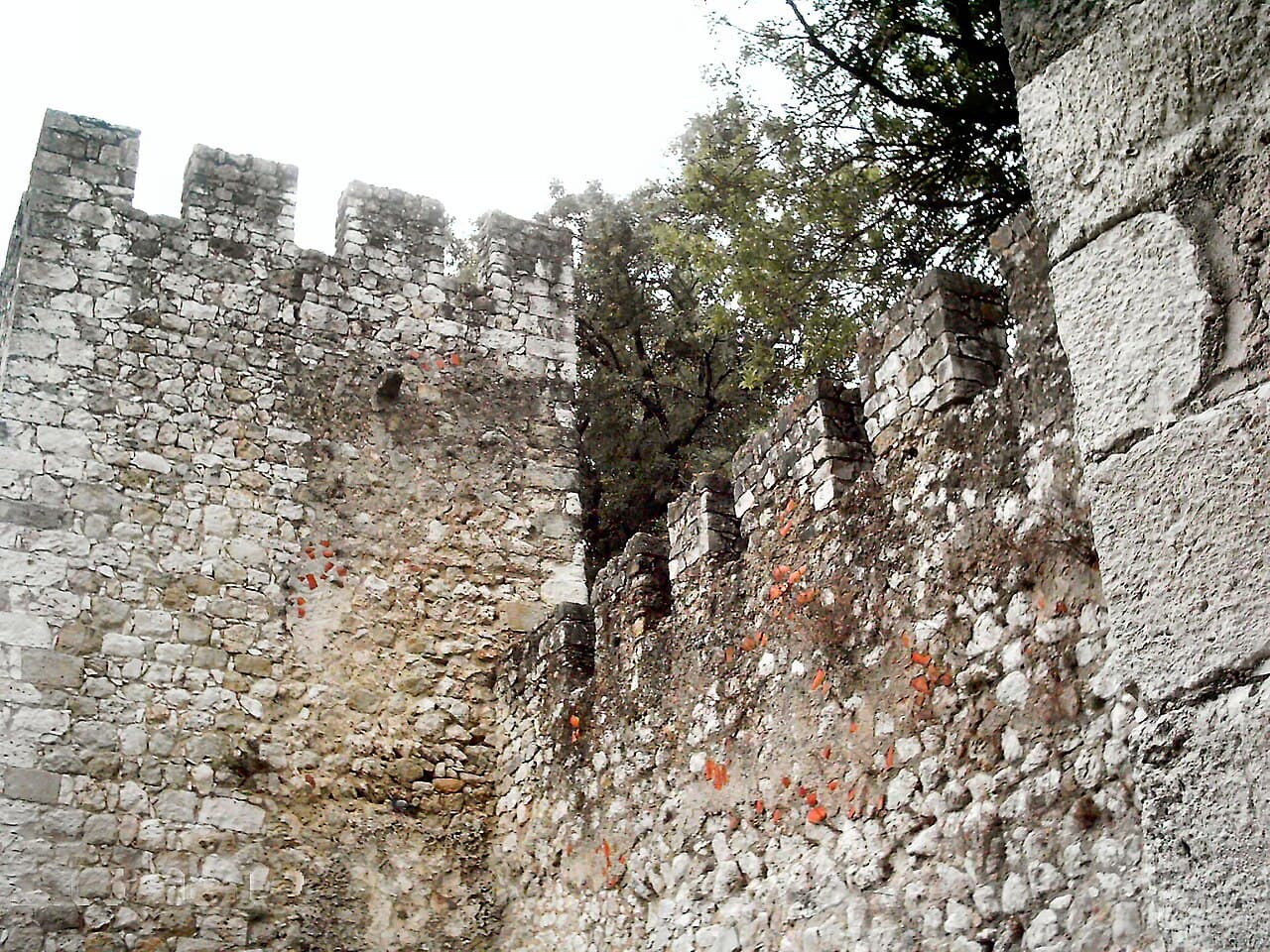
Today, Torres Novas Castle is a well-preserved hill castle exhibiting typical medieval stone construction with surviving walls and towers that reveal its historical defensive layout. The castle's roughly rectangular enclosure originally featured nine towers surrounding the inner courtyard, known as the praça de armas. Although the original gates have been lost, sections of the eastern wall survive, providing insight into the town's former fortifications.
The Alcaidaria, or governor's residence, remains a notable restored building within the castle grounds, having undergone conservation in the 1970s. Modern restoration efforts have focused on stabilizing the stone masonry, cleaning surfaces, and removing vegetation to preserve the castle's structural integrity.
Recent projects aim to enhance visitor access and experience, including plans approved in 2022 to construct an elevator designed to blend with the historic site, improving movement around the steep terrain. This elevator will feature modern materials mimicking natural stone, illuminated entrance chambers, and LED lighting integrated into metal walkways, demonstrating a sensitive balance between preservation and accessibility.
Cultural heritage and visitor experience
Torres Novas Castle today serves as a municipal park and cultural landmark open to the public during specified visiting hours. Visitors can explore the castle's walls, towers, and courtyard while enjoying panoramic views of the town and surrounding landscape. The castle's layered history, from its early medieval origins through its role in regional conflicts and eventual decline, offers an engaging narrative of Portugal's medieval past.
The castle's integration into the town's urban fabric and its adaptive reuse over centuries highlight its enduring significance. It stands as a testament to the resilience and strategic importance of medieval fortifications in Portugal's history.
Frequently asked questions (FAQ)
- What is the historical significance of Torres Novas Castle?
- Torres Novas Castle, built in the 12th century, is a significant landmark that reflects the military architecture of the period. It played a crucial role in the defense against Moorish invasions and later served as a royal residence, showcasing the strategic importance of the region in Portugal's history.
- When was Torres Novas Castle built?
- The construction of Torres Novas Castle began in the 12th century, around the time of Portugal's foundation as a kingdom. Over the centuries, it has undergone various renovations and restorations, preserving its historical integrity and showcasing its medieval architectural features.
- What are the opening hours for Torres Novas Castle?
- Torres Novas Castle is typically open to visitors from 9 AM to 6 PM, with extended hours during the summer months. It is advisable to check the official website or contact local tourism information for any seasonal changes or special closures.
- Can I visit Torres Novas Castle with children?
- Yes, Torres Novas Castle is a family-friendly destination, and children are welcome. The castle's spacious grounds and fascinating history can provide an engaging experience for visitors of all ages.
- Is it possible to access Torres Novas Castle by public transport?
- Yes, Torres Novas Castle is accessible by public transport, including local buses that connect to the nearby towns and cities. Additionally, the castle is within walking distance from the town center, making it convenient for visitors.
- What are the ticket prices for Torres Novas Castle?
- The ticket prices for Torres Novas Castle are generally affordable, with discounts available for children, students, and seniors. It is recommended to check the official website for the most current pricing and any special promotions.
- When is the best time to visit Torres Novas Castle?
- The best time to visit Torres Novas Castle is during the spring and fall when the weather is mild and pleasant. These seasons also offer fewer crowds, allowing for a more enjoyable exploration of the castle and its surroundings.
- Are there any nearby attractions to visit after touring Torres Novas Castle?
- Yes, after visiting Torres Novas Castle, you can explore several nearby attractions, including the picturesque town of Torres Novas itself and the stunning Almourol Castle located a short drive away. The region also offers beautiful natural scenery and hiking opportunities.
Photo gallery

Photo by No machine-readable author provided. Juntas assumed (based on copyright claims).•CC BY-SA 3.0
Information
Sources & official resources
Verify the information above using these authoritative references.
Loading map...
Visitor reviews
No reviews yet. Been here? Write the first review and help other travelers!
Write the first reviewVisited this castle? Share your experience
Your review helps other travelers and adds first-hand knowledge to our encyclopedia.