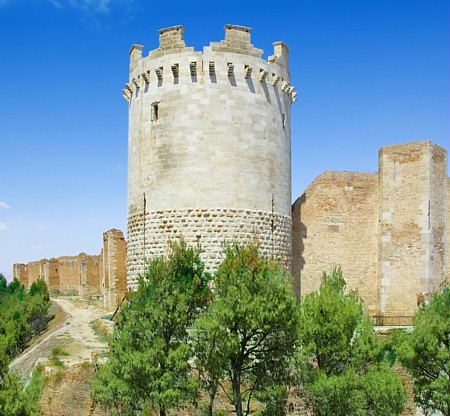
Torremaggiore Ducal Castle
Torremaggiore ducal castle, located in the town of Torremaggiore in southern Italy, is a historic fortress with origins dating back to the 11th century. Originally constructed as a Norman tower, the castle served as the residence of the Counts and later the Dukes of Sangro, a noble family influential in the region's medieval and early modern history.
Architectural evolution and design
The castle's original structure centered around a robust Norman keep, a common defensive feature of High Medieval fortifications in Italy. Over time, it was expanded and transformed, incorporating elements from the Renaissance period that have shaped its current appearance. The castle is distinguished by its combination of four circular towers and two square towers, which provided both defensive capabilities and status symbolism.
The layout reflects the transition from purely military architecture to a more residential and representational function, typical of noble residences in the Renaissance. The walls and towers were adapted to accommodate comfort and aesthetics while retaining defensive features.
Notable interior features
One of the castle's most significant interior spaces is the throne hall, which contains a remarkable 17th-century fresco frieze. This artwork depicts various scenes that highlight the cultural and political stature of the castle's owners during that period. The frescoes are an important example of Baroque artistic influence within a medieval fortress setting.
The castle also houses an archaeological exhibition featuring findings from the nearby site of Fiorentino, an ancient settlement with historical ties to the region. This exhibition provides valuable insights into the area's long history and enriches the castle's role as a cultural center.
Historical context and significance
The castle stands as a testament to the Norman conquest and settlement in southern Italy during the 11th century. It played a strategic role in local defense and governance under the Counts and Dukes of Sangro, who were prominent feudal lords. The modifications and Renaissance enhancements reflect the changing political and social landscape of the region from medieval times through the early modern era.
Today, the castle is recognized for its well-preserved architectural features and its role in showcasing the layered history of Apulia. It remains a significant landmark in the town of Torremaggiore and attracts visitors interested in medieval military architecture and Renaissance art.
Visiting the castle
Visitors to the castle can explore its towers, walls, and the richly decorated throne hall. The archaeological exhibition offers an educational experience about the ancient history of the area. The castle's location in Torremaggiore provides access to other regional attractions and the cultural heritage of Apulia.
Information
Loading map...
Visitor reviews
No reviews yet. Been here? Write the first review and help other travelers!
Write the first reviewVisited this castle? Share your experience
Your review helps other travelers and adds first-hand knowledge to our encyclopedia.