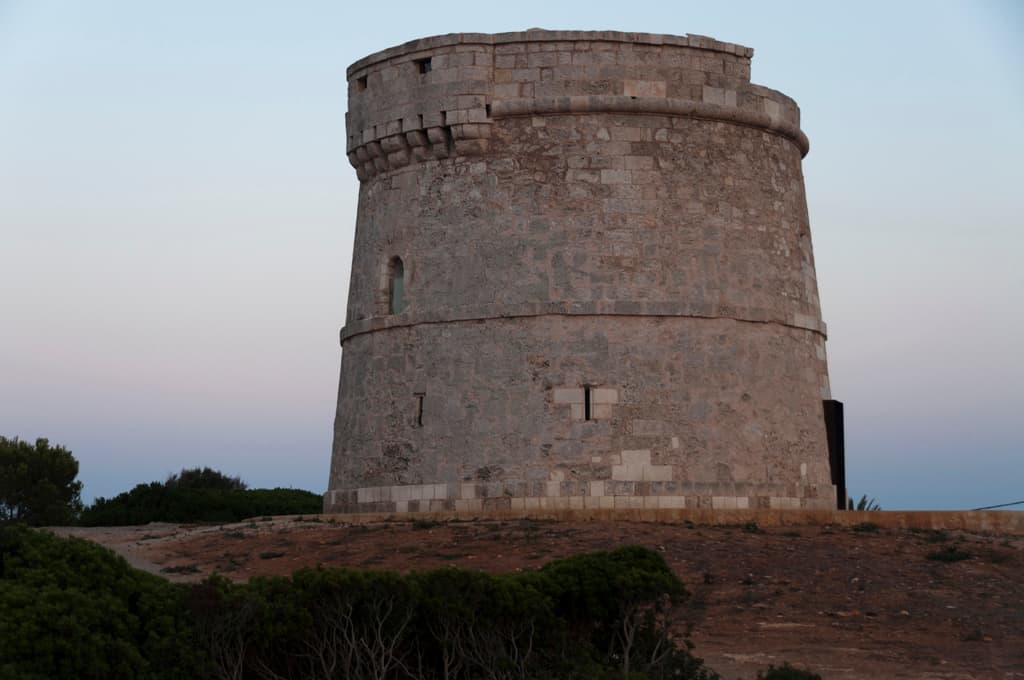
Torre de Son Ganxo — Spain castle

Torre de Son Ganxo

Torre de Son Ganxo: an 18th-century bastioned fortress in Spain
Post-Renaissance (17th–18th c.)
Well Preserved

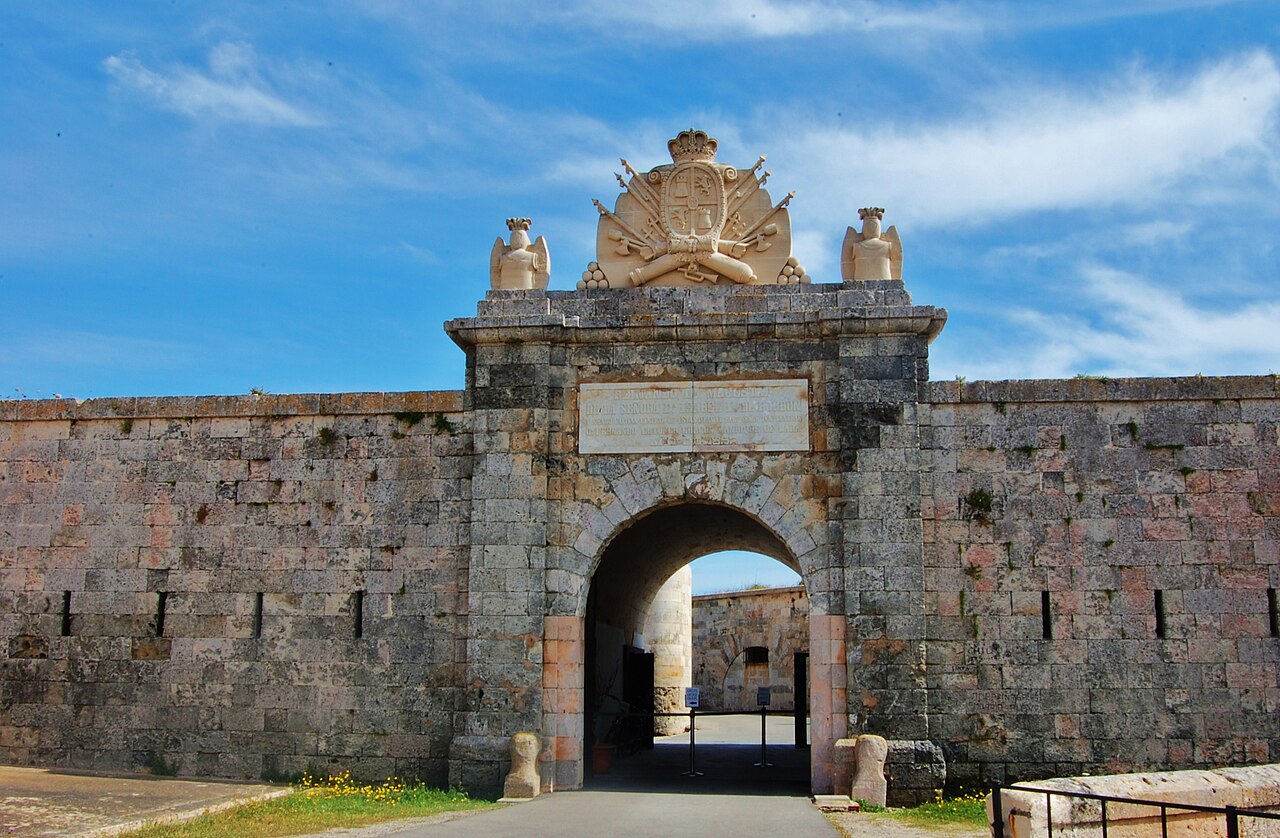
Torre de Son Ganxo is a notable example of an 18th-century bastioned fortress located in Spain. This structure was built during the post-Renaissance period, a time when military architecture evolved significantly to adapt to advances in artillery and siege warfare. The tower reflects the strategic military thinking of the era, characterized by its bastioned design that allowed defenders to cover all approaches with overlapping fields of fire.

Architectural features and design

The fortress is distinguished by its bastioned layout, which was a common feature in coastal and frontier defenses during the 18th century. Bastions are angular projections from the main walls that enable defenders to fire along the faces of adjacent bastions and curtain walls, eliminating blind spots. This design was a response to the increasing use of cannon and gunpowder artillery, requiring fortifications to be low, thick, and angled to deflect cannonballs.

The Torre de Son Ganxo likely features thick masonry walls constructed from local stone, designed to withstand bombardment. The bastions would have been equipped with artillery emplacements, and the tower's elevated position would provide commanding views of the surrounding area, ideal for early warning and defense against naval or land attacks.

Historical context and significance

Constructed in the 18th century, during a period of frequent conflicts in the Mediterranean, the Torre de Son Ganxo was part of a network of fortifications aimed at protecting the Spanish coast and its maritime interests. This era saw Spain defending its territories against piracy, naval powers, and rival states. The tower's bastioned design reflects the military engineering principles developed in the aftermath of the Renaissance and the evolution of fortification techniques pioneered by military architects like Vauban.

While specific historical events related to Torre de Son Ganxo are not extensively documented, its architectural style and construction date place it firmly within the broader context of European coastal defenses built to counter threats from the sea and safeguard strategic points.

Preservation and current condition

The Torre de Son Ganxo is categorized as a well-preserved bastioned fortress, retaining much of its original structure and defensive features. Its preservation allows visitors and scholars to study the military architecture of the post-Renaissance period firsthand. The fortress serves as a cultural heritage site, illustrating the adaptation of fortifications to new military technologies and strategic needs of the 18th century.

Visiting information and cultural value

Though specific visitor details such as opening hours and ticket prices are not widely published, the Torre de Son Ganxo remains an important monument for those interested in military history and architecture. Its location in Spain offers opportunities to explore the broader historical landscape of coastal fortifications in the Mediterranean region.

The tower is a significant example of bastioned fortress architecture, providing insight into the defensive strategies employed by Spain during a turbulent period marked by maritime conflicts and territorial defense.

Frequently asked questions (FAQ)

How do I get to Torre de Son Ganxo?
Torre de Son Ganxo is located in the beautiful region of Menorca, Spain. You can easily reach the castle by car, as there is parking available nearby, or by taking local public transport that connects to nearby towns.
What is the historical significance of Torre de Son Ganxo?
Torre de Son Ganxo dates back to the 18th century and served as a coastal defense structure against pirates and invasions. It is a remarkable example of military architecture from that era, providing insight into the strategic importance of Menorca in maritime history.
When was Torre de Son Ganxo built?
The construction of Torre de Son Ganxo began in 1799 and was completed in 1802. It was built as part of a series of coastal watchtowers to protect the island from potential threats.
Can I enter Torre de Son Ganxo?
Yes, visitors are allowed to enter the tower during opening hours. Exploring the interior provides a unique perspective on its historical architecture and the panoramic views from the top are breathtaking.
Why is Torre de Son Ganxo popular among tourists?
Torre de Son Ganxo is popular for its stunning views of the surrounding coastline and its rich history. Additionally, it is an iconic landmark that represents Menorca's cultural heritage, making it a must-visit for history enthusiasts and nature lovers alike.
Is it possible to visit Torre de Son Ganxo year-round?
Yes, Torre de Son Ganxo is open to visitors year-round, although hours may vary seasonally. It is advisable to check the official website for the most current opening times before planning your visit.
What are the ticket prices for Torre de Son Ganxo?
Admission to Torre de Son Ganxo is generally free, although special events or guided tours may have associated costs. Always check for any updates on pricing before your visit.
What is the best time to visit Torre de Son Ganxo?
The best time to visit Torre de Son Ganxo is during the spring and early autumn months when the weather is mild and pleasant. These seasons also provide a great opportunity to enjoy the surrounding landscape without the summer crowds.
Are there any nearby attractions to Torre de Son Ganxo?
Yes, there are several nearby attractions, including beautiful beaches and other historical sites like the nearby Cap de Cavalleria. Exploring the area also offers opportunities for hiking and enjoying the natural beauty of Menorca.

Photo gallery

Torre de Son Ganxo
Click to view

Photo by 20702125@N05•CC BY-SA 2.0

1 photo • Click any image to view in full screen

Information

Bastioned Fortress

Loading map...

Visitor reviews

No reviews yet. Been here? Write the first review and help other travelers!

Write the first review

Visited this castle? Share your experience

Your review helps other travelers and adds first-hand knowledge to our encyclopedia.
Write a review

(5/5)

0/2000 characters

Your review will be visible after admin approval

Nearby castles

6.5 km
St. Philip's Castle — Spain castle

St. Philip's Castle

Es Castell, Spain

St. Philip's Castle (Catalan: Castell de Sant Felip, Spanish: Castillo de San Felipe, also known as Fort St Phillip) is a historic fortress located in the municipality of Es Castell on the island of Menorca, Spain. It guards the entrance to the strategic port of Mahón, one of the largest natural harbors in the Mediterranean. The castle's origins date back to the mid-16th century, with its initial construction around 1554 as a Spanish fortification designed to protect the island from naval attacks and piracy. Early construction and Spanish origins The original Castell de Sant Felip was commissioned by Spanish authorities during the Renaissance period, reflecting the military architectural styles of the time. Its primary purpose was to defend the strategically vital port of Mahón, which was a key naval base in the Mediterranean. The fortress was built with thick stone walls, bastions, and artillery platforms to withstand cannon fire and naval bombardment. Its location on a promontory allowed commanding views over the harbor entrance, making it a formidable defensive position. British reconstruction and military significance In the 1760s, after Menorca changed hands multiple times during the 18th century conflicts, the British undertook a significant rebuilding of the castle. This reconstruction was done around the existing Spanish fort and incorporated advances in military engineering of the period. The British expanded the defenses, adding new bastions, reinforced walls, and improved artillery emplacements to enhance the fortress's ability to repel sieges. The castle played a critical role during two major military engagements. The first was the Siege of Fort St Philip in 1756, during the Seven Years' War, when French forces besieged the British-held fortress. Despite a determined defense, the British garrison was forced to surrender after a prolonged siege. The second significant event was the Invasion of Minorca in 1781, part of the American Revolutionary War conflict theaters, when Spanish forces laid siege to the British defenders. This siege resulted in the British losing control of the fort and the island. Architectural features and layout The fortress was designed as a bastioned fortification typical of the Renaissance military architecture style, featuring angular bastions that allowed defenders to cover all approaches with overlapping fields of fire. The walls were constructed from local limestone, and the fort included multiple defensive layers, including outer walls, moats, and artillery batteries positioned to command the harbor entrance. Inside, the castle contained barracks, powder magazines, command posts, and storage facilities necessary to support a garrison during extended sieges. The design emphasized both defense and functionality, with internal courtyards and protected communication routes between bastions. Decline and current condition After the British loss in 1781, the castle was partly demolished to prevent its future military use. Over the centuries, it fell into ruin, and today it remains as archaeological ruins that testify to its turbulent history. The site is an important cultural and historical landmark on Menorca, attracting visitors interested in military history and Mediterranean fortifications. While much of the original structure is no longer intact, the remnants of walls and bastions provide insight into the Renaissance fortress design and the strategic importance of the port of Mahón. Preservation efforts focus on maintaining the ruins and interpreting the site for educational and heritage tourism purposes. Visiting St. Philip's Castle The castle ruins are accessible to the public and offer panoramic views of the port and surrounding landscape. Visitors can explore the remains of the fortifications and learn about the site's role in the military history of Menorca through onsite information panels and guided tours available during the tourist season. The site is a valuable destination for those interested in historic military architecture, 18th-century warfare, and the complex history of Mediterranean colonial powers.

Renaissance (15th–17th c.)
Details
7.7 km
Mola Fortress — Spain castle

Mola Fortress

Mahón, Spain

Mola Fortress, also known as the Isabela II Fortress, is a significant 19th-century bastioned fortress located on the Mola peninsula at the entrance to the port of Mahón on the island of Menorca, Spain. This fortress stands opposite the Castillo de San Felipe, which guards the port's entrance from the other side, together forming a strategic defense system for one of the Mediterranean's most important natural harbors. The fortress derives its name from Queen Isabella II of Spain, who commissioned its construction in the mid-19th century as part of a broader effort to modernize Spain's coastal defenses. Construction began around the 1850s and continued through the latter half of the century, reflecting the military architectural advancements of the Modern period. Strategic location and historical context The Mola peninsula occupies the easternmost point of Spain and commands a commanding position over the port of Mahón, one of the largest natural harbors in the Mediterranean. This location made it a critical military and naval asset, especially during the 18th and 19th centuries when control of Mediterranean naval routes was vital. The fortress was built to complement the defenses provided by the Castillo de San Felipe on the opposite side of the harbor entrance, creating a crossfire zone that could effectively prevent enemy ships from entering the port. This defensive arrangement was crucial during periods of conflict, including the Napoleonic Wars and later tensions involving British and Spanish forces. Architectural design and features Mola Fortress is a classic example of a bastioned fortress, a design that evolved from the trace italienne style of fortification. The fortress features extensive thick stone walls with angular bastions projecting outward to allow defensive artillery to cover all approaches without blind spots. The design incorporates moats, ramparts, and casemates for artillery placements, as well as underground tunnels and magazines for ammunition storage. The fortress's layout is polygonal, maximizing defensive coverage and resilience against artillery bombardment, which had become increasingly powerful by the 19th century. The fortress also includes gates protected by drawbridges and guardhouses, and internal courtyards that served as muster points and logistical centers for the garrison stationed there. The fortifications were constructed using local limestone, which provided both durability and camouflage against the rocky terrain. Military significance and historical use Throughout its history, Mola Fortress played a key role in the defense of Menorca and the broader Balearic Islands. It was part of Spain's efforts to maintain control over its Mediterranean territories amid frequent conflicts with Britain and France. During the 19th century, the fortress was equipped with modern artillery and garrisoned by Spanish troops. It served as a deterrent against naval incursions and was involved in various military operations, although it saw limited direct combat due to the strategic balance it helped maintain. In the 20th century, the fortress's military relevance declined with changes in warfare and technology, leading to its eventual decommissioning. However, it remains an important cultural and historical monument, representing Spain's military architecture and coastal defense strategy of the Modern period. Current status and visitor experience Today, Mola Fortress is well preserved and accessible to visitors interested in military history and architecture. The site offers extensive views over the port of Mahón and the surrounding sea, highlighting its strategic importance. Visitors can explore the fortress's bastions, tunnels, and courtyards, gaining insight into 19th-century military engineering. Interpretive signage and guided tours provide historical context and explain the fortress's role in Spain's coastal defense system. Its location near the easternmost point of Spain adds to its appeal as a destination for those interested in geography and history alike. The fortress is managed as a cultural heritage site, ensuring its preservation for future generations.

Modern (19th–20th c.)
Details
30 km
Sant Antoni Castle — Spain castle

Sant Antoni Castle

Fornells, Spain

The Sant Antoni Castle, also known as Castell de Sant Antoni in Catalan and Castillo de San Antonio in Spanish, is a historically significant 17th-century fortress located in the village of Fornells, within the municipality of Es Mercadal on the island of Menorca, Spain. This hill castle was strategically constructed in the Renaissance period to protect the natural harbor of Fornells, which facilitated maritime activities and fostered the growth of the surrounding settlement. The castle's establishment directly contributed to the birth and development of the town of Fornells, highlighting its importance beyond military defense. Historical context and significance Constructed in the 17th century, Sant Antoni Castle was part of a network of fortifications built during a period marked by frequent conflicts over control of the Balearic Islands, especially between Spanish and British forces. The castle's primary function was to defend the harbor and the northern coast of Menorca from naval threats and pirate incursions. Its location on a hill overlooking the harbor offered commanding views, essential for early warning and defense. Following the British occupation of Menorca in the 18th century, the castle, along with other fortifications such as the nearby St. Philip's Castle, was dismantled by the Spanish authorities after regaining control. This dismantling was part of a broader military strategy to prevent these fortifications from being used again by foreign powers. Consequently, today only ruins remain of Sant Antoni Castle, bearing witness to its historical military role and the turbulent history of the island. Architectural features and layout While much of the original structure of Sant Antoni Castle has been lost, historical records and remaining ruins indicate that it was a typical Renaissance hill castle designed with defensive features suited to the era. The castle likely included thick stone walls, bastions for artillery placement, and a central courtyard that served as the operational heart of the fortress. Its elevated position provided strategic advantages, allowing defenders to monitor and control access to the harbor. Adjacent to the castle is the Fornells Tower, a smaller defensive structure built to complement the castle's defense system. The tower functioned as an early warning post and a protective outpost to guard against enemy approaches, especially from the sea. Together, these fortifications formed an integrated defensive network crucial for the security of Fornells and its harbor. The castle's role in local development The construction of Sant Antoni Castle was a catalyst for the establishment and growth of the village of Fornells. As the fortress secured the harbor, it encouraged maritime trade and fishing activities, which became the economic backbone of the community. The protection offered by the castle allowed the population to settle and expand around this strategic coastal point. Over time, Fornells evolved from a small harbor settlement into a vibrant village with a rich maritime heritage. The castle's presence played a central role in shaping the identity and historical trajectory of this part of Menorca. Present condition and cultural importance Today, Sant Antoni Castle exists primarily as archaeological ruins. The dismantling after the British period left only fragments of the original fortress, but these remains continue to attract visitors interested in the military history and cultural heritage of Menorca. The site offers insights into the island's strategic importance in Mediterranean conflicts during the Renaissance and early modern periods. The proximity of the Fornells Tower enhances the historical landscape, allowing visitors to appreciate the integrated defensive system that once protected the harbor. Both sites are important for understanding the military architecture and regional history of Menorca. Visiting Sant Antoni Castle and surroundings Visitors to Sant Antoni Castle can explore the ruins and enjoy panoramic views of the Fornells harbor and the surrounding landscape. The area is accessible and offers a glimpse into the island's past military strategies and coastal defenses. Nearby, the Fornells Tower provides additional context and a well-preserved example of a coastal watchtower. The castle ruins and tower are part of Menorca's rich cultural tourism offerings, attracting those interested in history, architecture, and Mediterranean maritime heritage.

Renaissance (15th–17th c.)
Details