St. Philip's Castle
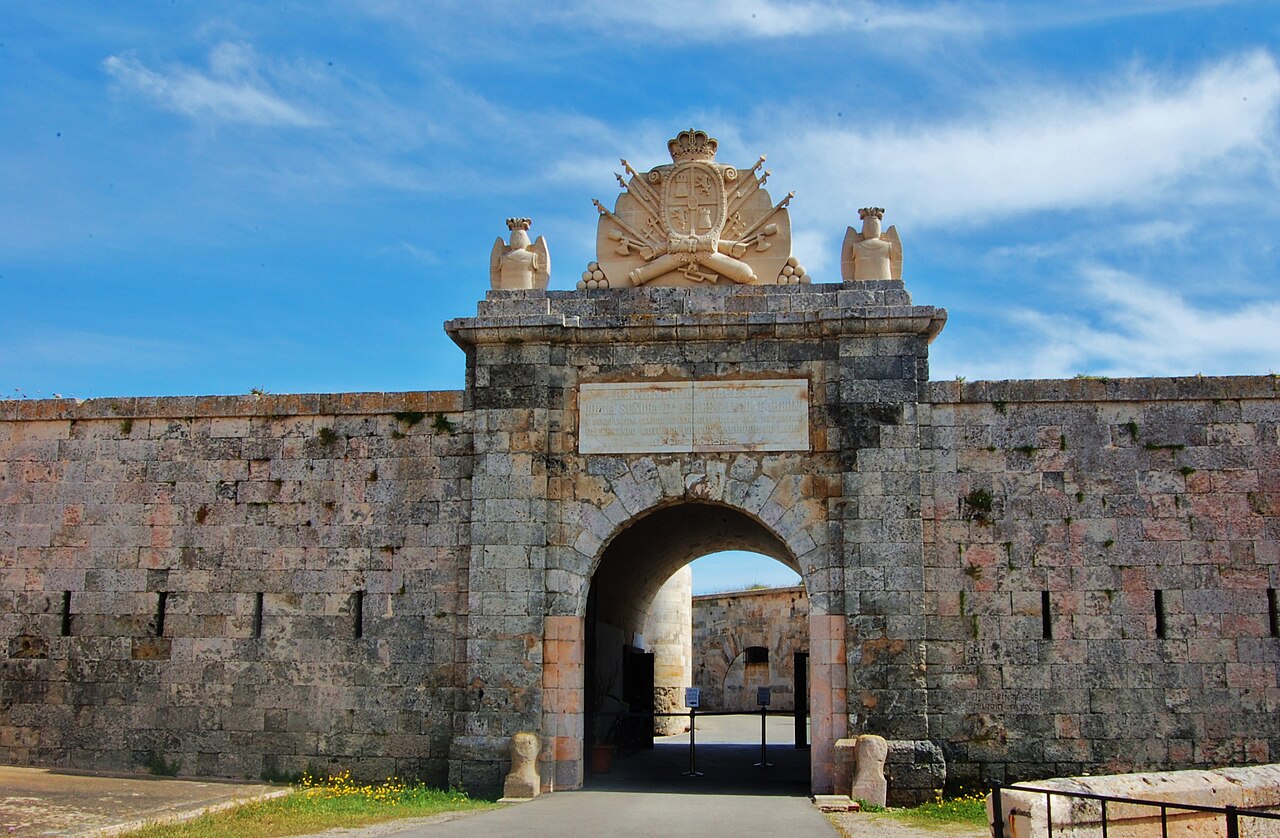
St. Philip's Castle (Catalan: Castell de Sant Felip, Spanish: Castillo de San Felipe, also known as Fort St Phillip) is a historic fortress located in the municipality of Es Castell on the island of Menorca, Spain. It guards the entrance to the strategic port of Mahón, one of the largest natural harbors in the Mediterranean. The castle's origins date back to the mid-16th century, with its initial construction around 1554 as a Spanish fortification designed to protect the island from naval attacks and piracy.
Early construction and Spanish origins
The original Castell de Sant Felip was commissioned by Spanish authorities during the Renaissance period, reflecting the military architectural styles of the time. Its primary purpose was to defend the strategically vital port of Mahón, which was a key naval base in the Mediterranean. The fortress was built with thick stone walls, bastions, and artillery platforms to withstand cannon fire and naval bombardment. Its location on a promontory allowed commanding views over the harbor entrance, making it a formidable defensive position.
British reconstruction and military significance
In the 1760s, after Menorca changed hands multiple times during the 18th century conflicts, the British undertook a significant rebuilding of the castle. This reconstruction was done around the existing Spanish fort and incorporated advances in military engineering of the period. The British expanded the defenses, adding new bastions, reinforced walls, and improved artillery emplacements to enhance the fortress's ability to repel sieges.
The castle played a critical role during two major military engagements. The first was the Siege of Fort St Philip in 1756, during the Seven Years' War, when French forces besieged the British-held fortress. Despite a determined defense, the British garrison was forced to surrender after a prolonged siege. The second significant event was the Invasion of Minorca in 1781, part of the American Revolutionary War conflict theaters, when Spanish forces laid siege to the British defenders. This siege resulted in the British losing control of the fort and the island.
Architectural features and layout
The fortress was designed as a bastioned fortification typical of the Renaissance military architecture style, featuring angular bastions that allowed defenders to cover all approaches with overlapping fields of fire. The walls were constructed from local limestone, and the fort included multiple defensive layers, including outer walls, moats, and artillery batteries positioned to command the harbor entrance.
Inside, the castle contained barracks, powder magazines, command posts, and storage facilities necessary to support a garrison during extended sieges. The design emphasized both defense and functionality, with internal courtyards and protected communication routes between bastions.
Decline and current condition
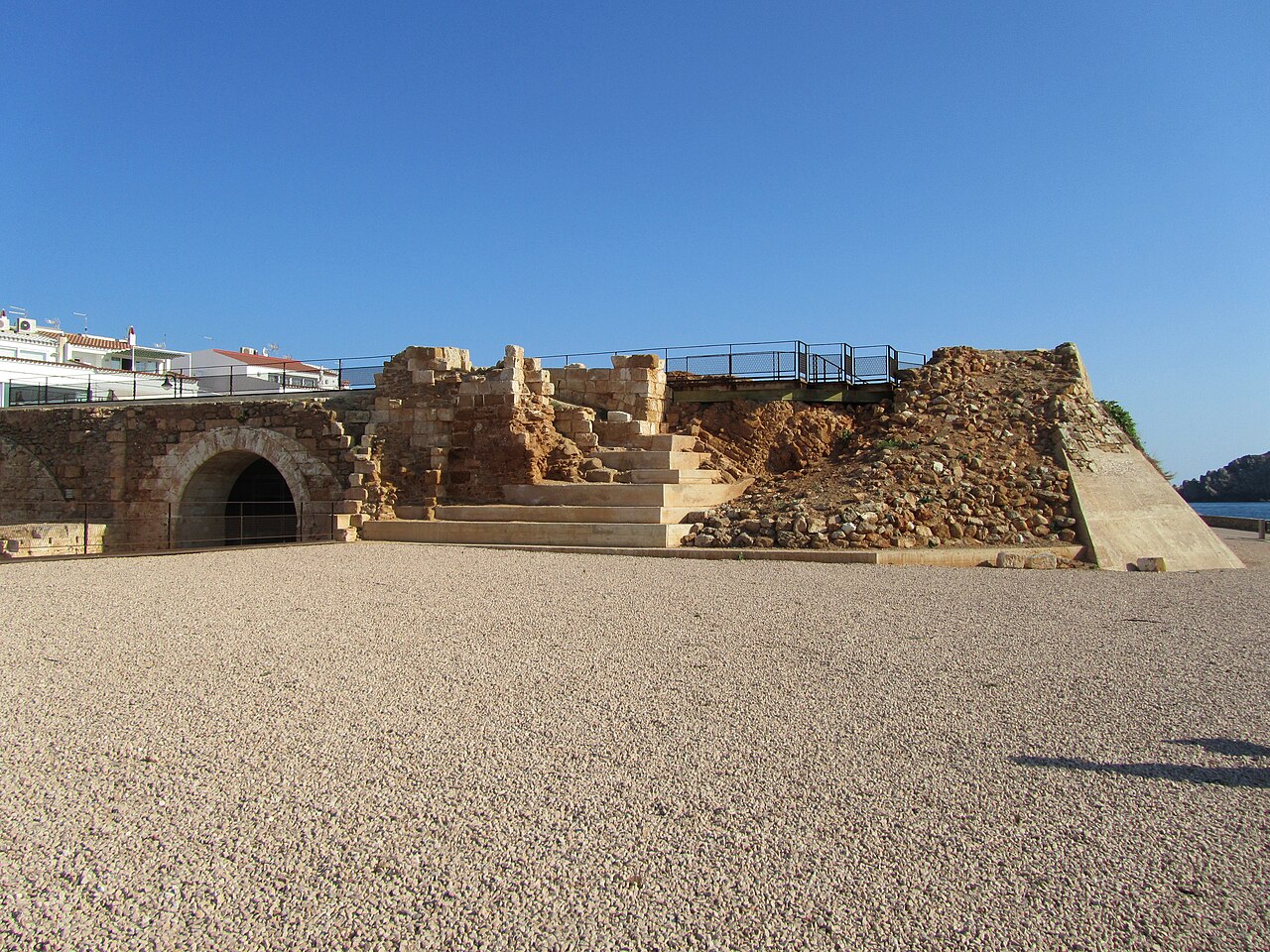
After the British loss in 1781, the castle was partly demolished to prevent its future military use. Over the centuries, it fell into ruin, and today it remains as archaeological ruins that testify to its turbulent history. The site is an important cultural and historical landmark on Menorca, attracting visitors interested in military history and Mediterranean fortifications.
While much of the original structure is no longer intact, the remnants of walls and bastions provide insight into the Renaissance fortress design and the strategic importance of the port of Mahón. Preservation efforts focus on maintaining the ruins and interpreting the site for educational and heritage tourism purposes.
Visiting St. Philip's Castle
The castle ruins are accessible to the public and offer panoramic views of the port and surrounding landscape. Visitors can explore the remains of the fortifications and learn about the site's role in the military history of Menorca through onsite information panels and guided tours available during the tourist season.
The site is a valuable destination for those interested in historic military architecture, 18th-century warfare, and the complex history of Mediterranean colonial powers.
Frequently asked questions (FAQ)
- How do I get to St. Philip's Castle?
- St. Philip's Castle is located in Es Castell, Spain, and can be easily accessed by car, public transport, or on foot from nearby towns. There are parking facilities available for those driving. If you're traveling by bus, check the local schedules to find the most convenient route.
- What are the opening hours of St. Philip's Castle?
- St. Philip's Castle is typically open to visitors from 10 AM to 6 PM, but these hours may vary seasonally. It’s advisable to check the official website or local tourist information for the most current opening times before your visit. Consider visiting during weekdays for a quieter experience.
- When was St. Philip's Castle built?
- St. Philip's Castle was constructed in the late 18th century, specifically between 1793 and 1801, to defend the port of Mahón. Its strategic location highlights the importance of military architecture during that period. The castle has witnessed several historical events and has played a key role in the defense of Menorca.
- Can I take a guided tour of St. Philip's Castle?
- Yes, guided tours are available at St. Philip's Castle, providing insights into its rich history and architectural details. These tours are led by knowledgeable guides who can enhance your understanding of the site. Check the castle's website for tour schedules and any associated fees.
- Why is St. Philip's Castle considered historically significant?
- St. Philip's Castle is significant for its role in the defense of Menorca during various conflicts, particularly in the 18th and 19th centuries. The castle showcases the military architecture of the era and reflects the strategic importance of the island. It also serves as a reminder of the diverse cultural influences that have shaped Menorca.
- Is it possible to visit nearby attractions after touring St. Philip's Castle?
- Absolutely! After visiting St. Philip's Castle, you can explore nearby attractions such as the picturesque town of Es Castell and the vibrant port of Mahón. There are also several beautiful beaches and natural sites in the area, making it easy to spend a full day enjoying the local culture and scenery.
- What are the ticket prices for St. Philip's Castle?
- Ticket prices for St. Philip's Castle are generally affordable, with discounts available for students and seniors. Children under a certain age may enter for free. It's best to check the official website for the latest pricing information and any special offers.
- What is the best time to visit St. Philip's Castle?
- The best time to visit St. Philip's Castle is during the spring and early fall when the weather is mild and pleasant. This allows for a comfortable exploration of the castle and its surroundings without the summer crowds. Additionally, visiting during these seasons provides beautiful views of the landscape.
- Is St. Philip's Castle accessible for visitors with disabilities?
- St. Philip's Castle strives to be accessible for all visitors, including those with disabilities. While some areas may have limitations due to the historical nature of the site, efforts are made to accommodate visitors' needs. It is advisable to contact the castle in advance to inquire about specific accessibility options and facilities available.
Photo gallery

Information
Current owner
Municipality of Es Castell
Loading map...
Visitor reviews
No reviews yet. Been here? Write the first review and help other travelers!
Write the first reviewVisited this castle? Share your experience
Your review helps other travelers and adds first-hand knowledge to our encyclopedia.