Torre de la Parada
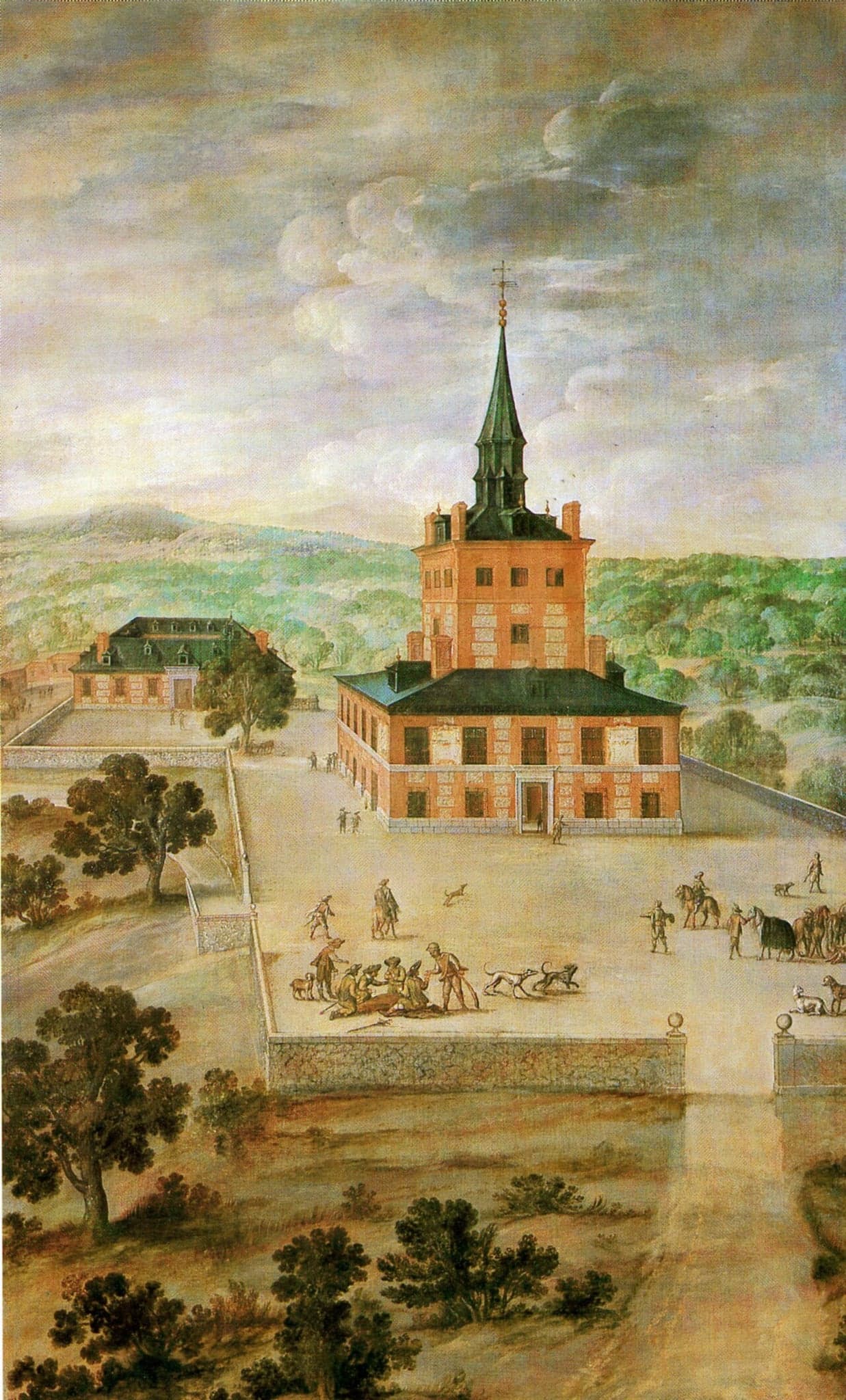
The Torre de la Parada is a historically significant Renaissance hunting lodge situated in the Monte de El Pardo within the Fuencarral-El Pardo district, just outside Madrid, Spain. Originally constructed in the 16th century, this lodge served as a royal retreat for hunting expeditions in the Sierra de Guadarrama mountains, near the Royal Palace of El Pardo. Its location was chosen for the abundant game and the scenic natural surroundings, making it an ideal hunting residence for Spanish monarchs.
Architectural design and renaissance features
The Torre de la Parada was built reflecting the Renaissance architectural style, characterized by symmetry, proportion, and the revival of classical elements. As a hunting lodge rather than a fortified castle, its design focused on comfort and aesthetics rather than military defense. The structure likely included elegant living quarters, galleries, and decorative elements that aligned with the tastes of the Spanish royal court of the time.
Historical records suggest that the lodge was richly decorated with artworks and frescoes, possibly commissioned by King Philip IV of Spain, who was known for his patronage of the arts. The lodge’s interiors were reputed to have included works by prominent artists, making it not only a hunting retreat but also a cultural venue.
Historical context and significance
The Torre de la Parada played a notable role during the War of Spanish Succession (1701-1714). In 1714, the lodge was seized and largely destroyed by fire during a military campaign by Austrian troops, which marked the end of its use as a royal hunting retreat. The destruction left the site in ruins, and it has remained so since, serving as an archaeological site that offers insight into 16th-century royal leisure architecture and court life.
Its proximity to the Royal Palace of El Pardo linked it closely to the Spanish monarchy's activities and leisure pursuits. The lodge reflects the lifestyle and interests of the Spanish crown during the Renaissance and early Baroque periods, highlighting the importance of hunting as a royal pastime.
Current condition and archaeological importance
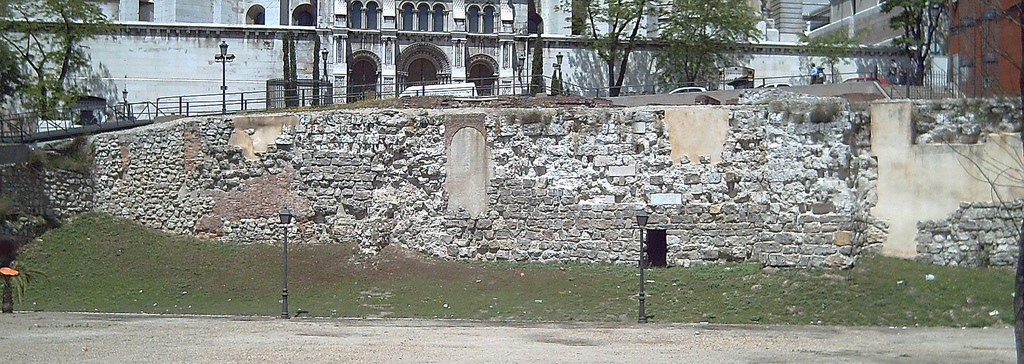
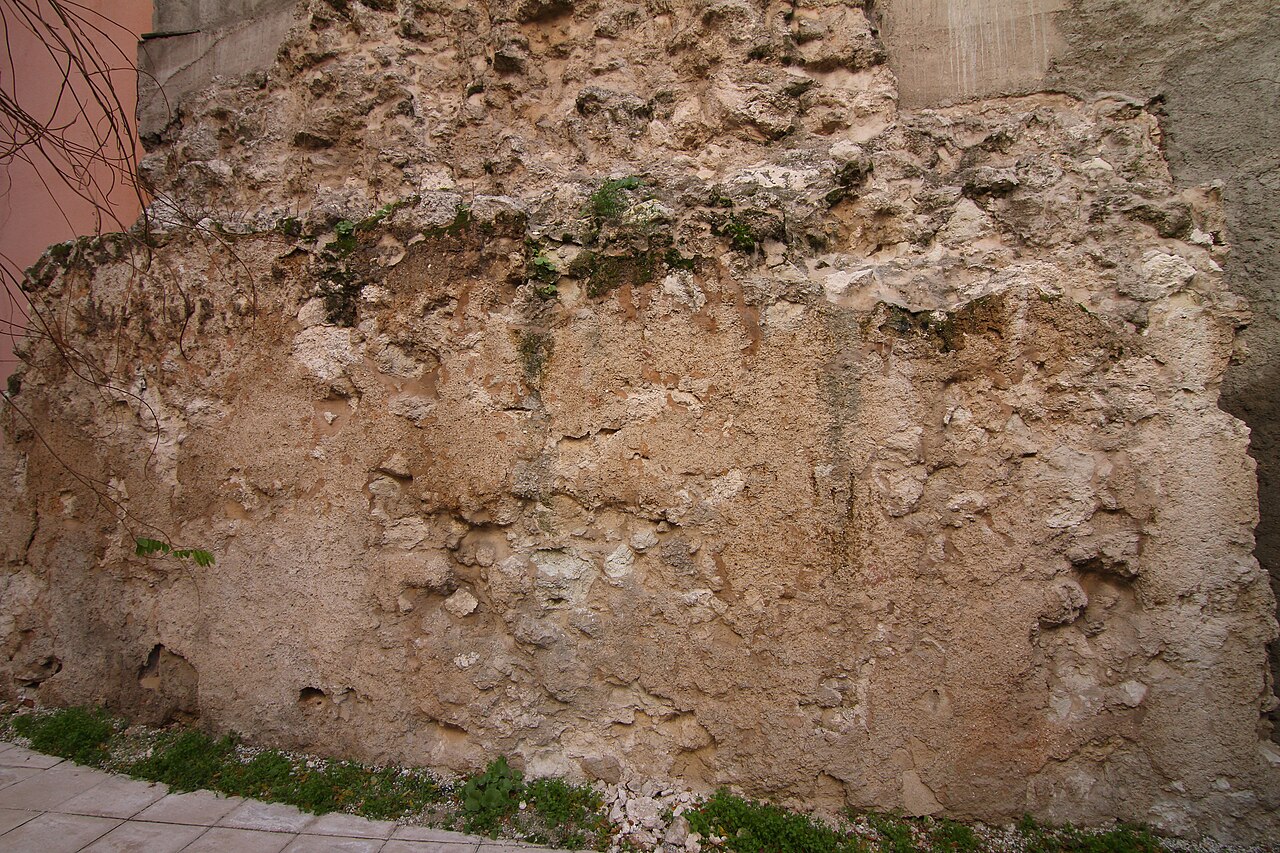
Today, the Torre de la Parada exists as archaeological ruins, with only remnants of its original structure visible amid the natural landscape of Monte de El Pardo. The site is valued for its historical and cultural significance, providing researchers and visitors with a tangible connection to Spain's Renaissance period and royal heritage.
While the ruins are not extensively restored, they are protected as part of Spain's cultural patrimony. The site offers opportunities for archaeological study, helping to uncover details about Renaissance architecture, royal hunting culture, and the impact of early 18th-century conflicts on royal properties.
Visiting the torre de la parada
Though the Torre de la Parada is not a fully restored castle or palace, it attracts visitors interested in history, architecture, and nature. The surrounding Monte de El Pardo area provides a scenic backdrop for exploring the ruins and understanding their historical context within the broader landscape of royal Spain.
Visitors should be aware that the site is primarily ruins and archaeological remains, so facilities may be limited. It is advisable to check local access conditions and guided tour availability for a more informative visit.
Nearby attractions and historical sites
The proximity to the Royal Palace of El Pardo allows visitors to combine a trip to the lodge ruins with a visit to this well-preserved royal residence, which offers extensive historical exhibits and gardens. The Sierra de Guadarrama mountains nearby provide additional opportunities for hiking and nature exploration, enriching the cultural and natural experience of the area.
Frequently asked questions (FAQ)
- What is Torre de la Parada known for?
- Torre de la Parada is renowned for its historical significance as a royal hunting lodge built during the 17th century. It features exquisite architecture and was a favorite retreat for Spanish royalty, particularly King Philip IV, who used it as a place for leisure and entertainment.
- When was Torre de la Parada constructed?
- The construction of Torre de la Parada began in 1635 and was completed in 1640. Its design reflects the Mannerist style popular in Spain during that time, making it a significant architectural landmark.
- Can I visit Torre de la Parada?
- Yes, Torre de la Parada is open to visitors, allowing you to explore its beautiful architecture and learn about its historical significance. It’s advisable to check the official website for any visitor guidelines or restrictions before planning your visit.
- What are the opening hours for Torre de la Parada?
- Torre de la Parada is typically open to the public from 10 AM to 6 PM on weekdays and from 10 AM to 8 PM on weekends. However, these hours may vary depending on the season or special events, so it's best to confirm in advance.
- Is there an entrance fee to visit Torre de la Parada?
- Yes, there is a nominal entrance fee to access Torre de la Parada, which helps maintain the site and support its preservation. Discounts may be available for students, seniors, and children, so be sure to inquire at the ticket counter.
- What is the best time to visit Torre de la Parada?
- The best time to visit Torre de la Parada is during the spring and fall when the weather is mild and ideal for exploring the grounds. Additionally, these seasons often have fewer tourists, allowing for a more relaxing experience.
- Are there any nearby attractions to visit while at Torre de la Parada?
- Yes, nearby attractions include El Escorial and the picturesque town of San Lorenzo de El Escorial, both rich in history and architecture. These sites can easily complement your visit to Torre de la Parada, making for a full day of exploration.
- Is Torre de la Parada accessible for individuals with disabilities?
- Torre de la Parada strives to be accessible to all visitors, featuring ramps and other accommodations for those with mobility challenges. It is recommended to contact the site in advance to confirm specific accessibility features and services available during your visit.
Photo gallery

Photo by Felix Castello•Public domain
Information
Address
Monte de El Pardo, Fuencarral-El Pardo, Madrid, Spain
Loading map...
Visitor reviews
No reviews yet. Been here? Write the first review and help other travelers!
Write the first reviewVisited this castle? Share your experience
Your review helps other travelers and adds first-hand knowledge to our encyclopedia.