Torre de Fornells — Spain castle

Torre de Fornells

Torre de Fornells: 19th-century bastioned fortress in Spain
Modern (19th–20th c.)
Well Preserved

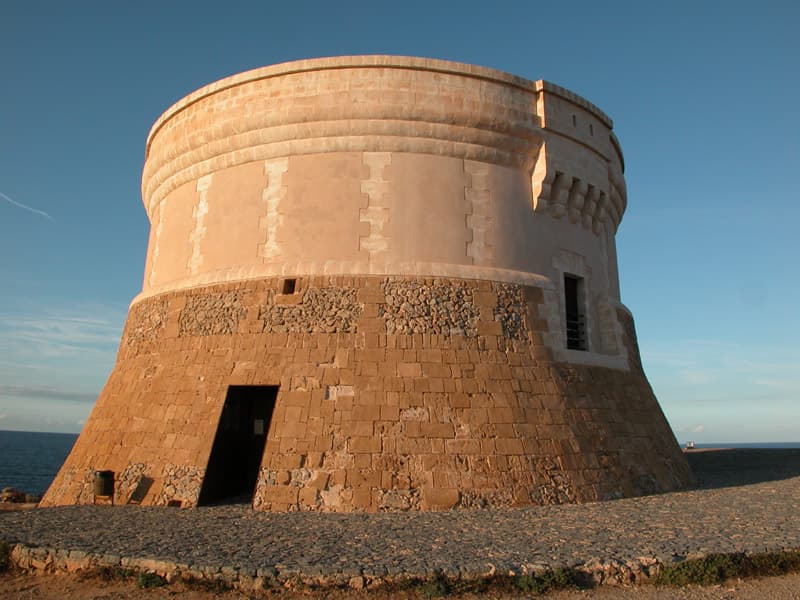
Torre de Fornells is a prominent example of a 19th-century bastioned fortress located in Spain, designed primarily for coastal defense during the Modern period. This fortress showcases the military architectural evolution that responded to the advances in artillery and naval warfare of its time.

Historical context and strategic importance

Constructed in the 19th century, the Torre de Fornells was part of a wider network of fortifications aimed at protecting key maritime points along the Spanish coast. Its location was carefully chosen to oversee and defend important sea routes from potential naval incursions. The fortress played a role in Spain's efforts to modernize its coastal defenses during a time when European powers were enhancing their military infrastructure in response to changing geopolitical threats.

Architectural design and features

The Torre de Fornells is classified as a bastioned fortress, a style characterized by angular bastions projecting outward from the main walls, which allowed defenders to cover adjacent walls with overlapping fields of fire. This design was particularly effective against artillery bombardment and infantry assaults, reflecting the military engineering principles of the Modern period.

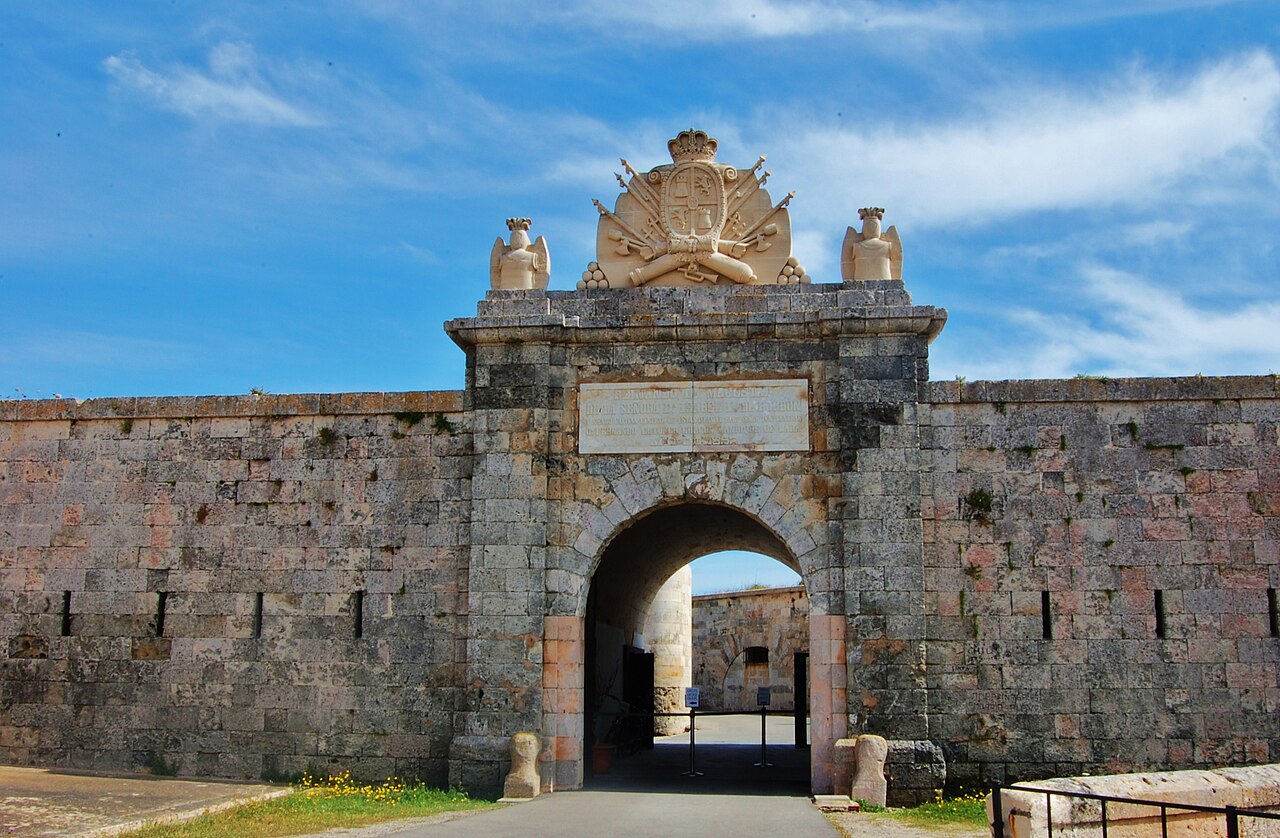
The fortress features robust stone walls and bastions that form a star-shaped layout, typical of bastioned fortifications. The walls are thick and angled to deflect cannonballs, and the bastions provide platforms for mounting artillery pieces. The design maximizes defensive capabilities by eliminating blind spots and allowing for crossfire.

Additional architectural elements include a moat or ditch surrounding the fortress, enhancing its defensive perimeter. The entrance is typically fortified with a gatehouse and possibly a drawbridge or other defensive mechanisms to control access.

Construction and materials

The fortress was built using locally sourced stone and masonry, materials chosen for their durability and resistance to artillery fire. The construction techniques reflect the engineering knowledge of the 19th century, combining traditional masonry with adaptations for modern military needs.

Current condition and preservation

Today, Torre de Fornells remains in a well-preserved state, allowing visitors to appreciate its architectural features and understand its historical role. Preservation efforts have focused on maintaining the integrity of the bastions and walls, ensuring the fortress continues to stand as a significant cultural and historical landmark.

Visiting Torre de Fornells

The fortress is accessible to the public, offering an opportunity to explore a key example of Modern period military architecture in Spain. Visitors can walk along the bastions, view the strategic vantage points, and learn about the fortress's role in coastal defense through informational displays.

Architectural highlights for visitors

  • Star-shaped bastions that demonstrate advanced defensive design.
  • Thick stone walls built to withstand artillery fire.
  • Strategic location overlooking important maritime routes.
  • Defensive moat enhancing the fortress's security.

Historical significance

Torre de Fornells represents the adaptation of military architecture to new technologies and threats in the 19th century. It is a physical reminder of Spain's efforts to protect its coastline during a period of significant military and political change in Europe.

Frequently asked questions

  • When was Torre de Fornells built? It was constructed in the 19th century during the Modern period to strengthen coastal defenses.
  • What type of castle is Torre de Fornells? It is a bastioned fortress designed for artillery defense.
  • Is Torre de Fornells open to visitors? Yes, the fortress is accessible to the public for tours and exploration.
  • What architectural features are notable? The star-shaped bastions, thick walls, and defensive moat are key features.
  • Where is Torre de Fornells located? It is located in Spain, strategically positioned on the coast.

Frequently asked questions (FAQ)

How do I get to Torre de Fornells?
Torre de Fornells is located in the northern part of Menorca, Spain. You can reach it by car or public transport, with the nearest town being Fornells, which is well connected to other areas on the island. Parking is available nearby, making it convenient for visitors.
What is the historical significance of Torre de Fornells?
Torre de Fornells was built in the late 17th century as a defense against pirate attacks. It served as a lookout point and played a crucial role in the island's coastal defense system. Today, it stands as a symbol of Menorca's rich maritime history.
When was Torre de Fornells built?
Construction of Torre de Fornells began in 1801 and was completed in 1802. It was part of a series of coastal fortifications established during the British occupation of Menorca. The tower has undergone various restorations to preserve its historical integrity.
Can I enter Torre de Fornells?
Yes, visitors are allowed to explore the exterior of Torre de Fornells and enjoy the stunning views from the top. However, interior access may be limited depending on ongoing preservation efforts. It's recommended to check in advance for any updates on accessibility.
Why is Torre de Fornells a popular tourist attraction?
Torre de Fornells is popular due to its picturesque location and historical significance. The tower offers breathtaking panoramic views of the surrounding coastline and the Mediterranean Sea, making it a favored spot for photography and sightseeing. Additionally, its rich history appeals to history enthusiasts.
Is it possible to visit Torre de Fornells year-round?
Yes, Torre de Fornells is open to visitors throughout the year, although opening hours may vary seasonally. During the summer months, it is typically open from 10 AM to 7 PM, while winter hours may be shorter. It's advisable to check local listings for the most accurate information.
What are the ticket prices for Torre de Fornells?
Admission to Torre de Fornells is generally free, allowing visitors to enjoy this historical site without any cost. However, guided tours or special events may have associated fees. Always verify current pricing information before planning your visit.
When is the best time to visit Torre de Fornells?
The best time to visit Torre de Fornells is during the spring and early autumn months when the weather is mild and pleasant. Summer can be crowded with tourists, while winter may bring cooler temperatures. Visiting in the shoulder seasons allows for a more enjoyable experience.
Are there any nearby attractions to Torre de Fornells?
Yes, several attractions are located near Torre de Fornells, including the charming village of Fornells, known for its seafood restaurants and beautiful beaches. The nearby Cap de Cavalleria offers stunning natural landscapes and hiking opportunities. Visitors can also explore the historic sites and natural parks in the area.

Photo gallery

Torre de Fornells
Click to view

Photo by Carles garcia-roca•Public domain

1 photo • Click any image to view in full screen

Information

Bastioned Fortress

Loading map...

Visitor reviews

No reviews yet. Been here? Write the first review and help other travelers!

Write the first review

Visited this castle? Share your experience

Your review helps other travelers and adds first-hand knowledge to our encyclopedia.
Write a review

(5/5)

0/2000 characters

Your review will be visible after admin approval

Nearby castles

0.5 km
Sant Antoni Castle — Spain castle

Sant Antoni Castle

Fornells, Spain

The Sant Antoni Castle, also known as Castell de Sant Antoni in Catalan and Castillo de San Antonio in Spanish, is a historically significant 17th-century fortress located in the village of Fornells, within the municipality of Es Mercadal on the island of Menorca, Spain. This hill castle was strategically constructed in the Renaissance period to protect the natural harbor of Fornells, which facilitated maritime activities and fostered the growth of the surrounding settlement. The castle's establishment directly contributed to the birth and development of the town of Fornells, highlighting its importance beyond military defense. Historical context and significance Constructed in the 17th century, Sant Antoni Castle was part of a network of fortifications built during a period marked by frequent conflicts over control of the Balearic Islands, especially between Spanish and British forces. The castle's primary function was to defend the harbor and the northern coast of Menorca from naval threats and pirate incursions. Its location on a hill overlooking the harbor offered commanding views, essential for early warning and defense. Following the British occupation of Menorca in the 18th century, the castle, along with other fortifications such as the nearby St. Philip's Castle, was dismantled by the Spanish authorities after regaining control. This dismantling was part of a broader military strategy to prevent these fortifications from being used again by foreign powers. Consequently, today only ruins remain of Sant Antoni Castle, bearing witness to its historical military role and the turbulent history of the island. Architectural features and layout While much of the original structure of Sant Antoni Castle has been lost, historical records and remaining ruins indicate that it was a typical Renaissance hill castle designed with defensive features suited to the era. The castle likely included thick stone walls, bastions for artillery placement, and a central courtyard that served as the operational heart of the fortress. Its elevated position provided strategic advantages, allowing defenders to monitor and control access to the harbor. Adjacent to the castle is the Fornells Tower, a smaller defensive structure built to complement the castle's defense system. The tower functioned as an early warning post and a protective outpost to guard against enemy approaches, especially from the sea. Together, these fortifications formed an integrated defensive network crucial for the security of Fornells and its harbor. The castle's role in local development The construction of Sant Antoni Castle was a catalyst for the establishment and growth of the village of Fornells. As the fortress secured the harbor, it encouraged maritime trade and fishing activities, which became the economic backbone of the community. The protection offered by the castle allowed the population to settle and expand around this strategic coastal point. Over time, Fornells evolved from a small harbor settlement into a vibrant village with a rich maritime heritage. The castle's presence played a central role in shaping the identity and historical trajectory of this part of Menorca. Present condition and cultural importance Today, Sant Antoni Castle exists primarily as archaeological ruins. The dismantling after the British period left only fragments of the original fortress, but these remains continue to attract visitors interested in the military history and cultural heritage of Menorca. The site offers insights into the island's strategic importance in Mediterranean conflicts during the Renaissance and early modern periods. The proximity of the Fornells Tower enhances the historical landscape, allowing visitors to appreciate the integrated defensive system that once protected the harbor. Both sites are important for understanding the military architecture and regional history of Menorca. Visiting Sant Antoni Castle and surroundings Visitors to Sant Antoni Castle can explore the ruins and enjoy panoramic views of the Fornells harbor and the surrounding landscape. The area is accessible and offers a glimpse into the island's past military strategies and coastal defenses. Nearby, the Fornells Tower provides additional context and a well-preserved example of a coastal watchtower. The castle ruins and tower are part of Menorca's rich cultural tourism offerings, attracting those interested in history, architecture, and Mediterranean maritime heritage.

Renaissance (15th–17th c.)
Details
11.1 km
Santa Àgueda Castle — Spain castle

Santa Àgueda Castle

Ferreries, Spain

Santa Àgueda Castle stands as a monumental testament to the complex historical tapestry of Menorca, Spain. Perched atop an elongated plateau near the town of Ferreries, this hill castle commands sweeping views of the surrounding landscape, underscoring its strategic importance through the ages. The castle's location has been a focal point of occupation since prehistoric times, evolving through Roman, Muslim, and Christian influences, each leaving indelible marks on its structure and legacy. Ancient origins and roman influence The site of Santa Àgueda Castle reveals a layered history beginning with the prehistoric Talaiot culture during the Iron Age, which first recognized the defensive potential of this elevated terrain. Archaeological findings confirm that the Romans later utilized the location, as evidenced by the discovery of Roman pottery and coins. The construction of an ancient Roman road leading up to the summit suggests the presence of a military camp or fortified outpost, establishing the site as a key strategic point in the Roman period. Muslim fortification and architectural evolution The fortress that largely defines Santa Àgueda today was originally constructed by Muslim rulers during the High Medieval period, likely in the 10th or 11th century. Built upon an earlier Roman castra, the castle's initial design reflected typical Moorish military architecture characterized by a polygonal layout and robust defensive towers. The central section of the castle spans approximately 1.5 hectares and features a distinctive seven-sided plan with sixteen round towers, some measuring between four to six meters in diameter. Over time, some round towers were replaced with square ones, indicating architectural adaptations responsive to evolving military needs. The castle was expanded during the rule of the Almoravid dynasty in the late 11th and 12th centuries, and further enhanced under the Almohads in the 13th century. The latter period saw the addition of the Casa d’Armes, an armory complex occupying about 0.8 hectares with an irregular shape stretching 155 meters in length. This addition underscores the castle's role as a fortified military hub during the turbulent period leading up to the Christian reconquest. Defensive features and water systems Santa Àgueda's fortifications include a prominent central donjon or keep, which served as the last defensive refuge within the castle. The fortress is divided into three main sections: the central polygonal core, a large northwestern wing, and the northeastern armory. The northwestern section, measuring approximately 275 by 80 meters, encloses nearly 2.8 hectares and contains an advanced water supply system with two large cisterns. These cisterns, measuring roughly 28 by 6 meters and 15 by 9 meters respectively, feature remnants of masonry and tiles, illustrating sophisticated medieval engineering to sustain the garrison during sieges. Access to the castle was controlled through the northwestern wing, reached by a winding path that preserves remnants of the original Roman road, highlighting the continuity of strategic access routes over centuries. Christian conquest and subsequent history In 1287, King Alfonso III of Aragon launched a campaign to conquer Menorca, with Santa Àgueda Castle serving as the final bastion of Muslim resistance. The emir Abu Umar ibn Said sought refuge within its walls before surrendering, marking the end of Muslim rule on the island. Following the conquest, Menorca was incorporated into the Crown of Aragon, transforming the castle's political and cultural context. The fortress sustained damage after its capture, particularly from partial demolition ordered around 1343 by King Peter IV of Aragon, Alfonso III's grand-nephew. Despite this, the site retained religious significance when Eleonora of Aragon, Peter IV's daughter, established a chapel dedicated to Saint Agatha of Catania within the ruins. This chapel became the focal point of an annual pilgrimage celebrated every February 5th, cementing the castle's spiritual legacy and influencing its modern name, Santa Àgueda. Architectural remains and cultural significance Today, Santa Àgueda Castle occupies roughly five hectares on its hilltop, divided into the three adjoining sections that reflect its historical phases. Though the castle is in a state of partially preserved ruins, its surviving masonry, towers, cisterns, and segments of the ancient Roman road provide a tangible connection to its layered past. The central polygonal section with its original towers and donjon reveals the castle's Moorish architectural heritage, while the large northwestern wing and northeastern armory illustrate medieval expansions and adaptations. The absence of the chapel today contrasts with its historical role as a religious site, yet the castle remains a cultural landmark on Menorca. Local folklore enriches the castle's mystique, including legends of a hidden golden calf statue beneath its walls, adding a mythical dimension to its historical narrative. The site's recognition as a cultural heritage monument in the late 20th century has ensured its protection and public ownership, allowing visitors to explore its evocative ruins and appreciate its significance in Mediterranean history. Visiting santa àgueda castle Santa Àgueda Castle is accessible by hiking trails that ascend the plateau, offering visitors a chance to experience its commanding views and historic atmosphere firsthand. The preservation of the Roman road path enhances the journey, connecting visitors with the site's ancient origins. Interpretive signage and local guides provide insights into the castle's architectural features and historical episodes, enriching the visitor experience. While the castle remains a ruin, its evocative remains and panoramic vistas make it a compelling destination for those interested in medieval fortifications, Moorish architecture, and the history of the Balearic Islands. The annual pilgrimage to honor Saint Agatha, though no longer centered at the castle, continues to reflect the enduring cultural resonance of this historic site.

High Medieval (11th–13th c.)
Details
26 km
Mola Fortress — Spain castle

Mola Fortress

Mahón, Spain

Mola Fortress, also known as the Isabela II Fortress, is a significant 19th-century bastioned fortress located on the Mola peninsula at the entrance to the port of Mahón on the island of Menorca, Spain. This fortress stands opposite the Castillo de San Felipe, which guards the port's entrance from the other side, together forming a strategic defense system for one of the Mediterranean's most important natural harbors. The fortress derives its name from Queen Isabella II of Spain, who commissioned its construction in the mid-19th century as part of a broader effort to modernize Spain's coastal defenses. Construction began around the 1850s and continued through the latter half of the century, reflecting the military architectural advancements of the Modern period. Strategic location and historical context The Mola peninsula occupies the easternmost point of Spain and commands a commanding position over the port of Mahón, one of the largest natural harbors in the Mediterranean. This location made it a critical military and naval asset, especially during the 18th and 19th centuries when control of Mediterranean naval routes was vital. The fortress was built to complement the defenses provided by the Castillo de San Felipe on the opposite side of the harbor entrance, creating a crossfire zone that could effectively prevent enemy ships from entering the port. This defensive arrangement was crucial during periods of conflict, including the Napoleonic Wars and later tensions involving British and Spanish forces. Architectural design and features Mola Fortress is a classic example of a bastioned fortress, a design that evolved from the trace italienne style of fortification. The fortress features extensive thick stone walls with angular bastions projecting outward to allow defensive artillery to cover all approaches without blind spots. The design incorporates moats, ramparts, and casemates for artillery placements, as well as underground tunnels and magazines for ammunition storage. The fortress's layout is polygonal, maximizing defensive coverage and resilience against artillery bombardment, which had become increasingly powerful by the 19th century. The fortress also includes gates protected by drawbridges and guardhouses, and internal courtyards that served as muster points and logistical centers for the garrison stationed there. The fortifications were constructed using local limestone, which provided both durability and camouflage against the rocky terrain. Military significance and historical use Throughout its history, Mola Fortress played a key role in the defense of Menorca and the broader Balearic Islands. It was part of Spain's efforts to maintain control over its Mediterranean territories amid frequent conflicts with Britain and France. During the 19th century, the fortress was equipped with modern artillery and garrisoned by Spanish troops. It served as a deterrent against naval incursions and was involved in various military operations, although it saw limited direct combat due to the strategic balance it helped maintain. In the 20th century, the fortress's military relevance declined with changes in warfare and technology, leading to its eventual decommissioning. However, it remains an important cultural and historical monument, representing Spain's military architecture and coastal defense strategy of the Modern period. Current status and visitor experience Today, Mola Fortress is well preserved and accessible to visitors interested in military history and architecture. The site offers extensive views over the port of Mahón and the surrounding sea, highlighting its strategic importance. Visitors can explore the fortress's bastions, tunnels, and courtyards, gaining insight into 19th-century military engineering. Interpretive signage and guided tours provide historical context and explain the fortress's role in Spain's coastal defense system. Its location near the easternmost point of Spain adds to its appeal as a destination for those interested in geography and history alike. The fortress is managed as a cultural heritage site, ensuring its preservation for future generations.

Modern (19th–20th c.)
Details