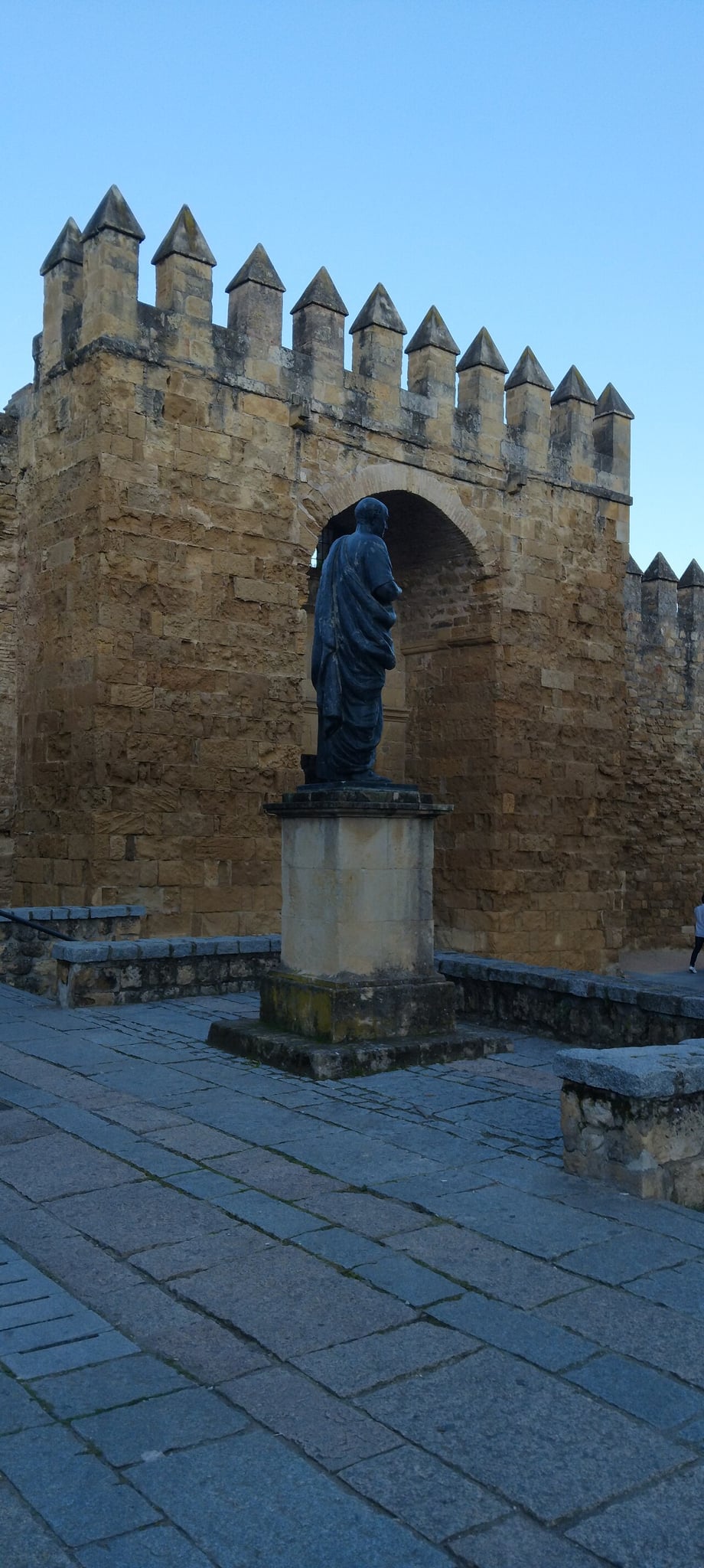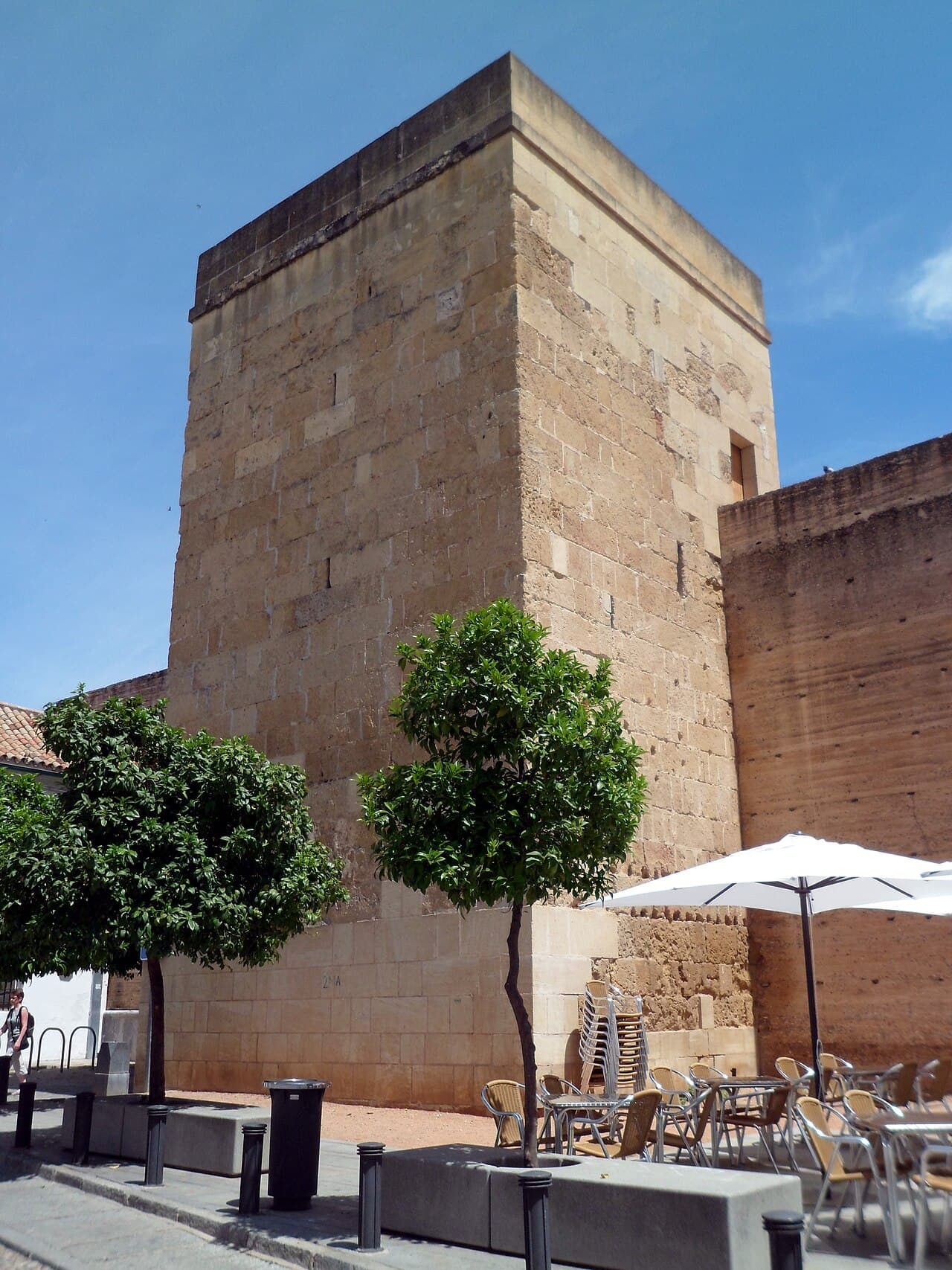
Torre de Belén — Spain castle

Torre de Belén

Torre de Belén in Córdoba, Spain
Córdoba, Spain
Late Medieval (14th–15th c.)
Well Preserved

The Torre de Belén, or Bethlehem Tower, is a significant historical structure located in the San Basilio neighbourhood of Córdoba, Spain. It is an integral part of the Historic centre of Córdoba, which is recognized as a UNESCO World Heritage Site. This tower exemplifies the military architecture associated with the city's defensive walls, serving as a former gate that controlled access to the walled enclosure.

Historical context and significance

The Torre de Belén dates back to the period when Córdoba was a major fortified city, reflecting the military and urban development of the area. It played a crucial role in the city's defense system, guarding one of the key access points through the city walls. The tower's name, which translates to "Bethlehem Tower," is linked to the nearby gate known as the Puerta de Belén, reinforcing its function as a controlled entrance.

The tower and the surrounding walls were part of the broader fortifications that protected Córdoba during the medieval period, particularly under Islamic rule when the city was a prominent center of culture and power in Al-Andalus. The fortifications were later adapted and maintained through subsequent Christian reconquest and beyond, illustrating the layered history of the site.

Architectural features and construction

The Torre de Belén is classified as a bastioned fortress, a type of fortification characterized by angular bastions projecting outward from the main walls. This design allowed defenders to cover adjacent walls with defensive fire, reducing blind spots and improving the stronghold's overall security.

The tower itself served as a fortified gatehouse, with thick stone walls and limited openings designed for defense. Its robust construction includes features typical of military architecture such as battlements, arrow slits, and possibly machicolations, which allowed defenders to repel attackers effectively. The tower's strategic placement at the city walls' edge enabled it to control movement and protect the urban center.

Although the exact construction date is not precisely documented, the tower's style and function suggest it was built or significantly modified during the Late Medieval period, when bastioned fortifications became more common in response to evolving siege technologies.

The tower within the urban fabric of Córdoba

Situated in the San Basilio neighbourhood, the Torre de Belén is part of a complex urban landscape that reflects Córdoba's historical layers. This area of the city is noted for its narrow streets, traditional Andalusian houses, and proximity to other historic landmarks.

The tower's presence contributes to the character of the neighborhood and serves as a tangible link to Córdoba's past as a fortified city. It stands near the remains of the city walls, offering visitors a glimpse into the defensive strategies employed over centuries.

Preservation and current status

Today, the Torre de Belén is well preserved as part of Córdoba's heritage conservation efforts. Its inclusion in the UNESCO World Heritage Site designation highlights its cultural and historical importance. The tower is accessible to the public and often features in guided tours that explore the city's medieval fortifications and historic quarters.

Ongoing preservation work ensures that the tower remains a prominent example of medieval military architecture in southern Spain. It stands as a testament to the city's rich history and the architectural ingenuity of its builders.

Visiting Torre de Belén

Visitors to Córdoba can explore the Torre de Belén as part of walking tours of the historic center. The tower's location in the San Basilio neighborhood makes it accessible and a key point of interest for those interested in the city's defensive past and architectural heritage.

While access inside the tower may be limited, its exterior and surrounding walls offer valuable insights into the city's fortifications. The best time to visit is during daylight hours when the details of the stonework and defensive features are clearly visible.

Frequently asked questions (FAQ)

What is the historical significance of Torre de Belén?
Torre de Belén is a prominent historical landmark in Córdoba, Spain, known for its strategic role during the medieval period. Built in the 15th century, it served as a watchtower and part of the city's defensive system, reflecting the architectural styles of the time and the region's rich history.
When was Torre de Belén constructed?
The construction of Torre de Belén began in the late 15th century, specifically around 1490. This timing coincides with the Reconquista, a pivotal moment in Spanish history, making the castle not only an architectural marvel but also a symbol of the era.
How do I get to Torre de Belén?
Torre de Belén is easily accessible by public transport, with several bus and tram lines connecting to the site. If you prefer walking, it is located within a short distance from many central attractions in Córdoba, making it a convenient stop on your exploration of the city.
What are the opening hours for Torre de Belén?
Torre de Belén is open to visitors daily from 10 AM to 6 PM, with extended hours during the summer months. It's advisable to check for any seasonal changes in hours before your visit, as they may vary.
Can I purchase tickets in advance for Torre de Belén?
Yes, tickets for Torre de Belén can be purchased in advance online, which is recommended during peak tourist seasons. This helps to avoid long lines and ensures you have a guaranteed entry at your preferred time.
Is Torre de Belén accessible for visitors with disabilities?
Yes, Torre de Belén has made efforts to improve accessibility for all visitors. There are ramps and designated pathways to ensure that guests with mobility challenges can explore the site comfortably.
What is the best time to visit Torre de Belén?
The best time to visit Torre de Belén is during the spring and fall when the weather is mild and pleasant. These seasons offer fewer crowds compared to the summer months, allowing for a more enjoyable experience.
Are there any nearby attractions to visit after Torre de Belén?
Yes, after visiting Torre de Belén, you can explore several nearby attractions such as the Alcázar de los Reyes Cristianos and the beautiful gardens of the Parque de la Asomadilla. These sites are within walking distance and offer a deeper insight into the rich history of Córdoba.
What are the ticket prices for Torre de Belén?
Ticket prices for Torre de Belén are generally affordable, with discounts available for students, seniors, and children. It's best to check the official website for the latest pricing information and any available promotional offers.

Photo gallery

Torre de Belén
Click to view

Photo by Américo Toledano•CC BY-SA 3.0

1 photo • Click any image to view in full screen

Information

Bastioned Fortress

Loading map...

Visitor reviews

No reviews yet. Been here? Write the first review and help other travelers!

Write the first review

Visited this castle? Share your experience

Your review helps other travelers and adds first-hand knowledge to our encyclopedia.
Write a review

(5/5)

0/2000 characters

Your review will be visible after admin approval

Nearby castles

0.4 km
Puerta del Puente — Spain castle

Puerta del Puente

Córdoba, Spain

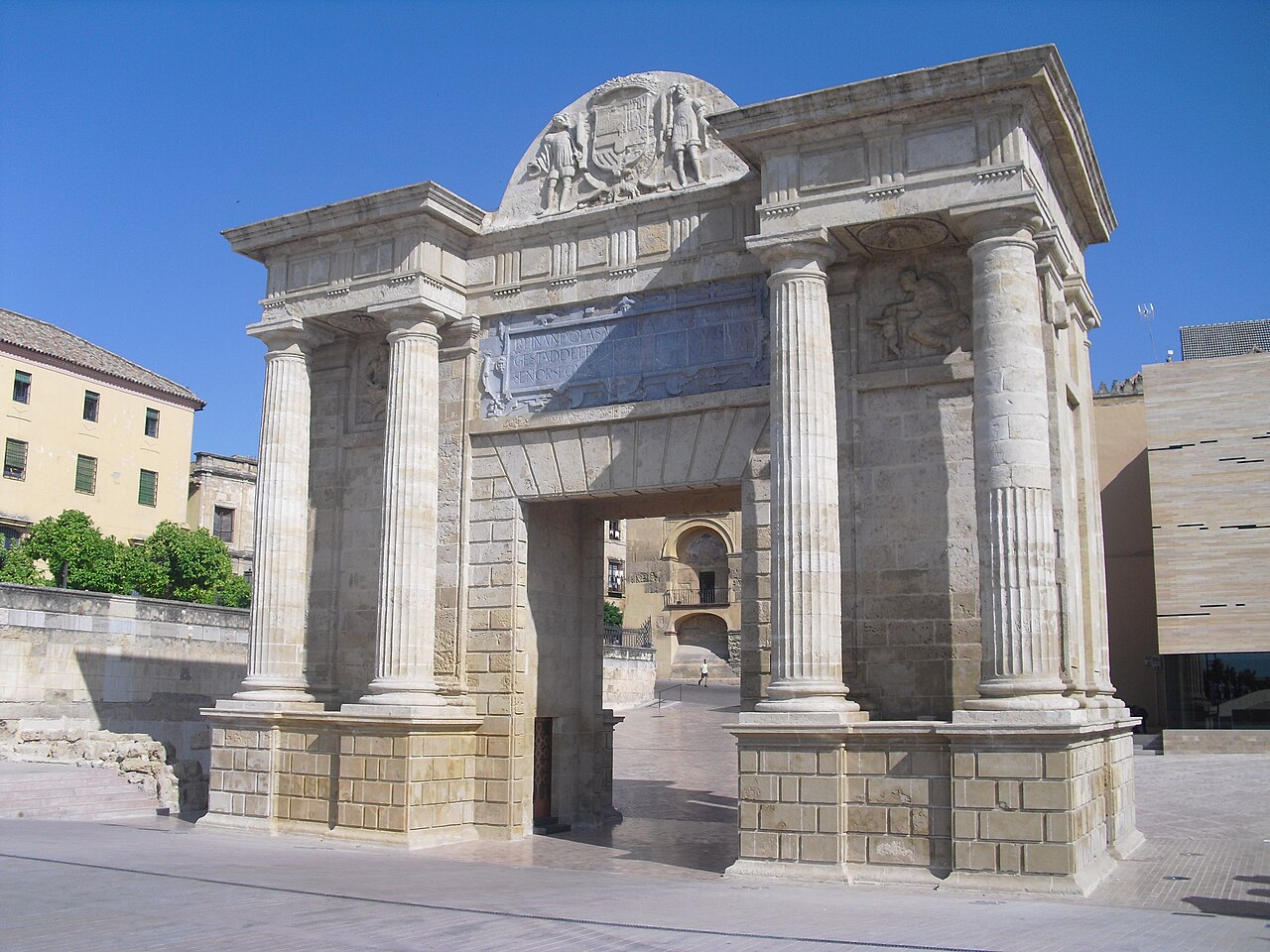
The Puerta del Puente ("Gate of the Bridge") is a notable Renaissance gate located in Córdoba, Andalusia, Spain. Constructed in the 16th century, this gate was built to commemorate a visit by King Philip II and stands on the historic site of earlier Roman gates. It served as a crucial link between the city and the Roman bridge crossing the Guadalquivir River, as well as the ancient Via Augusta, an important Roman road.Historical significance and locationThe Puerta del Puente occupies a strategic position at the entrance to Córdoba from the south, marking the transition from the Roman bridge into the city. Its location on the site of former Roman gates highlights the continuity of urban defense and ceremonial architecture in Córdoba from antiquity through the Renaissance. The gate's construction in the 16th century reflects the city's importance during the reign of Philip II and the Spanish Renaissance's architectural trends.Architectural features and designThis gate exemplifies Renaissance architectural principles, characterized by symmetry, proportion, and classical elements. The structure is built primarily of stone, featuring a central archway flanked by pilasters and topped with decorative cornices and classical motifs. Its design integrates both defensive and ornamental functions, typical of city gates of the period that served as both fortifications and ceremonial entrances.The gate's facade includes sculptural details and inscriptions commemorating King Philip II's visit, emphasizing its role as a monument celebrating royal authority and civic pride. The gate's robust construction also aligns with the characteristics of a bastioned fortress, designed to withstand potential attacks while projecting power.Cultural heritage and preservationSince 1931, the Puerta del Puente has been protected as a Bien de Interés Cultural under the monument category, recognizing its historical and architectural value. It forms part of a trio of significant landmarks alongside the Roman bridge and the Calahorra tower, all contributing to Córdoba's rich heritage.The gate is also included within the boundaries of the historic centre of Córdoba, which was designated a UNESCO World Heritage Site in 1984. This status underscores the gate's importance not only to local history but also to global cultural heritage.The gate in the context of córdoba's urban fabricThe Puerta del Puente functions as a symbolic and physical gateway connecting Córdoba's historic center with the river and beyond. It anchors the southern approach to the city, guiding visitors from the Roman bridge into the heart of Córdoba's medieval and Renaissance urban landscape.Its presence complements other monumental structures in the city, illustrating the layers of history visible in Córdoba's architecture—from Roman through Islamic to Christian periods. The gate's Renaissance style adds to this architectural diversity, showcasing the city's evolution and the influence of Spanish Renaissance design.Visiting the puerta del puenteToday, the Puerta del Puente is accessible to visitors exploring Córdoba's historic center. It stands as a prominent landmark near the Guadalquivir River, offering insights into the city's layered history and architectural heritage. While the gate itself does not function as a castle or fortress open for interior tours, its external form and location provide valuable context for understanding Córdoba's defensive and ceremonial urban elements.Visitors often combine a visit to the Puerta del Puente with nearby attractions such as the Roman bridge, the Calahorra tower, and the Mezquita-Catedral, enriching their experience of Córdoba's rich cultural landscape.

Renaissance (15th–17th c.)
Details
0.4 km
Puerta de Almodóvar — Spain castle

Puerta de Almodóvar

Córdoba, Spain

The Puerta de Almodóvar stands as a significant surviving medieval gate of Córdoba, Spain, with origins tracing back to the 10th century during the Early Medieval period. This gate, of Arabian origin, was an essential access point through the city's Roman walls, serving as a strategic entryway connecting Córdoba with the nearby town of Almodóvar del Río, approximately 23 kilometers away. Its name reflects this historic road, while alternative names such as Gate of Nogal (Bab al-Chawz) and Gate of Badajoz highlight its varied historical identity during the Islamic era in Spain. Historical significance and context The Puerta de Almodóvar is one of only three remaining gates of Córdoba's extensive medieval walls. Alongside the Puerta del Puente and the Seville Gate, it preserves a tangible link to the city's fortified past. Notably, it is the oldest and least altered among these gates, providing a rare glimpse into the original defensive architecture of medieval Córdoba. This gate was part of the city's fortification system during the Islamic rule, reflecting the military and urban planning of the period. Architectural features and design The gate exemplifies characteristics of a bastioned fortress, a classification that denotes its function as a fortified entrance with defensive structures designed to protect the city. Its construction integrates elements typical of Early Medieval Islamic military architecture, including robust stone walls, narrow passageways, and defensive towers or bastions that allowed defenders to control access effectively. The gate's design reflects a synthesis of Roman and Islamic influences, as it was built within the framework of the older Roman walls but adapted to the needs of the period. Structural components The Puerta de Almodóvar features thick stone walls that form a narrow gateway, designed to funnel and restrict entry. Defensive bastions flank the gate, enabling archers and guards to monitor and repel potential attackers. The gate's original wooden doors, likely reinforced with metal, have been replaced or restored over time, but the overall structure retains its historic defensive purpose. The integration of the gate into the city's Roman wall circuit illustrates the layered history of Córdoba's fortifications. Preservation and cultural heritage As part of the historic center of Córdoba, the Puerta de Almodóvar contributes to the area's designation as a UNESCO World Heritage Site since 1984. Its preservation allows visitors and scholars to appreciate the medieval urban fabric and the city's evolution from Roman times through the Islamic period and beyond. The gate's status as the oldest surviving medieval gate in Córdoba makes it a focal point for understanding the city's defensive strategies and architectural heritage. Visitor experience and accessibility Today, the Puerta de Almodóvar is accessible to the public as part of Córdoba's historic district. Visitors can explore the gate's exterior and its immediate surroundings, gaining insight into the city's medieval defenses. While the gate itself is primarily an architectural monument, its location near other historic sites, such as the Mezquita-Catedral de Córdoba, enhances its appeal as part of a broader cultural itinerary. Legacy and influence The Puerta de Almodóvar exemplifies the fusion of Roman and Islamic architectural traditions in Andalusia. Its enduring presence underscores the strategic importance of Córdoba as a cultural and military center during the Early Medieval period. The gate's preservation offers valuable insights into the urban defense mechanisms employed in medieval Spain and the role of city gates in controlling trade and movement.

Early Medieval (5th–10th c.)
Details
1.6 km

Castillo de Belalcazar

Belalcazar, Spain

The castle of Belalcazar stands as a monumental example of late medieval hill castle architecture in the province of Córdoba, Spain. Constructed primarily in the 15th century, this fortress served as the residence of the counts of Belalcazar, influential feudal lords who played a pivotal role in the region's history and architectural heritage. The castle embodies the Late Gothic style, reflecting the patronage and cultural ambitions of its original owners, notably the Sotomayor family. Located strategically atop a hill overlooking the town of Belalcazar, the castle's site has a layered history of occupation. Before the current Gothic fortress was built, the location hosted a Roman fortress and later a Muslim fortification, remnants of which are still visible in the castle's outer walls. These earlier defensive structures included towers that guarded the nearby Caganchas stream, underscoring the site's longstanding military importance. Historical context and construction The construction of the present castle began around 1450, following a royal grant by King Juan II of Castile to Gutierre de Sotomayor, Master of the Order of Alcántara. Sotomayor initiated the building of this fortress as the seat for the Counts of Belalcazar, consolidating their feudal authority and influence in the region. This period marked a transition in castle architecture, blending military functionality with residential comfort and aesthetic considerations characteristic of the Late Gothic era. The castle complex was further enhanced in the 16th century with the addition of a Renaissance palace adjacent to the fortress. This extension was designed under the guidance of the notable architect Hernán Ruiz I and executed by local craftsmen. The palace incorporated Plateresque-style window frames and humanist symbolism, reflecting the Renaissance artistic currents that were spreading across Spain at the time. Although the palace now lies in ruins, its decorative elements remain significant for understanding the evolution of the site. Architectural features and layout Outer walls and towers The castle covers approximately 2.5 hectares and is enclosed by an irregular perimeter wall that adapts to the natural contours of the hill. Originally, this wall was fortified with up to 21 towers, predominantly of the tower-buttress type, providing robust defensive capabilities. Notable among these are the Torre de los Vargas, a coracha tower positioned near the stream, and an albarrana tower connected to the main wall by a large semicircular arch spanning eight meters, a distinctive feature enhancing the castle's defense. Main fortress and keep The central fortress is characterized by a square layout with thick granite ashlar masonry walls, demonstrating the use of durable local materials. At each side and corner of the fortress stand eight prism-shaped towers, which are topped with a continuous row of modillions, small decorative brackets that add a refined Gothic detail to the battlements. The most remarkable architectural element is the eastern keep or torre del homenaje, which rises to an impressive height of 47 meters, making it the tallest keep in the Iberian Peninsula. The keep's design is unique, with its lower two-thirds forming a square plan with rounded corners, transitioning in the upper third to a cylindrical shape supported by stepped pyramidal elements. Surrounding the keep are eight semicylindrical bartizans, small overhanging turrets that alternate in size and are richly decorated with Flamboyant Gothic corbels. These bartizans prominently display the coats of arms of the Sotomayor family, symbolizing their noble lineage and authority. Interior spaces and additional structures Inside the castle, visitors find a large courtyard featuring arcaded galleries that once served as a social and administrative center. The fortress also contains a well-preserved underground dungeon, a cistern for water storage, and stables, highlighting the castle's self-sufficiency during sieges or prolonged occupancy. The adjoining Renaissance palace, although now in a state of ruin, retains significant architectural details such as Plateresque window frames comparable to those in the sacristy of San Juan Bautista in Hinojosa del Duque. This palace reflects the cultural shift towards Renaissance humanism and artistic expression within the fortified complex. Damage, decline, and conservation efforts The castle suffered considerable damage during the Peninsular War in the early 19th century when French troops occupied the fortress. They repurposed it as a warehouse and inflicted artillery damage that contributed to its deterioration. Over time, neglect further compromised the structural integrity of the castle. In 2008, the Andalusian government acquired the property and initiated comprehensive conservation and restoration efforts. These works have focused on stabilizing the walls and towers, repairing collapsed sections with materials distinguishable from the original to maintain historical authenticity, and protecting roofs using lime concrete and waterproof mortars. Restoration also addressed interior architectural elements such as vaults, lintels, machicolations, and the bases of bartizans on the keep. A visitor walkway now leads to the terrace of the keep, providing panoramic views of the surrounding landscape and the town of Belalcazar. Additionally, an adjacent labor house has been adapted as a visitor reception center, carefully preserving its external appearance to blend harmoniously with the historic environment. Cultural significance and visitor experience The castle of Belalcazar is not only a remarkable example of late medieval military architecture but also a testament to the cultural and political history of the Córdoba region. Its imposing keep, extensive fortifications, and Renaissance additions illustrate the evolution of castle design from purely defensive structures to symbols of noble prestige and artistic patronage. Today, the castle attracts visitors interested in medieval and Renaissance architecture, Spanish history, and heritage conservation. The site offers educational opportunities through guided tours, interpretive signage, and exhibitions that explain the castle's historical context, architectural features, and restoration processes. Visitors can explore the castle's battlements, towers, and interior spaces, enjoying sweeping views and a tangible connection to the past. The castle's preservation ensures that future generations can appreciate this iconic symbol of feudal power and architectural innovation in southern Spain.

Late Medieval (14th–15th c.)
Details