Puerta de Almodóvar
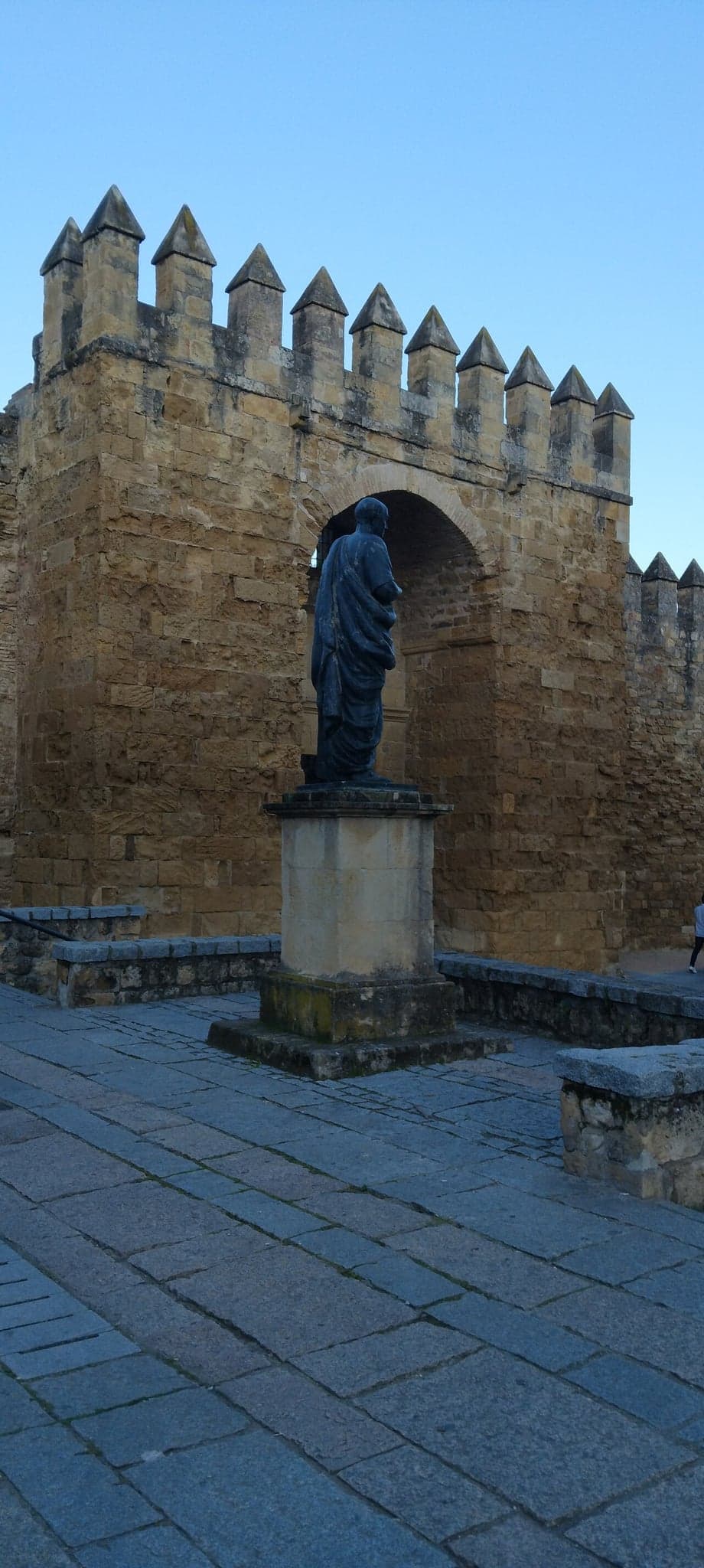
The Puerta de Almodóvar stands as a significant surviving medieval gate of Córdoba, Spain, with origins tracing back to the 10th century during the Early Medieval period. This gate, of Arabian origin, was an essential access point through the city's Roman walls, serving as a strategic entryway connecting Córdoba with the nearby town of Almodóvar del Río, approximately 23 kilometers away. Its name reflects this historic road, while alternative names such as Gate of Nogal (Bab al-Chawz) and Gate of Badajoz highlight its varied historical identity during the Islamic era in Spain.
Historical significance and context
The Puerta de Almodóvar is one of only three remaining gates of Córdoba's extensive medieval walls. Alongside the Puerta del Puente and the Seville Gate, it preserves a tangible link to the city's fortified past. Notably, it is the oldest and least altered among these gates, providing a rare glimpse into the original defensive architecture of medieval Córdoba. This gate was part of the city's fortification system during the Islamic rule, reflecting the military and urban planning of the period.
Architectural features and design
The gate exemplifies characteristics of a bastioned fortress, a classification that denotes its function as a fortified entrance with defensive structures designed to protect the city. Its construction integrates elements typical of Early Medieval Islamic military architecture, including robust stone walls, narrow passageways, and defensive towers or bastions that allowed defenders to control access effectively. The gate's design reflects a synthesis of Roman and Islamic influences, as it was built within the framework of the older Roman walls but adapted to the needs of the period.
Structural components
The Puerta de Almodóvar features thick stone walls that form a narrow gateway, designed to funnel and restrict entry. Defensive bastions flank the gate, enabling archers and guards to monitor and repel potential attackers. The gate's original wooden doors, likely reinforced with metal, have been replaced or restored over time, but the overall structure retains its historic defensive purpose. The integration of the gate into the city's Roman wall circuit illustrates the layered history of Córdoba's fortifications.
Preservation and cultural heritage
As part of the historic center of Córdoba, the Puerta de Almodóvar contributes to the area's designation as a UNESCO World Heritage Site since 1984. Its preservation allows visitors and scholars to appreciate the medieval urban fabric and the city's evolution from Roman times through the Islamic period and beyond. The gate's status as the oldest surviving medieval gate in Córdoba makes it a focal point for understanding the city's defensive strategies and architectural heritage.
Visitor experience and accessibility
Today, the Puerta de Almodóvar is accessible to the public as part of Córdoba's historic district. Visitors can explore the gate's exterior and its immediate surroundings, gaining insight into the city's medieval defenses. While the gate itself is primarily an architectural monument, its location near other historic sites, such as the Mezquita-Catedral de Córdoba, enhances its appeal as part of a broader cultural itinerary.
Legacy and influence
The Puerta de Almodóvar exemplifies the fusion of Roman and Islamic architectural traditions in Andalusia. Its enduring presence underscores the strategic importance of Córdoba as a cultural and military center during the Early Medieval period. The gate's preservation offers valuable insights into the urban defense mechanisms employed in medieval Spain and the role of city gates in controlling trade and movement.
Frequently asked questions (FAQ)
- What is the historical significance of Puerta de Almodóvar?
- Puerta de Almodóvar is the oldest surviving medieval gate of Córdoba, originally built in the 10th century during the Early Medieval period. It served as a key access point through the city's Roman walls and reflects the Islamic military architecture of the time.
- Can I visit Puerta de Almodóvar and explore its architecture?
- Yes, Puerta de Almodóvar is accessible to the public as part of Córdoba's historic center. Visitors can view the gate and its defensive structures, which are well preserved and offer insight into medieval fortifications.
- How does Puerta de Almodóvar relate to other gates in Córdoba?
- It is one of three remaining gates from Córdoba's medieval walls, alongside Puerta del Puente and the Seville Gate. Puerta de Almodóvar is the oldest and least modified, providing a unique glimpse into the city's fortified past.
- Why is Puerta de Almodóvar part of a UNESCO World Heritage Site?
- The gate is included in the historic center of Córdoba, designated a UNESCO World Heritage Site in 1984, due to its well-preserved medieval architecture and its importance in illustrating the city's historical urban defenses.
- What architectural features define Puerta de Almodóvar?
- The gate features thick stone walls, defensive bastions, and a narrow gateway typical of bastioned fortresses. Its design combines Roman wall foundations with Islamic military architectural elements from the Early Medieval period.
Photo gallery

Information
Loading map...
Visitor reviews
No reviews yet. Been here? Write the first review and help other travelers!
Write the first reviewVisited this castle? Share your experience
Your review helps other travelers and adds first-hand knowledge to our encyclopedia.