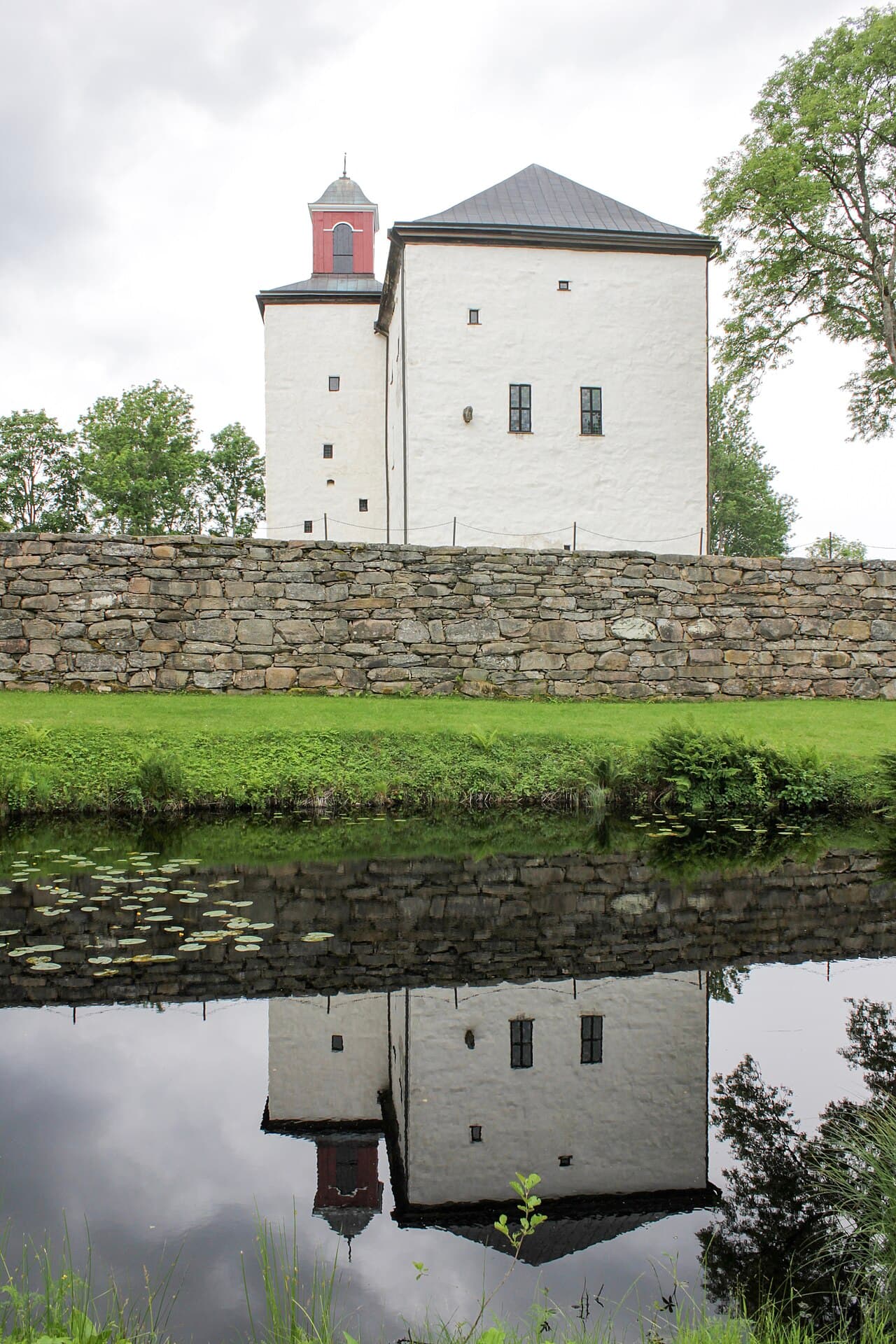
Torpa stenhus is a remarkable example of a medieval stone castle located in the Tranemo municipality of Sweden. Constructed during the late Middle Ages, it stands as one of the best-preserved single-house fortresses, or "enkelhusborgs," in the country. Its history and architecture reflect the turbulent political landscape of Scandinavia during the 15th century, as well as the evolution of noble residences through the Renaissance and Baroque periods.
The origins and strategic importance of Torpa stenhus
The origins of Torpa stenhus date back to approximately 1470, when Arvid Knutsson, a distinguished member of the Swedish Privy Council, commissioned the construction of the initial stone fortress. This stronghold was strategically designed to serve as a defensive refuge against military threats, particularly from Denmark, amid ongoing regional conflicts that marked the late medieval period in Scandinavia. Its location on a hill provided a commanding vantage point, enhancing its defensive capabilities.
The castle was conceived as a fortified residence, combining military functionality with the domestic needs of the Swedish nobility. Its robust stone masonry and thick walls exemplify the defensive architectural principles of the time, intended to withstand sieges and raids.
The Stenbock family and the castle's development
From the late 15th century onward, Torpa stenhus became the hereditary home of the Stenbock family, a noble lineage that has maintained ownership continuously through both male and female descendants. This uninterrupted family connection has played a crucial role in the castle's preservation and historical continuity.
During the mid-16th century, the castle underwent significant enlargement with the addition of a prominent stair tower around 1550. This addition enhanced both the defensive and residential aspects of the fortress, reflecting Renaissance architectural influences. The stair tower projects outward from the main structure, providing vertical access between floors and serving as an architectural statement of the period.
Renaissance and Baroque influences
In the late 16th and throughout the 17th century, Torpa stenhus experienced further expansions and interior renovations that mirrored changing tastes and functions. Notably, it was the residence of Katarina Stenbock, the third wife of King Gustav I of Sweden, linking the castle directly to Swedish royal history.
Around 1699, the castle's chapel was established in the Baroque style, featuring furnishings and decor characteristic of that artistic movement. This chapel underscores the religious significance of the castle during this era and adds a layer of cultural heritage to the site.
Architectural features and interior layout
Torpa stenhus is a four-story fortress constructed predominantly from stone masonry typical of medieval defensive architecture. The castle's floors are connected by two separate staircases embedded within its thick walls, a design that enhanced security and movement within the stronghold.
The lower floors include multiple vaulted rooms, with the first and second storeys each containing two rooms of unequal size. The third and fourth floors simplify into one large room per floor, with the uppermost chamber boasting the greatest number of windows to maximize natural light for daily activities.
Evidence of a fifth floor exists in the form of a bricked-up staircase on the fourth level, which likely led to a narrow defensive walkway rather than a fully habitable story. This feature highlights the castle's primary function as a fortress.
The interior of the knight’s hall displays Renaissance influences, notably through grisaille paintings—monochromatic artworks executed in shades of gray that resemble sculptural reliefs. These decorative elements emphasize the blend of military and residential functions within the castle.
The castle's preservation and adaptive reuse
In later centuries, the role of Torpa stenhus shifted from a noble residence to more practical uses. For a considerable period, it served as a grain storage facility. While this utilitarian function might seem to diminish its historical value, it actually contributed significantly to the castle's preservation by ensuring the roof remained intact and weather-tight.
This period of vacancy and practical use delayed extensive modernization, which inadvertently helped conserve many original architectural features. Recent restoration efforts have focused on recovering the castle's authentic internal divisions and structural elements. Floors that had settled were carefully raised and stabilized, and original wooden interior walls—removed during the granary phase—were reconstructed to restore the castle’s historic layout and load-bearing framework.
Location and cultural significance
Torpa stenhus is situated west of Lake Åsunden and east of the Torpanäset nature reserve, standing isolated from other archaeological sites. Its solitary presence highlights its unique status as a medieval noble residence within the region.
Today, the castle retains much of its medieval character and houses various displays that reflect its rich history. It serves as a cultural landmark and a testament to Sweden's medieval noble architecture and history, attracting visitors interested in both military fortifications and noble heritage.
Frequently asked questions (FAQ)
- How do I get to Torpa stenhus?
- Torpa stenhus is located in Sweden, and you can reach it by car or public transportation. The nearest major city is Jönköping, which is well-connected by road and rail. There are also local buses that can take you closer to the castle.
- What is the historical significance of Torpa stenhus?
- Torpa stenhus is a notable example of medieval architecture in Sweden, dating back to the late 15th century. It has been a significant residence for various noble families and is renowned for its well-preserved features and rich history. The castle has witnessed many historical events, making it an essential part of Sweden's cultural heritage.
- When was Torpa stenhus built?
- Construction of Torpa stenhus began in the late 15th century, with its earliest records dating back to around 1470. The castle reflects the architectural styles of the Renaissance period, showcasing the evolution of Swedish castle design. It has undergone several renovations and restorations throughout the centuries.
- Can I visit Torpa stenhus year-round?
- Yes, Torpa stenhus is open to visitors throughout the year, but the hours may vary by season. It is recommended to check the official website for the most up-to-date information on opening hours and any special events. Guided tours are often available, enriching the visitor experience.
- Why is Torpa stenhus popular among tourists?
- Torpa stenhus attracts tourists for its stunning architecture, beautiful surroundings, and rich history. Visitors can explore the castle's unique features, such as its impressive towers and intricate interior designs. Additionally, the castle's serene location offers a perfect backdrop for photography and leisurely walks.
- Is it possible to host events at Torpa stenhus?
- Yes, Torpa stenhus offers facilities for various events, including weddings and corporate functions. The castle's historical ambiance makes it a unique venue for special occasions. It's advisable to contact the management in advance to discuss availability and arrangements.
- What are the ticket prices for visiting Torpa stenhus?
- Ticket prices for Torpa stenhus vary depending on the season and type of tour. Generally, adult tickets are reasonably priced, with discounts available for children and seniors. Check the official website for detailed pricing and any special offers that may be available.
- What are the best times to visit Torpa stenhus?
- The best time to visit Torpa stenhus is during the spring and summer months when the weather is pleasant and the gardens are in full bloom. Additionally, special events and guided tours are more frequently held during these times. However, the castle's charm can be enjoyed year-round, especially during the winter months for a cozy experience.
- Are there nearby attractions to visit while at Torpa stenhus?
- Yes, there are several nearby attractions that visitors can explore, including beautiful nature reserves and other historical sites. The surrounding area offers hiking trails and scenic views, perfect for outdoor enthusiasts. Additionally, the city of Jönköping is only a short drive away, offering further cultural and recreational activities.
Photo gallery

Information
Website
Visit websiteSources & official resources
Verify the information above using these authoritative references.
Loading map...
Visitor reviews
No reviews yet. Been here? Write the first review and help other travelers!
Write the first reviewVisited this castle? Share your experience
Your review helps other travelers and adds first-hand knowledge to our encyclopedia.