Tolstejn Castle Ruins
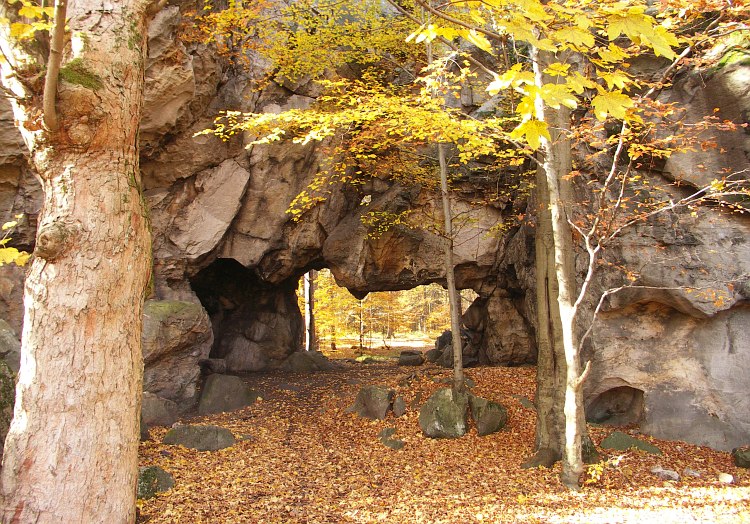
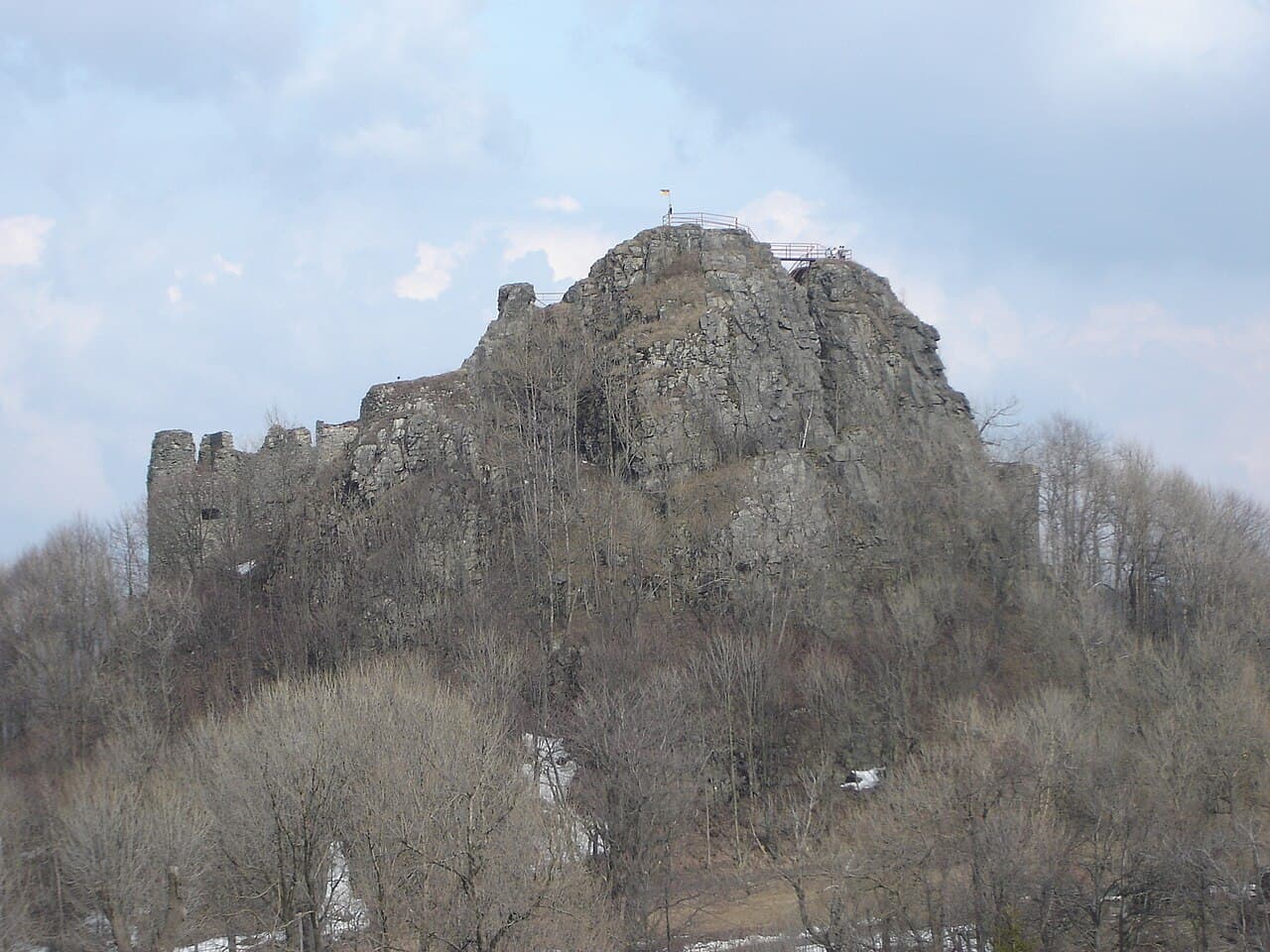
Tolstejn Castle ruins stand as a striking testament to medieval fortification in the Lusatian Mountains of the Czech Republic. Originally constructed in the early 14th century, this Gothic hill castle was strategically positioned on twin phonolite rock formations, commanding a vital passage from Lusatia into the Bohemian lands. Its dramatic location atop steep cliffs and rugged terrain made it a formidable defensive stronghold and a significant military asset through centuries of regional conflict.
The castle's earliest recorded mention dates to 1337, when it was owned by the Vartenberk family, with Vaněk of Vartenberk undertaking extensive rebuilding efforts under feudal obligations to the Bohemian crown. Over the following centuries, Tolstejn Castle changed hands among prominent noble families, including the Berka of Dubá and later the Šlejnic family, reflecting the turbulent political and military landscape of the region. The castle played a key role during the Hussite Wars and later the Thirty Years' War, enduring sieges and destruction, notably by Swedish forces under General Wrangel in 1642, which led to its eventual abandonment and ruin.
Historical significance and ownership
Located in the municipality of Jiřetín pod Jedlovou, Tolstejn Castle was originally built as part of a defensive network to protect the borderlands between Bohemia and Lusatia. Its position allowed control over trade routes and military movements, making it a coveted asset for regional powers. The castle's ownership history reflects shifting allegiances and conflicts: after the Vartenberks, the Berka family took control in the early 15th century, engaging in disputes with Lusatian towns and opposing King George of Poděbrady, which led to a siege in 1463.
Following this, the castle was seized and eventually sold in 1471 to the Saxon margraves Ernest and Albrecht, illustrating the fluid political boundaries of the period. The Šlejnic family acquired the castle in 1485, maintaining its military importance despite the gradual decline of its residential role as nobles moved to Renaissance chateaux nearby. The castle's final military engagement occurred during the Thirty Years' War when it was besieged and set ablaze by Swedish troops, marking the end of its active defensive use.
Architectural features and defensive structures
Natural topography and fortifications
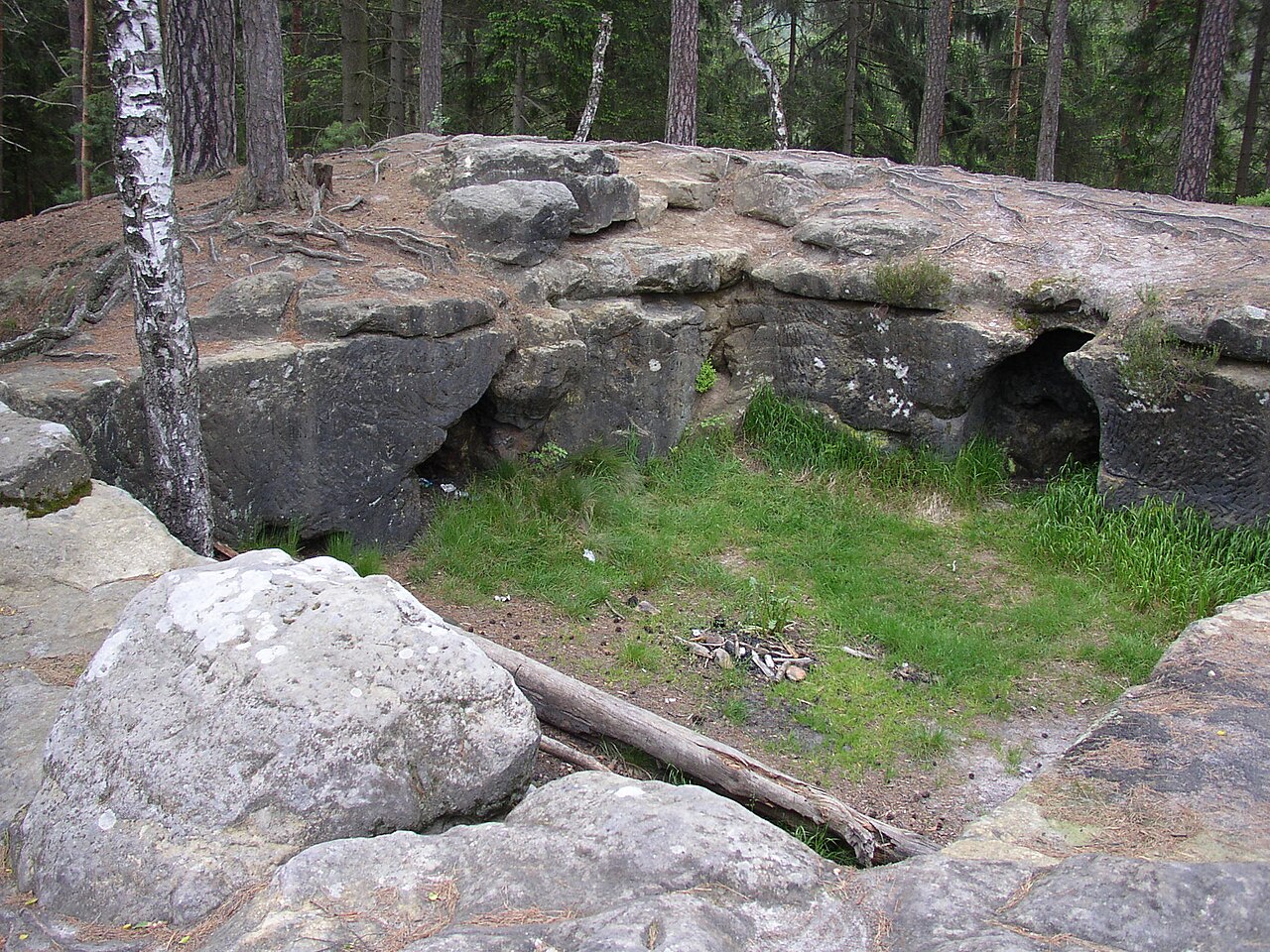
Tolstejn Castle is uniquely integrated into its natural setting, built atop two steep phonolite rock spires connected by a narrow ridge. The castle's design ingeniously utilized the vertical cliffs on the south and east sides as natural defensive barriers. Man-made fortifications complemented these natural defenses, including thick curtain walls, moats, and strategically placed towers that guarded the more accessible northern approaches.
Lower castle and gate complex
The lower castle enclosed the base of the rock formations within a ring of walls and towers. The main southern gate was a robust square structure featuring a double gate system and a passageway. This gatehouse once displayed the Berka family crest, now preserved in a museum, symbolizing the castle's noble heritage. Above the gate stood a prominent prism-shaped tower nearly 20 meters tall, housing essential facilities such as a kitchen with multiple chambers, a cellar, and a beer cellar. This gate complex was roofed and likely equipped with a drawbridge, though the original moat has since vanished.
Bastions, towers, and residential spaces
Adjacent to the gate was a distinctive hexagonal bastion rising about eight meters high. This bastion contained a cellar with a tiled bath and water channels, now filled in, and its upper floor probably served as a chapel, evidenced by a painted Šlejnic family coat of arms and possible 16th-century frescoes. Nearby stood a rectangular defensive building with a knight's hall on the upper floor, reflecting the castle's residential and military functions.
Another notable feature is the horseshoe-shaped tower with three stories near the bastion. The tower's ground floor functioned as a dungeon, where skeletal remains have been found. Its entrance was elevated about five meters above ground level, accessible only by stairs attached to the defensive wall. Curtain walls extended from this tower southward to a steep cliff, completing the defensive perimeter. Traces of window openings at wall height indicate that wooden structures were once attached to the stone walls, providing additional living and storage space.
Water management systems
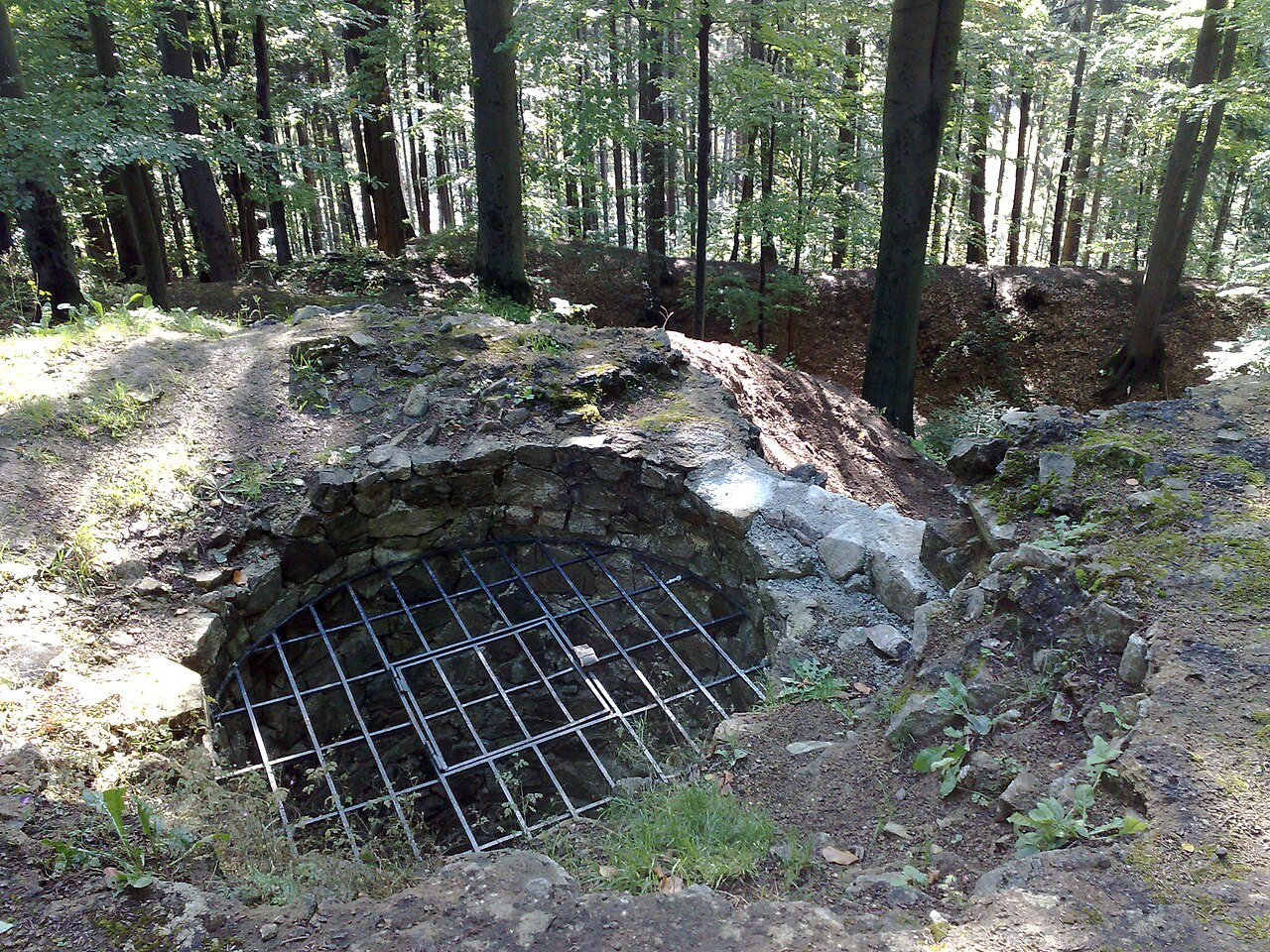
Water supply was a critical concern for the fortress. A cistern collected rainwater, although it is now filled in. More impressively, an aqueduct dating from the 15th or 16th century brought fresh water from Jedlová mountain. Archaeological excavations have uncovered remnants of pipes associated with this system, demonstrating advanced engineering to sustain the castle during sieges and dry periods.
Upper castle and rock summit fortifications
The upper castle was situated directly on the rock summits, connected by a stone wall between the two spires. A tower on the larger spire was accessed by steps carved into the rock itself. Remnants of burn layers at this site attest to the castle's violent destruction during the Thirty Years' War, preserving a tangible link to its dramatic past.
Later modifications and decline
In the 15th century, significant defensive enhancements were made to counter evolving military threats, especially the advent of artillery. A massive shield wall, six meters thick and fifteen meters high, was constructed to protect the castle's most vulnerable side. This wall incorporated a polygonal bastion on the northern side, with walls nearly four meters thick, designed to mount cannons. These improvements are credited to Wendel Rosskopf, a notable pupil of the renowned architect Benedikt Rejt.
During the Renaissance, the castle saw minor alterations, including the addition of a transverse wall across the dungeon and the construction of residential buildings, though these have not survived. By the late 16th century, inventories list numerous chambers, halls, and storage areas, as well as small-caliber cannons and a stockpile of powder and iron shot, underscoring the castle's ongoing military relevance.
Despite its strategic importance, the castle was eventually abandoned after its destruction in the Thirty Years' War. It fell into ruin and became a refuge for bandits known as robber knights. From the 18th century onward, the ruins attracted visitors, leading to the establishment of a Swiss-style inn by Johann Josef Münzberg in 1866. The site drew cultural figures such as the poet Rainer Maria Rilke, enhancing its cultural significance beyond its military past.
Preservation and cultural heritage
Tolstejn Castle remains a protected cultural monument under Czech heritage law. Its ruins vividly display the complex medieval defensive architecture and the harmonious integration with the natural rock formations. The site also supports rare heat-loving plant species, adding botanical interest to its historical and architectural value.
While archaeological investigations have been limited due to the challenging rocky terrain, no remains predating the 14th-century masonry have been conclusively identified. The absence of earlier wooden structures is typical for castles built on such rock formations, where stone construction was preferred for durability and defense.
Today, visitors can explore the evocative ruins, including the gate complex, bastions, towers, and remnants of the upper castle. The site offers insight into medieval military architecture, the evolution of fortifications in response to artillery, and the storied history of borderland conflicts in Central Europe.
Frequently asked questions (FAQ)
- How do I get to Tolstejn Castle ruins from Varnsdorf?
- Tolstejn Castle ruins are accessible by hiking trails from Varnsdorf, located about 10 kilometers away. Visitors can follow marked paths through the Lusatian Mountains leading to the castle site near Jiřetín pod Jedlovou.
- What is the best time of year to visit Tolstejn Castle ruins?
- The best time to visit Tolstejn Castle ruins is during late spring to early autumn when the weather is favorable for hiking and the natural surroundings are lush. The site is particularly scenic in summer with vibrant flora and clear views from the rock formations.
- Are there guided tours available at Tolstejn Castle ruins?
- Guided tours may be available seasonally or by arrangement with local tourist offices. Visitors are advised to check in advance with regional tourism centers in Ústí nad Labem Region for tour schedules and availability.
- Is Tolstejn Castle suitable for visitors with limited mobility?
- Due to its location on steep rock formations and uneven terrain, Tolstejn Castle ruins are not well suited for visitors with limited mobility. The site requires hiking and climbing steps carved into rock, which can be challenging.
- What are the opening hours and ticket prices for Tolstejn Castle ruins?
- Tolstejn Castle ruins are open to the public year-round with no entrance fee. As an open-air ruin, visitors can explore the site at any time, but daylight hours are recommended for safety and visibility.
Photo gallery

Information
Current owner
State property
Loading map...
Visitor reviews
No reviews yet. Been here? Write the first review and help other travelers!
Write the first reviewVisited this castle? Share your experience
Your review helps other travelers and adds first-hand knowledge to our encyclopedia.