Chřibský hrádek
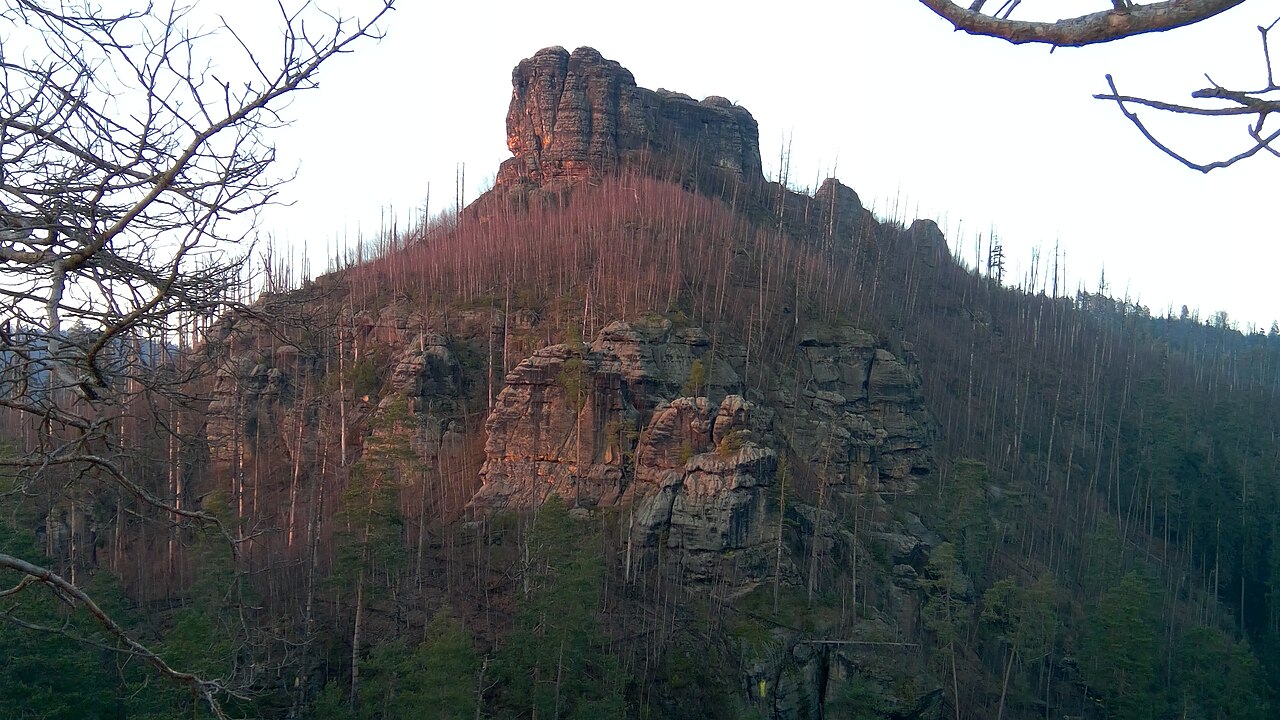
Chřibský hrádek, historically known as Karlštejn and in German as Unterer Karlstein or Wüstes Schloss, is a ruined rock castle situated in the village of Doubice within the Ústí nad Labem Region of the Czech Republic. This castle is located in the Elbe Sandstone Mountains, a distinctive geological formation known for its sandstone cliffs and unique rock formations, which provided natural defensive advantages for medieval fortifications.
Constructed in the 13th century during the high medieval period, Chřibský hrádek was strategically built as a rock castle, utilizing the natural sandstone outcrops to form part of its defensive structures. This type of castle integrated the rugged terrain into its design, often resulting in a complex layout adapted to the rocky environment rather than traditional masonry alone.
Historical background and significance
The castle's origins trace back to the high medieval era, a time marked by the expansion of feudal territories and the establishment of numerous fortifications across Bohemia. The castle was likely erected to secure local trade routes and assert control over the surrounding land. Its alternative name, Karlštejn, should not be confused with the more famous Karlštejn Castle near Prague; rather, it reflects a common naming practice in medieval times.
Throughout its history, Chřibský hrádek served as a minor stronghold and residence for local nobility. However, due to its remote location and the challenges posed by the sandstone terrain, it never evolved into a major political center. Over the centuries, the castle fell into disuse and was eventually abandoned, leading to its current state as ruins.
Architectural features and layout
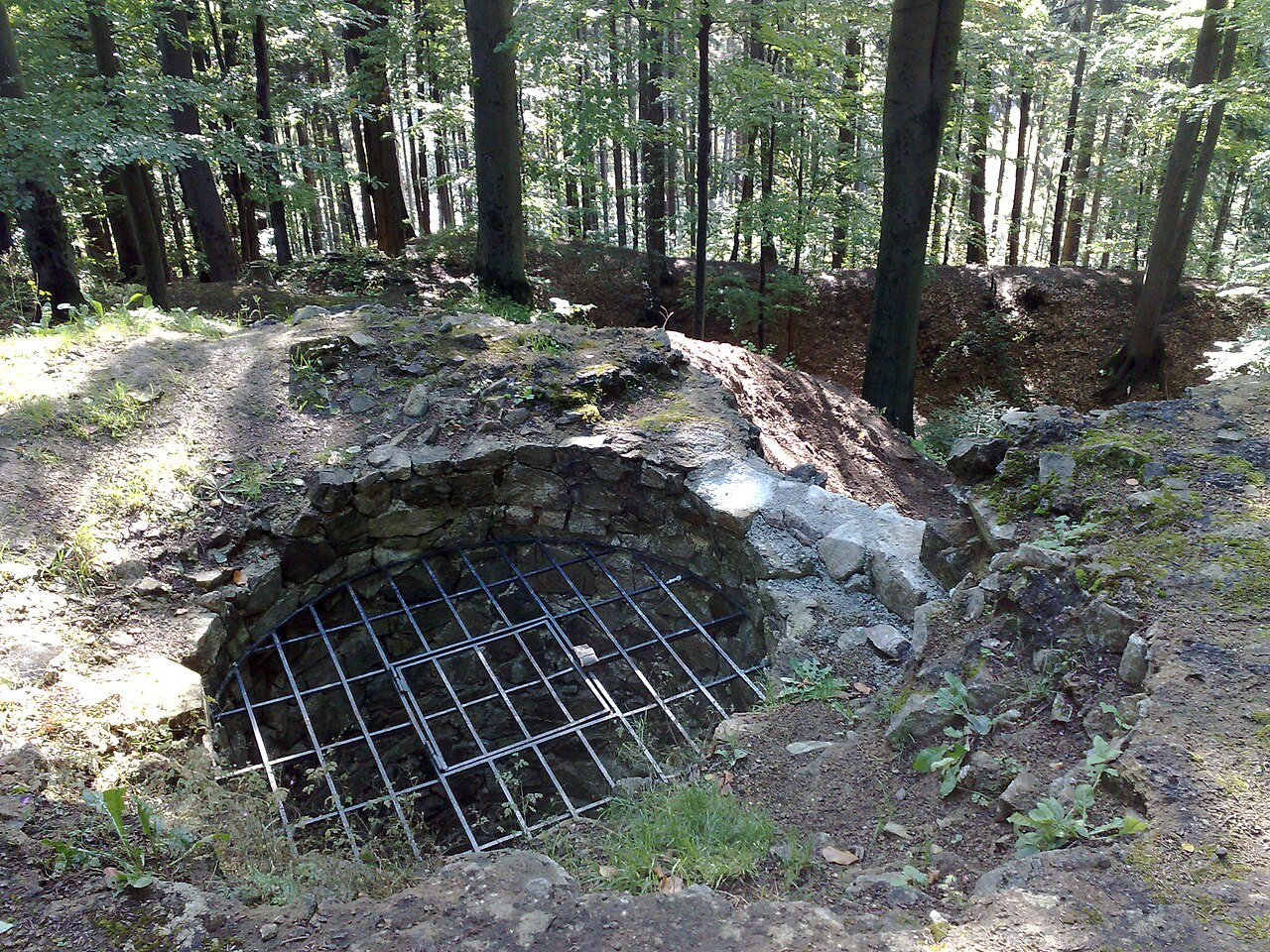
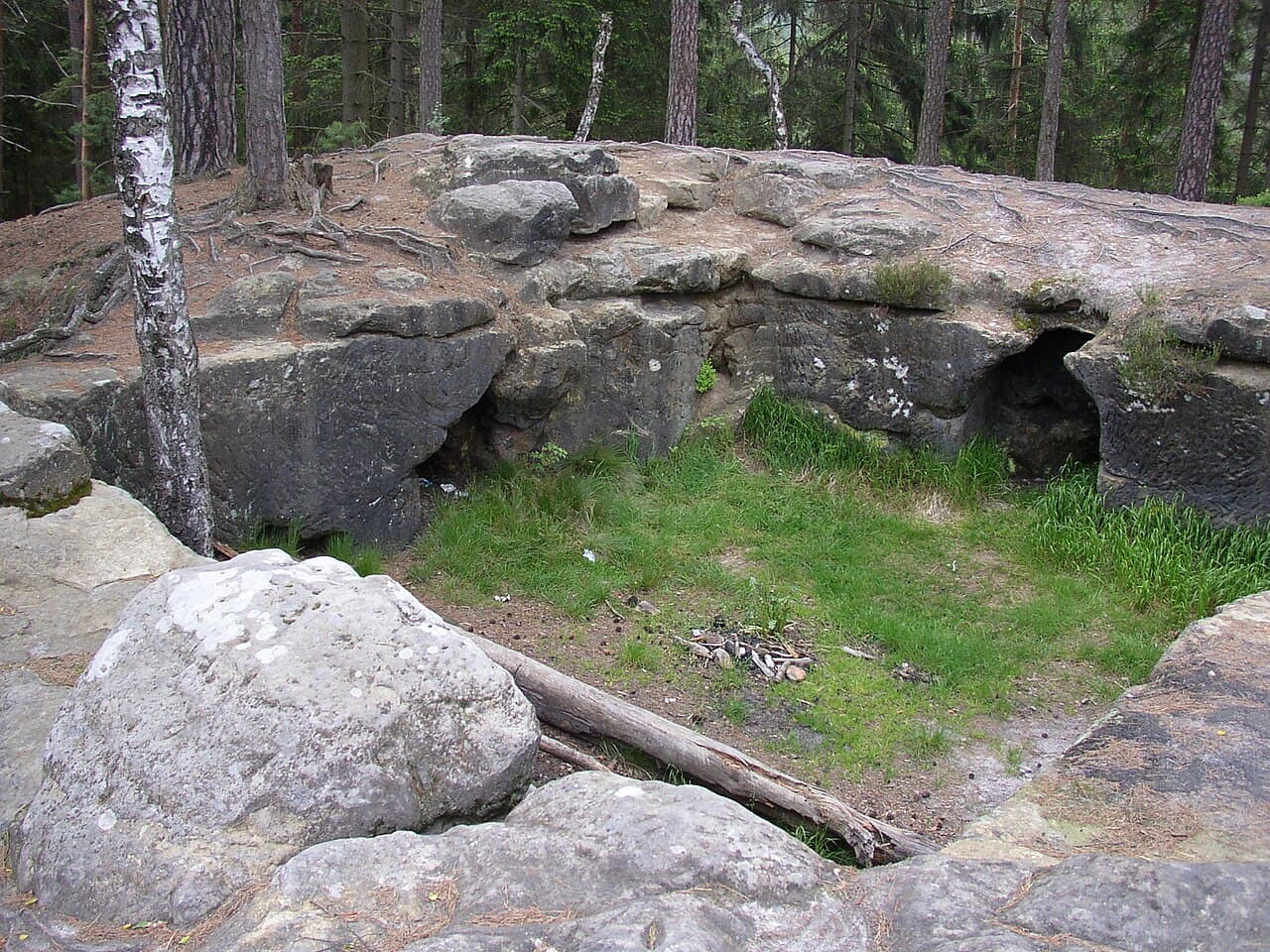
As a rock castle, Chřibský hrádek was constructed by integrating natural sandstone formations into its defensive system. The castle's design made use of steep cliffs and rock faces as natural walls, reducing the need for extensive stone masonry. Remnants of defensive walls, gate structures, and small chambers carved into the rock can still be identified among the ruins.
The castle likely included a keep or central stronghold area carved on or around a prominent rock outcrop, which would have served as the last refuge during attacks. Surrounding this were defensive walls and possibly wooden structures that have since decayed. The natural terrain limited the extent of the castle's footprint but enhanced its defensibility.
Defensive advantages of the sandstone environment
The Elbe Sandstone Mountains provided a natural fortress environment. The sandstone cliffs offered elevated vantage points for surveillance and made direct assaults difficult. The castle's builders exploited these features by positioning walls and watchpoints to maximize visibility and protection.
Current condition and preservation
Today, Chřibský hrádek remains in a state of ruins, classified as an archaeological site. The remnants of walls and rock-carved chambers are accessible to visitors interested in medieval history and castle architecture. Due to the fragile nature of sandstone, preservation efforts focus on preventing further erosion and damage caused by natural weathering.
The site is a popular destination for hikers and history enthusiasts exploring the Elbe Sandstone Mountains. Informational signs and guided tours occasionally provide insights into the castle's history and architectural features, although no extensive reconstruction has been undertaken.
Visiting Chřibský hrádek
The castle ruins can be reached by hiking trails from the nearby village of Doubice. Visitors should be prepared for uneven terrain and limited facilities at the site. There are no entrance fees, and the site is open year-round, with the best visiting conditions in late spring through early autumn.
While the castle is not equipped with modern visitor amenities, its atmospheric ruins and scenic surroundings offer a glimpse into medieval fortification techniques adapted to the unique sandstone landscape of the region.
Frequently asked questions (FAQ)
- What is the historical significance of Chřibský hrádek?
- Chřibský hrádek, also known as Chřibský Castle, dates back to the late 13th century and is an important example of medieval architecture in the region. It played a crucial role in the defense of the area during various conflicts and has witnessed numerous historical events over the centuries. Today, it stands as a symbol of the local heritage and attracts history enthusiasts from around the world.
- When was Chřibský hrádek built?
- Chřibský hrádek was constructed in the late 13th century, around the year 1280. Its strategic location on a hilltop allowed it to serve as a lookout and fortification. The castle has undergone several renovations throughout its history, reflecting various architectural styles.
- Can I visit Chřibský hrádek year-round?
- Yes, Chřibský hrádek is open to visitors year-round, but it is advisable to check specific opening hours before planning your visit. The castle may have limited access during the winter months or on certain holidays. Guided tours can also enhance your experience and provide deeper insights into its history.
- What are the opening hours for Chřibský hrádek?
- Chřibský hrádek generally opens to visitors from April to October, with varying hours depending on the day of the week. During the peak season, it may open as early as 9 AM and close at 6 PM. Off-season hours may be reduced, so it's best to verify the schedule before your visit.
- Is it possible to access Chřibský hrádek by public transport?
- Yes, Chřibský hrádek is accessible by public transport, with bus services available from nearby towns like Doubice. However, the castle is situated on a hill, so visitors should be prepared for a short hike to reach the entrance. It is recommended to check local transport schedules for the most accurate information.
- What is the best time to visit Chřibský hrádek?
- The best time to visit Chřibský hrádek is during the late spring and early autumn months, when the weather is mild and the surrounding nature is in full bloom. This period typically offers more comfortable conditions for exploring the castle and enjoying the panoramic views. Additionally, visiting during these months may provide opportunities to participate in local events or festivals.
- Are there any nearby attractions to Chřibský hrádek?
- Yes, there are several attractions near Chřibský hrádek, including the picturesque village of Doubice and the stunning landscapes of the Bohemian Switzerland National Park. Visitors can enjoy hiking, exploring local flora and fauna, and taking in the natural beauty of the region. These nearby sites complement your visit to the castle and offer a deeper appreciation for the area.
- What are the ticket prices for visiting Chřibský hrádek?
- Ticket prices for Chřibský hrádek are generally affordable, with discounts available for students and seniors. As of the latest information, adult tickets cost around 100 CZK, while children under a certain age may enter for free. It is advisable to check the official website or local information for the most current pricing and any special offers.
Photo gallery

Photo by Mirek256•Public domain
Information
Loading map...
Visitor reviews
No reviews yet. Been here? Write the first review and help other travelers!
Write the first reviewVisited this castle? Share your experience
Your review helps other travelers and adds first-hand knowledge to our encyclopedia.