Tokmar Castle
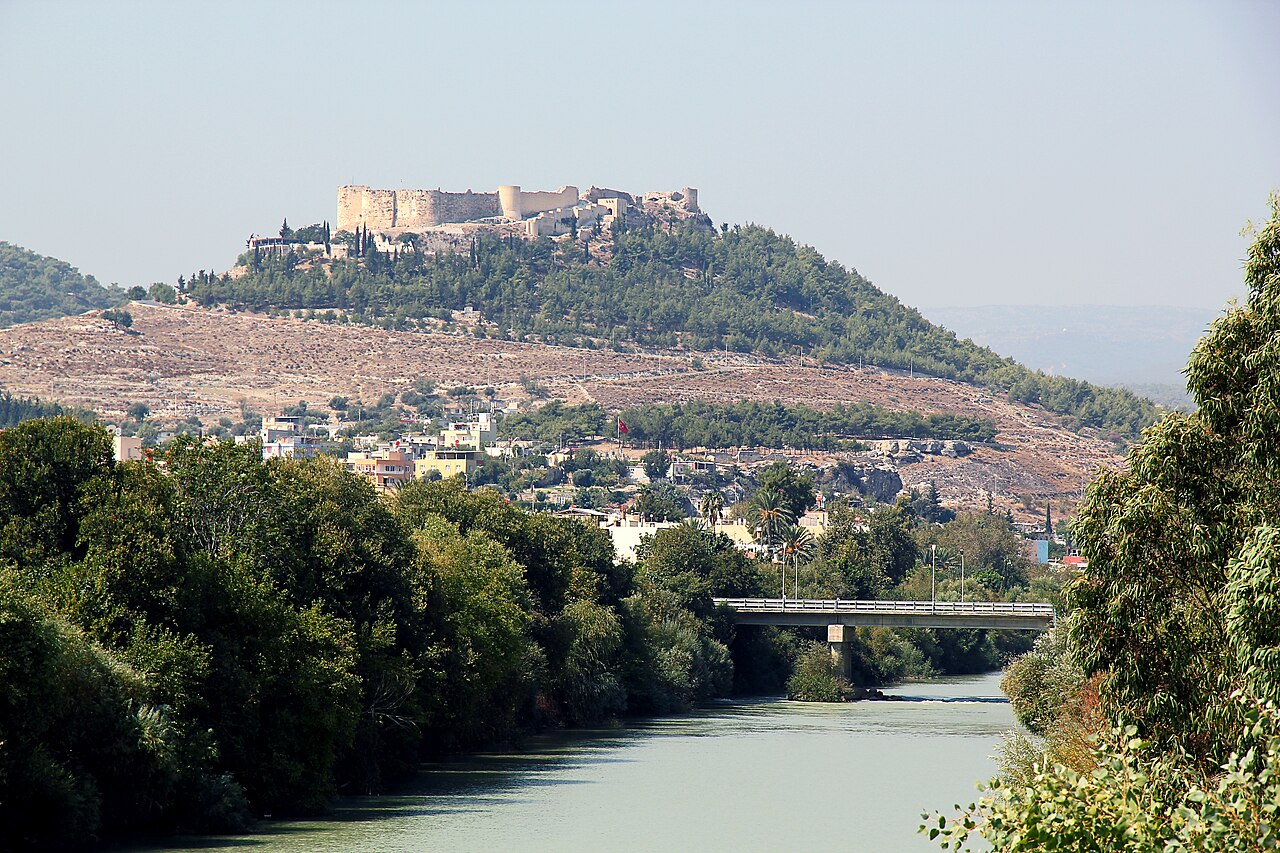
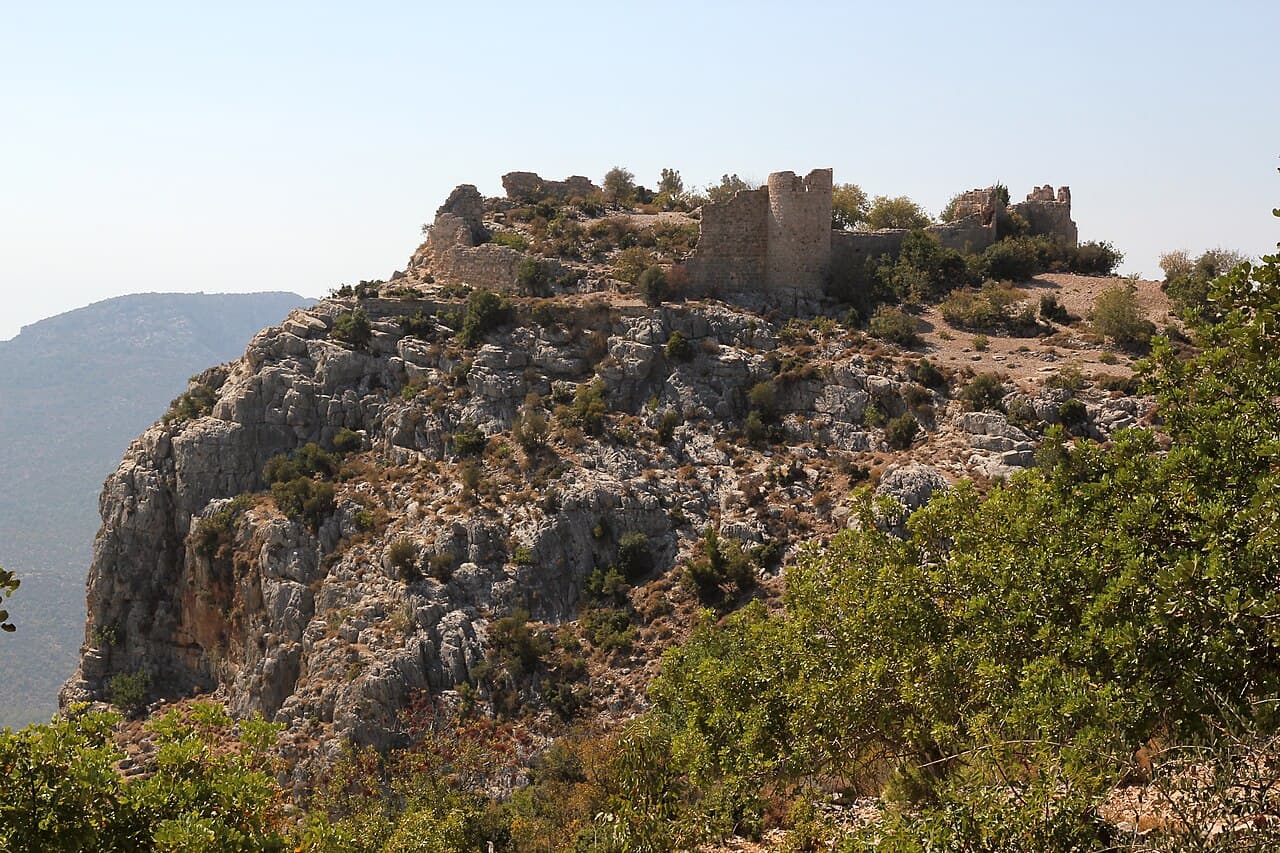
Tokmar Castle, locally known as Tokmar Kalesi, is a striking medieval fortress perched on a rocky cliff overlooking the village of Akdere in the Mersin province of Turkey. Situated in the historic region of Cilicia, this castle offers a remarkable glimpse into the military and residential architecture of the Armenian Kingdom of Cilicia during the High Medieval period. Its strategic location on a mountain spur, approximately 400 meters above the valley below, provided commanding views over the surrounding landscape and the ancient harbor of Palaiai, located about 4 kilometers to the east.
The castle's origins date back to the late 12th century, when it was constructed by skilled Armenian masons who modeled it after nearby fortresses such as Yılankale. Although the castle's original medieval name remains uncertain, architectural and historical evidence suggests that Tokmar Castle may correspond to the fortress known in contemporary sources as Castellum Novum in Latin or Norpert in Armenian, both meaning "new castle." This identification is supported by records indicating that the castle was held by the Armenian noble Sebastos Heri around 1198-1210.
Historical significance and political context
During the early 13th century, the castle played a pivotal role in the complex political and military alliances of the region. In 1210, King Leo I of the Armenian Kingdom of Cilicia transferred control of Castellum Novum (likely Tokmar Castle) along with Silifke Castle to the Knights Hospitaller. This transfer was part of a strategic agreement in which the Knights provided a military force of 400 knights to support the Armenian kingdom's defense against the Seljuk Turks, along with annual payments. While Silifke Castle was returned to Armenian control in 1226, Tokmar Castle disappears from the historical record after this period, leaving its subsequent fate somewhat obscure.
Later historical phases saw the castle come under the control of the Karamanid dynasty, a powerful Anatolian beylik, before ultimately being absorbed into the expanding Ottoman Empire in the late 15th century. The castle is referenced in several historical maps from this era, including the 1490 Rizo-Portolan map as "lo chastel chamandrachi" and Richard Kiepert's map as "Burg Palaea," names associated with the nearby ancient port of Palaiai. These cartographic records underscore the castle's continued strategic importance along the Mediterranean coast.
Architectural features and layout
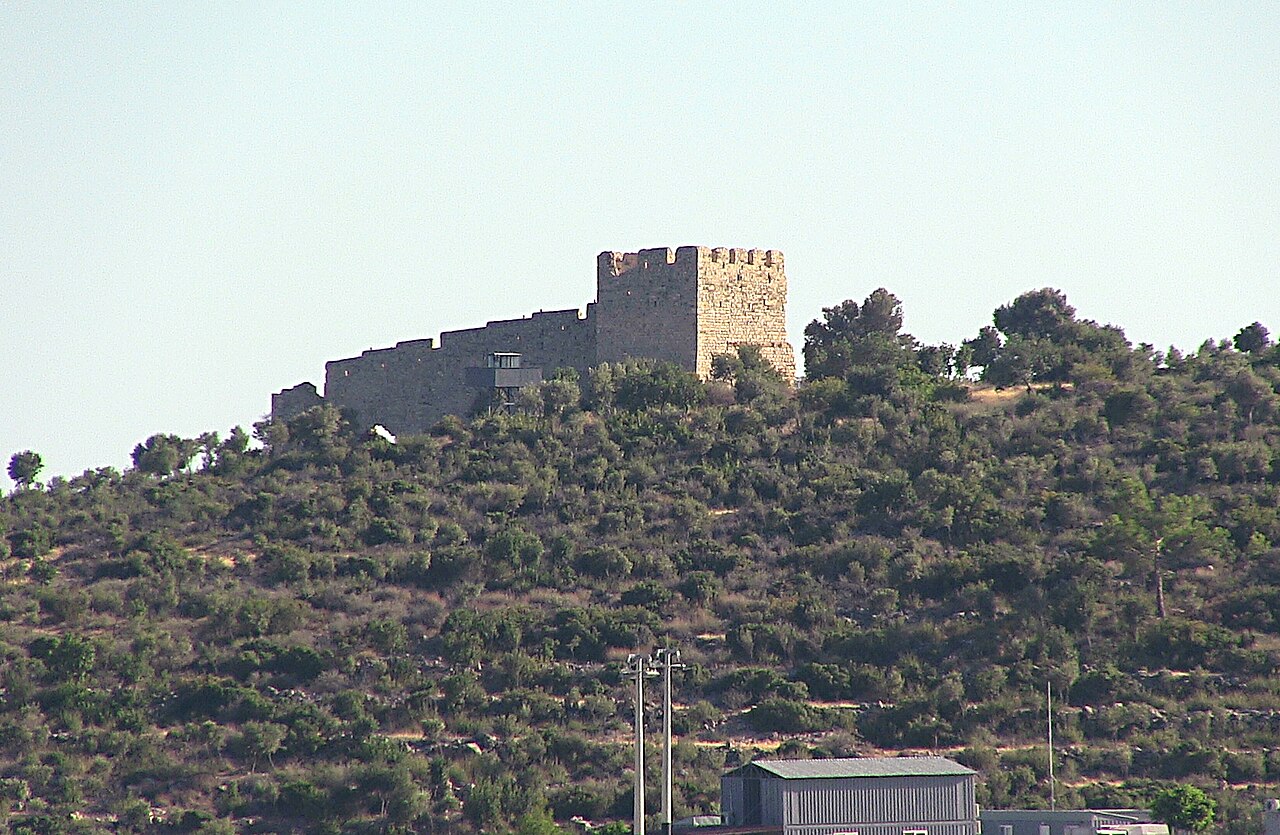
Tokmar Castle is classified as a hill castle, uniquely adapted to its rugged terrain on the rocky plateau known as Kale Tepesi. The fortress occupies an irregular polygonal enclosure approximately 50 by 70 meters, with walls that closely follow the natural contours of the site. The southern side benefits from steep natural cliffs that provide formidable defense, while the northern side, more accessible and vulnerable, is reinforced by four semicircular bastions. These bastions originally rose to multiple stories and featured narrow arrow slits designed to allow defenders to repel attackers while remaining protected.
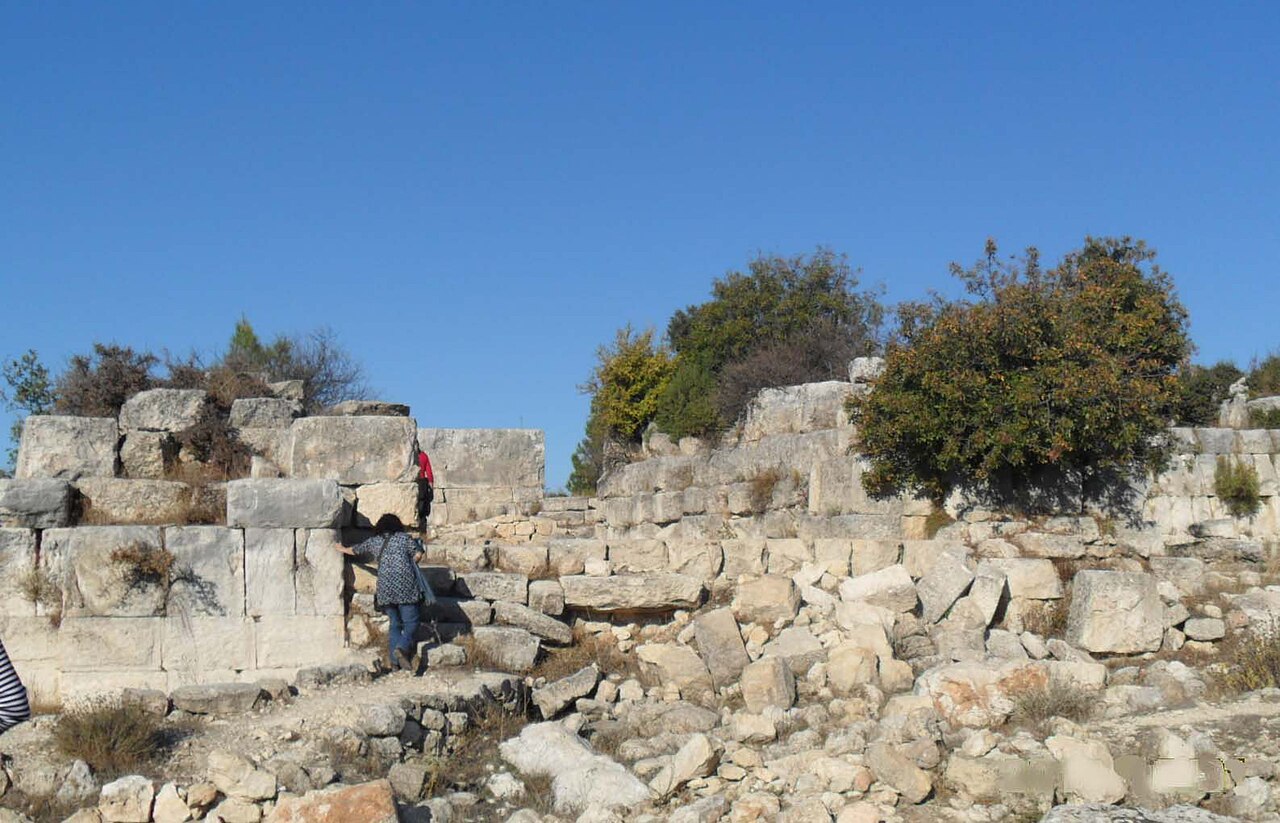
The curtain walls are constructed from finely cut limestone blocks arranged in two layers. The outer faces are composed of bossed ashlar masonry, characterized by roughened stone surfaces that enhance structural strength and grip. These walls are about 1.5 meters thick, reflecting the military engineering expertise of the Armenian masons. Although much of the battlements and parapets have collapsed over time, fragments of the wall walkways remain visible, hinting at the castle's former defensive capabilities.
Defensive structures
On the eastern side of the castle, the foundations of a zwinger—a narrow outer ward designed to trap and expose attackers—are still discernible. The original main gate and its surrounding facade have not survived, but the presence of the zwinger indicates a layered defense system typical of Armenian fortifications. The northern bastions, with their multiple stories and arrow slits, emphasize the importance of protecting the more accessible approaches to the fortress.
Residential and internal buildings
Within the castle's courtyard, particularly in the southeastern sector, the remains of a residential building stand out. This structure suggests that Tokmar Castle served not only as a military stronghold but also as a noble residence overseeing the surrounding territory. Other internal buildings have been lost or destroyed, but the surviving ruins provide valuable insights into the castle's dual function as a fortress and a domicile.
Geographical and strategic importance
Located approximately three kilometers from the Mediterranean Sea, Tokmar Castle's elevated position allowed it to control key land routes and oversee maritime activities near the ancient harbor of Palaiai. The castle's vantage point on Kale Tepesi offered expansive views toward the sea and the valley below, making it an ideal site for monitoring enemy movements and securing the western borders of the Armenian Kingdom of Cilicia.
The castle's proximity to other significant fortifications, such as Silifke Castle to the northeast and Yılankale nearby, formed a network of defenses that protected the region from Seljuk incursions and other threats. The strategic handover of Tokmar Castle to the Knights Hospitaller further underscores its military value during the turbulent 12th and 13th centuries.
Modern condition and visiting information
Today, Tokmar Castle remains a well-preserved ruin accessible to visitors free of charge. The castle's exterior walls largely stand intact, offering a clear impression of its original size and layout, while the interior spaces have mostly been lost to time. Its commanding views and historical significance make it a popular destination for tourists interested in medieval Armenian architecture and the history of Cilicia.
The site was studied in the early 1980s by researchers Hansgerd Hellenkemper and Friedrich Hild, who highlighted its role as a noble residence and military fortress. Visitors can explore the rugged terrain and appreciate the blend of natural and constructed defenses that characterize this remarkable example of Armenian fortification architecture.
While the castle lacks extensive visitor facilities, its scenic location and evocative ruins offer a rewarding experience for those willing to hike up the hill and delve into the rich history of the region. The combination of natural cliffs, fortified walls, and strategic bastions makes Tokmar Castle an outstanding example of High Medieval Armenian military architecture in Cilicia.
Related sites and historical context
Tokmar Castle is part of a broader historical landscape shaped by the Armenian Kingdom of Cilicia, which flourished from the late 11th to the late 14th centuries. This kingdom was known for its distinctive fortifications, blending Western European and Byzantine architectural influences with local traditions. Nearby castles such as Yılankale and Silifke Castle share similar construction techniques and historical trajectories, reflecting the region's strategic importance during the Crusades and the Seljuk conflicts.
The castle's history also intersects with the military orders, particularly the Knights Hospitaller, who played a significant role in the defense of the Armenian kingdom and the broader Levantine frontier. The transfer of Tokmar Castle to the Hospitallers in 1210 illustrates the complex alliances and power dynamics of the period.
Today, Tokmar Castle stands as a testament to the rich medieval heritage of Cilicia and offers valuable insights into the military, political, and cultural history of this crossroads region between Europe and Asia.
Frequently asked questions (FAQ)
- How do I get to Tokmar Castle and is it accessible to visitors?
- Tokmar Castle is freely accessible and located north of the D400 road near the village of Akdere in Mersin province, Turkey. Visitors should be prepared for a hike up the hill to reach the castle ruins.
- What is the historical significance of Tokmar Castle?
- Tokmar Castle was built in the late 12th century by the Armenian Kingdom of Cilicia and played a strategic role in the region's defense. It was handed over to the Knights Hospitaller in 1210 as part of a military alliance.
- What architectural features are notable at Tokmar Castle?
- The castle features thick limestone curtain walls with bossed ashlar masonry, semicircular bastions with arrow slits, and remains of a zwinger and residential buildings, reflecting its dual role as a fortress and noble residence.
- When was Tokmar Castle built and by whom?
- Tokmar Castle was constructed in the late 12th century by Armenian masons during the High Medieval period, likely under the Armenian Kingdom of Cilicia.
- Is there an entrance fee or guided tours available at Tokmar Castle?
- There is no entrance fee to visit Tokmar Castle, and the site does not offer official guided tours, so visitors explore the ruins independently.
Photo gallery

Information
Loading map...
Visitor reviews
No reviews yet. Been here? Write the first review and help other travelers!
Write the first reviewVisited this castle? Share your experience
Your review helps other travelers and adds first-hand knowledge to our encyclopedia.