Silifke Castle
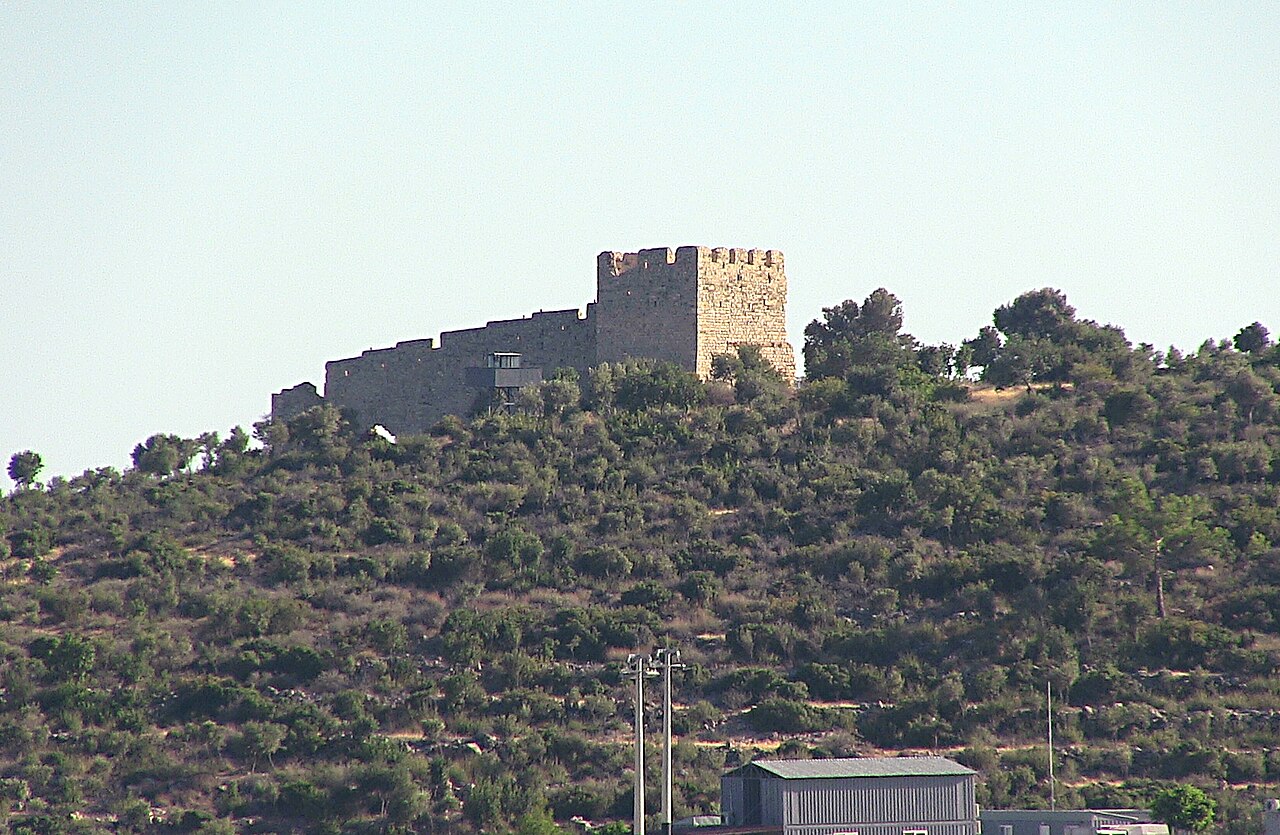
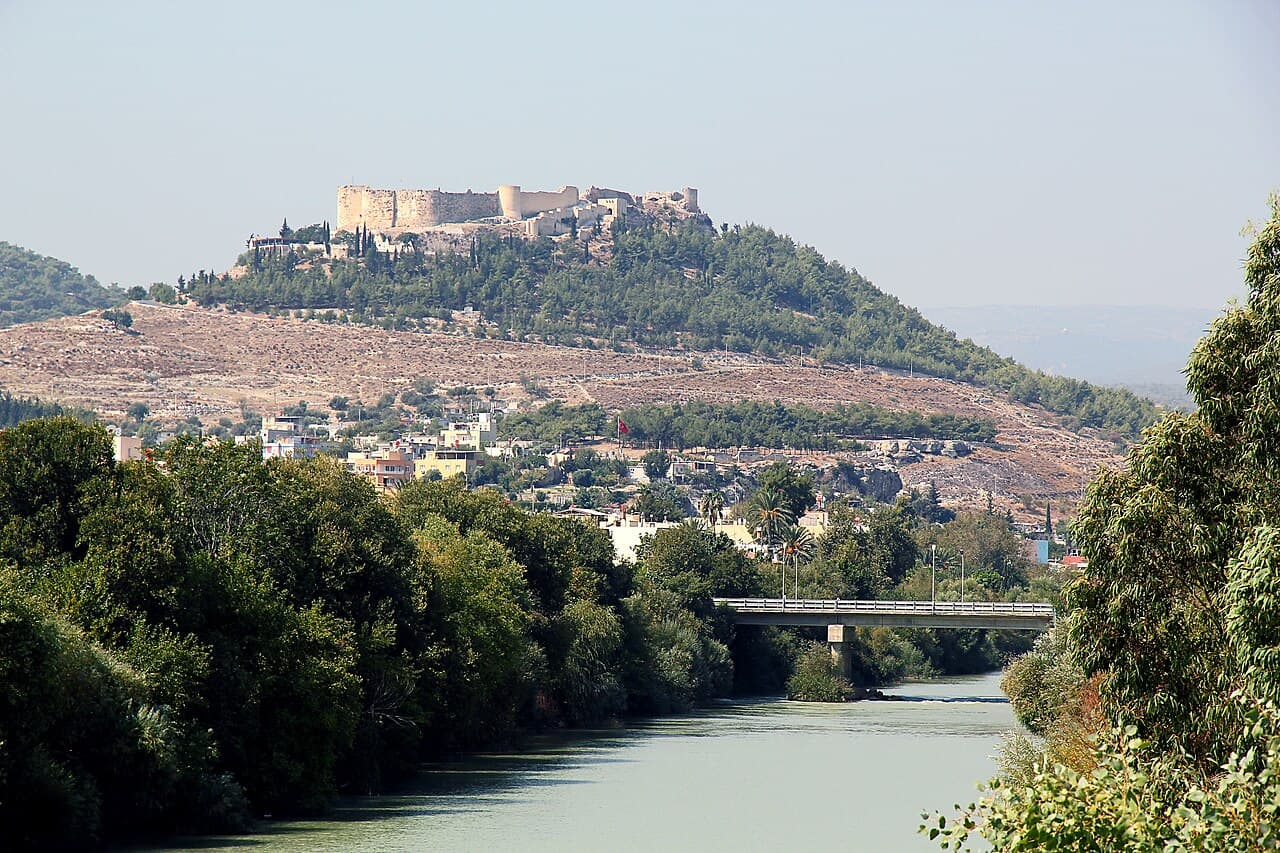
Silifke Castle, locally known as Silifke Kalesi, is a prominent high medieval fortress perched on a strategic hilltop in the town of Silifke, within the Mersin province of southern Turkey. This imposing hill castle stands near the delta of the Göksu River (ancient Calycadnus), overseeing the vital coastal road and the entrance to the Göksu canyon. Its location has made it a key defensive stronghold throughout history, witnessing a complex succession of empires, cultures, and military powers.
The castle occupies an elongated, oval-shaped outcrop rising approximately 86 meters above sea level. This natural elevation provided commanding views over the surrounding landscape, including the ancient city of Seleucia adjacent to the modern town of Silifke. The fortress's strategic position allowed control over important land and river routes connecting Cilicia to the Taurus Mountains and the Mediterranean coast.
Early history and byzantine origins
The earliest fortifications on this site date back to the Byzantine Empire, constructed between the 7th and 11th centuries as a defensive bastion against Arab incursions during a turbulent period of frontier warfare. The fortress was initially built atop the ruins of an ancient acropolis, integrating earlier structures into its foundations.
In the late 11th century, Byzantine Emperor Alexios I Komnenos reinforced Silifke's defenses by dispatching the royal eunuch Eustathius to fortify the castle and nearby Korykos. This move was part of a broader strategy to secure the region against the advancing Crusaders, particularly the Norman leader Bohemund I de Guiscard. The fortress maintained a significant garrison under the command of a Strategus Strabo, emphasizing its military importance.
Armenian kingdom and the knights hospitaller
By the late 12th century, Silifke Castle had passed from Byzantine to Armenian control, specifically under Baron Leo II, who later became King Leo I of Armenia. This transfer marked a turning point, as the castle would remain outside Byzantine hands thereafter.
In 1210, King Leo I granted Silifke Castle to the Knights Hospitaller as part of a military alliance to defend the Armenian kingdom against the Seljuk Turks. The Hospitallers undertook extensive rebuilding efforts, transforming Silifke into a formidable fortress between 1210 and the early 1220s. Commanders such as Guérin de Montaigu, Aimery de Pax, and Féraud de Barras oversaw the construction of massive walls, towers, and other defensive structures.
The castle successfully withstood a siege in 1216/17 by the Sultan of Konya, demonstrating its enhanced fortifications and strategic resilience. This period also saw Silifke serve as a refuge for Isabella I, Queen of Armenia, during political turmoil following the poisoning of her husband Philip of Antioch in 1226.
Architectural features and layout
Silifke Castle is characterized by its oval-shaped hilltop layout, measuring approximately 250 meters from west to east and 75 meters in width. The fortress is surrounded by a dry moat and once featured a crenellated curtain wall punctuated by twenty-three towers, of which ten still survive today. Many of these towers retain their original vaulted ceilings, a testament to the medieval stone masonry techniques employed.
The outer walls are constructed from finely cut ashlar masonry, featuring large, well-drafted stone blocks that provide both strength and aesthetic appeal. The fortress's design includes a central courtyard around which residential and service buildings were arranged, creating a self-sufficient community within the walls.
Significant ruins inside the castle include a palace complex, storage chambers, a cistern for water collection, and a dungeon likely used for confinement or storage. A mosque dating from the emirate period reflects the Islamic architectural influence during later Ottoman control.
Archaeological excavations have uncovered numerous Armenian inscriptions, providing evidence of the castle's historical connection to the Armenian Kingdom of Cilicia and their construction activities. The main gate, located on the northern side, served as the primary entrance and defensive choke point.
Later history and cultural significance
Following the Armenian period, Silifke Castle became part of the Karamanid Beylik in the 14th century, a Turkish principality that succeeded Armenian rule in the region. In 1471, the fortress was conquered by Gedik Ahmet Pasha and incorporated into the Ottoman Empire. The large breach in the eastern wall is attributed to this conquest, marking the end of its medieval military role.
Historical travelers and scholars have documented the castle's features over centuries. The 15th-century Italian traveler Giosafat Barbaro described its ancient sarcophagi, rock-cut tombs, and formidable iron gates. Ottoman traveler Evliya Çelebi in the 17th century noted the presence of twenty-three towers and a mosque built during Sultan Bayezid II's reign. British naval officer Francis Beaufort and French orientalist Victor Langlois recorded Armenian inscriptions and other details in the early 19th century.
Modern archaeological surveys and excavations, particularly those conducted between 2010 and 2020, have revealed extensive information about the castle's layered history, architectural evolution, and cultural importance. Today, Silifke Castle stands as a significant monument reflecting the diverse historical influences of the Mediterranean and Anatolian regions.
Visiting silifke castle today
Currently, Silifke Castle is freely accessible to visitors. The outer walls and many towers remain standing, providing a glimpse into its former grandeur. While much of the interior structures have fallen to ruin, the site offers a fascinating exploration of medieval military architecture and the historical narratives embedded within its stones.
Visitors can observe the castle's dry moat, the surviving towers with their vaulted ceilings, and the remains of the palace and mosque. The panoramic views from the hilltop are particularly striking, overlooking the Göksu River valley and the surrounding landscape.
Silifke Castle remains a valuable cultural heritage site, attracting historians, archaeologists, and tourists interested in the rich medieval history of Cilicia and the broader eastern Mediterranean region.
Frequently asked questions (FAQ)
- What is the historical significance of Silifke Castle?
- Silifke Castle, dating back to the Roman era, played a crucial role in the defense of the region throughout various periods, including Byzantine and Ottoman rule. Its strategic location provided oversight of the surrounding area, making it a vital military stronghold in ancient times.
- When was Silifke Castle built?
- The origins of Silifke Castle can be traced back to the 1st century AD, with significant modifications made during the Byzantine and Ottoman periods. This rich history is reflected in the architectural features and construction styles visible today.
- Can I visit Silifke Castle year-round?
- Yes, Silifke Castle is open to visitors throughout the year, allowing you to explore its historic grounds regardless of the season. However, it is advisable to check local weather conditions and any potential maintenance schedules before planning your visit.
- What are the opening hours for Silifke Castle?
- Silifke Castle generally opens at 9 AM and closes at 7 PM during the summer months, while winter hours may vary. It’s recommended to verify the current hours before your visit, as they can change based on seasonal adjustments.
- Is it possible to access Silifke Castle by public transport?
- Yes, Silifke Castle can be accessed via local buses and taxis that operate in the region. Visitors should look for transport options that connect to Kale Yolu, making it convenient to reach this historic site.
- What is the best time to visit Silifke Castle?
- The best time to visit Silifke Castle is during the spring and fall months when the weather is mild and pleasant for exploring. These seasons also see fewer tourists, allowing for a more enjoyable experience at the castle.
- Are there any nearby attractions to visit along with Silifke Castle?
- Yes, nearby attractions include the ancient city of Silifke and the stunning beaches of the Mediterranean coast. Exploring these sites can provide a well-rounded experience of the area's rich history and natural beauty.
- What are the ticket prices for visiting Silifke Castle?
- Entrance to Silifke Castle usually has a nominal fee, making it an affordable destination for travelers. Discounts may be available for students and seniors, so it's worth inquiring at the ticket office upon arrival.
Photo gallery

Information
Loading map...
Visitor reviews
No reviews yet. Been here? Write the first review and help other travelers!
Write the first reviewVisited this castle? Share your experience
Your review helps other travelers and adds first-hand knowledge to our encyclopedia.